
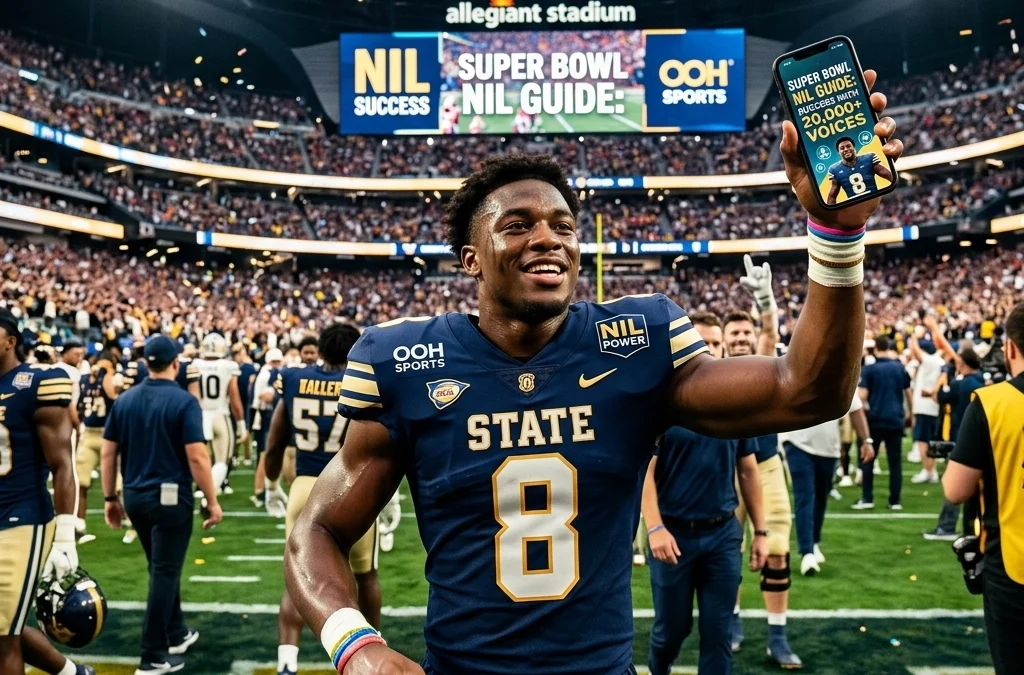
Super Bowl advertising has entered a new era. The traditional 30-second television spot, while still a cultural staple, no longer holds the monopoly on audience attention. In 2026, the digital landscape is more fragmented than ever, and consumers are looking for authenticity over polished corporate messaging. This shift has placed Name, Image, and Likeness (NIL) campaigns at the forefront of sports marketing.
Media buyers and brands are now leveraging the power of over 20,000 student-athlete voices to create a distributed, high-impact presence that traditional media simply cannot match. This guide explores how to navigate this landscape, the strategy behind a successful NIL "blitz," and how to integrate these voices into a broader marketing ecosystem.
The Evolution of Super Bowl Marketing
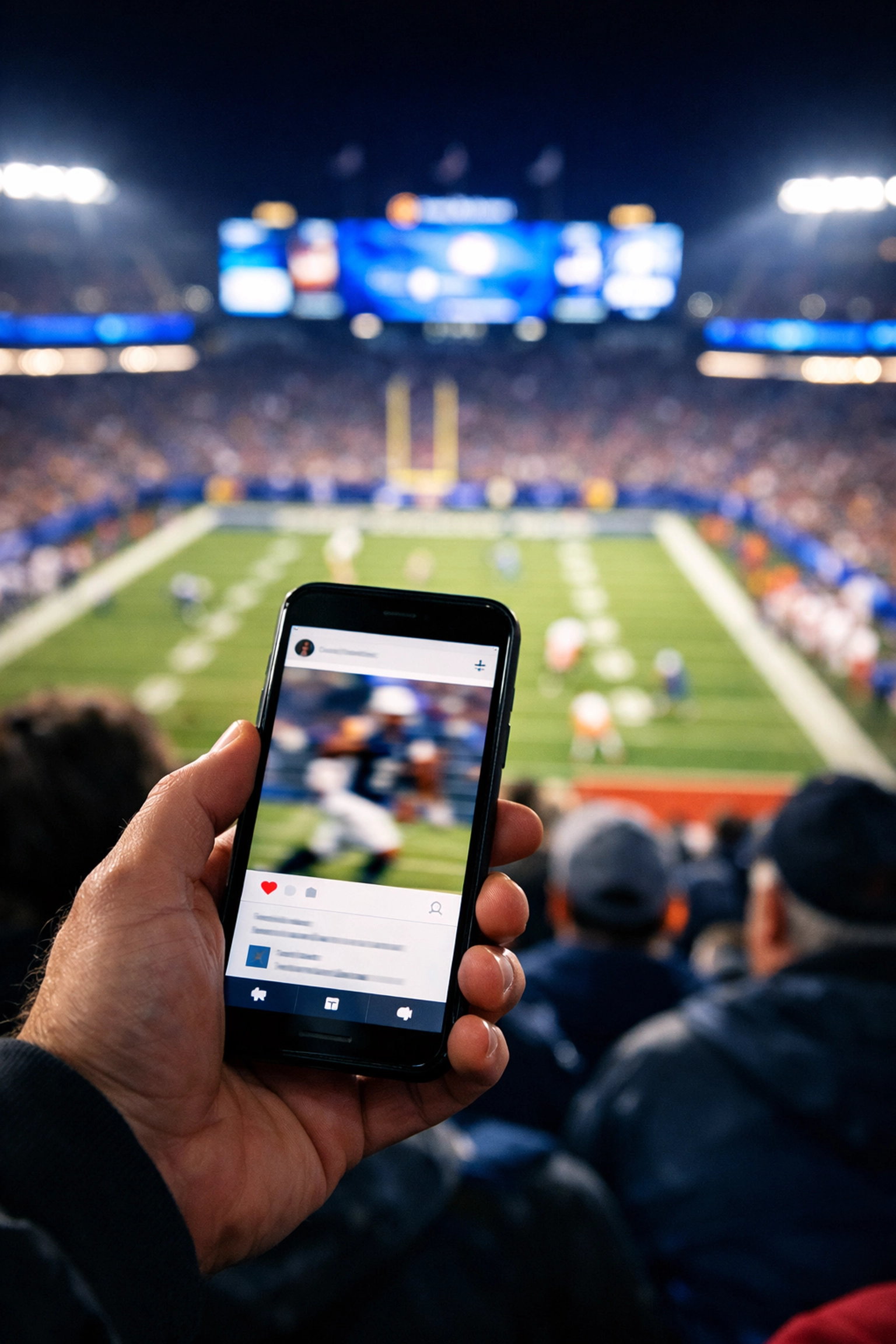
The challenge for modern advertisers is clear. While millions tune in to the Big Game, a significant portion of the audience is "second-screening." They are scrolling through social media, checking scores, and engaging with creators who provide real-time commentary. NIL campaigns bridge this gap by allowing brands to participate in these digital conversations through trusted voices.
Unlike a single broadcast ad that talks at an audience, NIL marketing involves talking with an audience. By partnering with a massive network of student-athletes, a brand can achieve a level of hyper-local and demographic-specific reach that was previously impossible. This is not just about celebrity endorsements. It is about a collective of authentic voices creating a surround-sound effect during the most-watched sporting event of the year.
Why 20,000+ Voices Matter
Scaling an NIL campaign to include thousands of athletes might sound logistically daunting, but the impact is undeniable. When 20,000 student-athletes share a message simultaneously, it creates a "distributed amplification" effect. This ensures that the brand remains visible across every major campus, alumni network, and local community in the country.
The power lies in peer-to-peer recommendations. A student-athlete at a major university holds significant influence over their fellow students and local fans. When these micro-influencers post about a product or service, the engagement rates often dwarf those of traditional celebrities. The content feels less like an ad and more like a recommendation from a peer.
The Three-Tier Athlete Strategy
To manage a campaign of this scale effectively, a structured three-tier model is essential. This approach ensures both broad reach and deep engagement.
1. Top-Tier Athletes (100,000+ Followers)
These athletes serve as the anchors of the campaign. They provide the mass awareness and high-production value that set the tone for the brand message. Their involvement lends immediate credibility and serves as the "hero" content that anchors the broader digital push.
2. Mid-Tier Athletes (10,000-100,000 Followers)
Mid-tier athletes provide the bulk of the reach. They often have highly dedicated followings and can deliver impressive engagement metrics. These athletes are large enough to have a wide impact but small enough to maintain a very close, authentic relationship with their audience.
3. Micro-Athletes (Under 10,000 Followers)
The micro-athlete tier is where the 20,000+ voices truly come to life. These athletes provide hyper-local activation. They are the faces of the brand on campus and in local communities. While their individual reach is smaller, their combined influence creates an unavoidable presence across social platforms.
The 72-Hour Blitz Strategy
Timing is everything in Super Bowl marketing. The most successful NIL campaigns utilize a 72-hour blitz strategy. This involves a coordinated push where thousands of athletes post content in a concentrated window leading up to and during the game.
This strategy maximizes visibility during the period of highest digital engagement. It creates a "trending" effect where the brand appears across multiple feeds simultaneously, reinforcing the message through repetition and variety. The blitz ensures that the brand is not just a part of the conversation, but is driving it.
Planning for Success: The 90-120 Day Timeline
A successful Super Bowl NIL campaign is not built overnight. Media buyers should follow a strict timeline to ensure all logistics are in place.
- 120 Days Out: Define objectives and budget. Identify the target markets and the types of athletes that align with the brand identity.
- 90 Days Out: Begin the recruitment process. Use NIL platforms to vet and contract thousands of athletes simultaneously.
- 60 Days Out: Content creation begins. Provide athletes with creative briefs that allow for their own voice to shine through while maintaining brand standards.
- 30 Days Out: Activation planning. Finalize the posting schedules and ensure all assets are approved.
- Game Week: Launch the blitz. Monitor real-time performance and engage with the content as it goes live.
- Post-Game: Analyze results and maintain momentum with follow-up content.
Authenticity Over Scripting
One of the most critical components of NIL success is creative freedom. Brands that provide rigid scripts often find that the content feels forced and performs poorly. Instead, brands should provide "guardrails", key talking points and visual requirements, while allowing the athletes to create content that resonates with their specific audience.
Authentic content leads to higher engagement. When an athlete speaks in their own voice, their followers are more likely to watch, like, and share. This peer-to-peer trust is the primary currency of the NIL space.
https://www.youtube.com/watch?v=l6J-0zileKE
The Economic Impact of NIL in 2026
The financial landscape of NIL has matured significantly. In 2026, the median earnings for athletes during Super Bowl activations have stabilized, allowing brands to forecast costs more accurately. Top performers can earn upwards of $25,000 by working with multiple partners, while micro-athletes receive fair compensation for their local influence. This professionalization of the space has made it easier for media buyers to treat NIL as a standard line item in their multi-channel budgets.
Integrating NIL with Out-of-Home (OOH) Advertising
While NIL dominates the social sphere, it is most effective when integrated with other channels. For example, OOH Sports has seen significant success combining programmatic Digital Out-of-Home (DOOH) campaigns with NIL activations.
When a consumer sees an athlete on a digital billboard or a Sportron while tailgating, and then sees that same athlete on their Instagram feed, the brand reinforcement is powerful. This omnichannel approach ensures that the message follows the consumer throughout their entire game day experience.
For instance, looking at how White Claw's programmatic DOOH campaign drove a 74% lift in purchase consideration, it is easy to see how adding 20,000 authentic student-athlete voices could further amplify those results.
Measuring Results and Brand Lift
Success in the NIL space is measured through more than just likes and comments. Media buyers focus on sophisticated metrics like brand preference rating, purchase consideration, and attribution.
By using specialized platforms and device ID tracking, brands can see the direct impact of their NIL spend. Recent data suggests that campaigns combining traditional broadcast with NIL see a much higher overall brand lift than those relying on a single channel. The broadcast spot builds the foundation, while the NIL voices build the house.
Key Considerations for Media Buyers
When managing a campaign with 20,000+ athletes, organization is paramount. Using a dedicated NIL platform is non-negotiable. These platforms handle everything from contract management to automated payments and performance tracking.
Media buyers should also prioritize:
- Diversity and Inclusion: Ensure the athlete roster represents a wide range of backgrounds, sports, and locations.
- Compliance: Verify that all activations comply with current NCAA and state regulations.
- Data Integration: Sync NIL performance data with other marketing platforms to get a holistic view of the campaign.
For more insights on how to optimize your advertising strategy, explore our marketing resources or check out our latest blog posts.
Conclusion: The New Standard
The Super Bowl is no longer just a television event. It is a multi-platform, social-driven phenomenon. Brands that fail to engage with the digital community miss out on a massive opportunity for growth. By leveraging the authentic voices of 20,000+ student-athletes, brands can achieve a level of resonance and reach that traditional advertising cannot replicate.
As the industry moves forward, the integration of NIL with traditional media and programmatic DOOH will become the standard for any brand looking to win big during the Super Bowl. The key to success is planning early, trusting the athletes, and embracing the power of the collective voice.