
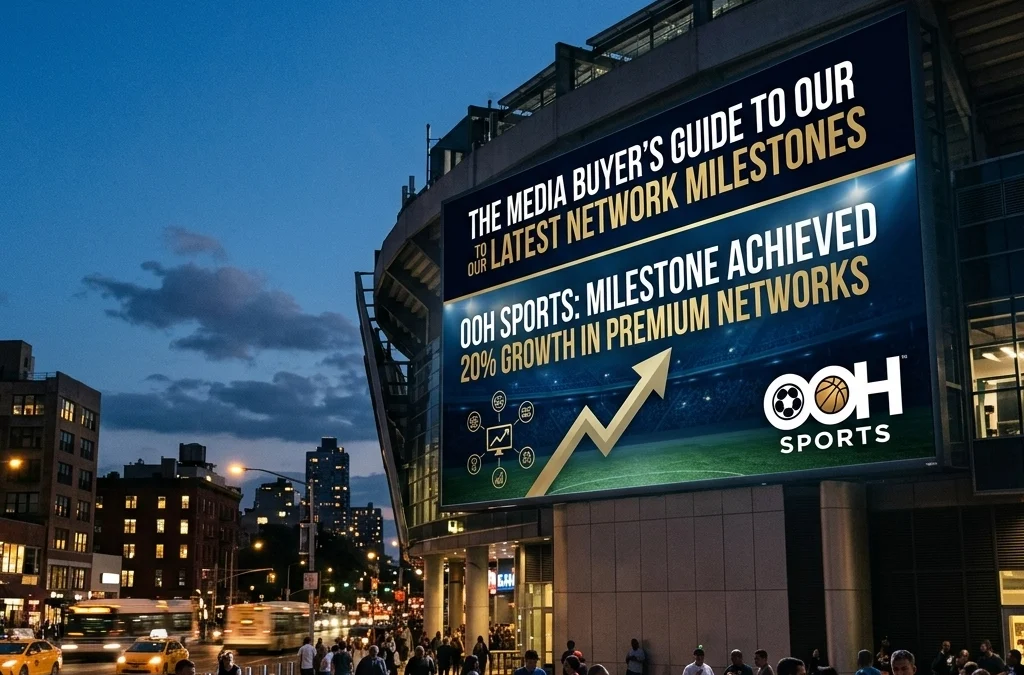
The landscape of sports advertising is undergoing a fundamental shift. As traditional broadcast viewership fragments and digital fatigue sets in among consumers, the physical environment has emerged as a high performance channel for brand engagement. OOH Sports has reached a significant milestone in this evolution, expanding its network to over 25,000 digital screens across the United States.
This expansion represents more than just a numerical increase in inventory. It signifies a transformative approach to how brands reach engaged sports audiences. By moving beyond the physical walls of the stadium and into the daily lives of fans, this network provides a comprehensive ecosystem for national campaign execution.
Scaling National Visibility Through Diversified Venues
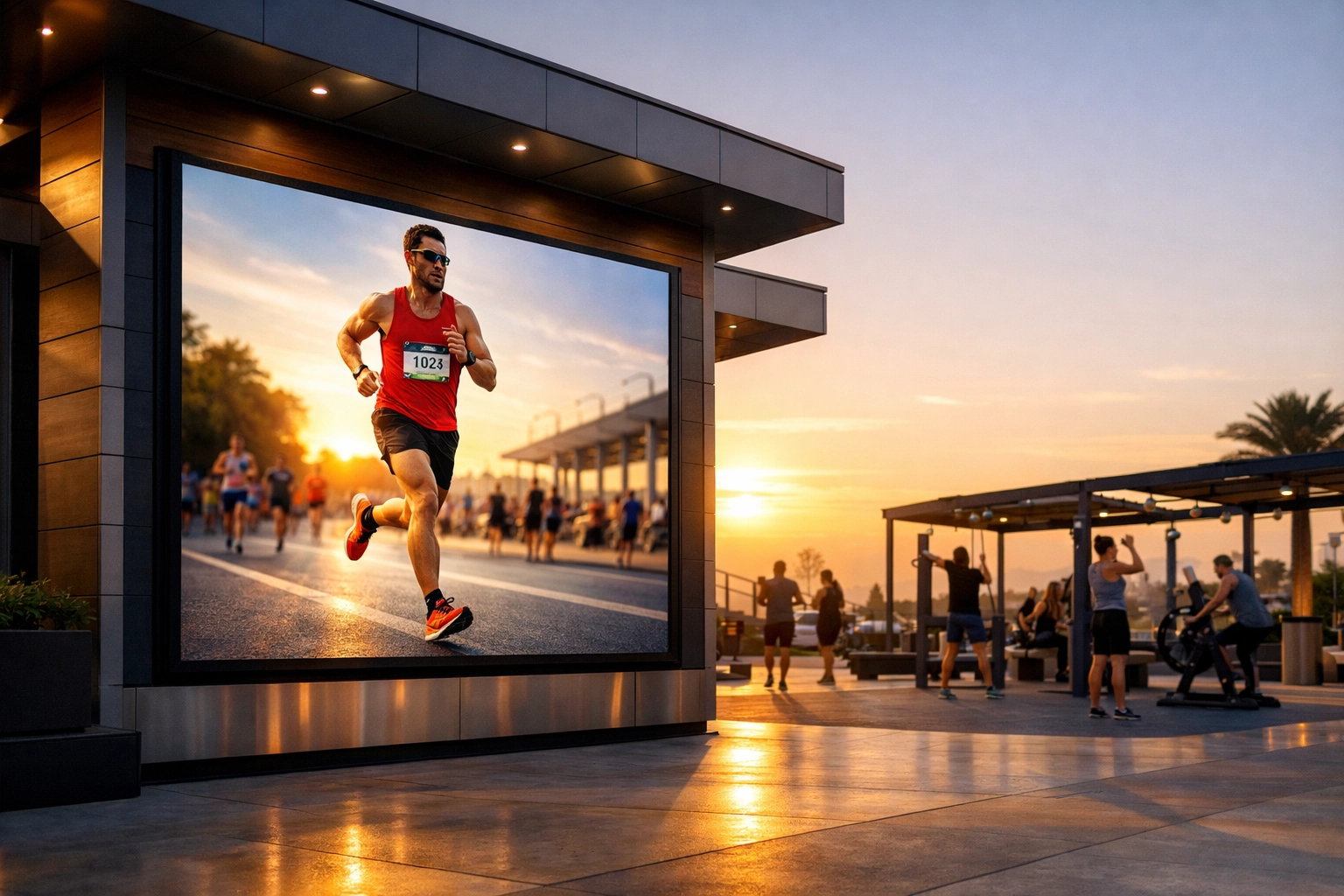
The cornerstone of this milestone is the geographic and contextual diversity of the screen placements. The OOH Sports network now spans a wide array of environments where sports fans naturally congregate. This includes sports bars, fitness centers, bowling alleys, and golf courses.
The strategy behind this venue selection is rooted in audience mindset. In a fitness center, the audience is focused on performance and health. In a sports bar or a bowling alley, the focus shifts to social engagement and competition. By placing digital screens in these varied locations, the network ensures that brand messaging remains relevant throughout the entire fan journey, rather than being confined to a single three hour game window.

The Strategic Advantage of Extended Impression Windows
One of the primary challenges with traditional broadcast advertising is the limited duration of the exposure. A thirty second spot is ephemeral. In contrast, the OOH Sports network utilizes an extended impression window.
Campaigns across these 25,000 screens accumulate impressions throughout entire event cycles. This includes:
- Pre-game arrival and anticipation.
- The duration of the live competition.
- Post-game social interactions and celebrations.
This cumulative brand exposure often exceeds the impact of time bound media. By dominating the physical environment for weeks surrounding major sporting events, brands can achieve a level of frequency and top of mind awareness that is difficult to replicate through digital or broadcast channels alone.
The Shift to Programmatic Precision
The growth of the OOH Sports network coincides with the rapid adoption of programmatic technology in the out-of-home sector. Media buyers are no longer restricted to rigid, long term contracts or manual insertion orders. The infrastructure of the 25,000 screen network is designed for real time bidding and seamless integration with major Demand Side Platforms (DSPs).
This level of programmatic flexibility allows for sophisticated targeting strategies that were previously impossible in OOH. Media buyers can now activate campaigns based on specific triggers, such as live game scores, weather conditions, or local team victories. This ensures that the creative content is always contextually relevant to the viewer.
For more information on how specialized platforms are driving this change, the spotlight on StackAdapt DSP highlights the growing adoption of programmatic DOOH in omnichannel strategies.

Real-Time Optimization and Message Adaptation
The digital nature of the network allows for temporal message adaptation. This means a campaign can shift its creative focus throughout the day to match the audience mindset.
For instance:
- Morning: Messaging in fitness centers can focus on energy, performance, and recovery.
- Midday: Content can transition to pre-game hype and upcoming event schedules.
- Evening: Screens in sports bars can display real time promotions, betting odds, or celebratory brand content.
This ability to pivot in real time maximizes the relevance of the message. Media buyers can optimize their spend by directing creative to the specific times and locations where it will have the highest impact. This is particularly effective for categories like sports betting, where launching real time campaigns that convert in under 24 hours has become a vital strategy.
Bridging the Physical and Digital Worlds
A key component of the OOH Sports milestone is the deployment of technology that bridges the gap between physical screen exposure and digital engagement. The network utilizes various tools to create a closed loop measurement system.
Mobile Integration and Retargeting
The use of device ID capture allows the network to identify mobile devices that have been in proximity to a specific screen during a campaign flight. This data enables media buyers to retarget those same individuals with follow up digital messaging on their mobile devices or social media feeds. This omnichannel approach reinforces the OOH message and provides a clear path to conversion.
Interactive Elements
The inclusion of QR codes and branded hashtags on digital screens transforms a passive viewing experience into an active engagement opportunity. Fans can scan a code to access exclusive content, enter a sweepstakes, or make a direct purchase. This physical to digital bridge provides valuable first party data and measurable performance metrics.
Data-Driven Performance and Accountability
The historical challenge of out-of-home advertising has been measurement. The expansion of the OOH Sports network addresses this by integrating advanced analytics that provide the same level of rigor as digital channels.
Campaign performance is measured through several key lenses:
- Audience Composition: Detailed breakdowns of who is seeing the ads based on location and venue data.
- Dwell Time Analysis: Measuring how long an individual is exposed to the screen to determine the depth of engagement.
- Brand Lift Studies: Assessing changes in brand awareness and perception as a result of the campaign.
- Attribution Modeling: Linking screen exposures to actual foot traffic or online sales.
The effectiveness of this data driven approach is evidenced by significant results in the field. For example, White Claw’s programmatic campaign drove a 74% lift in purchase consideration, while AB InBev’s Mike’s Hard Iced Tea saw a 119% lift in positive brand image. These metrics provide media buyers with the confidence that their OOH spend is delivering a tangible return on investment.
Market Context and the Future of Sports OOH
The milestone of 25,000 screens arrives at a time when the sports advertising market is projected to see massive growth. Industry forecasts suggest that DOOH sports advertising will hit $50 billion by 2030. This growth is fueled by a renewed confidence in physical media as a performance channel and the increasing difficulty of reaching audiences through traditional, ad supported television.
As brands look for alternatives to expensive and often cluttered stadium sponsorships, the perimeter network offered by OOH Sports provides a scalable, cost effective solution. This allows brands to achieve national reach without the multi million dollar price tags associated with official league partnerships. The focus has shifted from being "at the game" to being "where the fans are."
Strategic Implementation for Media Buyers
To maximize the benefits of this expanded network, media buyers should focus on several key strategic pillars:
- Contextual Alignment: Match creative assets to the specific venue type. A message that works in a high energy gym environment might need to be adjusted for a relaxed sports bar setting.
- Data Utilization: Leverage the available analytics to refine targeting and prove the impact of the campaign. Move beyond simple impression counts to focus on brand lift and attribution.
- Omnichannel Integration: Use DOOH as the cornerstone of a larger strategy. Coordinate physical screen placements with mobile retargeting and social media activations for a unified brand experience.
- Creative Agility: Take advantage of the programmatic nature of the network to test and iterate creative in real time. Use live data triggers to ensure the messaging is always current.
The milestone of 25,000 screens is a testament to the power of sports as a medium and the efficiency of digital out-of-home as a delivery vehicle. By providing scale, precision, and measurable results, OOH Sports is redefining the standards for sports marketing in the modern era. For media planners and buyers, the network offers a sophisticated toolset to capture fan attention in the moments that matter most.