
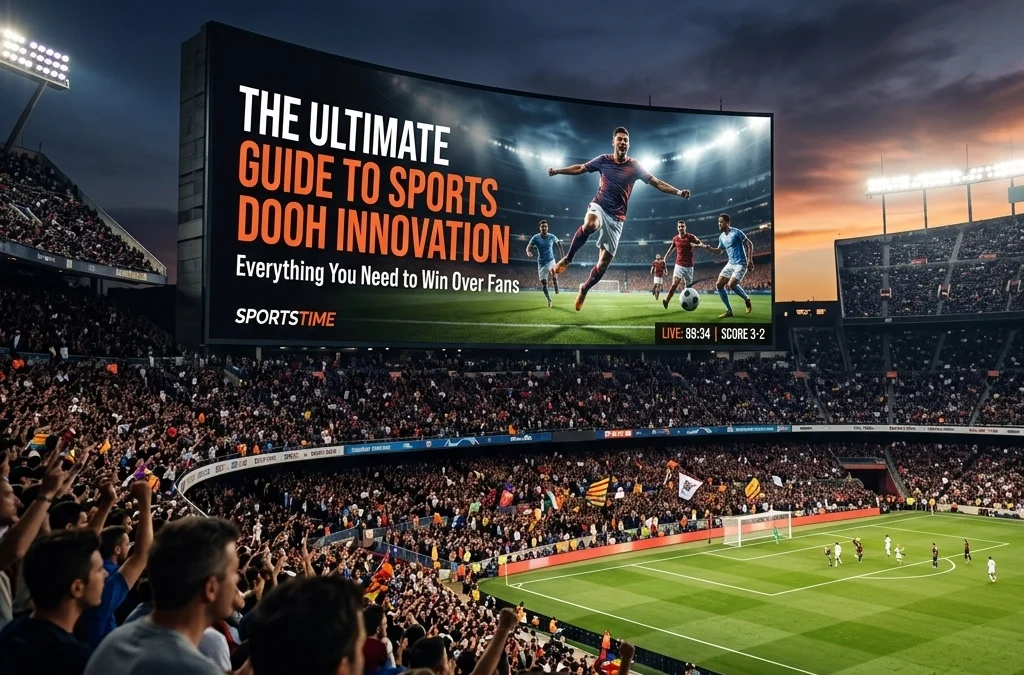
The landscape of sports marketing has changed. It is no longer enough to buy a 30 second spot during a big game or place a logo on a stadium outfield wall. The modern fan lives in a world of constant connection and fragmented attention. For media buyers and brand managers, the challenge is reaching these fans where they actually spend their time.
While the stadium experience is iconic, the reality is that the vast majority of fan engagement happens outside the arena. Fans are watching highlights on their commute, checking scores at bars, and discussing plays in their neighborhood coffee shops. This is where Digital Out-of-Home (DOOH) advertising becomes a game changer. By leveraging innovation in DOOH, brands can follow the fan journey from the driveway to the driveway, creating a seamless connection that traditional ads simply cannot match.
The Strategic Shift to Direct to Fan Engagement
Sports marketing is moving toward a more personal and immediate model. The industry is seeing a shift toward direct to fan streaming, AI driven personalization, and year round community engagement. In this new era, DOOH acts as a bridge between the digital world and the physical world.
The core advantage of sports DOOH is its ability to democratize access to the sports ecosystem. For many years, only the brands with the largest budgets could afford to be part of the sports conversation. Today, programmatic technology allows brands of all sizes to enter the space with precision. Whether a brand wants to target a single neighborhood during a local rivalry or launch a nationwide campaign during a championship tournament, the flexibility of DOOH makes it possible.
Dynamic Creative: The Engine of Relevance
In the sports world, a single second can change everything. A last minute goal or a record breaking home run creates a surge of emotion that brands can tap into if they are fast enough. This is where Dynamic Creative Optimization (DCO) provides a competitive edge.
DCO allows advertisers to update their messaging in real time based on live data feeds. Instead of a static image of a player, a DOOH screen can display:
- Live Score Updates: Keeping fans informed while they are on the move.
- Countdown Timers: Building anticipation for a kickoff or a draft.
- Weather Triggers: Promoting rain gear if a storm hits the stadium or cold drinks during a heatwave.
- Real Time Odds: Allowing betting partners to show live fluctuations in lines and spreads.
By using these triggers, a brand stops being a background noise and starts being a source of valuable information. This utility creates a positive brand association that lasts long after the game is over. For more on how to implement these high speed tactics, the guide to launching real-time betting campaigns offers a deep dive into the logistics.
Programmatic DOOH vs. Traditional Stadium Ads
Traditional stadium advertising has its place, but it is often limited by high costs and static placement. Programmatic DOOH (pDOOH) offers a more data driven approach to ROI. With pDOOH, advertisers can buy inventory based on specific audience movements and behaviors rather than just a fixed location.
When comparing the two, pDOOH often delivers better results for brands looking for measurable impact. It allows for advanced targeting, such as reaching people who have recently visited a specific stadium or those who are identified as frequent gym goers. This level of precision ensures that marketing budgets are spent on the people most likely to convert. Detailed comparisons of these strategies can be found in the analysis of programmatic DOOH vs. traditional stadium ads.
Strategic Placements for the Fan Journey
To win over fans, brands must position their messages where the fan's daily life intersects with their passion for sports. This requires a multi-layered placement strategy.
Transit Hubs and Commuter Routes
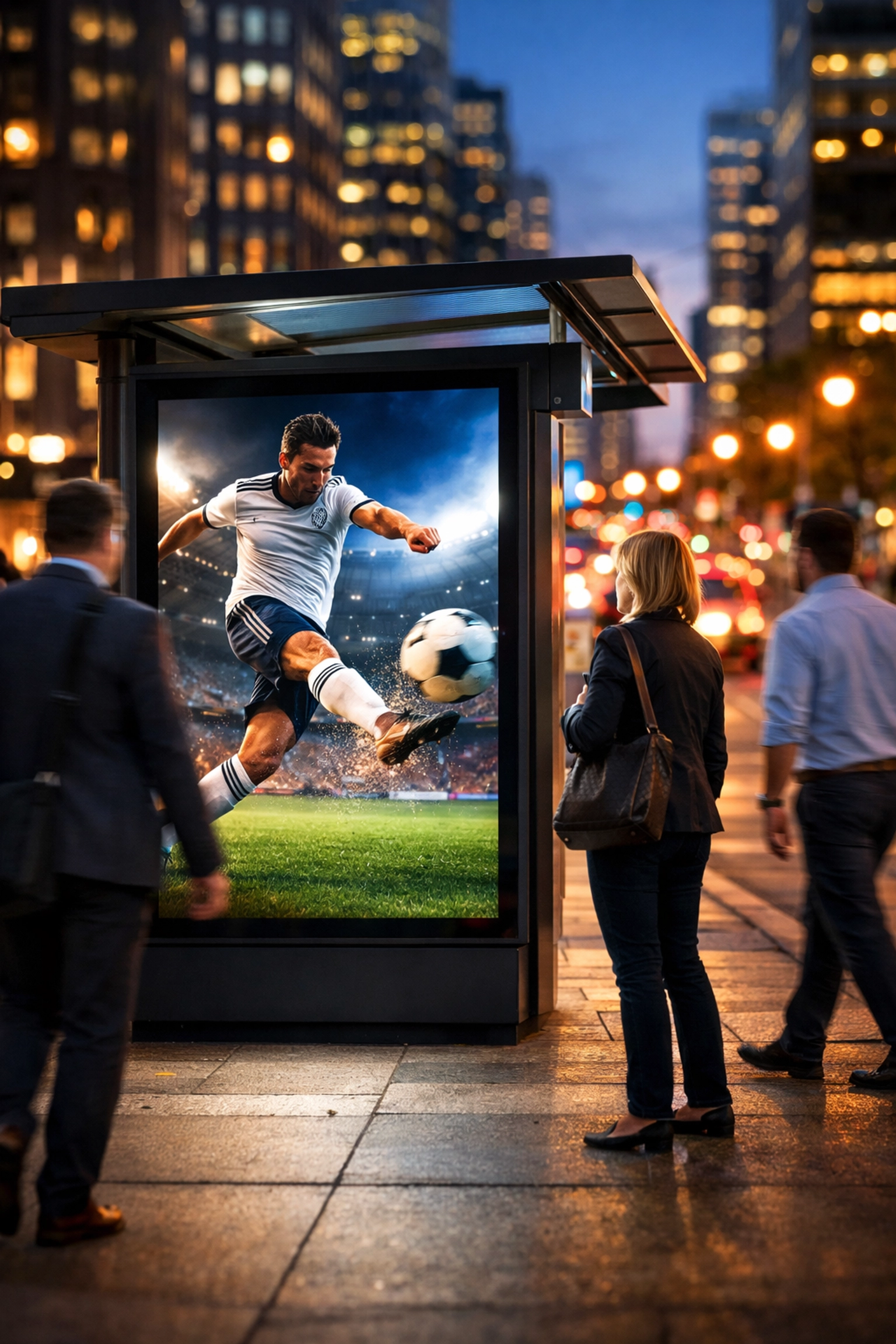
Fans are often at their most attentive during their daily commute. Subway stations, bus shelters, and digital screens in airports provide a high frequency of touchpoints. When a fan sees a short, punchy DOOH ad during their morning train ride, it primes them for the more detailed advertisements they might see on social media or TV later that evening.
Sports Bars and Social Spaces
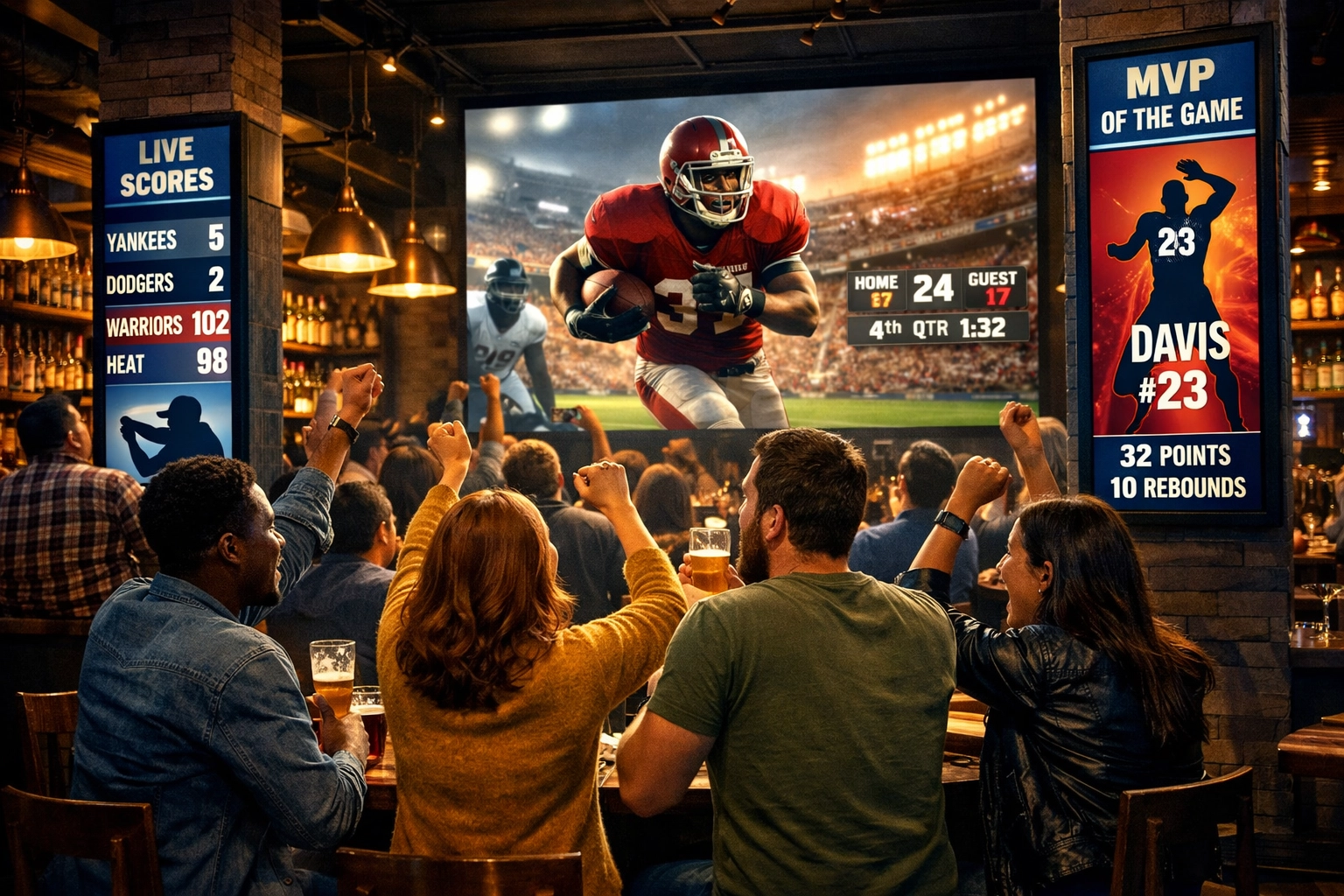
The social aspect of sports is massive. Sports bars and neighborhood gathering spots are prime locations for real-time engagement. By placing ads in these environments, brands can be part of the collective excitement. It is a moment of high emotion where brand liking can see a significant boost.
Retail and Gym Environments
Contextual relevance is key in the wellness and lifestyle sectors. Advertising a sports drink in a gym or a gameday snack in a pharmacy aligns the brand with the consumer's immediate needs. This type of neighborhood level targeting builds an authentic connection that feels less like an intrusion and more like a helpful suggestion.
Measurable Results: Proof in the Data
Innovation in DOOH is not just about cool technology, it is about results. Data from recent campaigns shows a clear trend of high performance when DOOH is used strategically.
For example, a major beverage campaign for White Claw saw a 74% lift in purchase consideration. Another campaign for Mike's Hard Iced Tea resulted in a 119% lift in positive brand image. These are not small margins. They represent a fundamental shift in how consumers respond to out-of-home media when it is targeted and dynamic.
Even brands outside the traditional sports category, such as Sea-Doo, have seen success, with a 144% increase in purchase consideration through DOOH innovation. These success stories are documented across various case studies that highlight the power of this medium.
Strategies for Different Brand Sizes
Innovation is not reserved for the giants of the industry. The way a brand uses DOOH should depend on its specific goals and resources.
For Small and Emerging Brands:
Instead of trying to outspend the competition on a national level, smaller brands should focus on becoming "precision players." By using DOOH to dominate specific neighborhoods or transit routes near a stadium, a small brand can appear much larger and more established to a local audience. It is about winning the "home game" before trying to play on the national stage.
For Major Sponsors:
Major brands use DOOH to extend the life of their expensive TV and stadium sponsorships. If a brand has spent millions to be an official partner, DOOH ensures that the investment continues to work when fans leave the venue. By using Sportrons and other digital displays, they can maintain a constant presence in the fan's world, reinforcing the "priming effect" that makes every other marketing dollar more effective.
Ambush Marketing and Creative Tactics
One of the most innovative ways to use DOOH is to enter the conversation without being an official sponsor. This "ambush" or "guerrilla" style of marketing can be incredibly effective when done correctly.
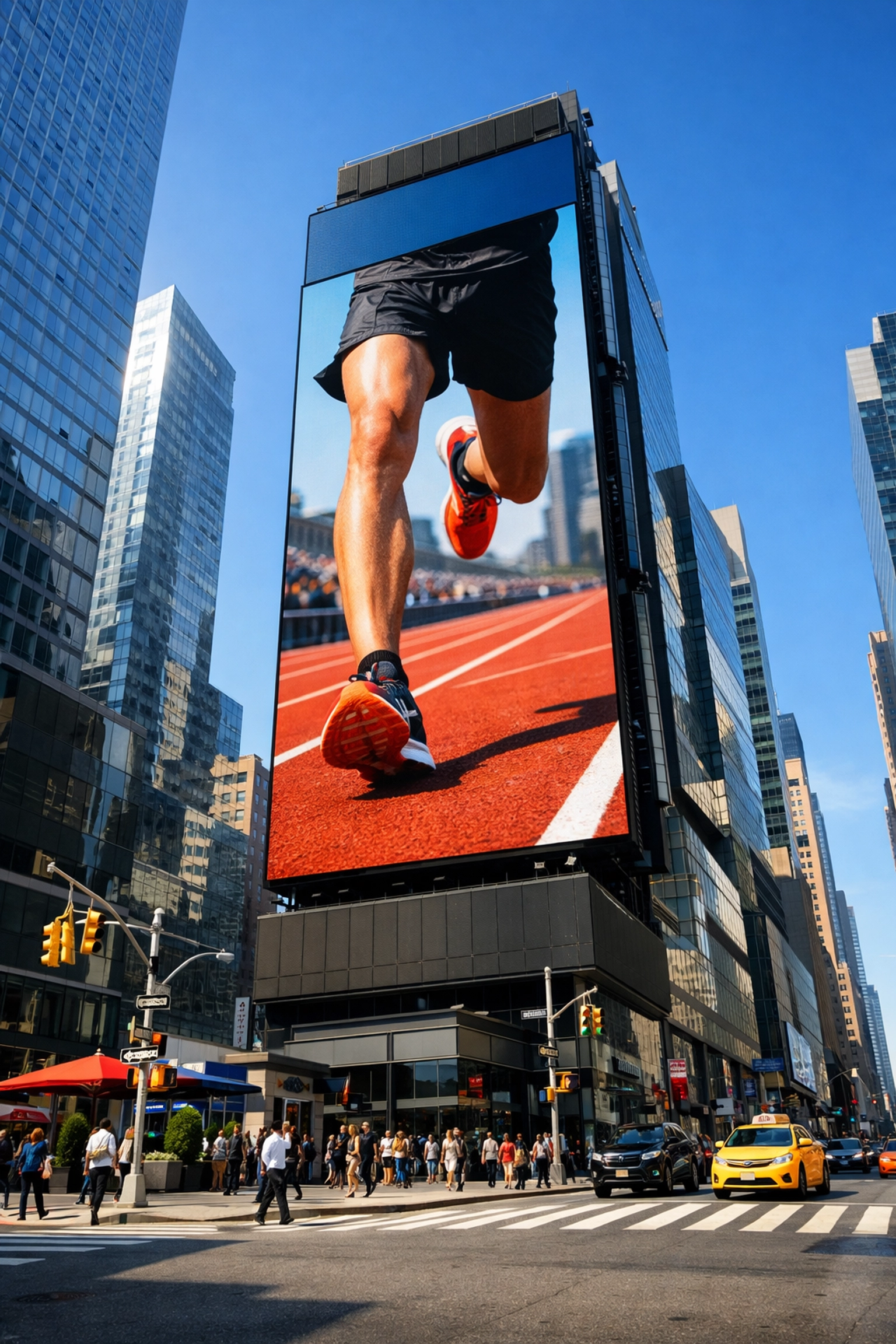
A classic example involves brands that show up in the cities hosting major marathons or championships without paying the official sponsorship fees. By strategically placing DOOH ads along the race route or near the host stadium, a brand can capture the attention of the crowd and become associated with the event in the minds of the fans. The Nike NYC Marathon campaign is a prime example of how clever placement can rival the impact of official sponsorship.
Looking Forward: A Multi-Billion Dollar Opportunity
The growth of the sports DOOH sector is projected to be massive. As more screens become digitized and programmatic buying becomes the standard, the opportunities for innovation will only increase. Brands that adopt these technologies now will be the ones that define the future of fan engagement.
Success in this space requires a commitment to clarity, speed, and relevance. The goal is to move from being a simple advertiser to becoming an authentic fixture in the fan's world. This is achieved by delivering clear messages that help fans enjoy the game more, whether through live updates, helpful tips, or simply by being present during the moments that matter most.
For brands ready to take the next step, exploring the OOH Sports marketing services is a great place to start. The future of sports marketing is happening outside the stadium, and the screens are already waiting.

Whether you are a media buyer looking for better ROI or a brand manager aiming for deeper fan loyalty, DOOH innovation offers the tools you need to win. By staying simple, staying data-driven, and staying where the fans are, your brand can become a champion in the eyes of the audience. For any inquiries or to start a strategy session, feel free to contact the team.