
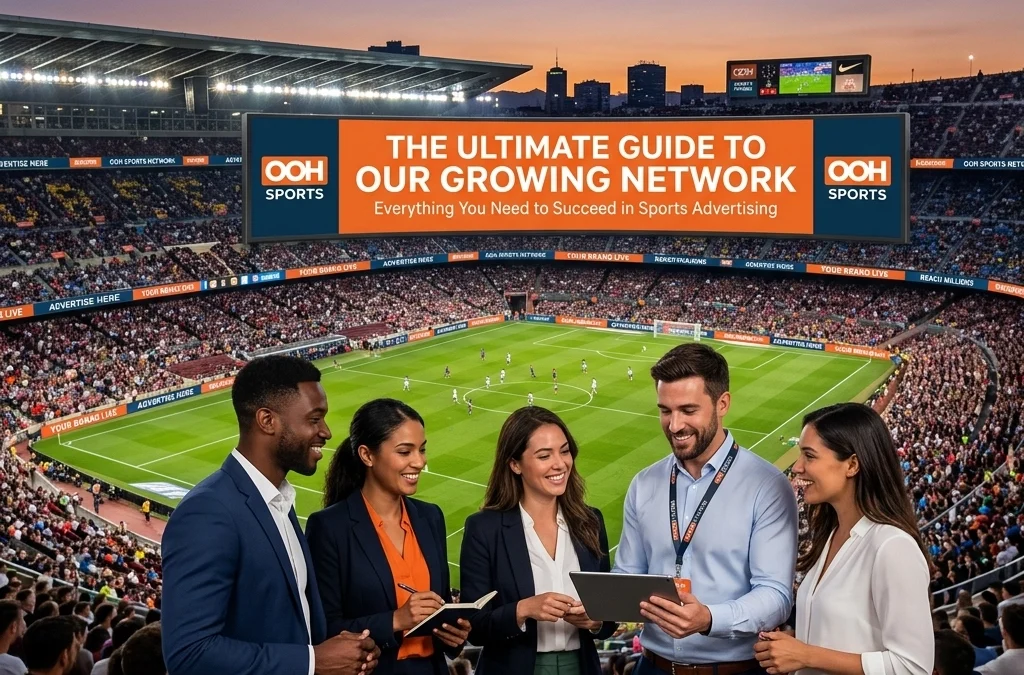
The landscape of sports advertising is undergoing a significant transformation. As traditional methods evolve, OOH Sports continues to expand its reach and capabilities, providing media buyers and brands with sophisticated tools to engage fans in high impact environments. This expansion marks a milestone in the availability of programmatic digital out-of-home (DOOH) inventory within the most coveted athletic venues.

Strategic Expansion in the Advertising Landscape
The growth of the OOH Sports network is driven by a commitment to innovation and accessibility. By integrating advanced technology into stadiums and arenas, the network allows advertisers to transcend the limitations of static signage. The current expansion focuses on increasing the density of Sportrons across professional and collegiate venues, ensuring that brands can maintain a consistent presence throughout the athletic calendar.
The modern sports environment demands a shift from simple visibility to deep engagement. Success in this sector is no longer strictly a function of budget size. Instead, it relies on the strategic use of smart venue technology and multi-screen engagement. Brands that leverage these innovative formats find themselves better positioned to connect with fans who are increasingly tech-savvy and platform-agnostic.
The Core Strategy: Innovation Over Budget Size
In the current market, the brands dominating sports advertising are those prioritizing innovative approaches over sheer expenditure. While large-scale sponsorships remain a staple, the rise of programmatic DOOH allows smaller and mid-sized brands to compete effectively by targeting specific moments, locations, and demographics with precision.
Smart venue technology has fundamentally changed the interaction between the brand and the consumer. By utilizing data-driven insights, advertisers can deliver messages that resonate with the immediate atmosphere of the game. This approach ensures that marketing efforts are perceived as an integrated part of the fan experience rather than an interruption.
Defining the Two Pillars of Sports Marketing
To succeed within the OOH Sports network, it is essential to understand the two foundational pillars of the industry: the marketing of sports and marketing through sports.
Marketing of Sports focuses on the growth and profitability of the sports properties themselves. This involves ticketing campaigns, player-driven storytelling, and experiential activations designed to build loyalty and increase attendance.
Marketing through Sports utilizes the emotional platform of athletics to reach consumers. This is achieved through sponsorship activations, branded content integrations, and programmatic DOOH campaigns that capitalize on the high attention levels of a live audience. OOH Sports facilitates this by providing the infrastructure necessary for these two pillars to coexist and reinforce one another.
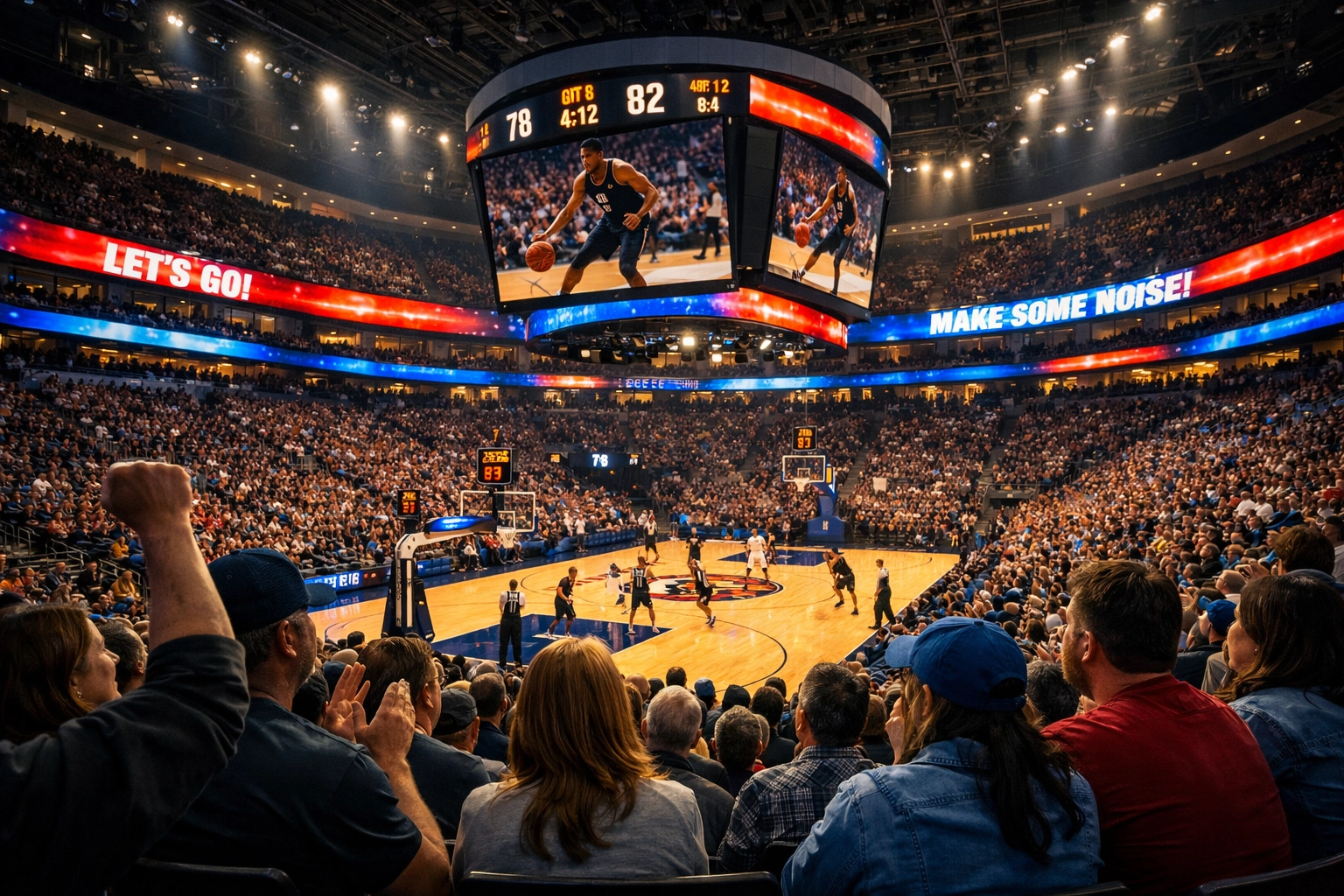
Multi-Platform Integration and the Smart Venue Experience
A unified brand experience is the hallmark of a successful modern campaign. Rather than delivering isolated creative assets across various platforms, the most effective strategies adapt a consistent narrative to the unique strengths of each medium. The OOH Sports network is designed to be a central component of this integrated approach.
A campaign might begin with awareness-driving ads on streaming services, transition to real-time excitement via social media, and culminate in reinforcement through stadium signage and Sportrons. This cross-platform sequence ensures that every touchpoint moves the fan closer to a desired action.
Smart venues allow for real-time targeting and dynamic ad insertion. This means a message displayed on a jumbotron can be coordinated with the content fans see on their mobile devices. This geographic personalization creates a reinforcing effect that significantly increases brand recall and purchase consideration.
The Evolving Platform Landscape
While television remains a significant force in sports media spending, digital platforms are capturing a growing share of the market. The rise of streaming services like Amazon Prime Video and Peacock has concentrated sports audiences into digital channels that offer sophisticated targeting capabilities.
Team-owned media networks also provide direct-to-consumer channels rich with first-party data. OOH Sports integrates with these digital shifts by offering programmatic DOOH options that mirror the flexibility and data-centric nature of online advertising. This allows for a seamless transition between the home viewing experience and the live stadium environment.
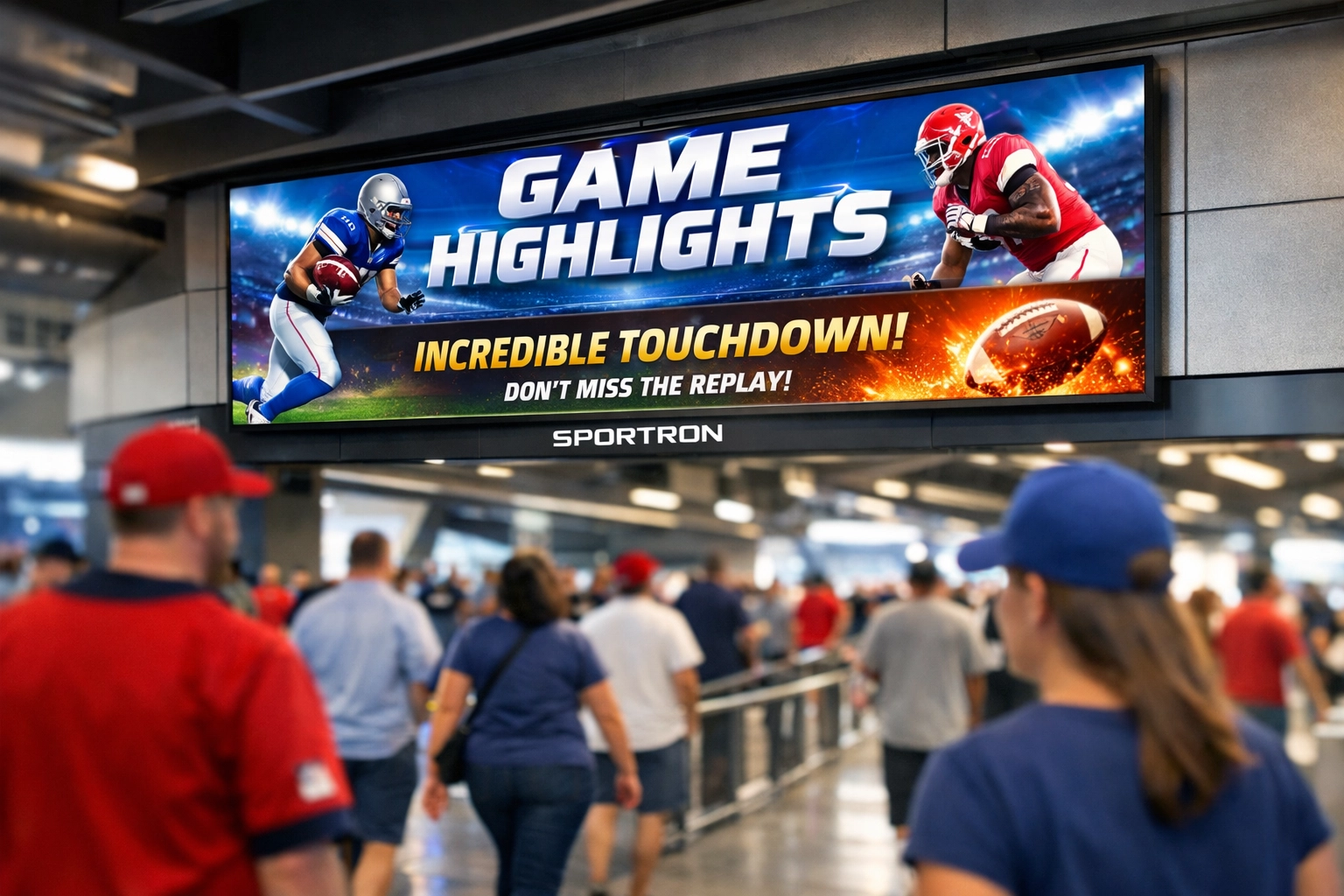
Data Foundations and Audience Segmentation
Effective marketing requires a deep understanding of the target audience. OOH Sports emphasizes a foundation of fan segmentation based on demographics, behavior, geography, and core values. By utilizing customer relationship management (CRM) data and social listening, advertisers can create highly qualified segments for their campaigns.
The use of programmatic platforms, such as the StackAdapt DSP, enables brands to drive adoption of DOOH in omnichannel campaigns. This level of technical fluency allows for the automation of ad buying, making it easier to reach specific fan bases across the entire OOH Sports network without the manual overhead of traditional placements.
Year-Round Engagement and Omnichannel Reach
The strategy of event-based buying, where a brand appears only for major games and then disappears, is no longer sufficient. Consistency is the key to driving lasting fan affinity. The OOH Sports network provides year-round touchpoints, from regular season matchups to off-season community gatherings and special events.
Extending a campaign beyond the four quarters of a game is vital. Successful brands target shoulder programming, such as pre-game shows, post-game highlights, and reels on connected TV (CTV). When these digital efforts are coordinated with the physical presence of DOOH within the venue, it creates an omnichannel reach that captures attention at every stage of the fan journey.
Proven Results and Market Impact
The effectiveness of the OOH Sports network is demonstrated through measurable outcomes and data-driven success stories. For example, programmatic DOOH campaigns have shown a significant lift in brand metrics across various categories:
- White Claw: A programmatic DOOH campaign resulted in a 74% lift in purchase consideration for a vodka launch. Details of this execution can be found in the White Claw case study.
- Mike’s Hard Iced Tea: This campaign saw a 119% lift in positive brand image through targeted DOOH placements. The strategic choices behind this are outlined in the AB InBev case study.
- Sea-Doo: By implementing its first digital OOH campaign, the brand increased purchase consideration by 144%. The logistics of this campaign are documented in the Sea-Doo analysis.
These results highlight the impact of moving away from traditional stadium ads in favor of programmatic options that deliver better ROI. For a deeper comparison of these methods, the report on programmatic DOOH vs. traditional stadium ads provides exhaustive data.

Future Outlook: Navigating the $50 Billion Market
Projections indicate that DOOH sports advertising will continue its upward trajectory, potentially reaching significant market milestones by the end of the decade. Strategies to capture a share of this growth are essential for any forward-looking media buyer. OOH Sports remains committed to expanding its network to meet this demand, providing the infrastructure and technical expertise required for high-performance marketing.
The integration of specialized platforms and the use of industry-standard terms like "attribution" and "device IDs exposed" reflect the technical maturity of the OOH Sports network. This ensures that every campaign is not only visible but also measurable and accountable.
For brands looking to navigate this expanding network, more information is available through the OOH Sports marketing resources and the official blog. As the company continues to grow, the focus remains on providing a simple, impactful, and professional platform for sports advertising success.
To learn more about the specific policies or to begin a partnership, interested parties are encouraged to visit the contact page or review the about section.