
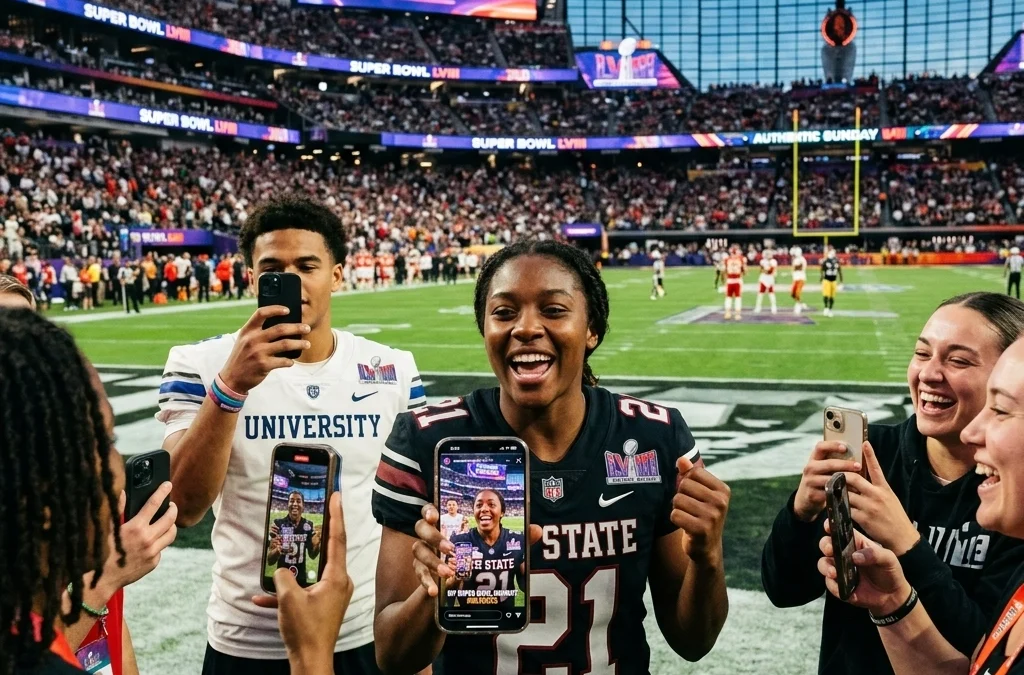
The landscape of sports marketing is undergoing a massive shift as the industry approaches Super Bowl LX in February 2026. While the traditional 30-second television spot remains a prestigious milestone, the cost of entry has reached record highs of $8 million to $10 million. For many media buyers, the challenge is no longer just about being seen during the big game. It is about being heard in a way that feels real to the consumer. This is where the integration of over 20,000 authentic Name, Image, and Likeness (NIL) voices becomes the most strategic move for a modern media plan.
By leveraging a massive network of student-athletes, brands can move away from the "one big celebrity" model and toward a "thousands of trusted voices" model. This approach does not just broadcast a message. It starts a conversation across diverse communities that a single television commercial cannot reach.
https://www.youtube.com/watch?v=l6J-0zileKE
The Power of 20,000 Authentic NIL Voices
The central advantage of using the OOH Sports NIL platform is scale combined with authenticity. In the past, a media buyer might secure one or two professional athletes for a campaign. Today, the strategy involves activating 20,000 student-athletes who carry significant influence within their specific regions, schools, and social circles.
These athletes are not just influencers. They are active participants in the sports culture that culminates in the Super Bowl. When 20,000 voices speak simultaneously about a brand, the result is a coordinated narrative that feels grassroots rather than corporate. This distributed reach allows for hyper-targeted engagement. A brand can reach a college student in Florida, a high school football fan in Texas, and a tech professional in California through different athletes who all share a common bond with their followers.
A Three-Phase Strategy for Super Bowl 2026
To maximize the impact of 20,000 NIL voices, a media plan must be structured around the timeline of the event. Success is found by following a rigorous three-phase execution framework.
Phase 1: The Build-Up (Leading to February 7)
The weeks leading up to the Super Bowl are for building anticipation. During this pre-game phase, student-athletes use platforms like Instagram, TikTok, and X to share teaser content and behind-the-scenes access. Because these athletes are peers to their audience, their predictions and excitement for the game feel genuine. Media buyers can use this phase to position a brand as a central part of the upcoming celebration. Teasers that spark conversation ensure that by the time game day arrives, the brand is already a familiar name in the consumer’s social feed.
Phase 2: Game Day Activation (February 8)
On the day of the Super Bowl, the strategy shifts to real-time engagement. This is where the 20,000 voices create a digital "watch party" atmosphere. Athletes share live reactions, host interactive polls, and post content from their own Super Bowl gatherings. This high-frequency posting ensures that even if a consumer looks away from the television, the brand is waiting for them on their mobile device. The collective energy of thousands of athletes reacting to the same game events creates an immersive brand experience that a static billboard or a single TV spot cannot replicate.
Phase 3: The Post-Game Momentum (February 9–15)
The impact of a Super Bowl campaign should not end when the trophy is hoisted. The post-game phase focuses on recap content and highlight reels. Athletes can share their favorite moments of the game while continuing to tie back to the brand message. This extends the lifespan of the media buy and maintains brand momentum well into the following week. It is a period of reflection and continued engagement that reinforces the brand’s association with the biggest sporting event of the year.
Prioritizing Quality and Engagement Over Follower Count
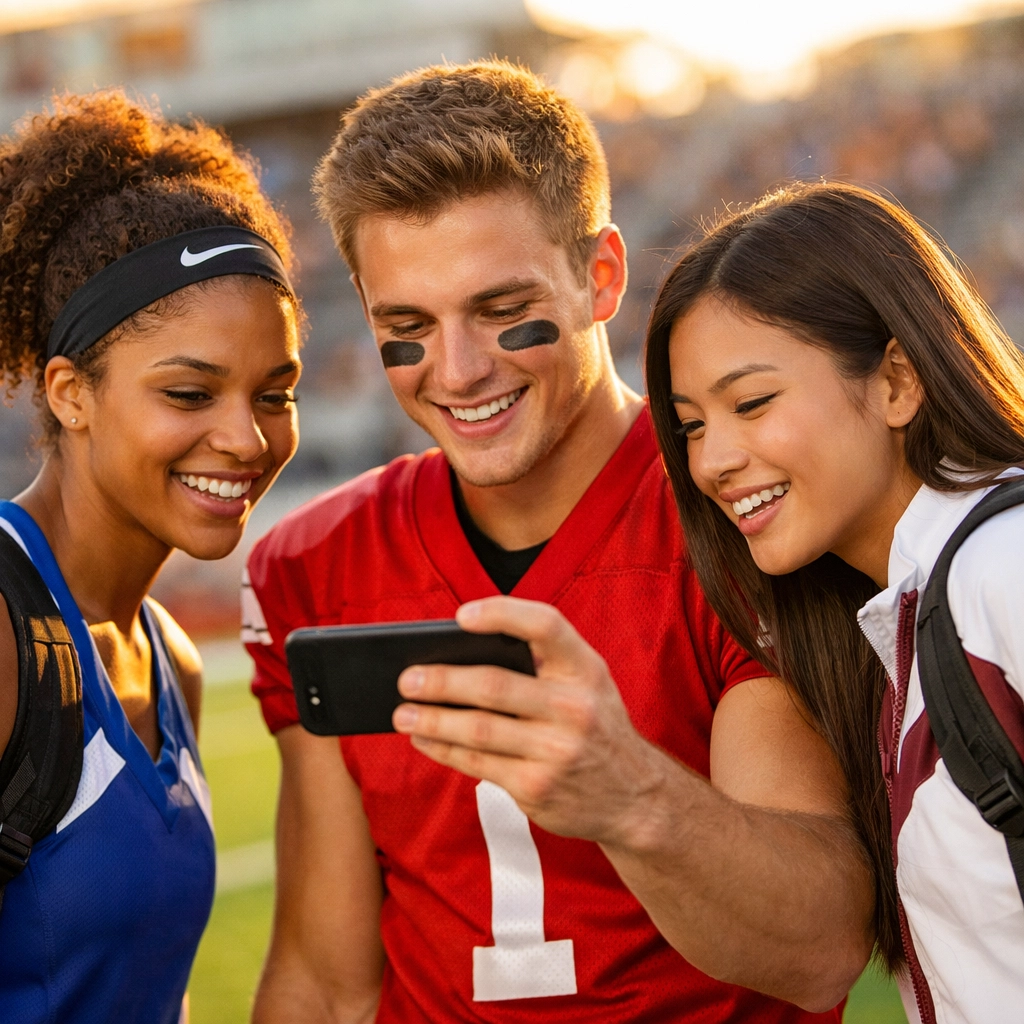
A common mistake in media buying is chasing the highest follower counts. However, the NIL platform thrives on the "mid-tier" athlete. Research shows that an athlete with 5,000 loyal followers often generates more meaningful engagement than a celebrity with millions of passive followers.
For example, a swimmer with 5,000 followers might see 500 comments on a post because their audience is highly niche and dedicated. In contrast, a star quarterback might have 500,000 followers but see very little actual conversation in the comments. By spreading a budget across 20,000 authentic voices, a brand taps into thousands of these high-engagement "micro-communities." This strategy ensures that the brand message is being seen by people who are actually paying attention.
Integrating NIL with Out-of-Home Media
The true strength of OOH Sports lies in the ability to combine these digital NIL voices with physical advertising. Integrating NIL social content with Digital Out-of-Home (DOOH) creates an omnichannel presence that surrounds the consumer.
When a fan sees a student-athlete they follow on a Sportron screen at a sports bar or a stadium, the connection is immediate. It bridges the gap between the digital world and the real world. This type of synchronization has been shown to drive significant results. Previous campaigns using programmatic DOOH have seen a 74% lift in purchase consideration, as seen in the White Claw case study. Similarly, brands like Mike’s Hard Iced Tea have seen a 119% lift in positive brand image by using these integrated tactics.
Platform-Specific Content Deployment
To manage 20,000 voices effectively, the content must be optimized for each specific platform. The OOH Sports platform allows for a coordinated but varied approach:
- Instagram: Focuses on high-quality lifestyle imagery and interactive Stories.
- TikTok: Uses trending audio and challenges to reach a younger, high-energy demographic.
- X (formerly Twitter): Ideal for real-time game commentary and rapid-fire updates.
- LinkedIn: Used for B2B angles, showing the professional side of athlete management and sports business.
This distributed approach ensures that the brand meets the audience where they are most active. It avoids a "one size fits all" mentality and instead delivers content that feels native to every channel.
Measuring the Win: Data and Analytics
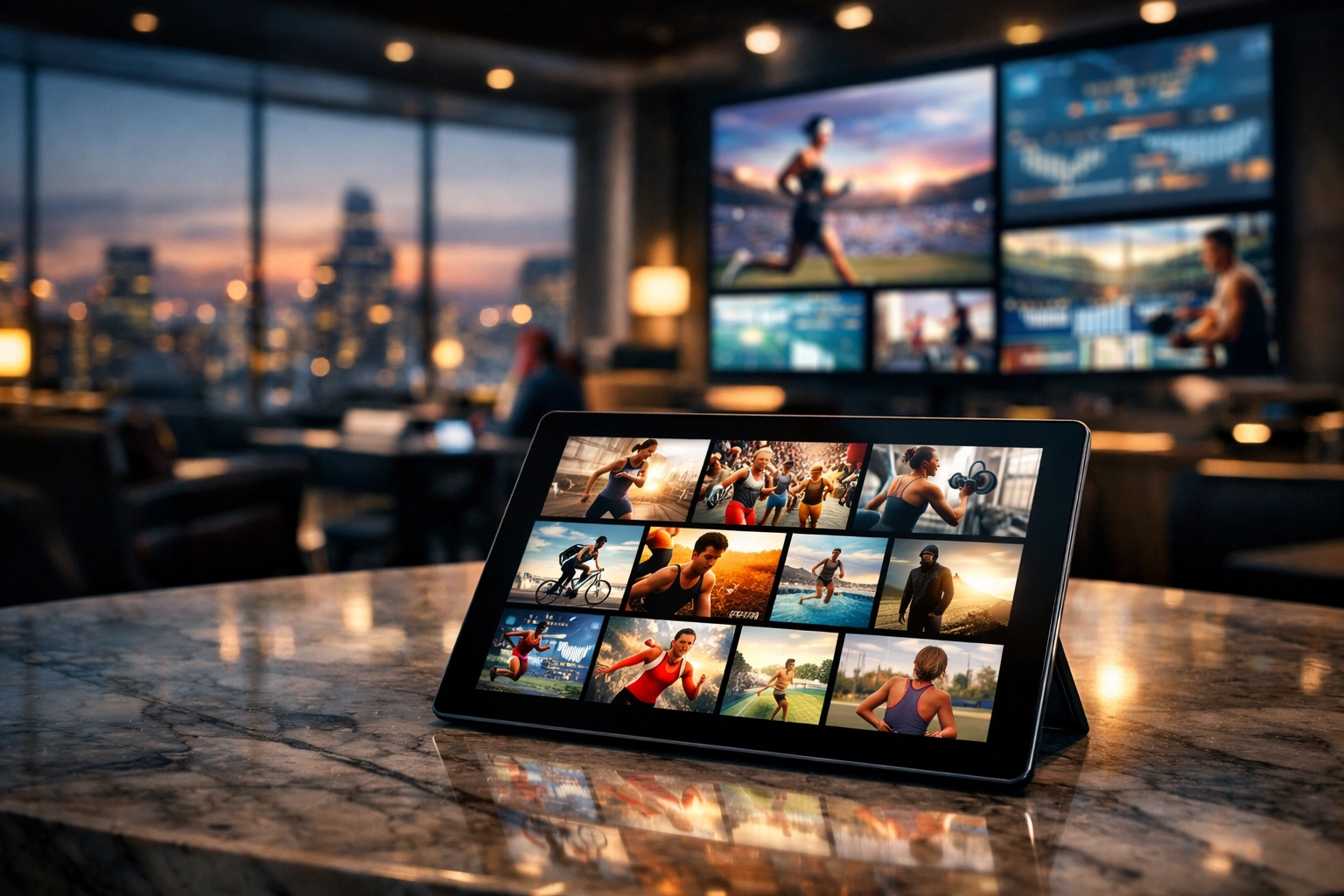
In the high-stakes environment of Super Bowl advertising, measurement is non-negotiable. Media buyers need to see more than just "likes." The OOH Sports NIL platform provides detailed tracking for:
- Engagement Rates: How many people are actually interacting with the athlete's content?
- Sentiment Analysis: Is the conversation around the brand positive or neutral?
- Conversion Metrics: Are users taking the desired action, such as visiting a website or making a purchase?
- Reach and Impressions: What is the total footprint of the 20,000 voices across the entire campaign?
By analyzing these data points, brands can adjust their strategy in real time. If a certain group of athletes is seeing higher engagement, the media plan can pivot to amplify those voices even further. This level of agility is a key differentiator from traditional television buys, where the creative is locked in months in advance.
The Strategic Advantage for Media Buyers
Integrating 20,000 NIL voices into a Super Bowl 2026 media plan is not just about staying current. It is about efficiency. It allows brands to bypass the noise of a crowded commercial break and enter the personal feeds of their target audience.
The move toward authentic reach at scale is a fundamental shift in the advertising industry. As sports advertising is projected to hit 50 billion dollars by 2030, the brands that win will be the ones that master these grassroots connections.

Building a Lasting Connection
The ultimate goal of any Super Bowl campaign is to create a lasting impression. By using 20,000 authentic student-athlete voices, a brand establishes itself as a supporter of the sports community at every level. This builds a level of trust and loyalty that cannot be bought with a single celebrity endorsement.
For media buyers looking to innovate in 2026, the path is clear. Integrating the OOH Sports NIL platform into the Super Bowl media plan provides the scale of a national campaign with the heart of a local one. It is a way to ensure that when the game ends, the brand’s message is the one that stays with the fans.
For more information on how to start planning for Super Bowl LX, visit the OOH Sports contact page or explore our latest blog posts for more industry insights.