
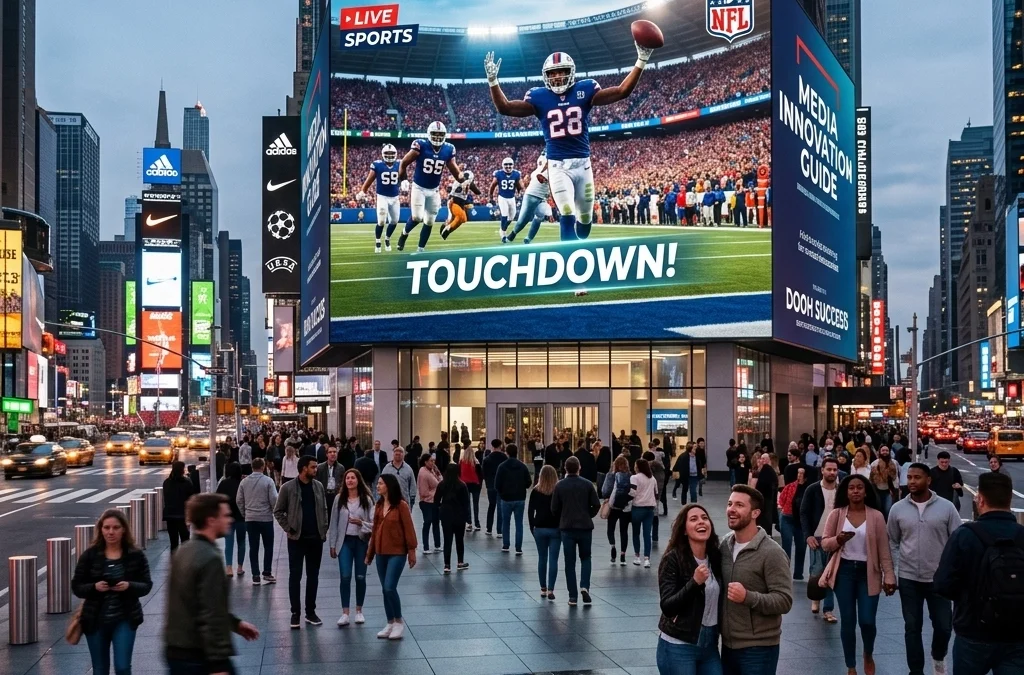
Digital out-of-home (DOOH) advertising has transformed sports marketing from static signage into a high-impact, tech-driven channel that delivers contextually relevant messages across thousands of screens in real-time. This evolution represents a fundamental shift in how brands engage with fans throughout their entire sports consumption journey. For partners and subscribers looking to navigate this landscape, understanding the mechanics of modern digital infrastructure is the first step toward achieving measurable success.
In the current media environment, the traditional boundaries of the stadium have dissolved. Fans are no longer just passive observers within a seating bowl. They are active consumers moving through a complex ecosystem of travel, hospitality, and social hubs. Leveraging a network that spans these locations allows brands to maintain a consistent presence where it matters most.
Understanding DOOH in the Sports Arena
DOOH represents the modernization of out-of-home advertising through networked digital screens capable of flexible, real-time content updates. In the sports sector, this technology allows for a level of agility that was previously impossible. Static billboards have been replaced by vibrant, high-definition displays that can change messaging based on the score of a game, the weather outside the arena, or the specific demographic of the crowd entering a venue.
The OOH Sports network, for example, encompasses more than 25,000 digital screens strategically placed across sports venues, fan congregation points, and high-traffic transit hubs throughout North America. These displays, often referred to as Sportrons, leverage programmatic technology to deliver targeted messaging with the precision of digital advertising combined with the physical impact of traditional signage. This infrastructure ensures that a brand is not just seen, but seen at the optimal moment.
The Strategy: The Extended Fan Journey Approach
A successful DOOH campaign in the sports world does not start and end with a single screen near the locker room. Instead, it utilizes a "surround-sound" advertising strategy that follows the fan through their entire experience. This journey is typically divided into three distinct phases: the arrival, the event, and the celebration.
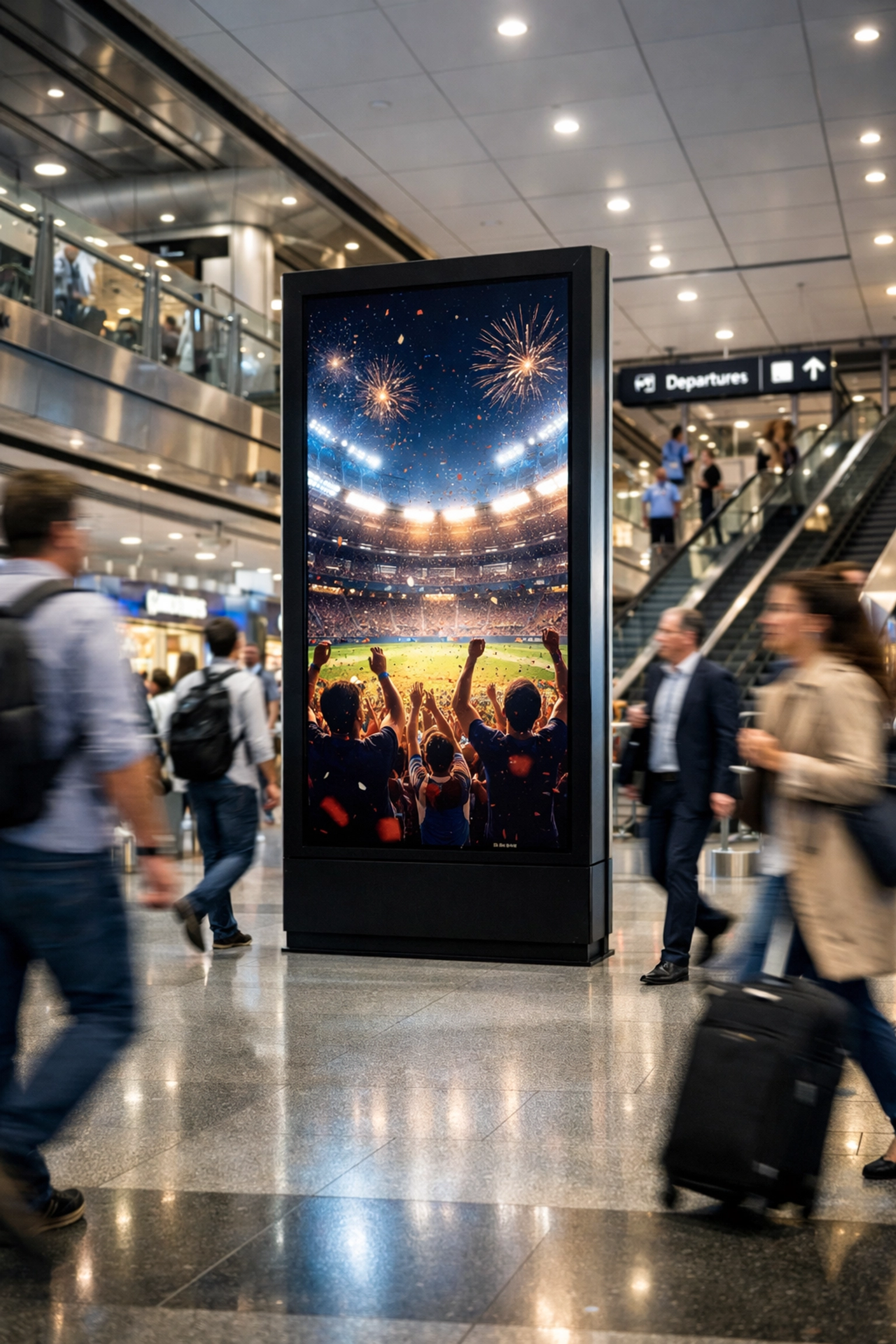
During the arrival phase, messaging is focused on high-traffic areas such as airports, train stations, and partner hotels. As fans travel to see their favorite teams, these screens provide the first point of contact. This phase is critical for establishing brand familiarity before the high-energy environment of the stadium takes over.
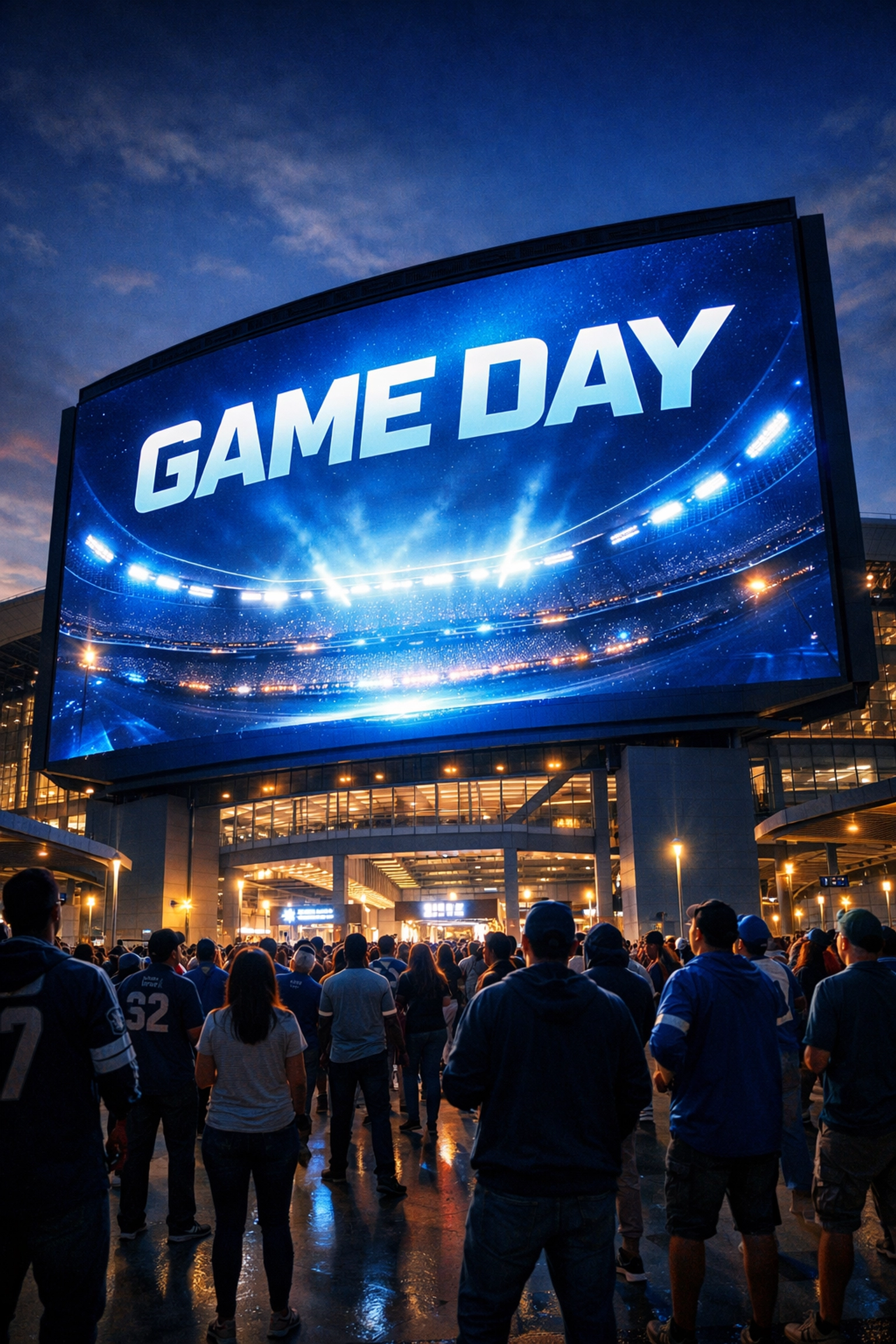
The event phase occurs in and around the venue itself. This includes transit routes to the stadium and digital displays within the concourses. Here, the focus shifts to immediate engagement. Creative content can be synchronized with game-day events, such as "halftime specials" or "victory alerts," creating a sense of urgency and relevance.
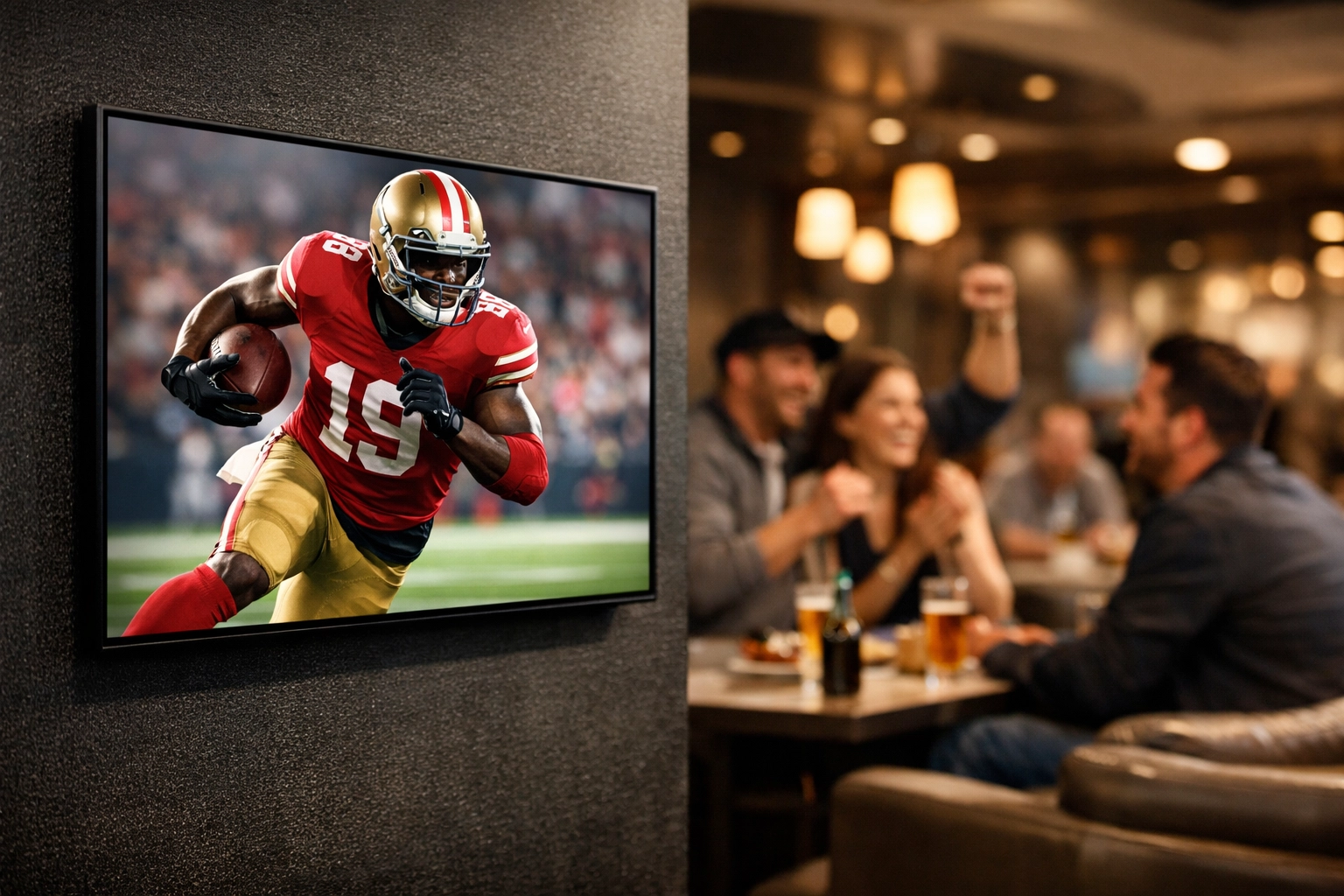
Finally, the post-game or celebration phase targets fans as they move to local bars, restaurants, and retail centers. By maintaining visibility during these high-emotion periods, brands can capitalize on the positive associations fans have with a winning game or a shared social experience.
Creative Contextuality and Engagement
One of the most significant advantages of digital innovation in sports media is the ability to use creative contextuality. Research indicates that messaging tied specifically to the moment, such as referencing the home team or a real-time game event, drives a 2.2x increase in brand recall compared to generic advertising.
When a brand uses dynamic creative, the ad template can serve unlimited variations across different markets and moments. For instance, an ad could automatically update to show the current score of a local rivalry game or offer a discount code if a specific player hits a home run. This level of personalization makes the advertisement feel like a part of the event itself rather than an interruption.
Furthermore, these digital screens function as a physical anchor for broader omnichannel strategies. By using geofencing and device ID capture, advertisers can identify audiences exposed to specific screens and retarget them with follow-up digital messaging on their mobile devices. This seamless connection between physical displays and digital interactions creates a cohesive brand experience that reinforces the message long after the fan has left the stadium.
Technology Partners and Programmatic Integration
The shift toward programmatic DOOH has introduced sophisticated accountability and ease of execution. Specialized platforms, such as the StackAdapt DSP, facilitate programmatic buying. This technology enables real-time bidding and automated ad delivery based on specific triggers.
The automation of these processes means that a marketing team can manage a campaign across hundreds of cities from a single dashboard. Instead of negotiating individual contracts for every billboard, programmatic DOOH allows for the purchase of impressions based on specific audience data. This ensures that the budget is allocated efficiently, targeting the screens most likely to reach the desired fan demographic.
Measurable Results and Case Studies
The success of DOOH in sports is best demonstrated through the data generated by recent high-profile campaigns. Performance is no longer measured by "estimated eyeballs" alone. Instead, modern campaigns use sophisticated attribution models to track brand lift and purchase intent.
- White Claw: During a programmatic DOOH campaign for a new product launch, this brand saw a 74% lift in purchase consideration. By targeting high-traffic areas frequented by their target demographic, the campaign successfully moved consumers from awareness to intent. You can read more about this in their detailed case study.
- AB InBev: Using a similar programmatic approach for Mike’s Hard Iced Tea, the brand achieved a 119% lift in positive brand image. This was accomplished by placing dynamic creative in environments where consumers were already in a "social" mindset, such as bars and sports hubs.
- Sea-Doo: This brand’s first digital OOH campaign resulted in a 144% increase in purchase consideration, demonstrating that even brands traditionally associated with outdoor recreation can find significant value in the sports media network.
These results highlight a consistent trend: when DOOH is used strategically within the sports ecosystem, it delivers a higher return on investment than traditional, non-digital signage. For more examples of how these strategies are applied, the OOH Sports case study library provides a wealth of data-backed insights.
Best Practices for Campaign Success
To maximize the impact of DOOH in sports marketing, several logistical and strategic steps should be followed:
- Coordinate with Event Schedules: Messaging should be aligned with game times and fan behavior patterns. Visibility should be prioritized during peak hours of fan movement.
- Leverage Real-Time Capabilities: Use the digital nature of the network to update creative instantly. Respond to live outcomes or local news to keep the content fresh.
- Integrate Multi-Location Targeting: Do not limit the campaign to the stadium. Combine venue displays with transit and hospitality locations to ensure a consistent brand presence throughout the day.
- Utilize Clear Calls to Action: Incorporate QR codes or branded hashtags. This bridges the gap between physical viewing and digital engagement, allowing for direct attribution.
- Maintain Creative Contextuality: Reference local culture and team dynamics. Fans are more likely to engage with a brand that speaks their "sports language."
The Market Outlook and Future Growth
The trajectory for digital out-of-home advertising in the sports sector is one of rapid expansion. Industry forecasts suggest that DOOH sports advertising will continue its upward trend, potentially reaching 50 billion dollars by 2030. This growth is largely driven by a general digital fatigue among consumers. As people spend more time looking away from their personal devices in public settings, physical media has regained its status as a high-performance channel.
The expansion of networks like OOH Sports directly responds to this trend. By providing the scale and technology infrastructure necessary to meet future demand, the network allows brands to reach audiences that are increasingly difficult to capture through traditional television or social media ads alone.
Implementation Processes
Implementing a DOOH campaign requires a clear understanding of the logistics involved. The process typically begins with identifying the target audience and the specific sports events that align with the brand’s goals. From there, the programmatic platform is used to select the optimal screens within the network.
Once the screens are selected, the creative team develops dynamic assets that can be triggered by specific data points. This could include a "win" creative, a "loss" creative, and a "pre-game excitement" creative. After the campaign goes live, real-time monitoring allows for adjustments to be made on the fly, ensuring that the budget is always being utilized where it has the most impact.
Post-campaign analysis then provides the necessary data to evaluate success. By looking at device ID exposure and brand lift studies, marketers can see exactly how the campaign influenced consumer behavior. This data-driven approach ensures that every dollar spent is an investment in measurable growth.
For those looking to dive deeper into the strategies that drive these outcomes, the OOH Sports blog offers regular updates on the latest trends and technological advancements in the industry. Whether the goal is to increase brand awareness or drive immediate sales, the intersection of sports media and digital innovation offers a powerful tool for any marketing arsenal.
To start planning a campaign or to learn more about the available digital inventory, visit the contact page to connect with a strategy expert. Succeeding in the modern sports landscape requires a blend of physical presence and digital intelligence, a combination that DOOH is uniquely positioned to provide.