
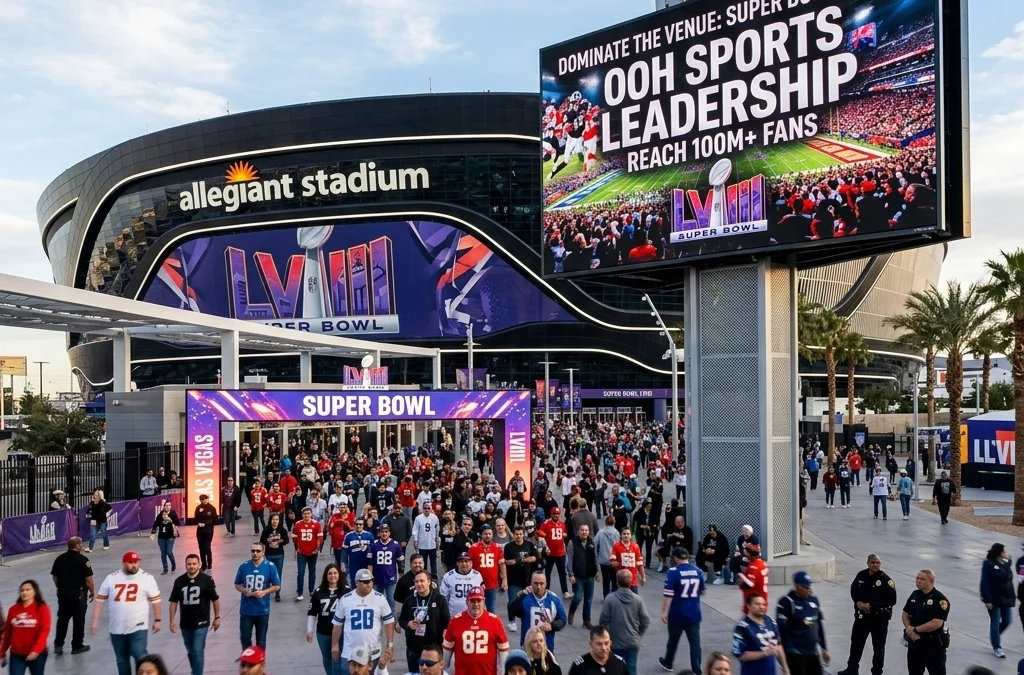
The Super Bowl remains the pinnacle of global advertising. While a 30 second television spot in 2026 costs between $8 million and $10 million, the real battle for brand dominance happens on the ground. For forty years, Dan Kost and the team at OOH Sports have led the industry in transforming how brands interact with fans inside and outside the stadium. This guide explores the evolution of venue dominance and how forty years of leadership have created a blueprint for modern sports marketing.
Forty Years of Advertising Leadership
The journey of OOH Sports began long before digital screens were a standard feature of the fan experience. Forty years of experience in the industry have provided a unique perspective on how to capture attention in high pressure environments. From the early days of static billboards to the current era of programmatic digital out-of-home (DOOH) technology, the objective has remained the same: put the brand where the eyes are.
In 1986, advertising was about physical presence. Today, it is about data, timing, and precision. OOH Sports has transitioned through every major technological shift in the media landscape. This long history allows for a deep understanding of fan behavior. It is not just about having a screen, it is about knowing where that screen needs to be to influence a purchase decision.

From Floors to Billboards: Venue-Wide Coverage
Dominating a venue like the Super Bowl requires more than a single high-profile placement. It requires a saturation strategy that follows the fan from the parking lot to their seat. OOH Sports specializes in venue-wide coverage that includes every available surface.
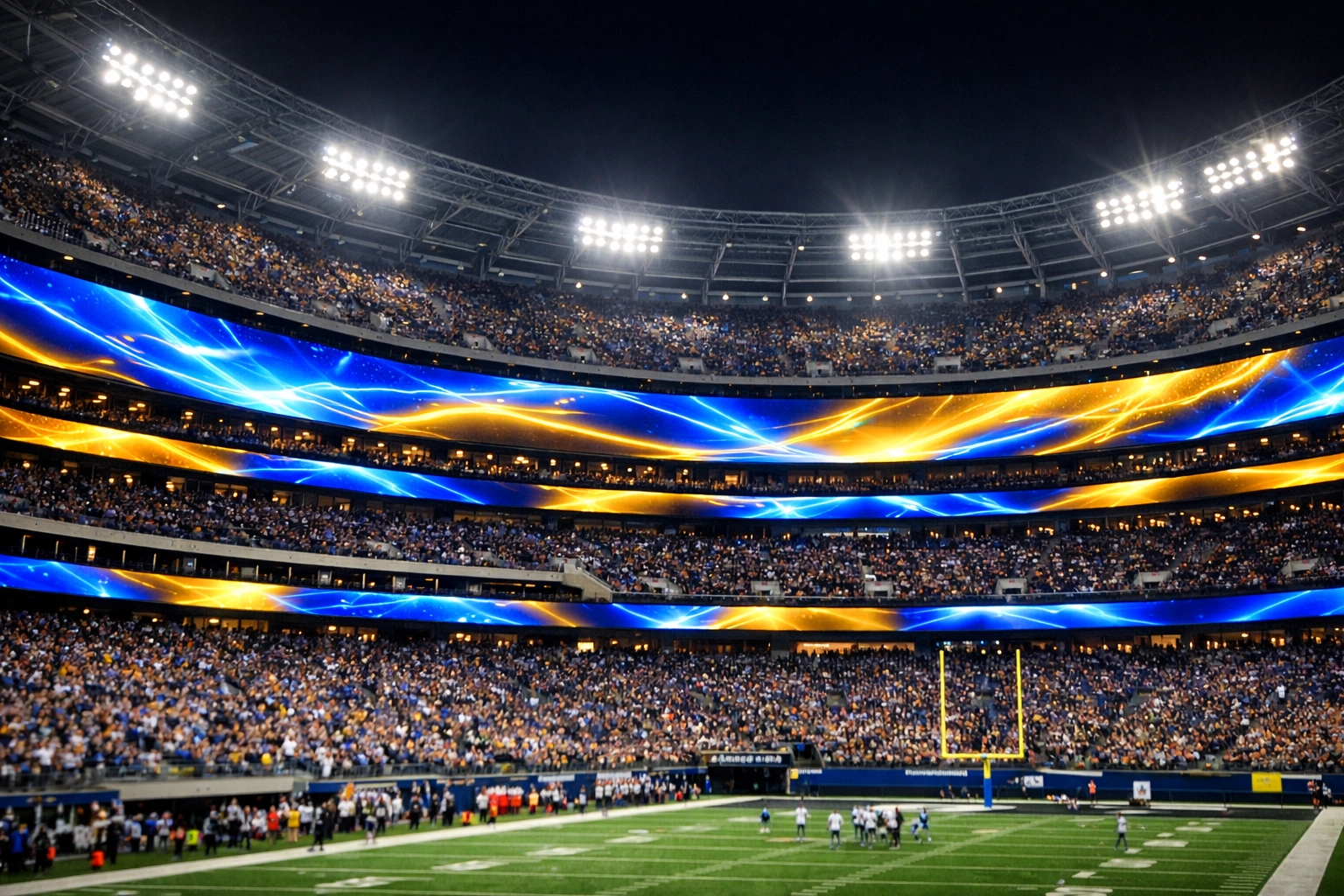
This coverage starts with the stadium perimeter. Before a fan even enters the gates, they are met with large format billboards and digital displays. Once inside, the experience becomes more immersive. Advertising is integrated into the very fabric of the building. This includes floor graphics, elevator wraps, concourse screens, and the high impact digital boards visible from every seat.
The strategy focuses on creating a "brand canopy." By utilizing a network of over 25,000 digital screens, brands can ensure their message is never out of sight. This level of saturation is why many planners are shifting budgets toward these more direct fan engagement opportunities. For more on this shift, visit the sports DOOH gold rush.
The Power of Programmatic DOOH in 2026
By April 2026, the technology behind stadium advertising has reached a level of sophistication that traditional TV cannot match. Programmatic DOOH allows advertisers to buy space in real time based on specific triggers. If a team scores a touchdown, the screens throughout the stadium can instantly update with celebratory creative from a sponsor.
This real-time capability is a game changer for sports betting brands and quick service restaurants. In fact, real-time sports betting campaigns can now be launched and converted in under 24 hours. This agility ensures that the message is always relevant to the current state of the game.
Strategy: How to Dominate the Venue
To achieve true dominance at a major event, a brand must follow a structured approach. OOH Sports utilizes a specific methodology to ensure maximum ROI.
- Perimeter Targeting: Capturing the audience during their arrival. This sets the tone for the brand's presence.
- Point of Sale Proximity: Placing ads near concessions and merchandise stands where spending decisions are made.
- High Dwell Time Areas: Focusing on concourses and lounges where fans congregate during halftime.
- Synchronized Creative: Ensuring the same message appears across all 25,000 screens simultaneously for a "takeover" effect.
Traditional stadium sponsorships are no longer the only way to reach fans. Many brands are finding that digital screens offer better flexibility and more measurable results. To understand the comparison, read more about whether traditional stadium sponsorships are dead.
Measuring Success: Data and Results
In the past, out-of-home advertising was often criticized for a lack of clear measurement. Those days are over. In 2026, OOH Sports uses AI-powered analytics to track exactly how many fans saw an ad and how they reacted.
Recent campaigns have shown significant lifts across various metrics:
- White Claw: Achieved a 74% lift in purchase consideration for a vodka launch using programmatic DOOH.
- AB InBev: Saw a 119% lift in positive brand image for Mike’s Hard Iced Tea.
- Sea-Doo: Increased purchase consideration by 144% through their first digital campaign.
These results prove that venue-based advertising is not just about brand awareness. It is a powerful tool for driving bottom-line growth. For a deeper look at these metrics, check out how AI-powered analytics fix measurement mistakes.
The Visual Impact of Leadership
The following video demonstrates the scale and impact of the OOH Sports approach. It highlights the transition from traditional methods to the tech-driven leadership that defines the company today.
https://www.youtube.com/watch?v=l6J-0zileKE
Avoiding Common Mistakes
Even with the best technology, a campaign can fail if the strategy is flawed. Many marketers make the mistake of focusing too much on the brand and not enough on the fan. A fan-centric approach usually delivers better ROI because it respects the fan's experience at the game.
Common errors include using static creative on digital screens or failing to account for the physical environment of the stadium. Stadium perimeter targeting can fix many of these issues by aligning the message with the fan's journey. Learn more about the 7 mistakes often made with sports DOOH.
Ambush Marketing: The Nike Case Study
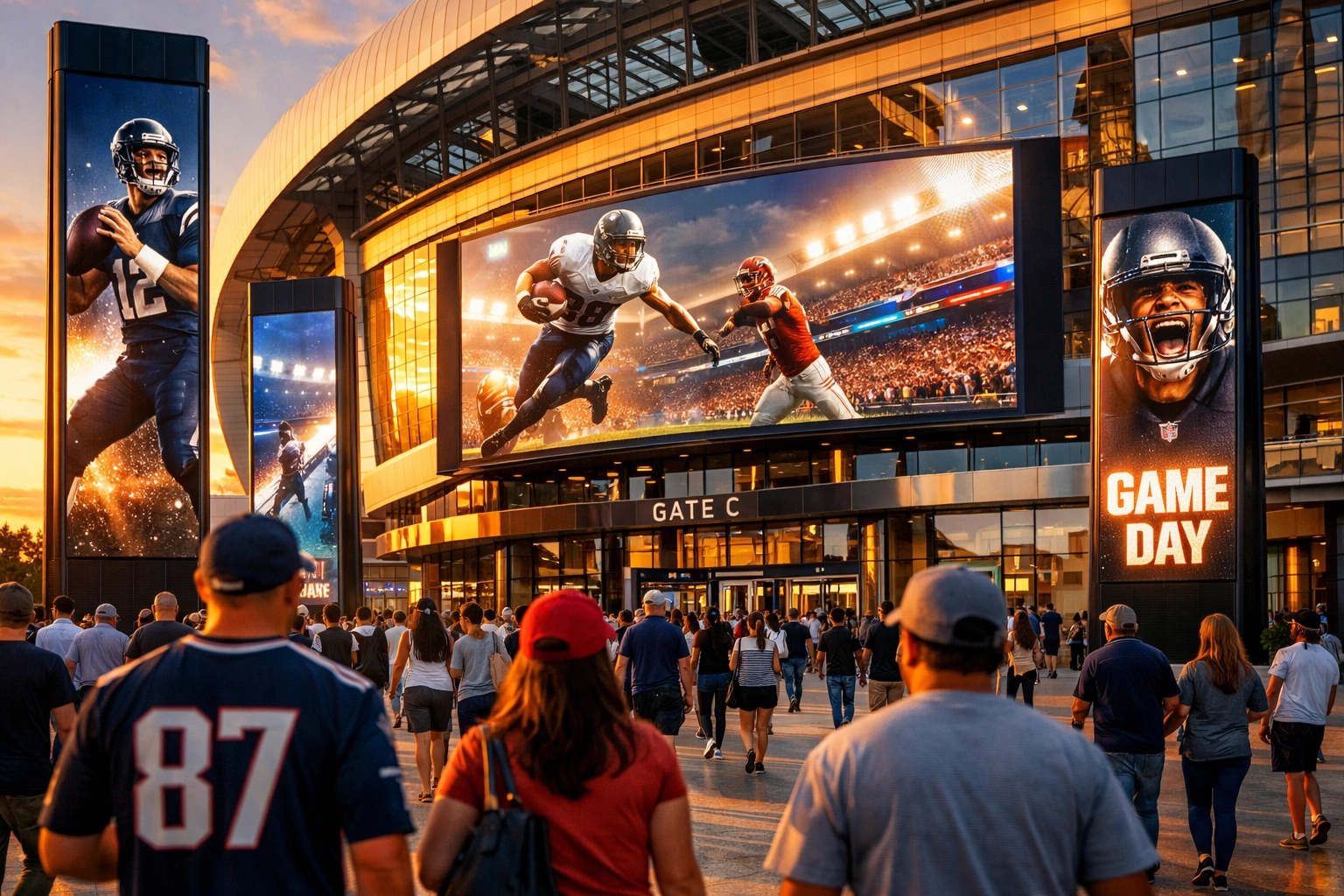
One of the most famous examples of venue dominance without a primary sponsorship came from Nike during the NYC Marathon. While not an official sponsor, Nike utilized strategically placed OOH ads to own the conversation. To the average fan, it appeared as if Nike was the lead sponsor. This same "ambush" strategy can be applied to the Super Bowl. By securing the most visible digital screens surrounding the venue, a brand can dominate the visual landscape without the $100 million price tag of an official league partnership. Detailed insights on this can be found in the article regarding Nike’s NYC Marathon strategy.
The Future: Heading Toward 2030
The sports advertising industry is on a massive growth trajectory. Experts predict that DOOH sports advertising will hit $50 billion by 2030. Some estimates even suggest it could reach $58 billion as real-time strategies become the standard.
OOH Sports is positioned at the forefront of this growth. By continuing to innovate with AI-powered creative and expanded venue networks, the company ensures that its clients are prepared for the next decade of sports marketing. For those looking to capture their share of this market, understanding 7 strategies to capture your share of the $50 billion is essential.
Conclusion
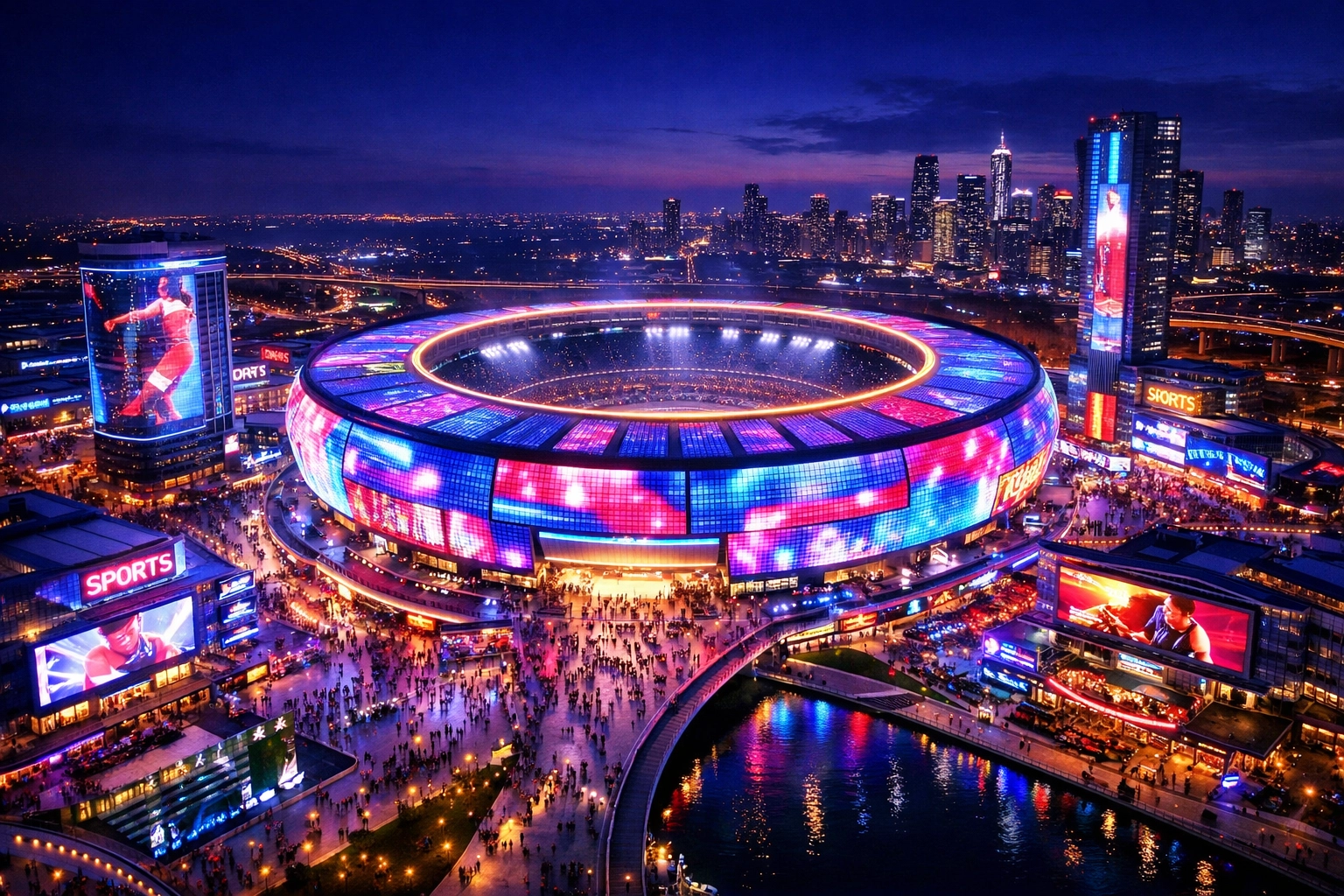
Dominating the Super Bowl venue requires a blend of historical expertise and cutting edge technology. With forty years of leadership, OOH Sports provides the infrastructure and the insight needed to turn a stadium into a brand's personal playground. From the parking lot to the floor of the stadium, every screen is an opportunity to connect with a passionate audience.
By prioritizing data, leveraging programmatic flexibility, and maintaining a fan-centric focus, brands can achieve results that far exceed traditional media placements. The era of guessing the impact of a billboard is over. In 2026, the venue belongs to those who know how to use the tech to tell a story.
To explore more about how OOH Sports can elevate a campaign, visit the official sitemap or review the latest case studies.