
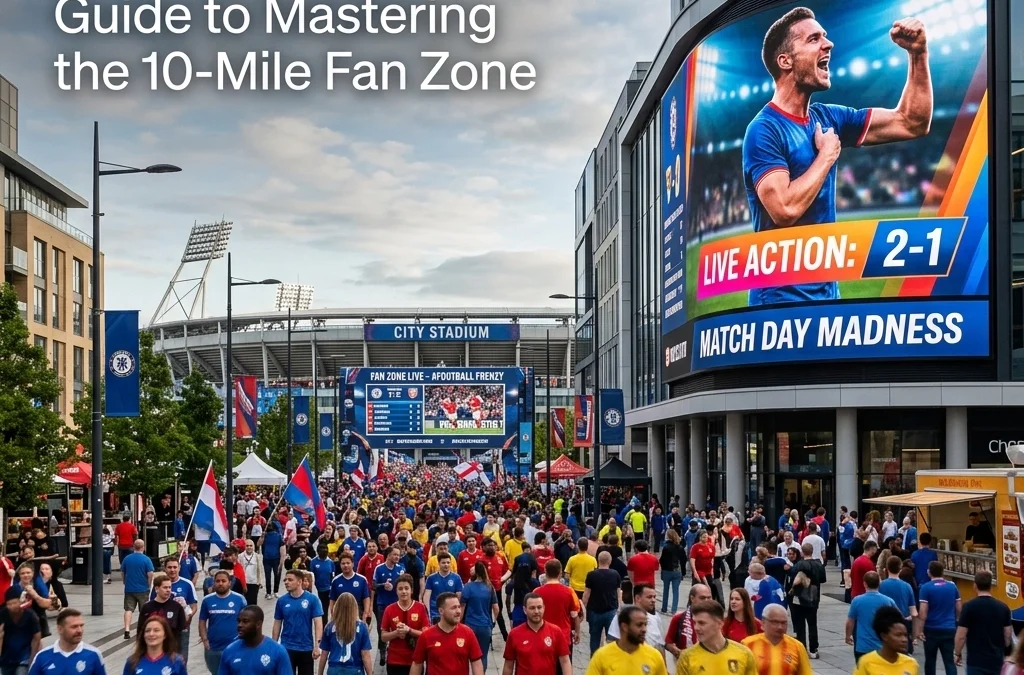
The landscape of sports marketing is undergoing a significant transformation. As digital out-of-home (DOOH) advertising moves toward a projected 50 billion dollar industry by 2030, media planners are looking beyond the stadium walls to capture audience attention. The most effective strategy currently emerging is the mastery of the 10-Mile Fan Zone. This geographical radius surrounding a stadium or arena represents a high-concentration area of target consumers who are actively engaged, mobile, and ready to spend.
By shifting from simple inventory buying to audience-led planning, brands can reach fans during the critical hours before and after a sporting event. This guide explores the latest DOOH trends and technical strategies required to dominate the 10-mile radius.
The Strategy of Proximity and Purpose
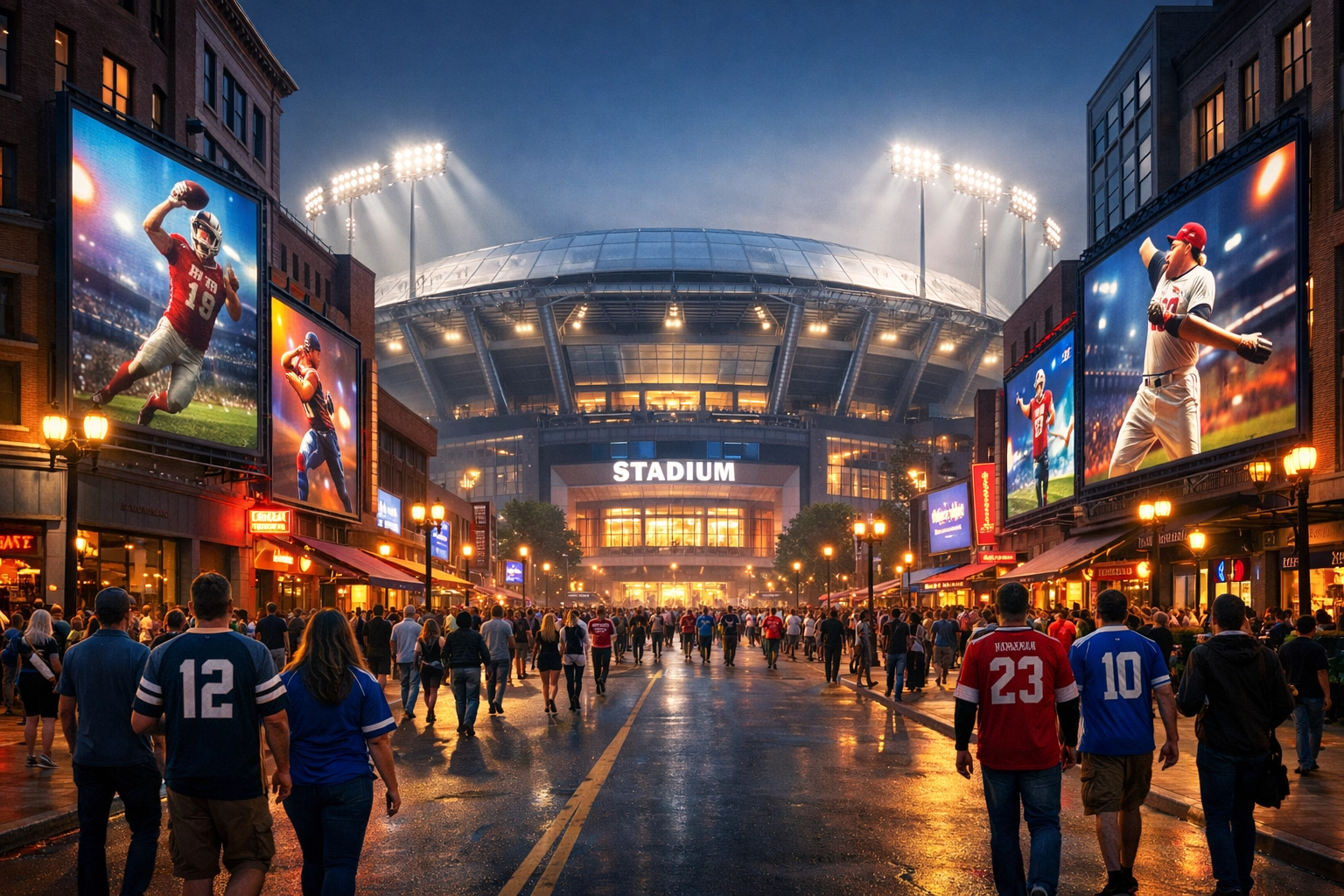
In the past, out-of-home advertising was often viewed as a broad awareness tool. Today, the 10-Mile Fan Zone strategy treats DOOH as a precision instrument. The objective is to surround the fan journey. This journey begins at transit hubs, continues through retail centers and bars, and culminates near the venue.
Research indicates that nearly 40 percent of global out-of-home revenue is now digital. This shift allows for greater accountability and structured planning. Instead of a static billboard that remains the same for a month, media planners now use programmatic digital out-of-home (pDOOH) to activate screens based on specific triggers. For a sports campaign, these triggers might include game start times, local weather conditions, or real-time score updates.
Objective and Tactical Execution
The primary objective of a Fan Zone campaign is to drive full-funnel results. While brand awareness is a natural byproduct of large-format digital screens, modern campaigns are increasingly focused on purchase consideration and intent.
To execute this effectively, media planners should consider the following tactics:
- Point-of-Purchase Alignment: Activating screens in convenience stores and liquor stores within the 10-mile radius. This is particularly effective for beverage brands looking to capture last-minute "tailgate" sales.
- Contextual Creative: Using dynamic creative optimization (DCO) to change the ad copy based on the opponent, the current score, or even the traffic levels around the stadium.
- Mobile Retargeting: Using device IDs exposed to the DOOH screens to serve follow-up mobile ads. This creates a connected customer experience that bridges the physical and digital worlds.
A notable example of proximity-based success can be seen in how major brands handle high-traffic events. For instance, while not an official sponsor of the NYC Marathon, Nike utilized strategic positioning to maintain a dominant presence in the minds of spectators and runners alike. This type of "ambush marketing" via DOOH is a cost-effective way to gain share of voice without the high cost of official league sponsorships. More details on this strategy can be found at https://oohsports.com/2025/01/21/nike-wasnt-an-official-sponsor-of-the-nyc-marathon-but-youd-never-know-it.
Technology Partners and Programmatic Adoption
The rise of programmatic technology is the engine behind the 10-Mile Fan Zone. Demand-side platforms (DSPs) like StackAdapt have been instrumental in driving DOOH adoption by allowing planners to buy OOH inventory with the same ease as digital display or video.
Programmatic buying offers several advantages for sports advertising:
- Flexibility: Campaigns can be turned on or off instantly based on the relevance of the event.
- Efficiency: Planners only pay for impressions delivered during peak fan activity hours.
- Data Integration: Third-party data can be used to target specific fan demographics, such as "avid NFL followers" or "college basketball enthusiasts."
Detailed insights into how these platforms function are available through the OOH Sports blog, specifically regarding the role of specialized DSPs in omnichannel campaigns.

Quantifiable Results: Case Studies in Sports and Lifestyle
The effectiveness of DOOH in the sports and lifestyle sector is best illustrated through data-driven results. When brands focus on the immediate environment of their target audience, the lift in brand metrics is often substantial.
Case Study: Beverage Category Performance
In a recent campaign for White Claw, pDOOH was utilized to launch a new vodka product. By targeting key social areas and retail locations, the campaign achieved a 74 percent lift in purchase consideration. This success demonstrates that DOOH is no longer just for "top of mind" awareness but is a powerful tool for moving consumers down the funnel. The full breakdown of this campaign is available at https://oohsports.com/2024/09/21/white-claws-programmatic-digital-out-of-home-campaign-drives-74-lift-in-purchase-consideration-for-vodka-launch.
Similarly, AB InBev’s Mike’s Hard Iced Tea saw a 119 percent lift in positive brand image by utilizing a programmatic approach. These results highlight the importance of being present in the "moments that matter," such as the hours leading up to a major kickoff.
Case Study: Seasonal and High-Interest Products
Sea-Doo also leveraged DOOH to increase purchase consideration by 144 percent. By identifying where their outdoor-loving audience lived and traveled, they were able to place ads on high-impact digital screens that resonated with the consumer's lifestyle. This methodology is directly applicable to the 10-Mile Fan Zone, where the "fan lifestyle" is the primary target.
Measuring Impact and Attribution
One of the most significant trends in DOOH for 2026 and beyond is the move toward sophisticated measurement. Media planners are no longer satisfied with "estimated impressions." They now require concrete data on brand lift and foot traffic.
Measurement methodologies typically include:
- Brand Lift Studies: Surveying exposed versus unexposed audiences to measure changes in awareness, favorability, and intent.
- Foot Traffic Attribution: Tracking anonymized mobile location data to determine if a consumer visited a retail location or stadium after being exposed to a DOOH ad.
- Sales Lift: Correlating ad exposure with regional sales data to determine return on ad spend (ROAS).
For those interested in exploring technical implementation and specific outcomes, the OOH Sports case study page provides a library of results-driven documentation.
Strategic Checklist for the 10-Mile Fan Zone
When planning a campaign within the 10-mile radius of a sports venue, the following steps ensure maximum impact:
- Map the Fan Journey: Identify the primary transit routes, parking structures, and "pre-game" districts.
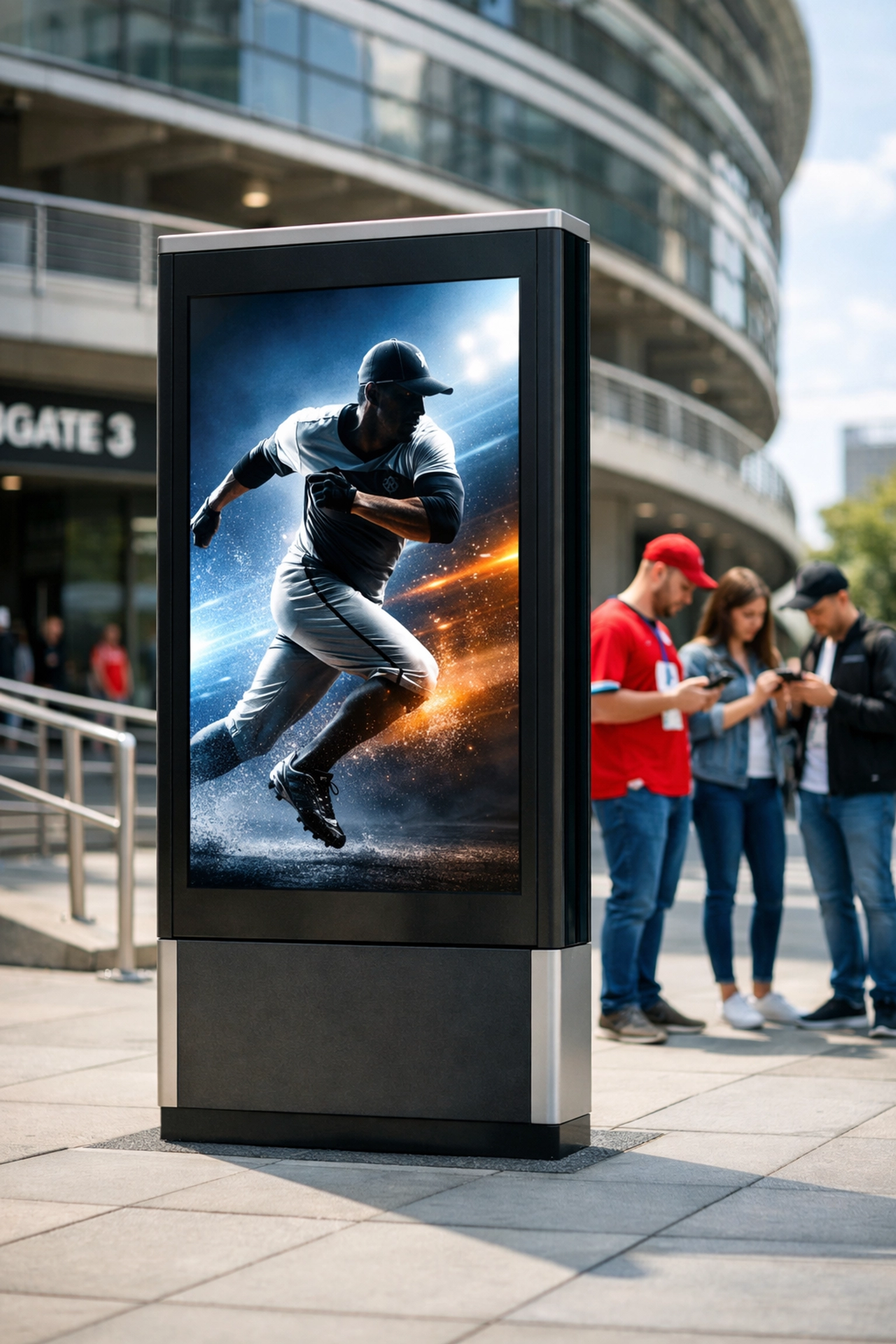
- Select Diverse Inventory: Mix high-impact digital billboards with "street level" screens like urban panels, transit shelters, and retail kiosks.
- Implement Time-Parting: Weight the budget heavily toward the four hours prior to the event and the two hours following the event.
- Use Dynamic Creative: Feature relevant team colors, local slogans, or real-time event updates to increase engagement.
- Coordinate with Digital: Ensure the DOOH creative aligns with the social media and search ads fans will see on their phones while at the game.
The Future of Sports DOOH
The future of the 10-Mile Fan Zone lies in even deeper integration with technology. Expect to see more use of augmented reality (AR) triggered by DOOH screens, and an increase in the use of Sportrons, specialized digital displays designed for high-traffic sports environments. Information on these specialized units can be found at https://oohsports.com/sportrons.
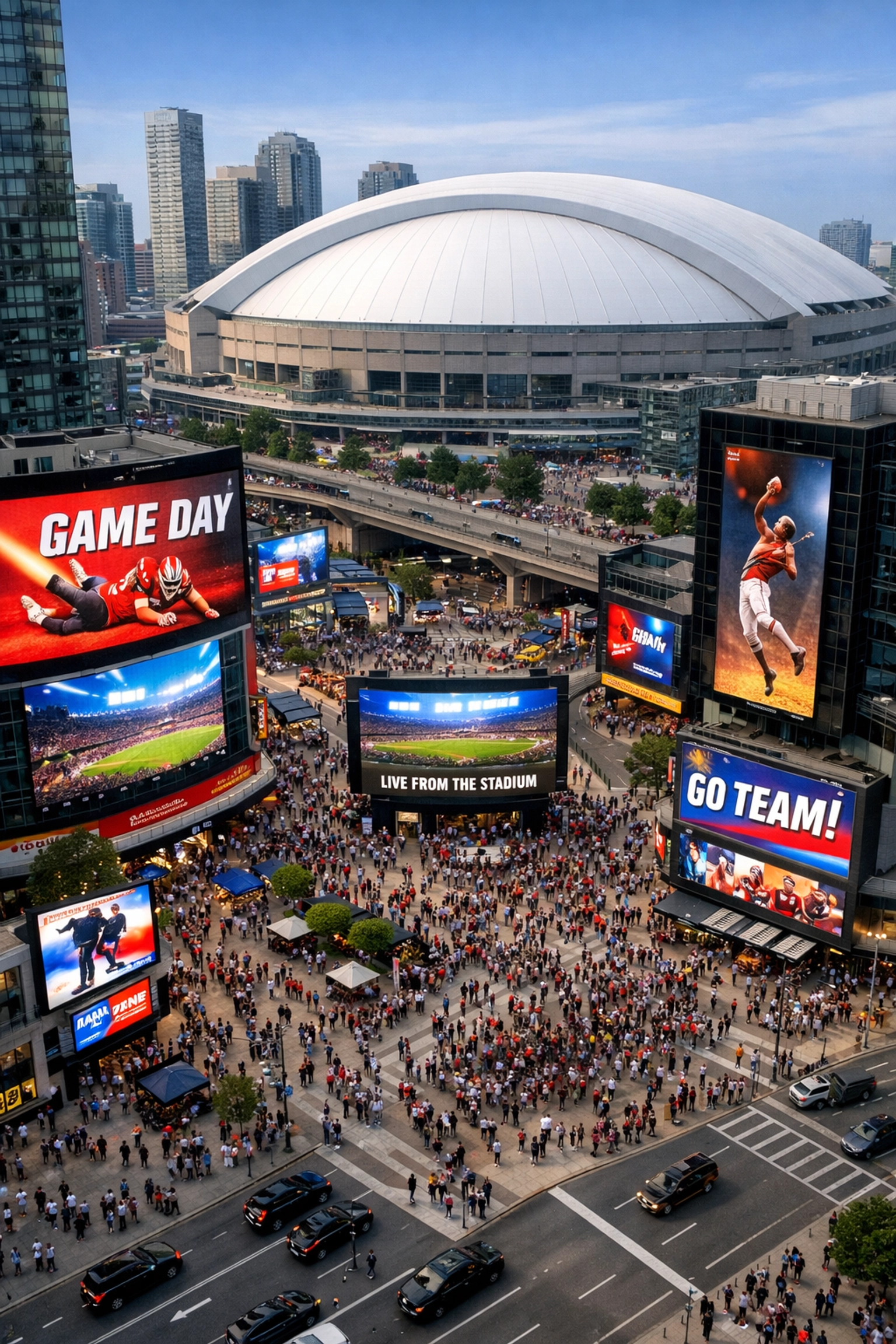
As the industry moves toward a $50 billion valuation, the brands that win will be those that treat the city as their stadium. By mastering the 10-mile radius, media planners can ensure their message is not just seen, but acted upon during the high-energy window of a sporting event.
For further information on marketing strategies and company policies, please visit https://oohsports.com/marketing or contact the team at https://oohsports.com/contact. Understanding the terms of service and privacy policy is also recommended for partners looking to engage in data-driven programmatic campaigns.
The 10-Mile Fan Zone is more than a geographic area. It is a state of mind for the consumer and a massive opportunity for the advertiser. With the right technology and a focus on audience-led planning, DOOH continues to be the most impactful way to reach the modern sports fan.