

Stadium perimeter advertising has transitioned from a background element to a sophisticated, data driven powerhouse of brand building. For Creative Directors and Chief Marketing Officers looking to cut through the noise of digital fatigue, the sports stadium offers a unique environment where the audience is not just captive but emotionally invested. Unlike traditional television commercials or skipable web banners, perimeter advertising integrates directly into the visual narrative of the event.
Understanding the mechanics of this medium is essential for brands that want to maximize their presence in the high stakes world of sports. The following ten insights outline why perimeter advertising remains one of the most effective tools for achieving authentic fan engagement and long term brand loyalty.
1. Non Intrusive Exposure Creates Positive Associations
Traditional advertising often relies on interruption. A commercial breaks the flow of a movie, or a pop up blocks a news article. Perimeter advertising operates on a different principle. It exists naturally within the viewing experience without stopping the action. Because the brand is present during moments of entertainment and joy, fans develop a positive association with the logo. It is seen as a supporter of the game rather than an obstacle to it. This seamless integration ensures that brand messaging is absorbed in a low stress, high enjoyment environment.
2. Frequency Compounds Recall Through Every Camera Angle
The repetition of perimeter boards is one of its greatest strengths. During a typical ninety minute match, a brand may appear on screen for a significant portion of the broadcast. Research indicates that a single minute of perimeter advertising can translate to hours of visibility when accounting for different camera angles, wide shots, and close ups on players. This extreme frequency compounds brand recall. By the end of the event, the brand is firmly etched into the viewer's subconscious without the viewer ever feeling bombarded.
3. Visual Simplicity is the Key to Impact
The most successful perimeter campaigns prioritize clarity. In a fast moving sporting environment, complex messages are often lost. CMOs should focus on high contrast colors, bold logos, and minimal text. Using technology like Sportrons allows for dynamic transitions and vibrant colors that draw the eye without distracting from the play. The goal is to create a visual "anchor" that the brain recognizes instantly, even in the periphery of a high speed action shot.

4. Multi Channel Integration Extends Reach
A perimeter board is no longer just for the people in the stands. It is a multi channel asset. When a spectacular goal or a game winning play is captured, that footage is shared across television news, social media platforms, and mobile apps. The brand on the perimeter board travels with that content wherever it goes. This creates an exponential multiplier effect on the original investment. A single moment of brilliance on the pitch can result in millions of impressions across global digital channels, all featuring the brand in the background.
5. Dynamic Targeting Through Digital Board Replacement
One of the most significant technological shifts in sports marketing is Digital Board Replacement (DBR). This technology allows different brands to occupy the same physical space on the LED boards depending on where the broadcast is being viewed. For example, a fan watching in London might see an ad for a local bank, while a fan in New York watching the same match sees an ad for a domestic telecommunications provider. This level of personalization ensures that the content is always relevant to the audience, increasing engagement and conversion rates.
6. Emotional Resonance at the Point of Action
Sports are defined by high stakes and intense emotions. When a brand is visible during a penalty kick, a last second shot, or a celebratory hug, it becomes part of that emotional memory. This is known as emotional stickiness. By positioning a brand at the perimeter, it effectively "borrows" the excitement of the game. This creates a lasting bond that traditional out of home advertising in a quiet subway or a busy street cannot replicate.

7. Social Media Amplification and the Viral Loop
In the modern era, every fan is a content creator. Hundreds of smartphones are constantly recording the action from the stands. When these videos are uploaded to social platforms, the perimeter advertising is often the most visible branding in the frame. This organic, user generated content provides a level of authenticity that paid influencer posts often lack. The brand becomes a background character in the fan’s personal story of the match day, appearing in TikToks, Instagram Reels, and Twitter highlights.
8. Strategic Placement and Field Positioning
Not all spots on the perimeter are created equal. Data analysis shows that certain areas of the pitch receive more broadcast time than others. For example, the boards behind the goals or those directly opposite the main camera gantry are prime real estate. Creative directors should work with specialists to identify these "hot zones" to ensure their creative assets are positioned where the action is most likely to happen. This strategic approach ensures the highest possible Return on Objective (ROO).
9. Reaching a Diverse and Engaged Demographic
Sports fans are a diverse but highly engaged demographic. They are passionate, loyal, and often have higher than average brand affinity. Perimeter advertising allows brands to reach this audience in a state of high attention. Unlike casual browsing, watching a sports event requires focus. By appearing on the perimeter, brands are tapping into a concentrated stream of attention, ensuring that the marketing message is not just seen, but noticed.
10. Long Term Presence and Cumulative Equity
Brand equity is built over time through consistency. Engaging in season long perimeter advertising creates a sustained presence that embeds the brand into the fabric of the sport. Fans begin to expect the brand’s presence, viewing it as a permanent fixture of their favorite team's environment. This cumulative effect builds a deep level of trust and familiarity that is essential for driving long term purchase intent and customer loyalty.
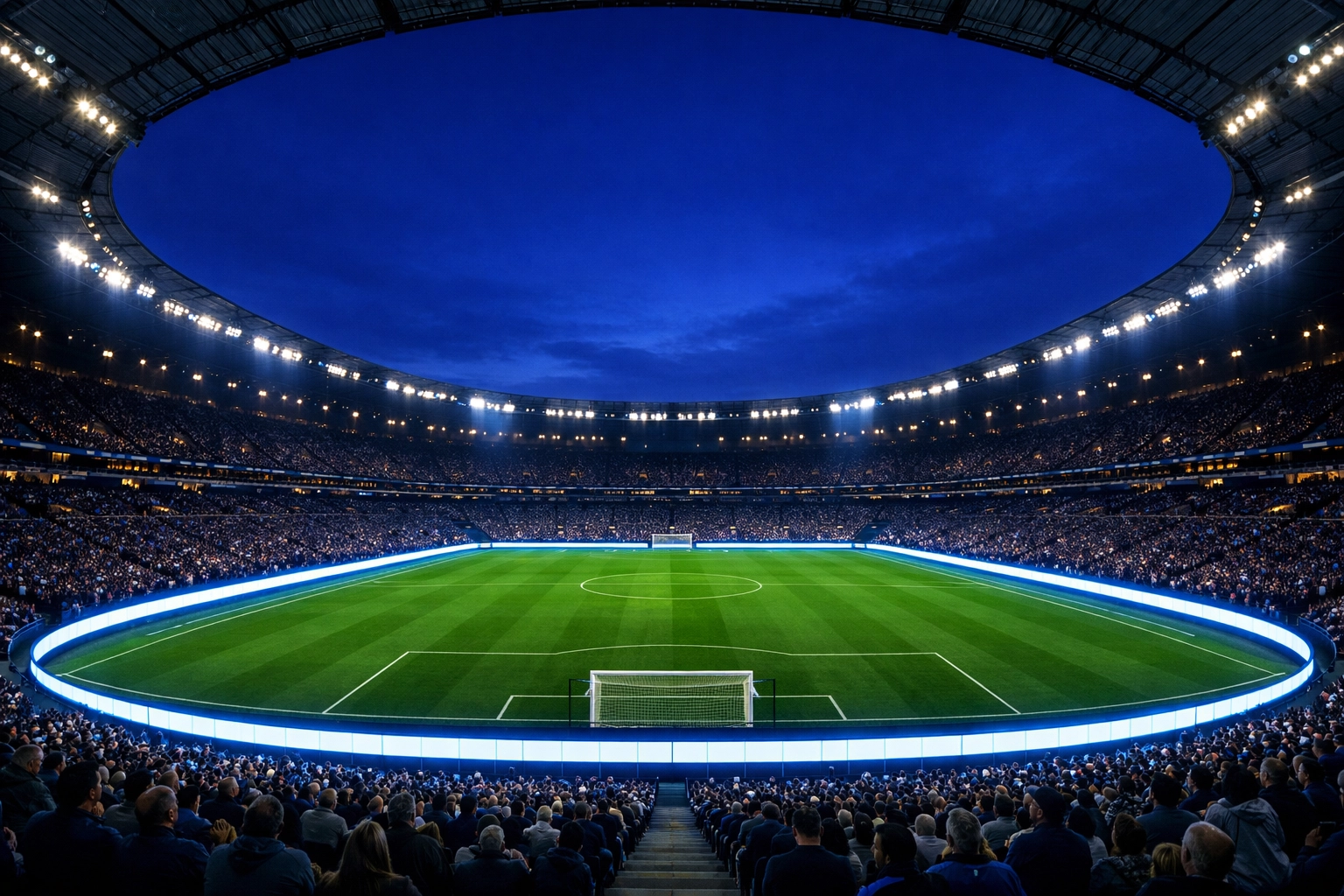
The Strategy Behind the Tech: Sportrons and DOOH
To execute these strategies effectively, brands often utilize Digital Out Of Home (DOOH) platforms that offer flexibility and precision. The use of high definition LED systems, often referred to as Sportrons, has revolutionized the creative possibilities. These systems support full motion video and high frame rate animations, allowing for more creative freedom than static boards ever could.
A successful execution often involves a programmatic approach. Programmatic DOOH allows CMOs to buy inventory based on specific triggers, such as weather conditions, match importance, or audience demographics. This data driven method ensures that the right message reaches the right audience at the most impactful moment. Detailed information on these tactics can be found on the OOH Sports blog, which covers various case studies regarding high impact campaigns.
Measuring the Impact of Perimeter Advertising
While the emotional impact of a stadium ad is clear, modern marketing requires hard data. Advertisers now use a variety of tools to measure the effectiveness of perimeter campaigns.
- Brand Lift Studies: These surveys measure changes in brand awareness, favorability, and purchase intent among fans who were exposed to the advertising compared to those who were not.
- Device ID Tracking: By using anonymous device IDs, marketers can track if fans who were present at the stadium later visited the brand’s website or physical store.
- Broadcast Analytics: Sophisticated software tracks every second a brand appears on screen during a broadcast, providing a clear dollar value for the earned media.
These metrics allow brands to justify the investment and refine their creative strategies for future campaigns. By looking at the data, it becomes clear that the combination of high visibility and emotional context leads to a significant increase in brand preference.

Conclusion: Why Perimeter Advertising is Evergreen
In an era where digital privacy regulations are tightening and consumer attention is more fragmented than ever, the stadium remains one of the few places where a brand can achieve massive, undivided attention. Perimeter advertising is not just about placing a logo on a board, it is about participating in a cultural moment.
For more information on how to leverage these strategies for your next campaign, visit the OOH Sports website or reach out via the contact page. Understanding the nuances of fan engagement is the first step toward building a brand that is not just seen, but remembered long after the final whistle blows.