
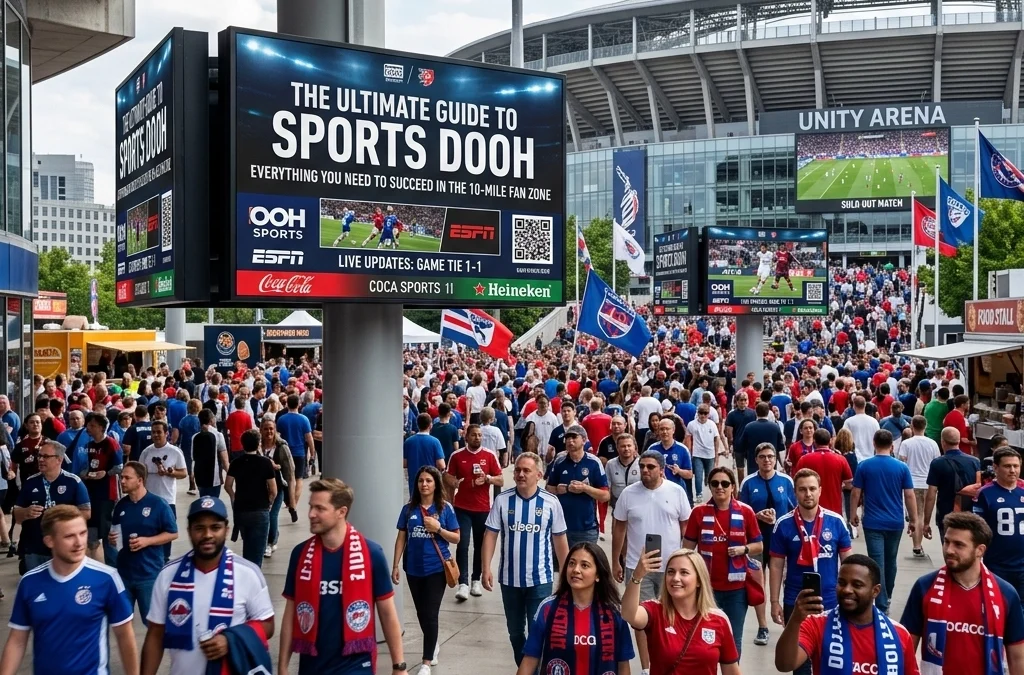
The roar of the crowd inside a stadium is powerful, but for modern brands, the real opportunity exists far beyond the turnstiles. While official sponsorships and stadium signage are traditional staples, they often come with high price tags and limited reach. The modern fan experience does not start at kickoff and end at the final buzzer. It begins hours earlier at the grocery store and continues long after the game ends at local bars and transit hubs.
This geographic and psychological space is what experts call the 10-Mile Fan Zone. It represents the radius where fans live, shop, commute, and celebrate during a game day. To truly capture the attention of this high intent audience, media buyers and brand managers are increasingly turning to Digital Out of Home (DOOH) advertising. By leveraging a network of digital screens, brands can surround the stadium without ever needing to buy an official sponsorship.
What is the 10-Mile Fan Zone?
The 10-Mile Fan Zone is the strategic geographic area surrounding a major sporting venue. Within this radius, the population density of sports fans increases significantly on game days. These fans are not just sitting in the stands. They are walking through transit hubs, buying snacks at convenience stores, and gathering in sports bars.
Traditional stadium advertising focuses on the captive audience inside. However, DOOH allows a brand to own the entire journey. By placing messaging on digital billboards, urban panels, and retail screens within this 10-mile radius, a brand creates a surround-sound effect. This strategy ensures that the brand is the first thing a fan sees when they head to the game and the last thing they see when they go home.
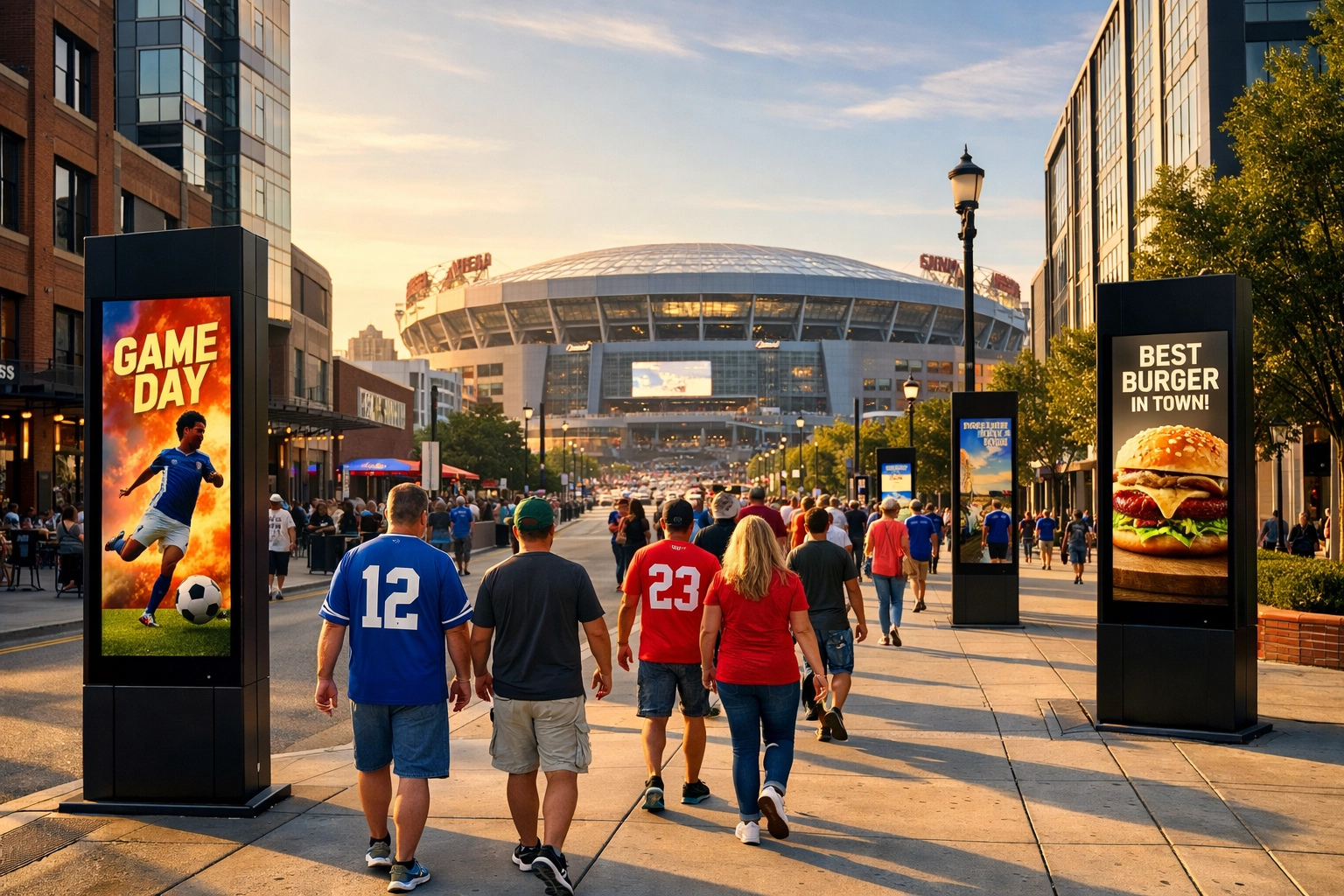
The Strategic Importance of the Pre-Game Phase
The hours leading up to a game are a prime time for consumer decision-making. Fans are in a "planning and preparation" mindset. They are visiting big box retailers for tailgating supplies, stopping at liquor stores for beverages, and using public transportation to reach the venue.
Research into programmatic DOOH campaigns shows that targeting fans during this phase yields significant results. For example, a recent study on beverage launches showed that programmatic campaigns in these environments can lead to a 74 percent lift in purchase consideration. You can see how these metrics play out in real world scenarios here: White Claw Programmatic DOOH Success.
During this phase, the objective is to become part of the fan’s ritual. If a fan sees a digital ad for a specific snack while they are walking into a grocery store three miles from the stadium, the path to purchase is incredibly short. This is the power of proximity combined with the excitement of a live event.
Winning the Game Time Window
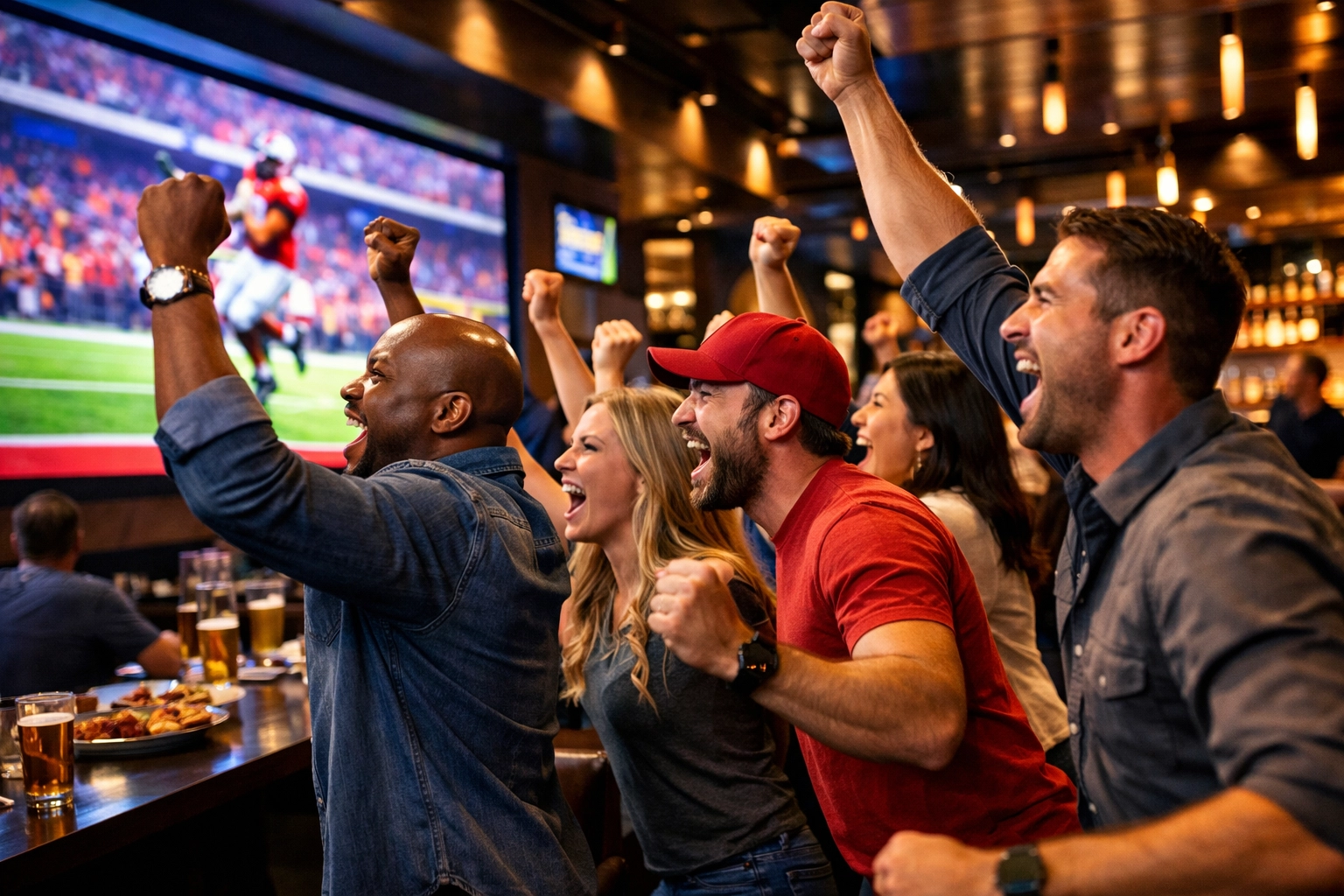
Once the game starts, the 10-Mile Fan Zone shifts. While many fans are inside the stadium, thousands more are in the immediate vicinity at "watch spaces." These include sports bars, restaurants, and community viewing areas. These fans are often just as engaged as those in the front row, but they are more reachable through digital screens.
For brands, this is the time to utilize Dynamic Creative Optimization (DCO). This technology allows digital ads to change in real time based on what is happening in the game. If the home team scores, the digital screens in the local area can immediately update with a celebratory message. This level of relevance is impossible with traditional static billboards.
Using real time triggers creates a deep emotional connection. A brand that celebrates a win alongside the fans is viewed as a participant in the culture rather than just an advertiser. Strategic use of DOOH in these environments has been shown to increase positive brand image by over 100 percent in some categories. For a deeper look at brand image lift, refer to this analysis: AB InBev Brand Image Growth.
The Post-Game Momentum
The 10-Mile Fan Zone does not disappear when the clock hits zero. Whether fans are celebrating a victory or commiserating over a loss, they remain in the area. They head to transit hubs, grab late-night meals, or stop at convenience stores on their way home.
The post-game phase is an excellent time for brand reinforcement and direct-to-consumer calls to action. Advertisements can pivot from "Get ready for the game" to "Keep the celebration going." This phase is particularly effective for apparel brands, lifestyle products, and even automotive companies looking to stay top of mind. For instance, the Sea-Doo campaign demonstrated how a first-time DOOH execution could increase purchase consideration by 144 percent by reaching the right outdoor enthusiasts at the right time. Details on that campaign can be found here: Sea-Doo DOOH Campaign Results.
Why Programmatic DOOH is the Secret Weapon
The shift from traditional Out of Home to programmatic DOOH (pDOOH) is the biggest driver of success in the 10-Mile Fan Zone. Programmatic technology allows media buyers to purchase screen time based on specific triggers rather than just buying a fixed loop of ads.
1. Precision Targeting
Instead of buying every screen in a city, brands can target only the screens within the 10-mile radius of a specific stadium during the four hours before a game. This reduces waste and ensures the budget is focused on the highest value impressions.
2. Real-Time Flexibility
If a game is delayed due to weather, a programmatic campaign can be paused or adjusted instantly. This ensures that the message remains relevant to the actual fan experience on the ground.
3. Cost Efficiency
Programmatic DOOH often allows for smaller entry points than massive stadium sponsorships. This democratizes sports marketing, allowing mid-sized brands to compete with global giants for the same fan attention. Industry experts forecast that this sector of advertising will reach massive heights in the coming years. You can learn more about these projections here: Sports DOOH Growth Strategies.
Strategic Locations Within the Zone
To succeed in the 10-Mile Fan Zone, brands must diversify their screen selection. A balanced campaign includes several types of inventory:
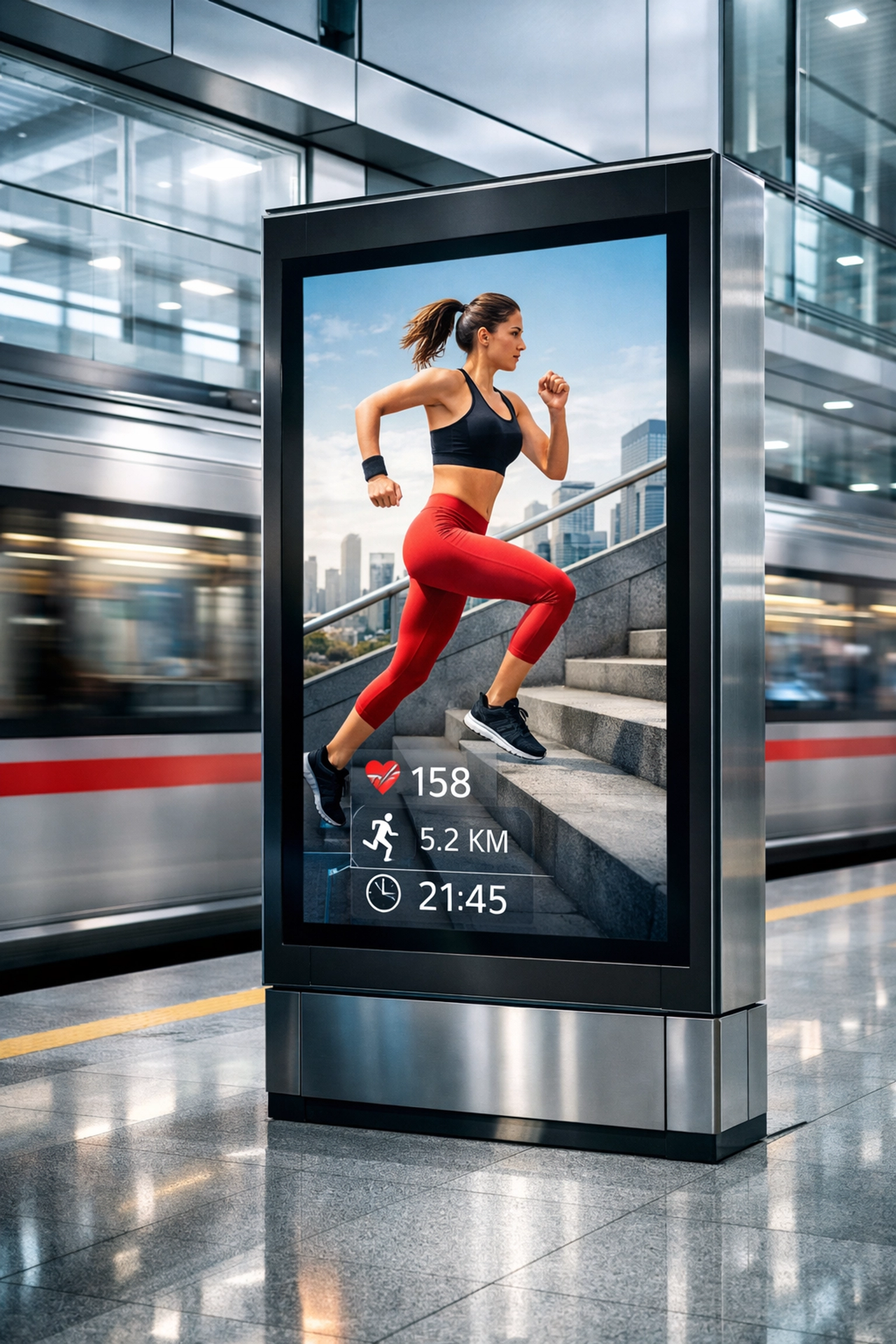
- Transit Hubs: Subways, bus shelters, and train stations are high dwell time areas where fans are looking for information and entertainment.
- Retail Centers: Grocery stores and pharmacies capture fans while they are in a buying mindset.
- Lifestyle Centers: Gyms and fitness centers within the radius reach the health conscious segment of the fan base.
- Entertainment Venues: Digital screens in bars and restaurants capture the "second screen" audience during the game.
By spreading the message across these varied touchpoints, a brand builds a cohesive narrative that follows the fan throughout their day.
Measuring Success in the Fan Zone
One of the historical challenges of Out of Home advertising was measurement. Today, however, the technology has evolved to provide data that is just as granular as digital display ads.
Media buyers can now track:
- Foot Traffic Attribution: Measuring how many people saw a digital ad in the 10-Mile Fan Zone and subsequently visited a specific retail location.
- Brand Lift Studies: Surveying exposed versus unexposed groups to determine the increase in brand awareness and purchase intent.
- Mobile Retargeting: Using anonymized device IDs to serve follow up ads on mobile devices to users who were exposed to the DOOH screens.
This data-driven approach removes the guesswork. It allows brand managers to prove ROI and refine their strategies for future games or seasons.
Conclusion: Dominating the Fan Experience
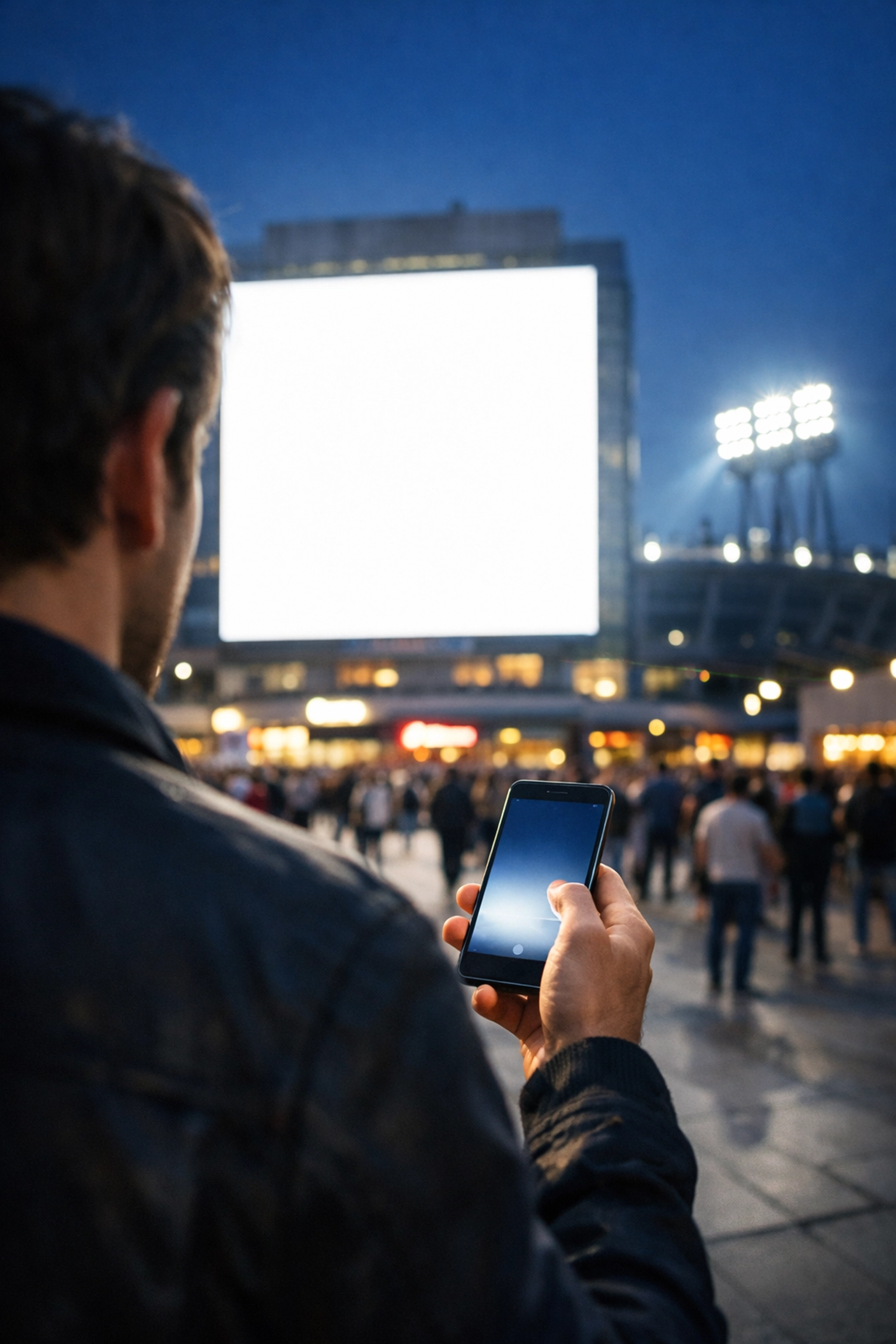
The 10-Mile Fan Zone is the new frontier for sports marketing. It offers a way to engage with a passionate, high energy audience in a way that is contextually relevant and highly measurable. By moving beyond the stadium walls and utilizing the power of programmatic DOOH, brands can create an omnipresent feel that stays with the fan from their first pre-game snack to their ride home.
Success in this space requires a shift in thinking. It is no longer about buying a single sign in a single stadium. It is about owning the entire geographic area where the fans live their lives. With the right technology and a strategic selection of digital screens, any brand can become a winner in the 10-Mile Fan Zone.