
FOR IMMEDIATE RELEASE
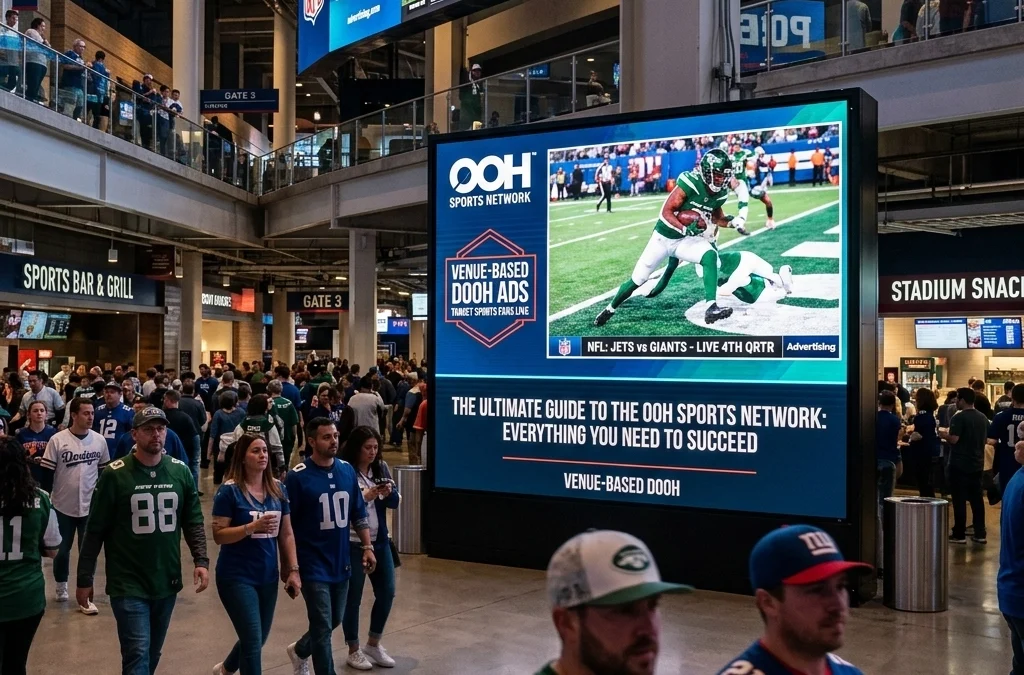
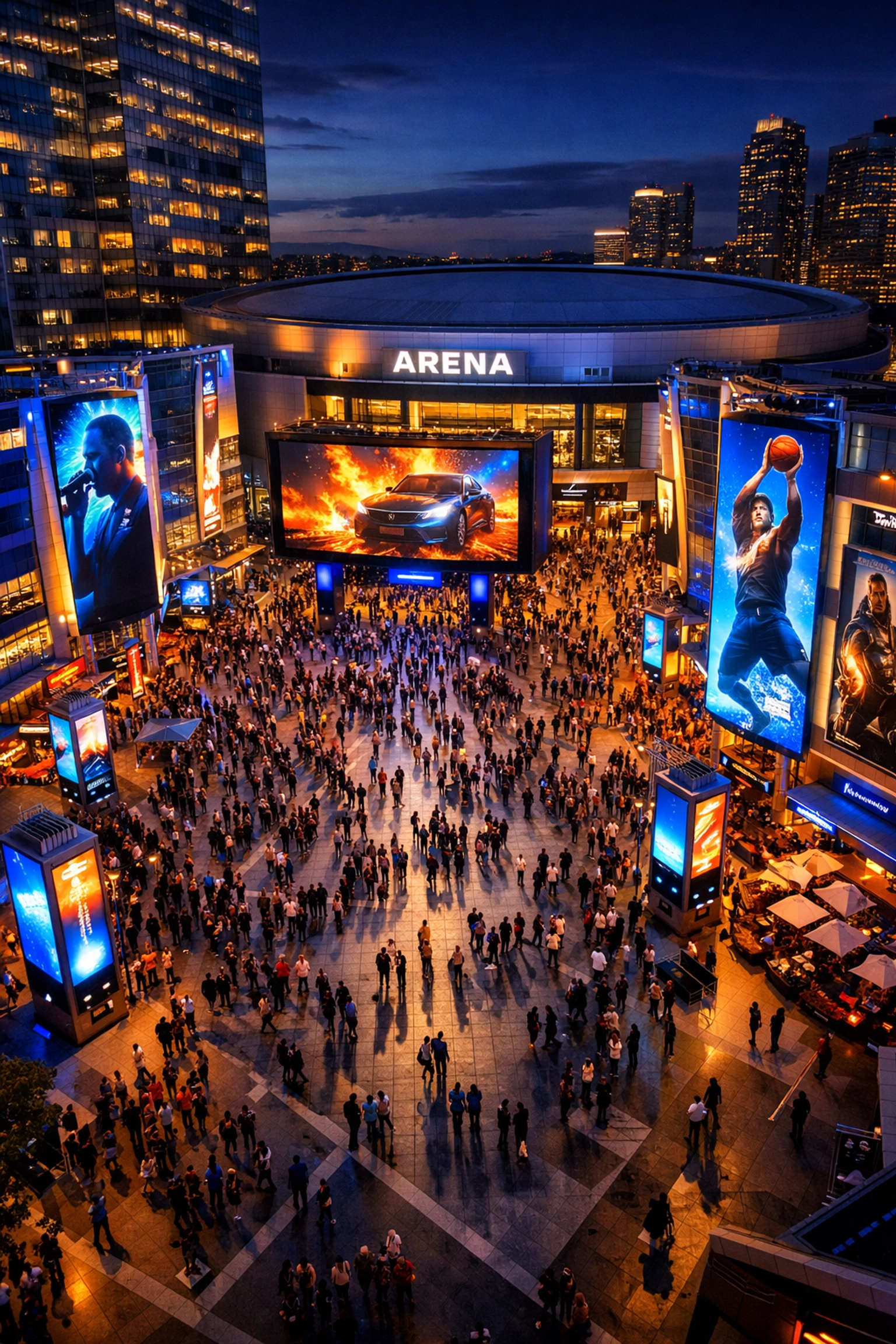
OOH Sports, a prominent leader in digital out of home (DOOH) advertising, announces a significant expansion of its digital network. The network now encompasses over 25,000 active digital screens across North America, positioning the company as a primary destination for venue-based sports marketing. This growth milestone reflects a broader industry shift toward programmatic digital displays in high-traffic, contextually relevant environments. The expansion includes significant inventory growth in major stadiums, professional sports arenas, fitness centers, and sports-themed hospitality venues. By providing media buyers with unprecedented access to sports-engaged audiences, OOH Sports continues to bridge the gap between traditional brand awareness and modern data-driven performance marketing.
The Evolution of Venue-Based DOOH
Venue-based digital out of home advertising represents the intersection of physical presence and digital agility. Unlike static billboards, the OOH Sports network utilizes high-definition screens that allow for real-time content updates, programmatic triggers, and interactive elements. This evolution is driven by the demand for more accountability in advertising spend. Media buyers now prioritize environments where the audience is not just present, but actively engaged.
Sports venues provide a unique captive environment. Whether fans are attending a professional game or active individuals are training in a fitness center, their attention is focused on the surroundings. OOH Sports leverages this focus by placing screens in high-dwell areas such as concourses, entryways, and digital scoreboards. This strategic placement ensures that brand messaging is seen repeatedly during the course of a visit, leading to higher brand recall and purchase consideration.
Strategic Milestone: Network Expansion and Infrastructure
The achievement of surpassing 25,000 screens is the result of a multi-year strategy to dominate the sports-adjacent advertising space. The infrastructure behind this network involves sophisticated Sportrons, which are specialized digital displays designed for maximum visibility in high-light and high-activity environments. These units are integrated into a centralized management system that allows for seamless campaign deployment across thousands of locations simultaneously.
This expansion is not merely about quantity but also about the quality of the impressions. The OOH Sports network now covers all major metropolitan markets, providing a national footprint for large-scale product launches while maintaining the ability to hyper-target specific local regions. For media buyers, this means the ability to run a unified campaign that reaches a fan in New York City and a fitness enthusiast in Los Angeles using the same programmatic workflow.

Programmatic Integration and Media Buying Efficiency
One of the core components of the OOH Sports offering is its integration with major Demand-Side Platforms (DSPs). This allows for programmatic DOOH (pDOOH), where inventory is purchased in real-time based on specific audience data and environmental triggers. This technology eliminates the long lead times traditionally associated with out of home advertising.
Through partnerships with platforms like the StackAdapt DSP, advertisers can apply the same precision targeting used in digital display and mobile advertising to physical screens. This includes:
- Audience Movement Patterns: Using anonymized mobile location data to identify when a target demographic is most likely to be present at a venue.
- Dynamic Creative Optimization (DCO): Changing ad copy based on live sports scores, weather conditions, or time of day.
- Omnichannel Retargeting: Identifying mobile devices exposed to an OOH screen and retargeting those same users with digital ads on their smartphones later in the day.
This programmatic approach ensures that every dollar spent is directed toward impressions with the highest likelihood of conversion. The efficiency of pDOOH is a primary factor in the projected growth of the industry, with sports advertising expected to hit $50 billion by 2030.
Data-Driven Success: Results and Case Studies
The effectiveness of the OOH Sports network is best demonstrated through recent campaign outcomes. By focusing on measurable lift in brand perception and purchase intent, the network has proven its value for major global brands.
A notable example involves White Claw's programmatic campaign. By utilizing the OOH Sports network for a vodka launch, the brand achieved a 74% lift in purchase consideration. The strategy relied on reaching consumers in social, high-energy environments where alcohol consumption is common.
Similarly, AB InBev's Mike’s Hard Iced Tea campaign saw a 119% lift in positive brand image. The campaign leveraged the high-impact nature of digital screens to reinforce brand messaging during peak social hours. These results highlight the ability of DOOH to move the needle on brand sentiment in ways that static or small-screen digital ads often cannot.
In the recreational vehicle sector, Sea-Doo utilized its first digital OOH campaign to drive significant results. By targeting outdoor enthusiasts and sports fans, the brand realized a 144% increase in purchase consideration. These case studies confirm that venue-based advertising is an essential component of an effective omnichannel strategy.

Targeting the Modern Sports Fan
The profile of the sports fan has evolved. Modern fans are tech-savvy, mobile-first, and highly receptive to brand messaging that aligns with their lifestyle. The OOH Sports network reaches these individuals across a variety of touchpoints throughout their day.
Stadiums and Arenas
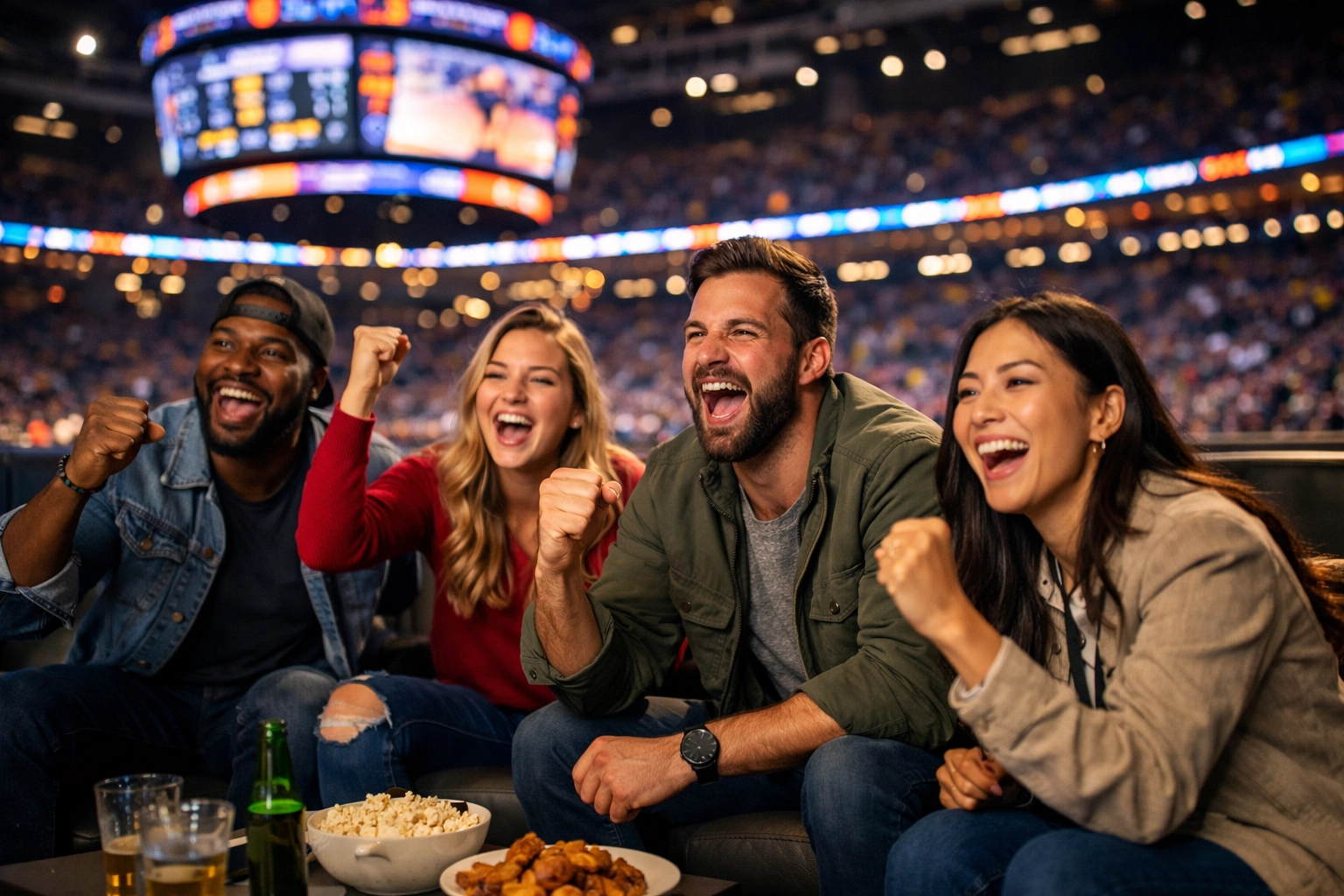
During live events, fans are in a state of high emotional engagement. This "halo effect" extends to the brands visible within the stadium. Advertisers can align their messaging with the excitement of the game, creating a positive association that lasts long after the final whistle. This is particularly effective for brands that are not official sponsors but wish to capture the attention of the same audience, as seen in Nike’s successful NYC Marathon strategy.
Fitness and Health Clubs
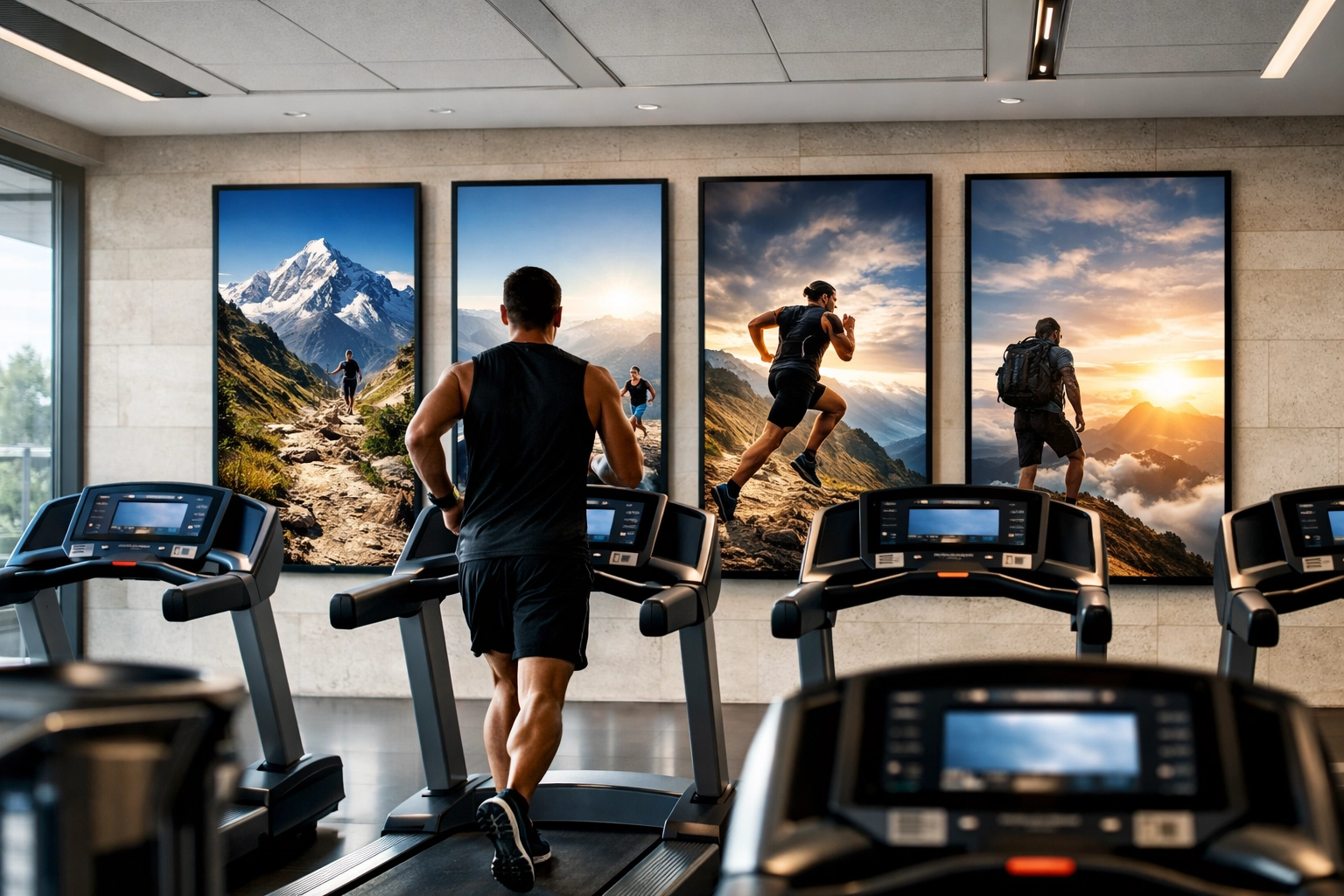
Screens in fitness centers reach a health-conscious demographic that is often difficult to target through traditional media. These viewers are typically in the venue for 60 to 90 minutes, providing multiple opportunities for exposure. This environment is ideal for nutrition, apparel, and wellness brands.
Sports Bars and Hospitality
Reaching fans while they are in a social setting is critical for beverage and entertainment brands. OOH Sports screens in these venues act as a secondary point of engagement, complementing the live broadcast on the main televisions.
Measuring ROI in Venue-Based DOOH
A common challenge in out of home advertising has been the difficulty of measurement. However, OOH Sports utilizes advanced attribution models to provide clear ROI data. By using device ID passback and geofencing, the network can track:
- Foot Traffic Attribution: Measuring how many people who saw an ad subsequently visited a retail location.
- Brand Lift Studies: Surveying exposed versus non-exposed audiences to determine increases in awareness or intent.
- Online Conversion: Tracking users who were exposed to an OOH ad and later visited the brand’s website or made a purchase online.
When comparing programmatic DOOH vs. traditional stadium ads, the data consistently favors the flexibility and measurability of the programmatic approach. While traditional ads offer high visibility, they lack the targeting and optimization capabilities that modern media buyers require.
Best Practices for Success on the OOH Sports Network
To maximize the impact of a campaign within the network, media buyers should adhere to several strategic guidelines:
- Keep Creative Bold and Simple: Screens are often viewed from a distance or while the viewer is in motion. Use high-contrast colors, large fonts, and clear calls to action.
- Utilize Contextual Triggers: Take advantage of the dynamic nature of the network. Create ads that react to real-time events, such as a "Home Team Wins" creative that triggers immediately after a game.
- Integrate with Mobile: Use the OOH exposure as a primer for mobile retargeting. This multi-touch approach reinforces the message and provides a direct path to conversion.
- Test and Optimize: Because the network is programmatic, advertisers can swap creative mid-campaign based on performance data. If one visual is driving more engagement than another, the budget can be reallocated in real-time.
Conclusion
The expansion of the OOH Sports network to over 25,000 screens marks a new era in sports-centric advertising. By combining the scale of traditional out of home with the precision of digital marketing, the network offers a powerful tool for brands looking to connect with engaged audiences. As the industry moves toward a $50 billion valuation, the ability to execute sophisticated, venue-based DOOH campaigns will be a defining factor in marketing success.
For more information on how to leverage the OOH Sports network for your next campaign, visit the marketing section or contact the team directly at the OOH Sports contact page.
About OOH Sports
OOH Sports is a leading provider of digital out of home advertising solutions specializing in sports and fitness environments. With a vast network of screens and advanced programmatic capabilities, the company helps brands reach active, engaged consumers through high-impact visual storytelling.
For additional details on company policies and terms, please refer to the following resources: