
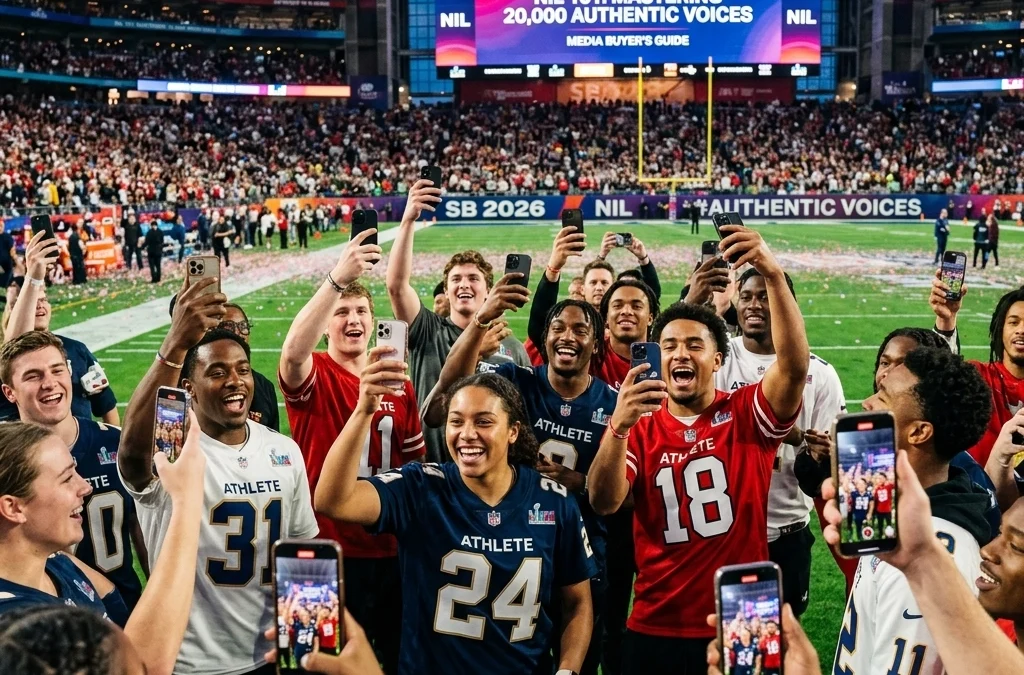
The landscape of Super Bowl advertising has shifted. While a 30 second television spot remains a prestigious goal, the true power of influence in 2026 lives in the hands of the athletes themselves. For media buyers, the focus has moved from a single, high production commercial to a decentralized network of authentic voices. This guide explores how to master a campaign involving over 20,000 student athletes to drive real results during the biggest sporting event of the year.
The Evolution of the Big Game
In previous years, the Super Bowl was a centralized event. One screen dominated the living room. Today, the game is a multi screen experience. Fans are watching the play on the field while simultaneously checking stats, scrolling through social media, and engaging with their favorite athletes online. This shift has opened a massive door for Name, Image, and Likeness (NIL) opportunities.
NIL is no longer a experimental tactic. It is a core component of a modern media mix. With the NIL market reaching billions of dollars in revenue, the infrastructure is finally in place to support massive, multi athlete campaigns. The challenge for media buyers is no longer finding an athlete, it is managing 20,000 of them to create a unified brand message.
Why 20,000 Voices Matter
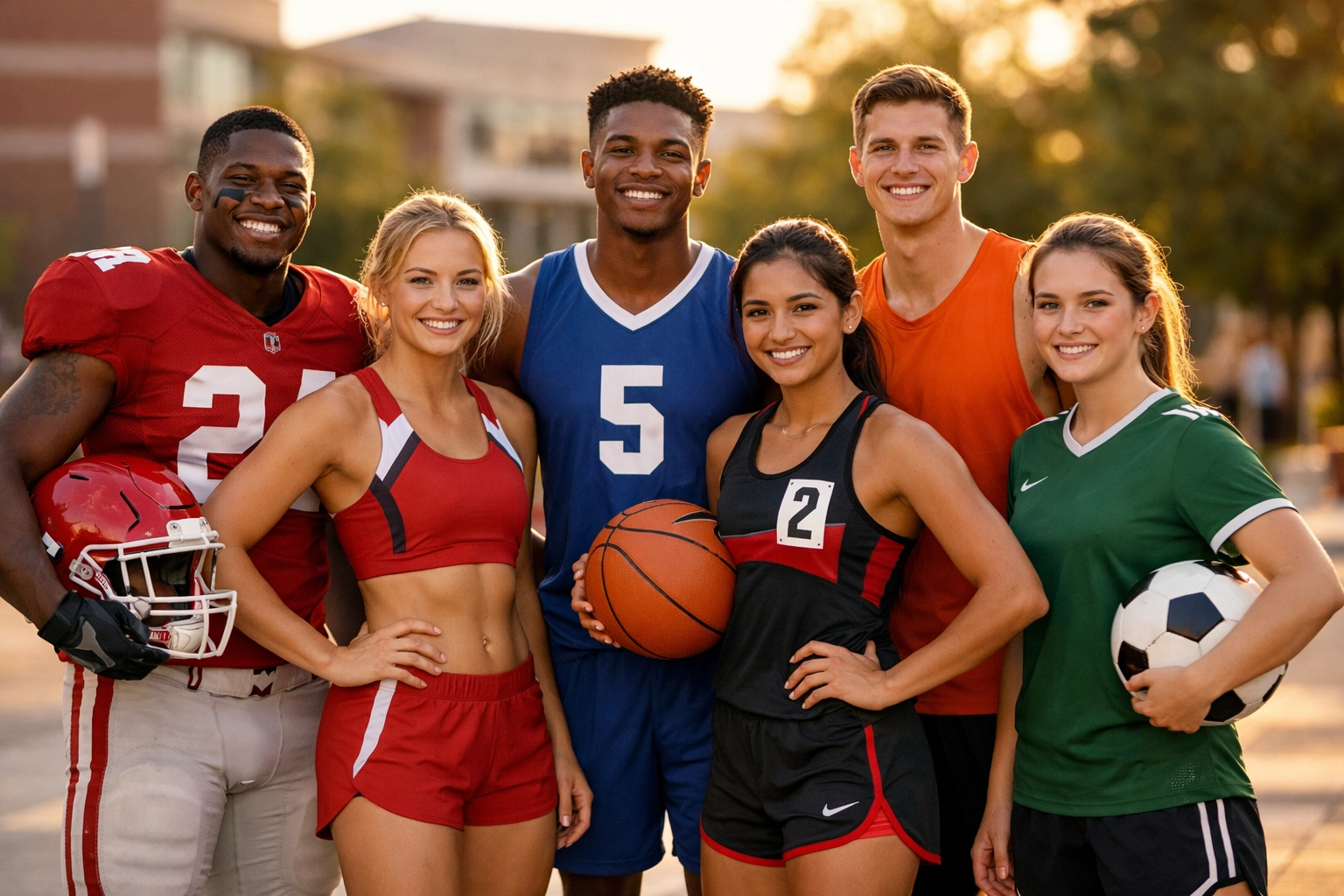
Scale is the primary advantage of the current NIL environment. One celebrity endorsement offers high visibility but often lacks the deep, personal connection that a local hero provides. When a brand activates 20,000 student athletes, it is not just buying reach. It is buying trust.
These athletes represent every corner of the country. They have followers who are friends, family, and loyal fans from their hometowns and universities. This level of authenticity is impossible to replicate with a traditional spokesperson. For a media buyer, this means the ability to flood the market with content that feels organic rather than manufactured.
The Strategy of Simplicity
Recent data shows that athletes prioritize simple requirements over almost everything else. When dealing with a massive pool of 20,000 voices, complexity is the enemy of execution. Media buyers find the most success when they provide clear, easy to follow instructions.
Athletes are busy. Between training, classes, and games, they do not have time for twenty page brand guidelines. Successful campaigns in 2026 use streamlined platforms to distribute creative briefs. This direct approach leads to higher satisfaction for the athlete and better content for the brand.
According to market surveys, direct brand outreach and specialized platforms are the preferred methods for athletes to secure deals. Middlemen often add layers of friction that slow down the process. By using a direct platform, media buyers can ensure that the brand message remains intact while allowing the athlete the freedom to use their own unique voice.
Integrating NIL with Digital Out of Home
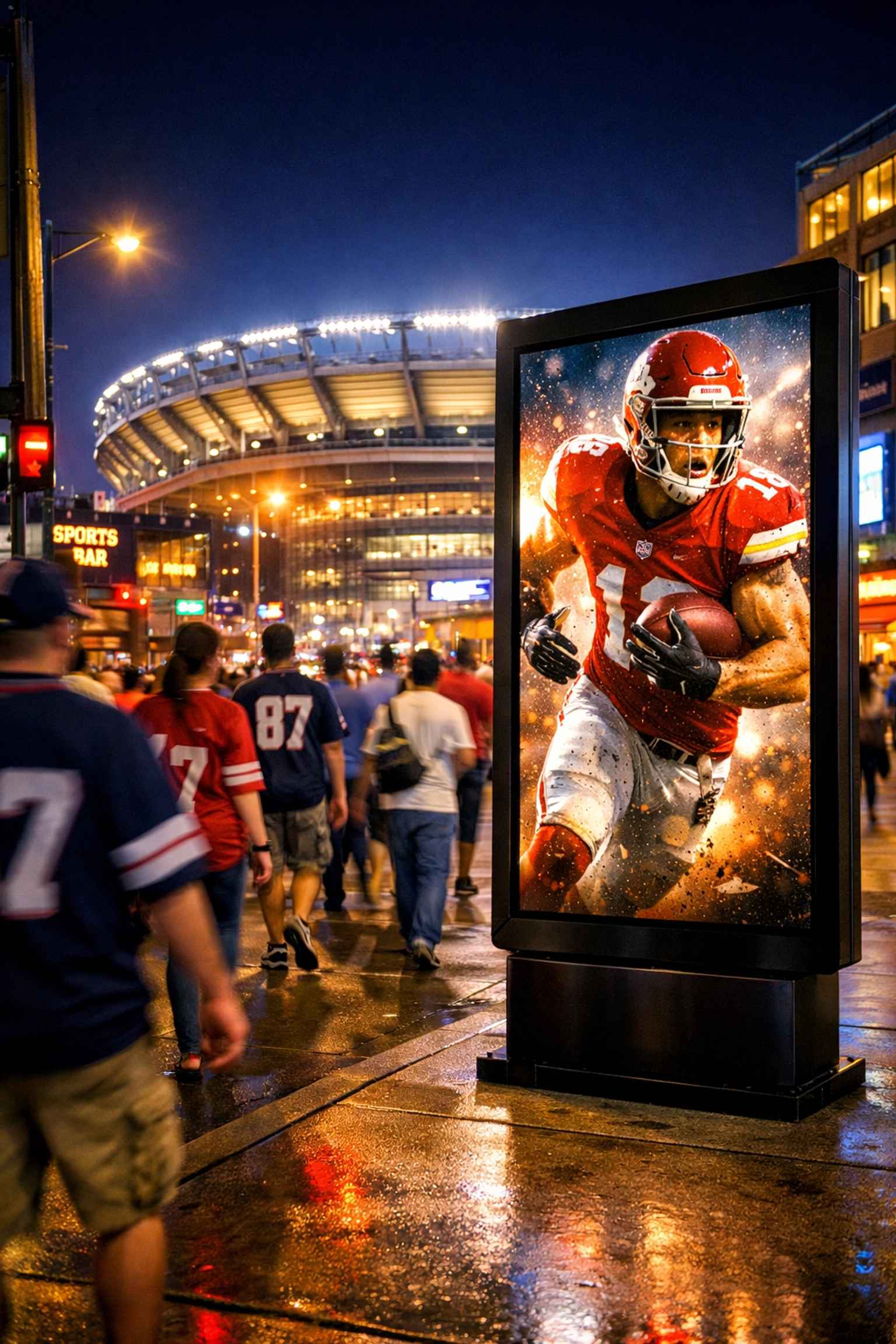
NIL campaigns do not have to live exclusively on a smartphone screen. Some of the most impactful Super Bowl 2026 strategies involve a combination of NIL and Digital Out of Home (DOOH) advertising. This omnichannel approach ensures that the message follows the consumer from their home to the stadium and everywhere in between.
For example, a brand can feature a student athlete in a social media campaign and simultaneously display that same athlete on digital screens near their university or the Super Bowl host city. This creates a sense of ubiquity. OOH Sports offers specialized tools like Sportrons to help brands bridge this gap. By placing advertisements on digital screens in high traffic sports environments, brands can reinforce the digital message with physical presence.
This strategy has been proven to work. In past campaigns, programmatic DOOH has driven significant lifts in brand image and purchase consideration. Whether it is a beverage company or an apparel brand, the combination of a trusted athlete voice and a high impact digital screen is a winning formula.
Mastering the Content Loop
To see how NIL is currently impacting the sports world, watch this breakdown of how athlete voices are changing the game:
https://www.youtube.com/watch?v=l6J-0zileKE
The Logistics of a 20,000 Person Campaign
Managing a campaign of this size requires a robust technological foundation. Media buyers cannot manually email 20,000 people. They use programmatic platforms to automate the heavy lifting. This includes everything from contract signing to content verification and payment.
One major change in 2026 is the increased transparency in reporting. Any NIL payment of $600 or more now requires official reporting. This has led to a more professionalized market. Media buyers must ensure their platforms handle these compliance issues automatically to avoid legal headaches.

Targeting and Segmentation
With 20,000 voices at your disposal, you do not have to use them all the same way. Smart media buyers segment their athlete pool based on several factors:
- Geography: Targeting athletes from the specific regions where the Super Bowl teams are based.
- Sport Type: Using athletes from various sports to reach different demographics.
- Engagement Rate: Focusing on athletes with smaller but more highly engaged audiences for niche products.
- Brand Affinity: Choosing athletes who already use and love the product for maximum authenticity.
This level of granular targeting allows for a hyper local feel on a national scale. It is the digital equivalent of a grass roots marketing campaign powered by the reach of a global brand.
Measuring Success in 2026
The metrics for success have evolved. While impressions and clicks still matter, media buyers are now looking closer at brand lift and purchase intent. Case studies have shown that programmatic campaigns in the sports space can lead to massive jumps in consumer interest.
For instance, some brands have seen a 74% lift in purchase consideration after implementing a strategic programmatic campaign. Others have reported a 119% lift in positive brand image. These numbers are a result of reaching the right person at the right time through a voice they actually trust.
When analyzing an NIL campaign, it is important to look at the cumulative effect. The 20,000 voices work together to create a "surround sound" effect. If a consumer sees a favorite athlete post about a product on Instagram, then sees a Sportron ad at a sports bar, the likelihood of a purchase increases dramatically.
Building Long Term Relationships
While the Super Bowl is a single day event, the most successful media buyers look beyond the final whistle. Athletes have expressed a strong preference for long term partnerships over one off deals. About 65% of athletes would rather have an ongoing relationship with a brand.
This is a major opportunity for media buyers to build a stable of brand ambassadors. Instead of starting from scratch every year, brands can cultivate a loyal group of athletes who grow with the brand. This long term approach leads to deeper authenticity and better ROI over time.
The Role of Technology Partners
To execute a campaign of this magnitude, choosing the right partners is essential. Media buyers need platforms that can handle the scale and the data. Whether it is managing the marketing strategy or coordinating the digital placements, the technology must be seamless.
The integration of data from various sources allows for a more complete picture of the campaign performance. By tracking device IDs and exposure levels, brands can see exactly how their NIL and DOOH efforts are working together to drive foot traffic or online sales. This level of insight was unheard of just a few years ago but is now a standard requirement for any major campaign.
Practical Tips for Media Buyers
If you are planning an NIL campaign for the next big season, keep these points in mind:
- Start Early: Securing 20,000 voices takes time, even with the best technology.
- Focus on the Athlete Experience: Make the deal easy for them to say yes to.
- Use High Quality Visuals: Even if the content is "authentic" and shot on a phone, the brand assets provided should be top tier.
- Leverage OOH: Don't let your campaign stay trapped on a phone. Use digital screens to bring the message into the physical world.
- Verify Everything: Use platforms that offer automated content verification to ensure your brand is being represented correctly.
Conclusion
Super Bowl 2026 has proven that the power of the individual athlete is stronger than ever. For media buyers, the ability to harness 20,000 authentic voices is a game changer. It allows for a level of reach, trust, and engagement that traditional advertising simply cannot match. By combining the personal touch of NIL with the scale of programmatic DOOH, brands can create a dominant presence that lasts long after the game is over.
For more information on how to integrate these strategies into your next campaign, visit the OOH Sports blog or reach out to the team via the contact page. The future of advertising is authentic, decentralized, and digital. It is time to get started.