

OOH Sports announces a significant milestone in the digital advertising industry with the expansion of its network to over 25,000 digital screens. This growth marks a new era for perimeter advertising and sports marketing, providing brands with an unprecedented opportunity to reach fans during peak moments of engagement. The network expansion focuses on high impact areas including stadium perimeters, entertainment districts, and transit hubs, ensuring that advertisers can connect with audiences through a seamless, omnichannel approach.
The following guide outlines the strategic advantages of the OOH Sports network and provides a framework for media buyers and brands to maximize their return on investment using modern digital out of home (DOOH) technology.
A New Milestone in Global Network Reach
The scaling of the OOH Sports network to 25,000 digital screens represents a turning point for the industry. By increasing the density of screens in key geographic locations, the network offers brands a way to dominate the visual landscape surrounding major sporting events. This expansion is not merely about quantity but about the strategic placement of assets in what are known as Decision Zones. These are locations where fans are most likely to make purchasing decisions or interact with brand content.
The network now covers a wide variety of environments, from the immediate perimeter of sports venues to the bars, restaurants, and transit points that fans frequent before and after a game. This comprehensive coverage allows for a multi touchpoint strategy that keeps a brand top of mind throughout the entire fan journey.

Strategic Objective and Perimeter Strategy
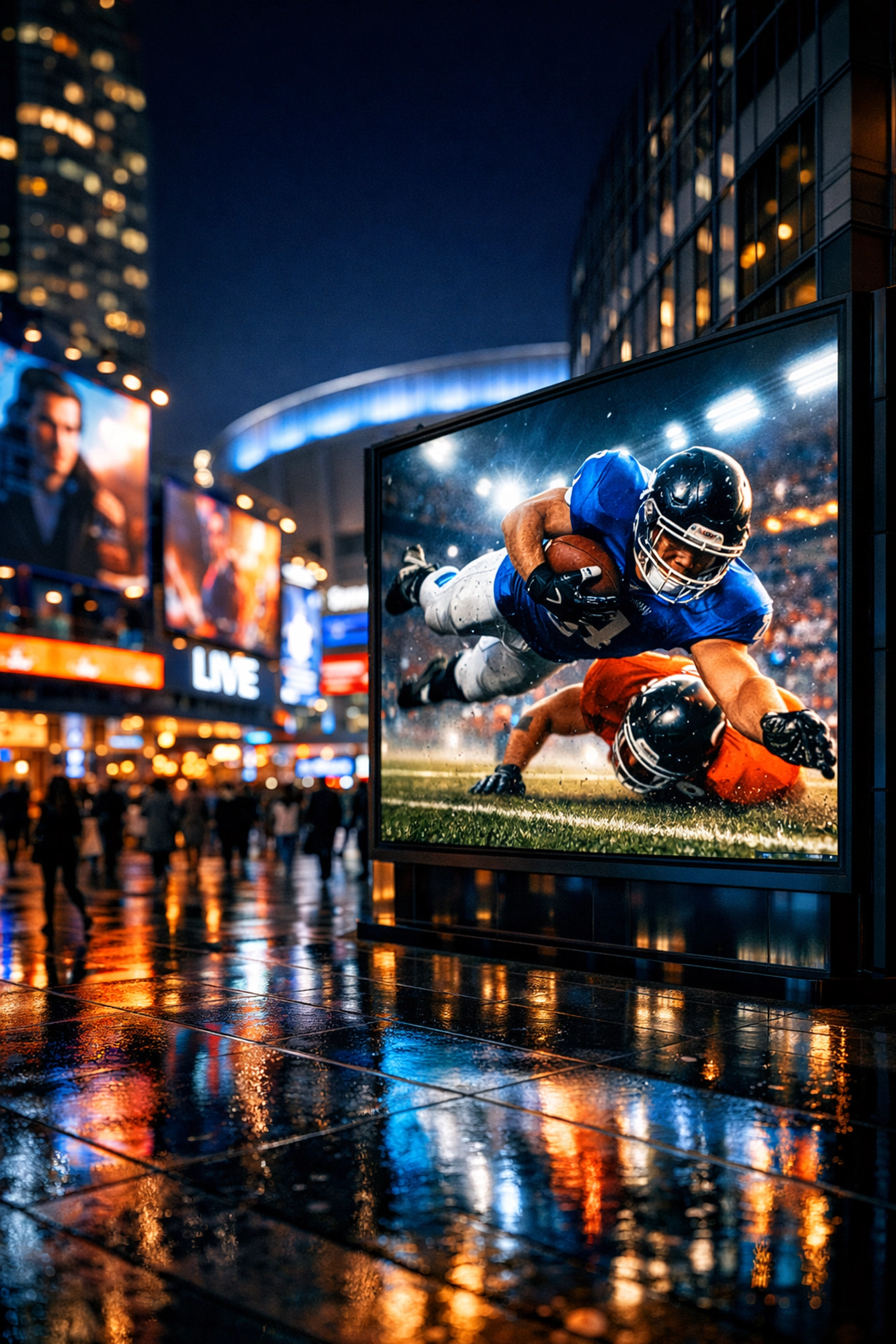
The primary objective of the OOH Sports network is to bridge the gap between traditional stadium sponsorships and the flexibility of digital advertising. Traditional static billboards and stadium signage often require long lead times and offer limited measurement. In contrast, the perimeter advertising strategy employed by OOH Sports utilizes programmatic DOOH to deliver real time, dynamic content that responds to the environment.
The Power of the Perimeter
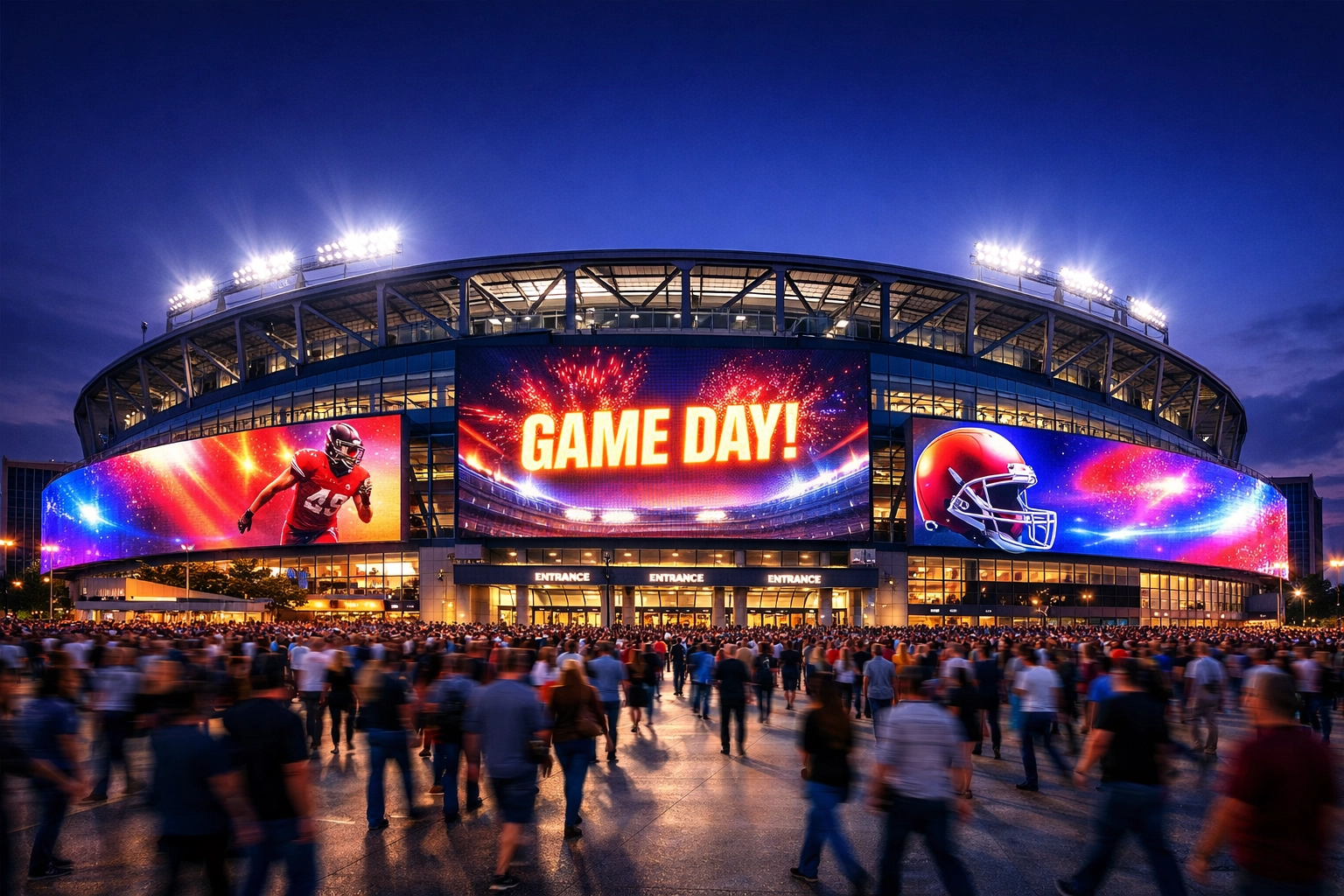
Perimeter advertising refers to the digital displays located around the outer boundary of a sports venue or within the immediate vicinity of the playing field. These screens benefit from high dwell times as fans congregate in these areas for hours. The strategy focuses on three main pillars:
- Visibility: Ensuring the brand is visible during high traffic periods, such as the 60 minutes leading up to a game.
- Relevance: Using real time data to trigger creative updates based on game scores, player milestones, or weather conditions.
- Frequency: Placing screens along the natural path of the fan to ensure multiple impressions without being intrusive.
Studies have shown that creative messaging tied to real time game events can drive up to 2.2x more recall than generic brand messaging. This makes the perimeter a vital component for any sports marketing campaign aiming for high impact results.
Mapping the Fan Journey: The Decision Zones
Success with the OOH Sports network requires an understanding of where fans spend their time. The network is strategically distributed across four primary zones to capture attention at every phase of the event day.
Entertainment Districts
High traffic pedestrian zones surrounding stadiums are prime locations for interactive and bold digital displays. These areas are often filled with fans visiting team stores or outdoor fan festivals.
Stadium Approach Routes
The 30 to 60 minute window before kickoff is when fan excitement peaks. Screens placed along these routes benefit from a captive audience that is highly receptive to brand messaging. Advertisers can learn more about these strategies at https://oohsports.com.
Transit Wait Points
Rideshare lots, shuttle queues, and rail platforms are areas where fans often engage with their mobile devices while waiting. This creates a perfect opportunity for a synchronized mobile and DOOH campaign. Brands can retarget fans who have been exposed to a digital screen at a transit point, reinforcing the message on their personal devices.
Bars and Sports Restaurants
The game day experience does not end at the stadium. Thousands of fans gather in sports bars and restaurants to watch the action or celebrate after a win. The OOH Sports network includes thousands of screens in these high dwell time environments, allowing brands to maintain a presence even after the final whistle.
Technology Partners and Programmatic Integration
The backbone of the OOH Sports network is its advanced technology stack. By utilizing programmatic DOOH, media buyers can purchase inventory with the same ease as online display ads. This allows for precise targeting and the ability to pivot campaigns instantly.
The network works closely with top tier demand side platforms (DSPs). For example, a spotlight on StackAdapt DSP highlights how these partnerships drive programmatic adoption and allow for sophisticated omnichannel campaigns.
Key technical features include:
- Real Time Triggers: Campaigns can be set to activate only when specific conditions are met, such as a home team victory or a specific temperature range.
- Dynamic Creative Optimization (DCO): The ability to automatically swap out creative elements like text, images, or colors based on the audience or location.
- Geofencing: Creating virtual boundaries around stadiums to ensure ads are only served to individuals within a specific radius.
Measurable Results and Case Studies
The effectiveness of the OOH Sports network is backed by data. By moving away from guesswork and utilizing AI powered analytics, brands can prove the success of their campaigns through clear metrics.
Significant Brand Lift
Recent campaigns across the network have demonstrated the power of the DOOH sports marketing approach.
- White Claw: A programmatic campaign for the launch of a new product drove a 74% lift in purchase consideration. You can read the full breakdown of the White Claw programmatic campaign to see the logistics involved.
- Mike's Hard Iced Tea: This campaign saw a 119% lift in positive brand image by leveraging the high energy environment of sports fans. Details are available in the Mike's Hard brand image study.
- Sea-Doo: By targeting specific outdoor and sports enthusiasts, Sea-Doo increased purchase consideration by 144% during their first digital OOH campaign. The strategy is detailed at https://oohsports.com/2024/11/21/how-sea-doos-first-digital-ooh-campaign-increased-purchase-consideration-by-144.
Attributing Success
Measurement in the OOH Sports network goes beyond simple impressions. Using device IDs and brand lift studies, advertisers can track the movement of fans from the screen to the point of purchase. This level of attribution provides a clear picture of ROI and helps justify the shift of budgets from traditional media to DOOH.
The Advantage of AI and Data Analytics
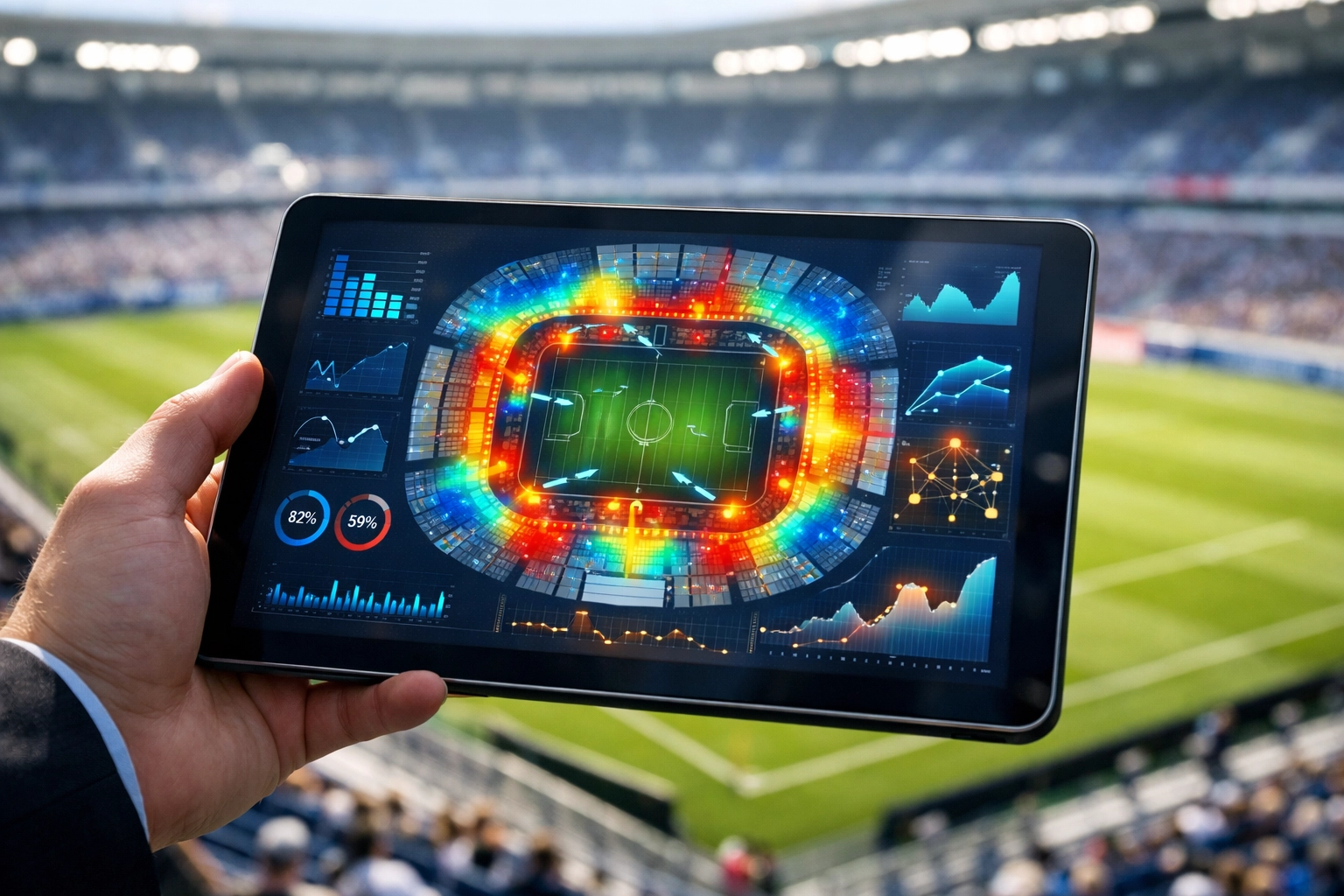
A common challenge in outdoor advertising has been the lack of precise measurement. OOH Sports addresses this by integrating AI powered analytics into its platform. These tools allow media planners to stop wasting time on guesswork and focus on strategies that are proven to work.
AI can analyze massive datasets to determine the best times and locations for an ad to run. It can also predict fan behavior based on historical data, ensuring that the message reaches the right audience at the right time. This transition toward data heavy planning is why a large percentage of media planners are shifting their budgets toward DOOH.
Future Outlook for the Network
As the sports advertising industry continues to evolve, the OOH Sports network remains at the forefront of innovation. The current expansion to 25,000 screens is just one part of a larger mission to make sports marketing more accessible, measurable, and impactful.
With the rise of sports betting and real time fan engagement, the demand for dynamic perimeter advertising is expected to grow significantly. Brands that adopt these technologies early will be well positioned to capture the attention of a global audience that is increasingly moving away from traditional television and toward live, in person experiences.
For those looking to explore the full range of opportunities, the OOH Sports sitemap provides a comprehensive list of resources and case studies to help guide the planning process.
Conclusion
The milestone reached by OOH Sports provides a clear path for brands looking to succeed in the competitive world of sports marketing. By leveraging 25,000 digital screens, advanced programmatic technology, and a deep understanding of the fan journey, advertisers can create campaigns that are not only visible but truly memorable. The combination of perimeter advertising and strategic Decision Zones ensures that every impression counts, leading to the high lift in purchase consideration and brand preference that modern marketers demand.