
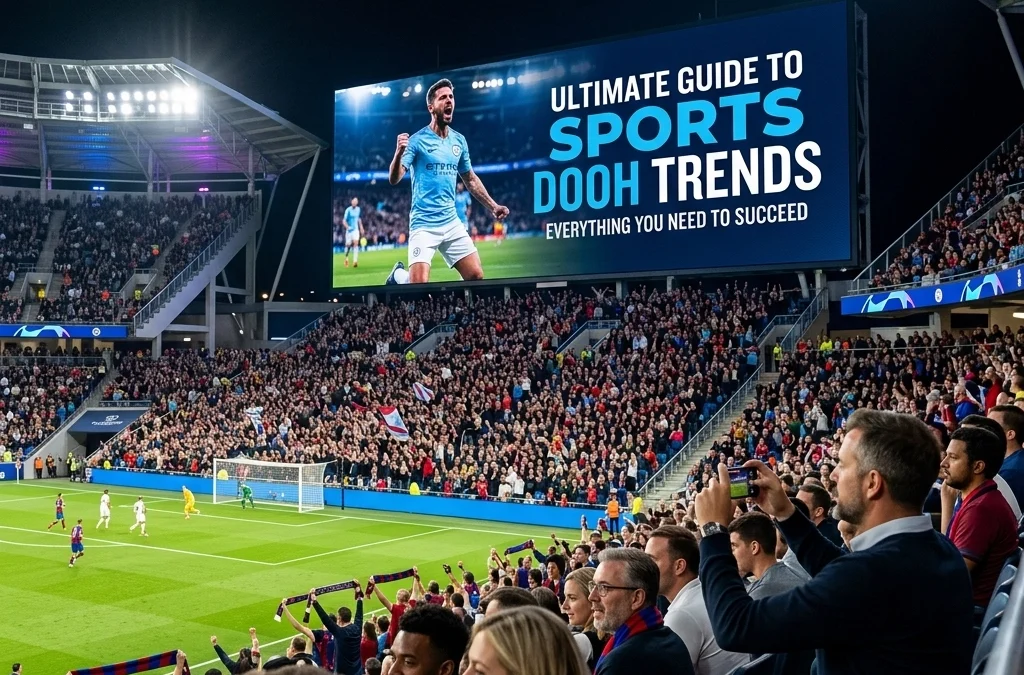
The landscape of sports marketing has moved far beyond the physical confines of the stadium. In the modern era, the fan journey is continuous, fragmented, and increasingly digital. For brands looking to capture the attention of high-value audiences, Digital Out-of-Home (DOOH) advertising has emerged as a primary vehicle for engagement. As technology matures, the integration of real-time data, programmatic buying, and contextual relevance is redefining how sports-related messaging is delivered and consumed.
Success in this space requires a deep understanding of current industry trends and the technical capabilities of modern advertising networks. This guide explores the essential components of a successful sports DOOH strategy, from the rise of automation to the importance of measurable attribution.

The Programmatic Revolution in Sports Advertising
The shift from manual, static placements to programmatic DOOH (pDOOH) represents the most significant transition in the industry. Automation allows advertisers to move away from rigid, long-term contracts and toward a more agile, data-driven approach.
Programmatic platforms enable brands to purchase inventory in real-time, targeting specific audience segments based on behavior, location, and intent. This flexibility is particularly valuable in sports, where event schedules, weather conditions, and game outcomes can change rapidly. By leveraging pDOOH, marketers can ensure that their creative assets are only displayed when and where they are most likely to resonate.
The adoption of this technology is accelerating. Recent industry projections suggest that DOOH will account for nearly half of all out-of-home advertising spend within the next few years. This growth is driven by the efficiency of automated workflows and the ability to integrate DOOH into broader omnichannel campaigns. For a detailed look at how these technologies are being adopted, the StackAdapt DSP spotlight provides insight into the tools driving this adoption.
Extending the Fan Journey Beyond the Game
Fandom is no longer a scheduled event that begins and ends with a whistle. It is a 24/7 lifestyle that involves content consumption, social interaction, and retail activity. Modern sports DOOH strategies recognize that the window of opportunity for engagement starts weeks before a major event and continues long after the final score is recorded.
Pre-Match Anticipation
In the days leading up to a major competition, DOOH screens serve as the digital pulse of a city. Brands use these displays to build excitement, promote ticket sales, or launch event-specific merchandise. During this phase, the focus is on broad reach and awareness, ensuring that the brand is top-of-mind as fans prepare for the event.
Real-Time Game Day Activation
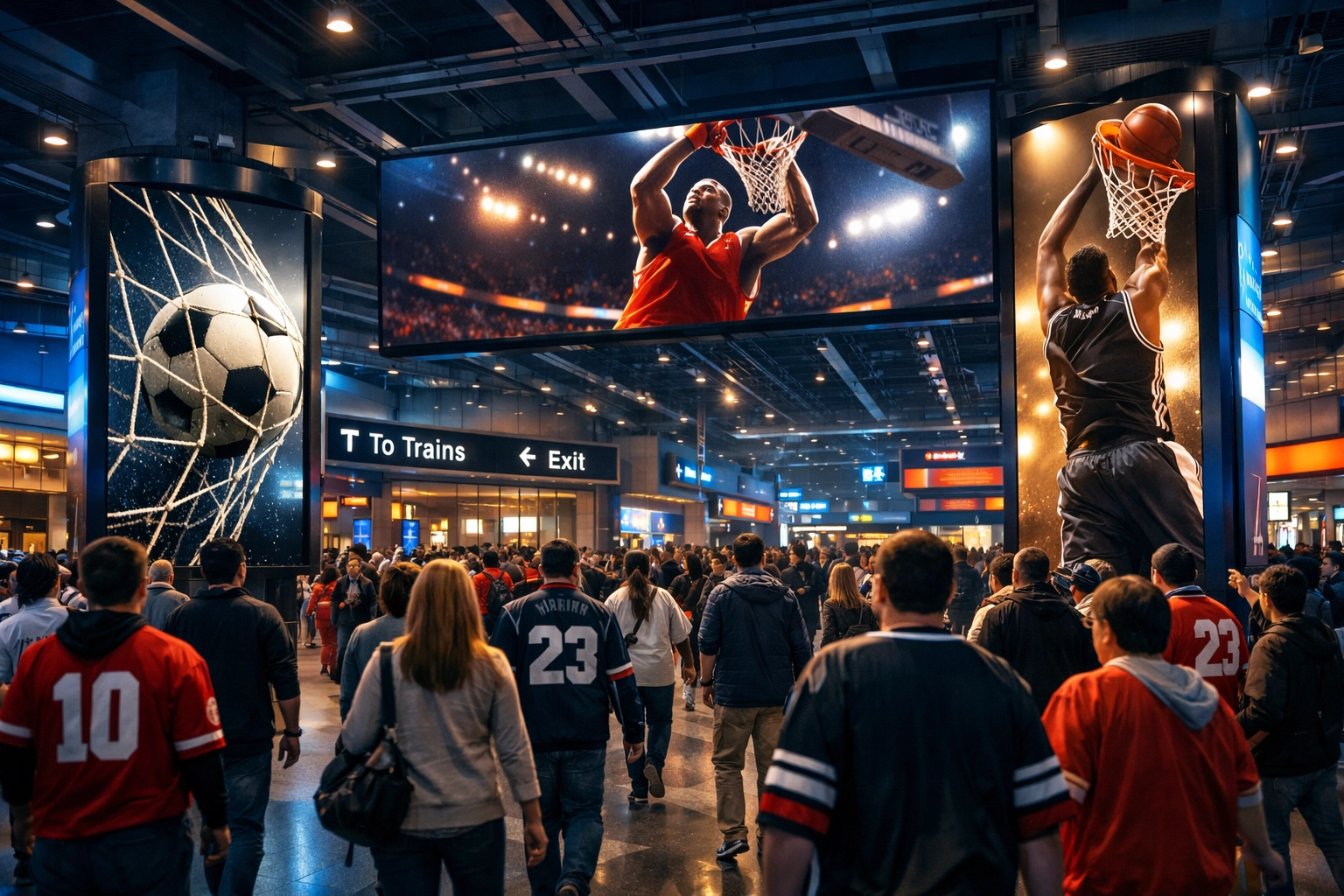
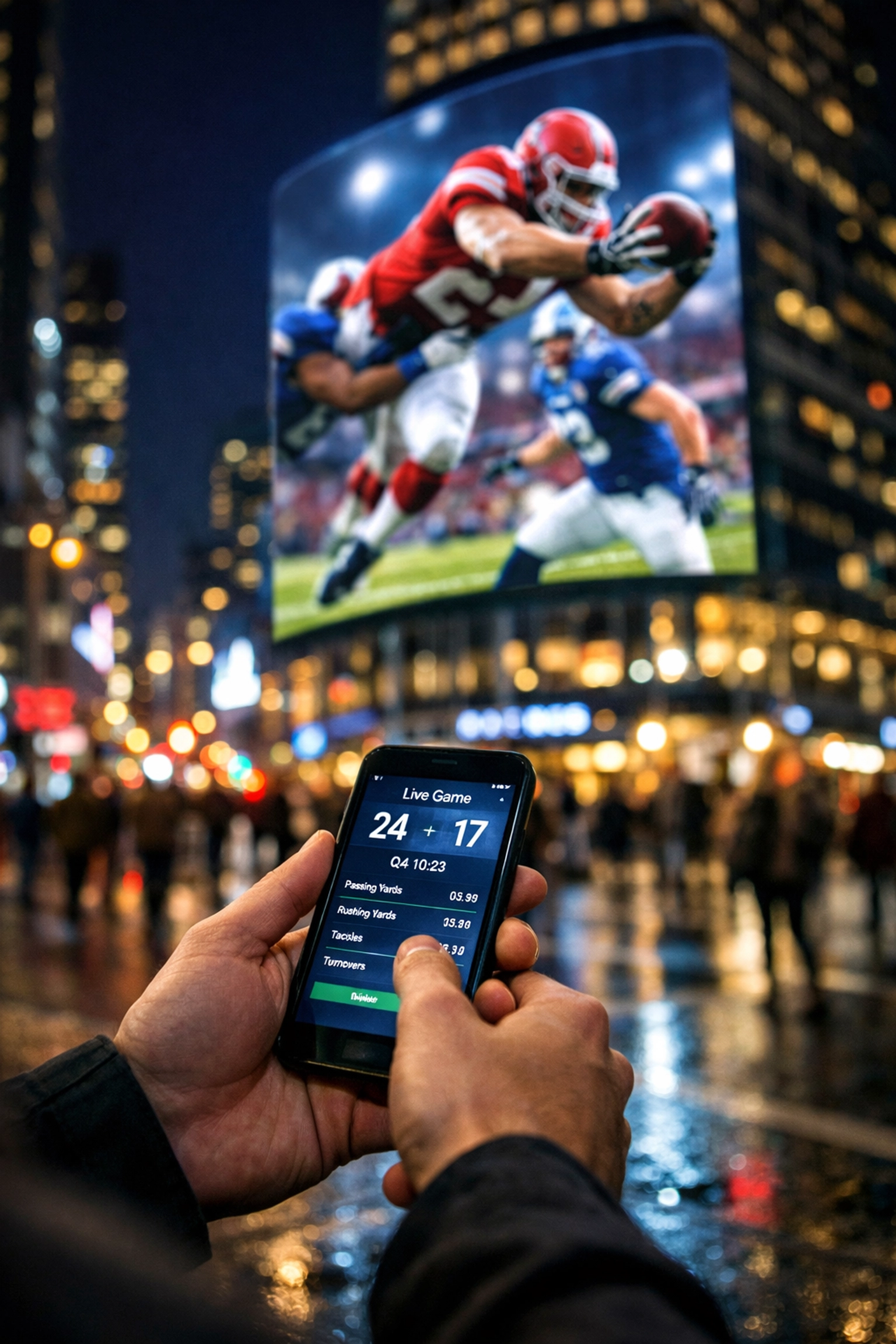
On the day of the event, DOOH becomes a dynamic utility. Screens located in transportation hubs, city centers, and near venues provide real-time updates, including countdowns to kickoff, live score snippets, and venue information. This creates a sense of immediacy and utility that standard advertising cannot match.
Post-Match Analysis and Celebration
The hours following a game are critical for reinforcing brand affinity. Whether fans are celebrating a victory or dissecting a loss, they remain highly engaged with sports-related content. DOOH placements near transit corridors and social hotspots allow brands to participate in the conversation by updating creative assets to reflect the outcome of the game.
Contextual Relevance and Dynamic Creative
One of the most powerful features of digital out-of-home is the ability to use dynamic creative optimization (DCO). This technology allows advertisers to change specific elements of an ad, such as text, images, or calls to action, based on external data triggers.
In a sports context, these triggers might include:
- Live game scores and play-by-play updates.
- Weather conditions (e.g., promoting cold beverages on a hot game day).
- Traffic patterns and commute times for fans leaving the stadium.
- Player-specific milestones or record-breaking performances.
When creative assets are hyper-relevant to the immediate environment, recall rates and engagement levels increase significantly. Fans are more likely to notice and value information that feels tailored to their current experience. This level of precision helps brands cut through the noise of traditional advertising and establish a genuine connection with the audience.
The Synergy of Multiscreen Consumption
It is a well-documented fact that sports fans are multi-device users. A significant majority of viewers use a second screen, typically a smartphone or tablet, while watching a game. DOOH acts as the perfect physical anchor for this multiscreen behavior.
When a fan sees a high-impact DOOH display in an urban environment, it often serves as a prompt for mobile engagement. This might lead to a search for the brand, a social media interaction, or a direct purchase. Integrating DOOH with mobile retargeting creates a powerful loop: the large-format screen builds awareness and prestige, while the mobile device facilitates direct action.
Research into these omnichannel strategies shows that fans who are exposed to consistent messaging across both physical and digital screens are significantly more likely to complete a purchase. This holistic approach is discussed further in the strategies for capturing market share, which highlights how brands can align their physical and digital presence.
Measurable Results and Brand Lift
One of the lingering myths about out-of-home advertising is that it is difficult to measure. In reality, modern DOOH offers sophisticated attribution and measurement capabilities that rival digital channels. Through the use of anonymized mobile location data, advertisers can track the movement of consumers who have been exposed to a DOOH ad.
This data allows for the measurement of several key performance indicators:
- Foot Traffic Attribution: Measuring the increase in visits to a physical retail location following exposure to a DOOH campaign.
- Brand Lift Studies: Assessing changes in brand awareness, sentiment, and purchase intent through surveys of exposed versus unexposed audiences.
- Online Conversion: Tracking how DOOH exposure influences website visits, app downloads, and online sales.
The effectiveness of these measurement techniques is evident in recent campaign data. For instance, a programmatic DOOH campaign for White Claw saw a 74 percent lift in purchase consideration. Similarly, Mike’s Hard Iced Tea achieved a 119 percent lift in positive brand image by utilizing targeted DOOH placements. These results prove that DOOH is not just an awareness tool, but a performance driver that delivers quantifiable ROI.
Retail Media and the Path to Purchase
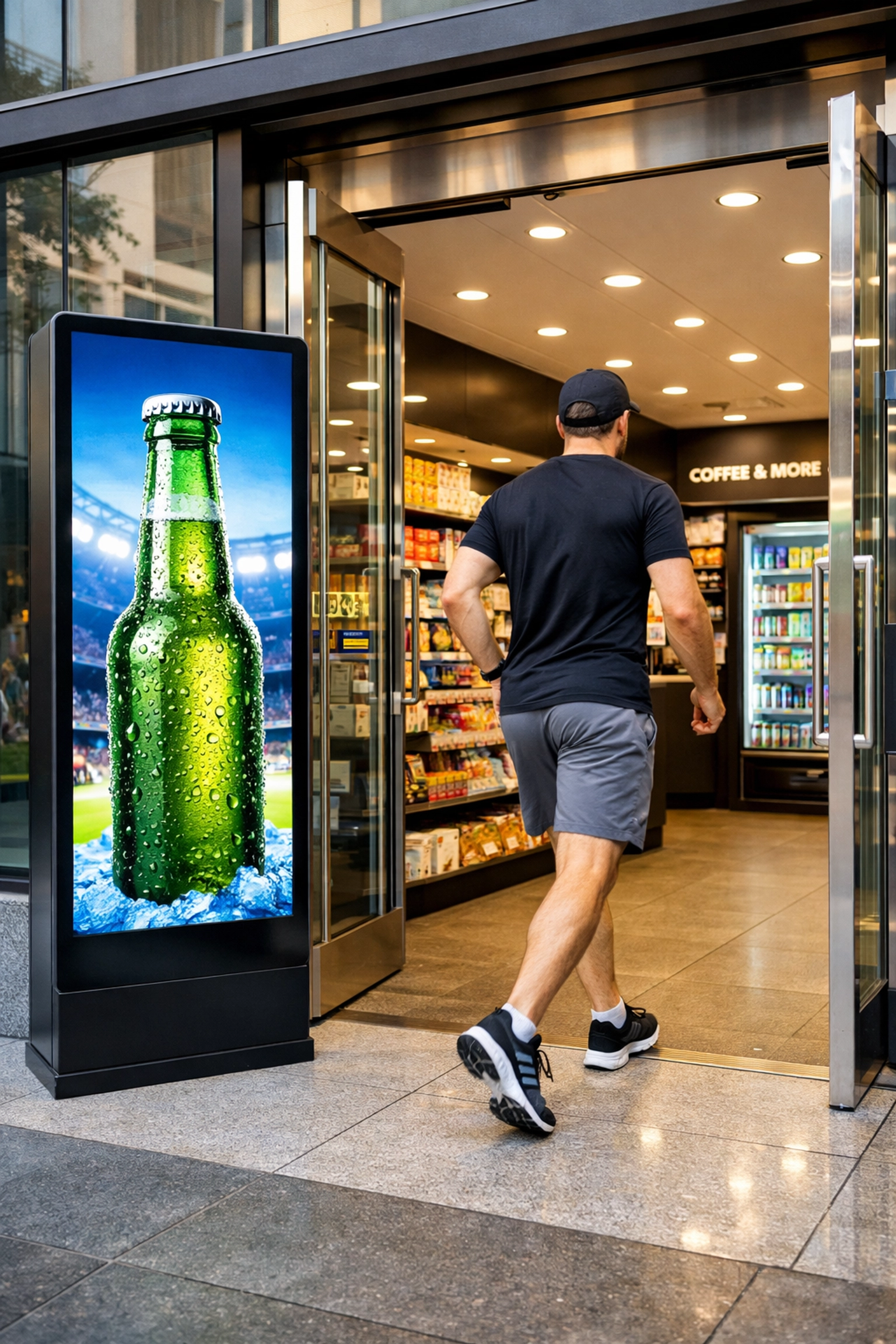
A growing trend in the sports DOOH sector is the integration of retail media networks. By placing digital screens at or near the point of purchase, such as in convenience stores, supermarkets, or sports bars, brands can reach consumers at the exact moment they are making buying decisions.
For consumer packaged goods (CPG) brands, particularly those in the beverage and snack categories, this proximity is invaluable. A fan on their way to a viewing party might see a DOOH ad for a specific drink brand at the entrance of a store. The immediacy of the message, combined with the fan's current intent, creates a high probability of conversion.
Data from Sea-Doo’s first digital OOH campaign demonstrates this impact, with a reported 144 percent increase in purchase consideration. By narrowing the gap between the advertisement and the transaction, DOOH effectively shortens the sales cycle.
Strategic Implementation and Execution
To succeed in sports DOOH, advertisers must move beyond basic placements and embrace a more sophisticated execution model. This involves several critical steps:
- Define Objective-Based Segments: Rather than targeting all sports fans, segment the audience based on specific interests, such as soccer enthusiasts, fantasy league participants, or high-income stadium attendees.
- Select High-Impact Locations: Focus on urban centers, transit hubs, and retail clusters that align with the fan journey. The NYC holiday shopping destination guide serves as a great example of how location-specific strategies can maximize impact in high-traffic areas.
- Leverage Technical Partnerships: Work with specialized platforms and networks like Sportrons to access premium inventory and advanced targeting tools.
- Prioritize Creative Quality: Ensure that assets are designed for the DOOH medium, with high contrast, legible text, and a clear call to action.
- Analyze and Optimize: Use the data from initial flights to refine targeting parameters and creative messaging for future iterations.
The Future Landscape
The future of sports DOOH is characterized by deeper integration and smarter data usage. As the industry moves toward a predicted 50 billion dollar market by 2030, the ability to deliver personalized, real-time messages at scale will be the primary differentiator for successful brands.
The transition from traditional stadium ads to programmatic DOOH is already yielding better ROI for many sports marketers. For a deeper dive into this comparison, readers may find the analysis of programmatic DOOH vs. traditional stadium ads particularly useful.
By staying informed about these trends and adopting a data-driven mindset, brands can ensure they are not just spectators but active participants in the evolving world of sports advertising. The combination of mass reach and digital precision makes DOOH an indispensable tool for any modern marketing toolkit. For more insights on how to navigate this space, visiting the OOH Sports blog offers a wealth of ongoing industry analysis and case studies.