
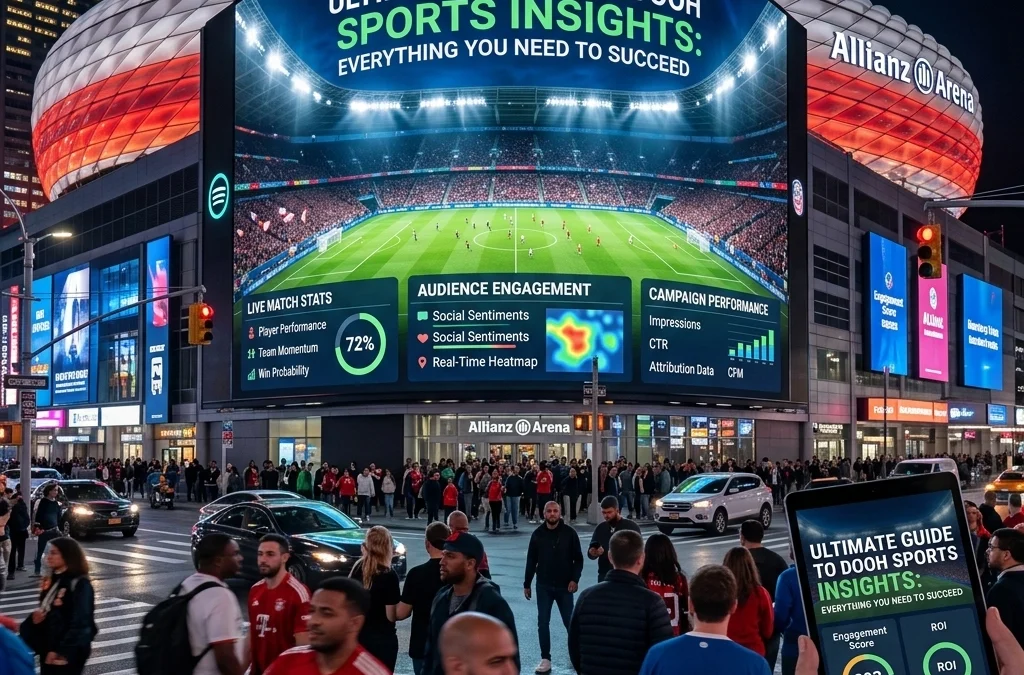
Digital Out-of-Home (DOOH) advertising has undergone a significant transformation within the sports industry. It is no longer restricted to static signage or basic scoreboard mentions. Today, sports media buyers and brand managers leverage sophisticated, data-driven platforms to reach fans exactly where they are. This guide examines the essential insights, technological advancements, and strategic frameworks required to succeed in the modern sports advertising landscape.
The Evolution of Sports Media Consumption
The traditional model of sports marketing focused almost exclusively on the television broadcast. However, current data suggests that fan attention is increasingly fragmented. While the game remains the center of gravity, the fan journey begins long before kickoff and extends far beyond the final whistle.
Digital Out-of-Home advertising bridges the gap between the physical and digital worlds. By placing high-impact screens in transit hubs, sports bars, retail districts, and near stadiums, brands can maintain a constant presence in the fan’s physical environment. The efficacy of this approach is rooted in emotional receptivity. Research indicates that 81 percent of sports fans feel more positive toward brands that sponsor or engage with their favorite teams. Furthermore, 40 percent of consumers report discussing sporting events with peers after seeing a related out-of-home advertisement.
Identifying the High-Value Sports Audience
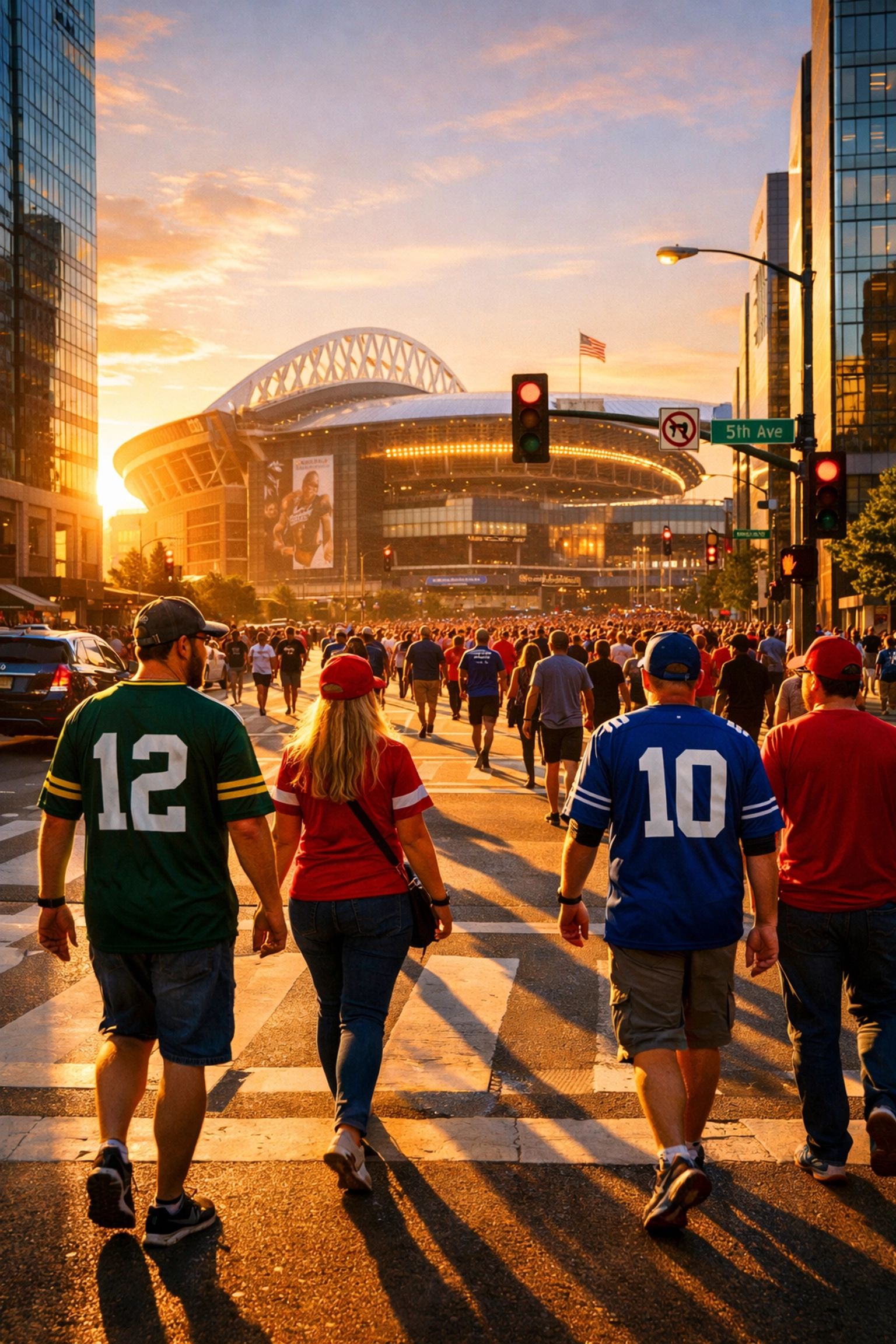
The sports audience is unique because of its inherent mobility and high level of engagement. These individuals are often moving through urban centers, traveling to venues, or gathering in public spaces to watch events. To capture this audience effectively, advertisers must utilize location intelligence and mobility data.
Modern DOOH strategies involve analyzing foot traffic patterns to determine when and where target demographics are most active. For instance, office districts might see high concentrations of fans during weekday lunch hours as they check scores, while retail centers become hotspots during the weekend lead-up to major games. By understanding these behavioral patterns, brands can optimize their spend to ensure maximum visibility during peak engagement windows.
The Power of Dynamic Creative Optimization (DCO)
One of the most significant advantages of digital out-of-home media is the ability to change creative content in real-time. Dynamic Creative Optimization (DCO) allows brands to automate messaging based on external data triggers. This ensures that the advertisement is always relevant to the current context.
Common triggers in sports DOOH include:
- Live Game Scores: Ads that update automatically to reflect the current score or a recent highlight.
- Weather Conditions: Promoting cold beverages on hot game days or rain gear during sudden downpours at the stadium.
- Time of Day: Shifting from pre-game breakfast promotions to post-game celebratory messaging.
- Social Media Sentiment: Incorporating real-time fan reactions or trending hashtags directly onto the screen.
Using Sportrons, brands can integrate these live data feeds seamlessly. When a campaign reacts to a live event, it ceases to be a background advertisement and becomes a part of the fan's real-time experience.
Strategic Activation: The Three Phases of Engagement
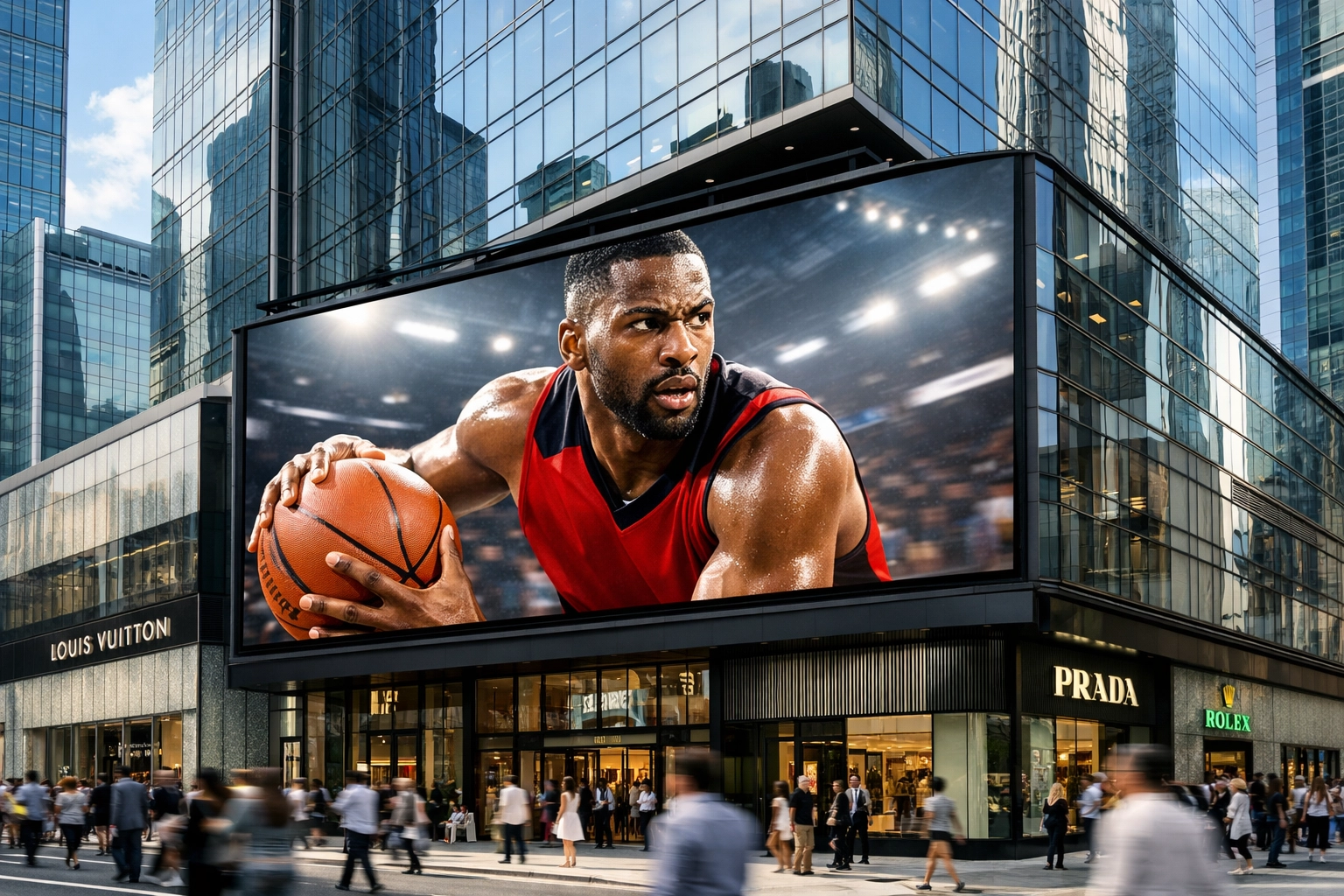
Success in sports DOOH requires a phased approach. A single, static message delivered throughout a week is rarely as effective as a campaign that evolves alongside the event timeline.
Phase 1: Pre-Game Anticipation (48 Hours Prior)
The goal during this phase is to build excitement and assist with fan preparation. Screens located in transit hubs and grocery stores are ideal for this stage. Content should focus on broadcast schedules, countdown clocks, and betting odds. Brands in the food and beverage or retail sectors often see high performance here as fans stock up for viewing parties.
Phase 2: During-Game Immediacy
This phase is defined by communal reaction and high emotional stakes. DOOH screens in high-traffic pedestrian areas or sports-centric entertainment districts provide a platform for real-time engagement. During this window, dynamic score updates and reaction-based creative are most effective.
Phase 3: Post-Game Extension and Retail Drive
After the event concludes, the focus shifts to loyalty and conversion. Post-game creative can celebrate a victory or provide information on where to buy championship merchandise. This phase is critical for driving immediate retail traffic to nearby stores or encouraging digital engagement via QR codes.
Programmatic DOOH and Precision Targeting
The shift toward programmatic buying has revolutionized how sports media is purchased. Programmatic DOOH allows for real-time bidding on inventory, which means brands can turn screens on or off based on specific conditions. If a game is postponed or a specific team is eliminated from a tournament, the programmatic system can automatically reallocate the budget to more relevant markets or upcoming events.
This level of agility is a primary reason why 67 percent of media planners are moving budgets toward digital platforms. Programmatic execution also enables more granular audience segmentation. Instead of buying a blanket area, advertisers can target specific device IDs that have shown an interest in sports, ensuring that the message reaches the most relevant individuals. More information on these advanced targeting methods can be found on the OOH Sports marketing page.
Case Studies: Measurable Impact in Sports and Lifestyle
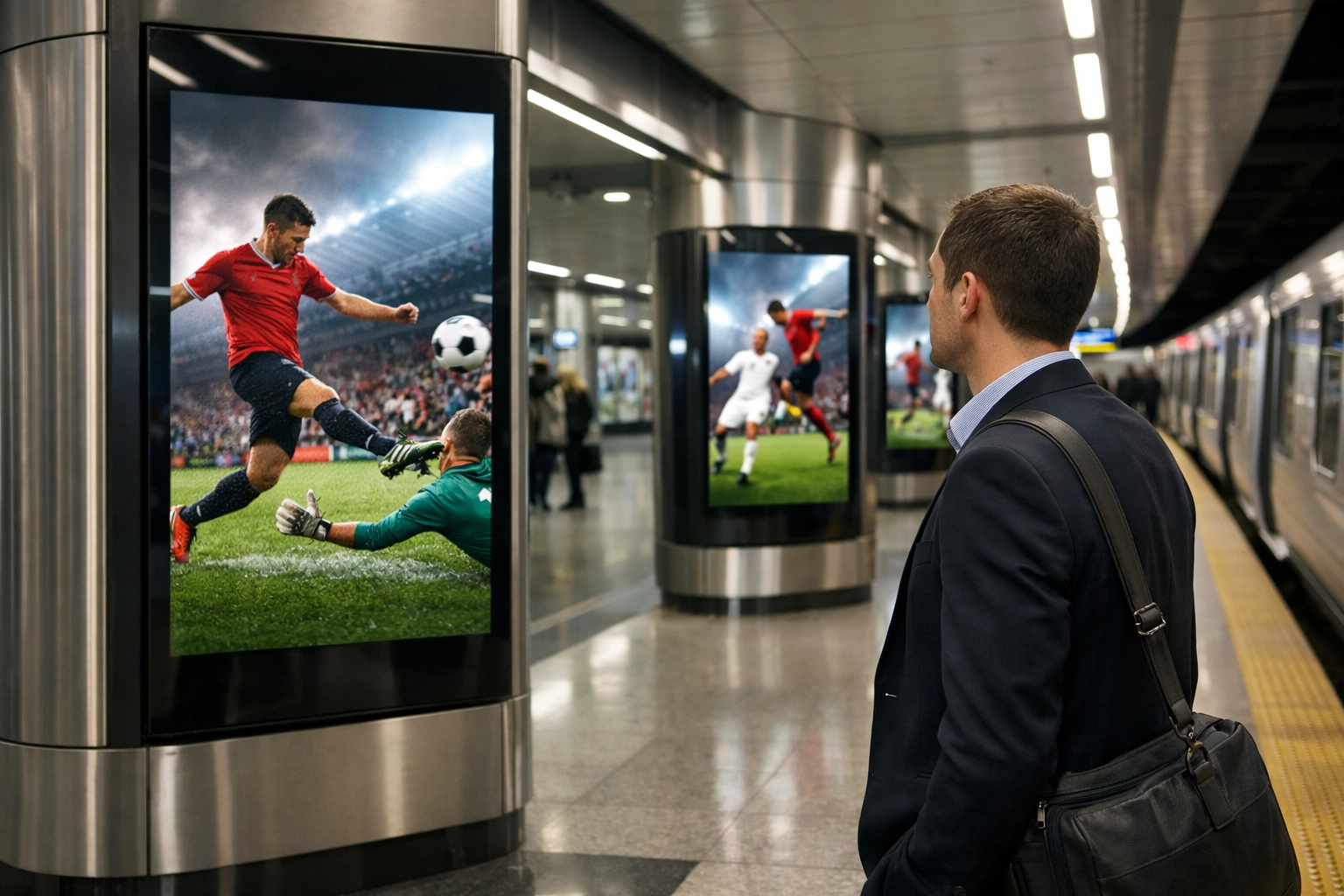
The effectiveness of DOOH in driving brand metrics is well-documented through various industry studies. These examples highlight how precision targeting and dynamic content lead to quantifiable results.
- White Claw and Purchase Consideration: In a programmatic DOOH campaign designed to launch a new vodka product, White Claw utilized strategic screen placement and audience targeting. The campaign resulted in a 74 percent lift in purchase consideration. Detailed logistics of this execution are available in the White Claw case study.
- Mike’s Hard Iced Tea and Brand Image: Seeking to improve brand perception, Mike’s Hard Iced Tea launched a campaign that achieved a 119 percent lift in positive brand image. This was achieved by aligning the brand with high-energy social environments where fans typically gather. The full results can be reviewed in the Mike’s Hard report.
- Sea-Doo and First-Time DOOH Adoption: For its first venture into the digital out-of-home space, Sea-Doo targeted outdoor enthusiasts and sports fans in specific coastal regions. This strategic focus led to a 144 percent increase in purchase consideration, proving that even brands new to the medium can achieve massive scale. Read the Sea-Doo analysis.
- Nike and the NYC Marathon: Even without being an official sponsor, Nike utilized DOOH to dominate the conversation during the NYC Marathon. By using high-visibility screens along the marathon route and surrounding areas, the brand created a perception of total event saturation. This strategy is outlined in the Nike marathon review.
Omnichannel Synergy and the Halo Effect
DOOH does not exist in a vacuum. Its greatest strength is its ability to amplify other marketing channels. When a fan sees a consistent message on a large-format digital billboard and then encounters the same brand on a mobile social feed or a streaming platform, the "halo effect" occurs. This repetition builds trust and reinforces brand recall.
Strategic coordination involves:
- Streaming Alignment: Coordinating DOOH ads to run in cities where high numbers of residents are streaming a specific game.
- Mobile Retargeting: Serving mobile ads to users who were in the vicinity of a specific DOOH screen during a campaign window.
- Visual Consistency: Ensuring that the high-impact visuals used on large screens are adapted for smaller mobile devices to maintain a unified brand voice.
Best Practices for Sports DOOH Success
To achieve optimal results, brands should adhere to a set of standardized best practices tailored for the sports environment.
- Prioritize Clarity: Because DOOH screens are often viewed by people in motion, the creative must be legible and impactful within seconds. Bold fonts and high-contrast colors are essential.
- Leverage Local Relevance: Mentioning local teams, rivalries, or city-specific landmarks can significantly increase the resonance of an ad.
- Utilize Attribution Tools: Work with partners to conduct brand lift studies and foot traffic attribution. Measuring the delta between exposed and unexposed groups is the only way to accurately judge the return on investment.
- Stay Flexible: The world of sports is unpredictable. Using programmatic platforms allows brands to pivot their strategy in response to upsets, injuries, or rescheduled games.
Implementing a Winning Strategy
The convergence of technology and fan passion has made DOOH one of the most effective channels in the advertising industry. By focusing on data-driven targeting, dynamic content, and phased activations, brands can move beyond simple visibility and achieve genuine engagement.
For companies looking to explore the technical aspects of these campaigns, the OOH Sports blog provides ongoing updates on industry trends. Understanding the legal and operational frameworks of these advertisements is also crucial, and resources such as the terms of service and company policies offer necessary guidance for partners.
The ultimate goal of any sports DOOH campaign is to become a natural part of the fan’s journey. When advertising provides value, through real-time updates or relevant offers, it enhances the overall sports experience. This integration is the key to long-term success in the competitive landscape of sports media. Organizations ready to begin their next activation can reach out via the contact page to discuss specific campaign objectives.