
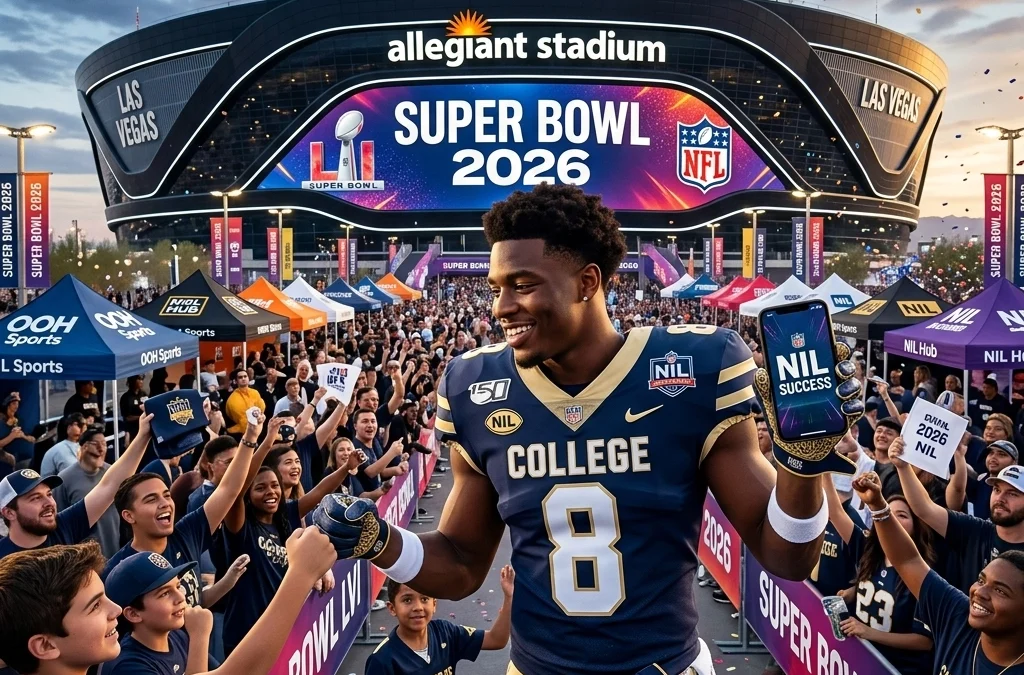
Super Bowl LX, held in February 2026, represented a definitive shift in the sports marketing landscape. While traditional television commercials remained a staple of the event, the integration of Name, Image, and Likeness (NIL) campaigns reached unprecedented levels of sophistication and impact. For media buyers and brand managers, the 2026 season proved that the most effective way to capture consumer attention was not just through a thirty-second spot, but through the authentic voices of thousands of student-athletes.
This guide analyzes the strategic framework that allowed top brands to succeed at Super Bowl 2026. It highlights the transition from celebrity-centric marketing to a more decentralized, high-engagement model powered by the OOH Sports NIL platform and its network of over 20,000 student-athletes.
The Objective: Authenticity at Scale
The primary objective for brands during the 2026 Super Bowl cycle was to bridge the gap between high-level brand identity and hyper-local, hyper-engaged audiences. Data from the event indicated that brands utilizing a hybrid approach, combining traditional media with NIL athlete authenticity, saw a 35 percent higher engagement rate on social platforms compared to those relying solely on legacy Hollywood talent.
The goal was to move beyond the polished, often sterile feel of big-budget advertisements. Consumers, particularly in the Gen Z and Millennial demographics, showed a clear preference for content that felt organic and relatable. By leveraging the NIL platform, media buyers accessed a diverse ecosystem of voices that resonated across different community segments, academic institutions, and regional markets.

Strategy: The Three-Phase Campaign Framework
Successful NIL integration at the 2026 Super Bowl followed a structured three-phase strategy. This methodical approach ensured that brand messaging was consistent, timely, and optimized for maximum reach.
Phase 1: Pre-Game Anticipation (The Lead-Up)
The lead-up to the Super Bowl began weeks in advance. During this phase, talent selection was paramount. Media buyers utilized the OOH Sports NIL platform to identify athletes whose personal brands aligned with specific campaign goals. Selection criteria focused on:
- Vibe-Based IP Potential: Identifying athletes with a natural affinity for the brand.
- Audience Alignment: Matching athlete demographics with target consumer profiles.
- Content Capability: Ensuring the talent could produce high-quality, engaging content that met professional standards.
By deploying NIL talent 24 to 48 hours before the game, brands built anticipation. Athletes shared their game day predictions, travel stories, and behind-the-scenes preparation, creating a narrative arc that peaked during the broadcast.
Phase 2: Game Day Real-Time Execution
Game day required a "war room" mentality. While the television broadcast provided a massive reach, the real-time conversation happened on mobile devices. Brands that succeeded utilized their NIL network to react to the game as it unfolded. When significant plays occurred, athletes provided immediate reactions, creating a sense of shared experience with their followers. This level of agility is difficult to achieve with traditional pre-produced creative but is inherent to the nature of student-athlete content.
Phase 3: Post-Game Impact Analysis
The final phase involved moving beyond vanity metrics like views or likes. Successful campaigns focused on sentiment analysis and conversion tracking. Media buyers analyzed how the NIL partnerships influenced brand perception and purchase intent in the weeks following the event.
Leveraging 20,000 Authentic Voices
Central to the success of these strategies was the ability to scale. The OOH Sports NIL platform provides access to over 20,000 student-athlete voices, allowing brands to execute national campaigns with local precision.
This massive network functions as a distributed media channel. Instead of one voice speaking to millions, thousands of voices speak to their specific, loyal communities. This decentralization of influence is a key component of modern marketing strategies. For media buyers, this means the ability to target specific geographic regions or sports-specific niches, ensuring that every dollar spent is reaching a relevant audience.
Technology and Programmatic Integration
The 2026 Super Bowl showcased the power of combining NIL with programmatic Digital Out-of-Home (DOOH) advertising. Much like the White Claw campaign, which saw a 74 percent lift in purchase consideration, NIL campaigns in 2026 were increasingly data-driven.
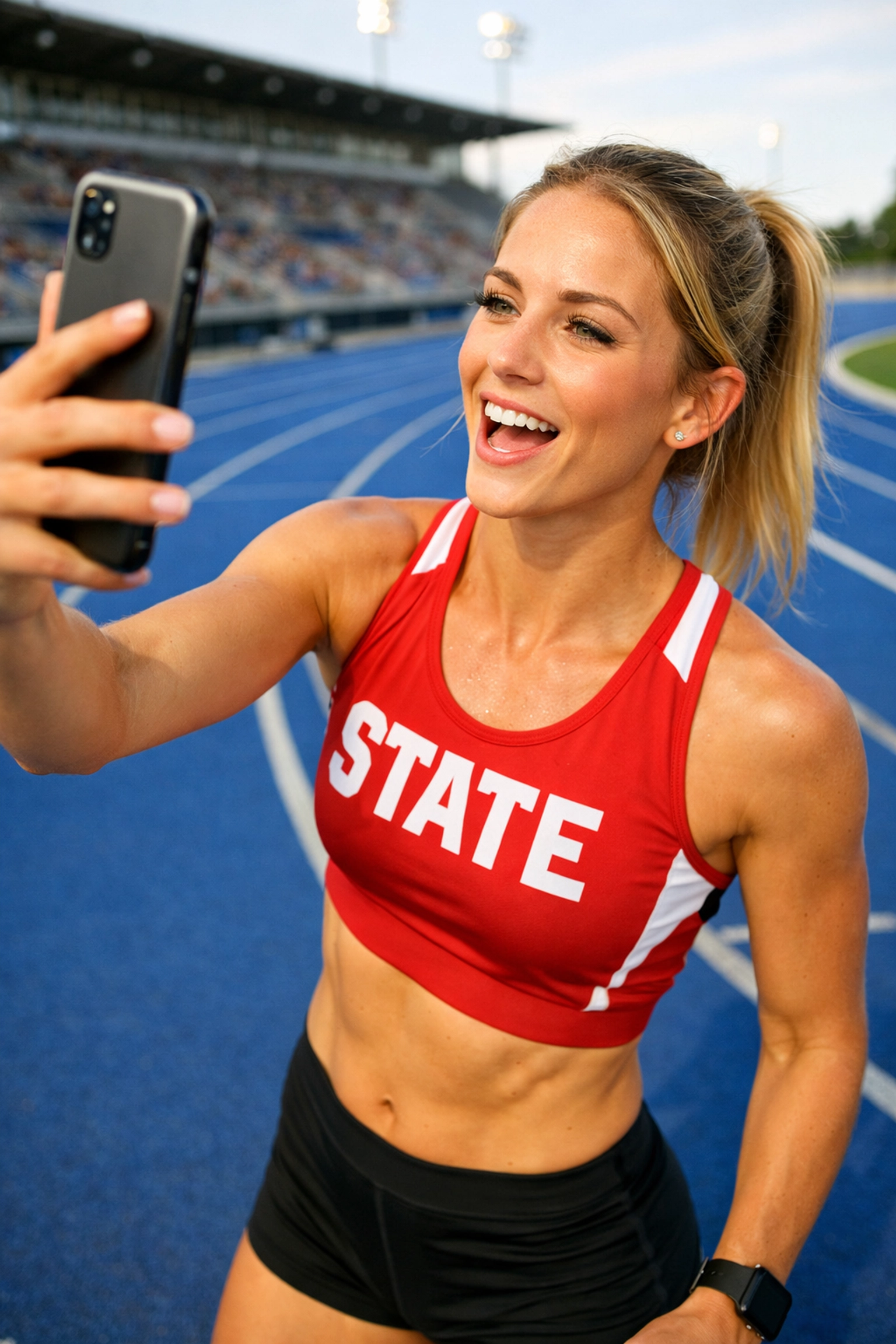
By integrating NIL content into digital billboards and Sportrons, brands created a seamless omnichannel experience. A consumer might see a student-athlete's reaction on TikTok, then encounter that same athlete's image on a digital display near a retail location. This repetition across different touchpoints solidifies brand recall.
For more information on the technological side of these campaigns, media buyers can explore the StackAdapt DSP spotlight to understand how programmatic adoption is driving results in the sports advertising space.
Case Study Comparison: NIL vs. Traditional
To understand why NIL was so effective at Super Bowl LX, one can look at previous successful DOOH and sports-related campaigns. For instance, AB InBev’s Mike’s Hard Iced Tea saw a 119 percent lift in positive brand image through programmatic DOOH.
When NIL talent was added to this mix in 2026, the results were even more pronounced. The student-athletes provided a "human" element that traditional digital creative sometimes lacks. This combination of high-tech distribution and high-touch authenticity created a synergy that defined the most successful campaigns of the year.
The Importance of Professional Production
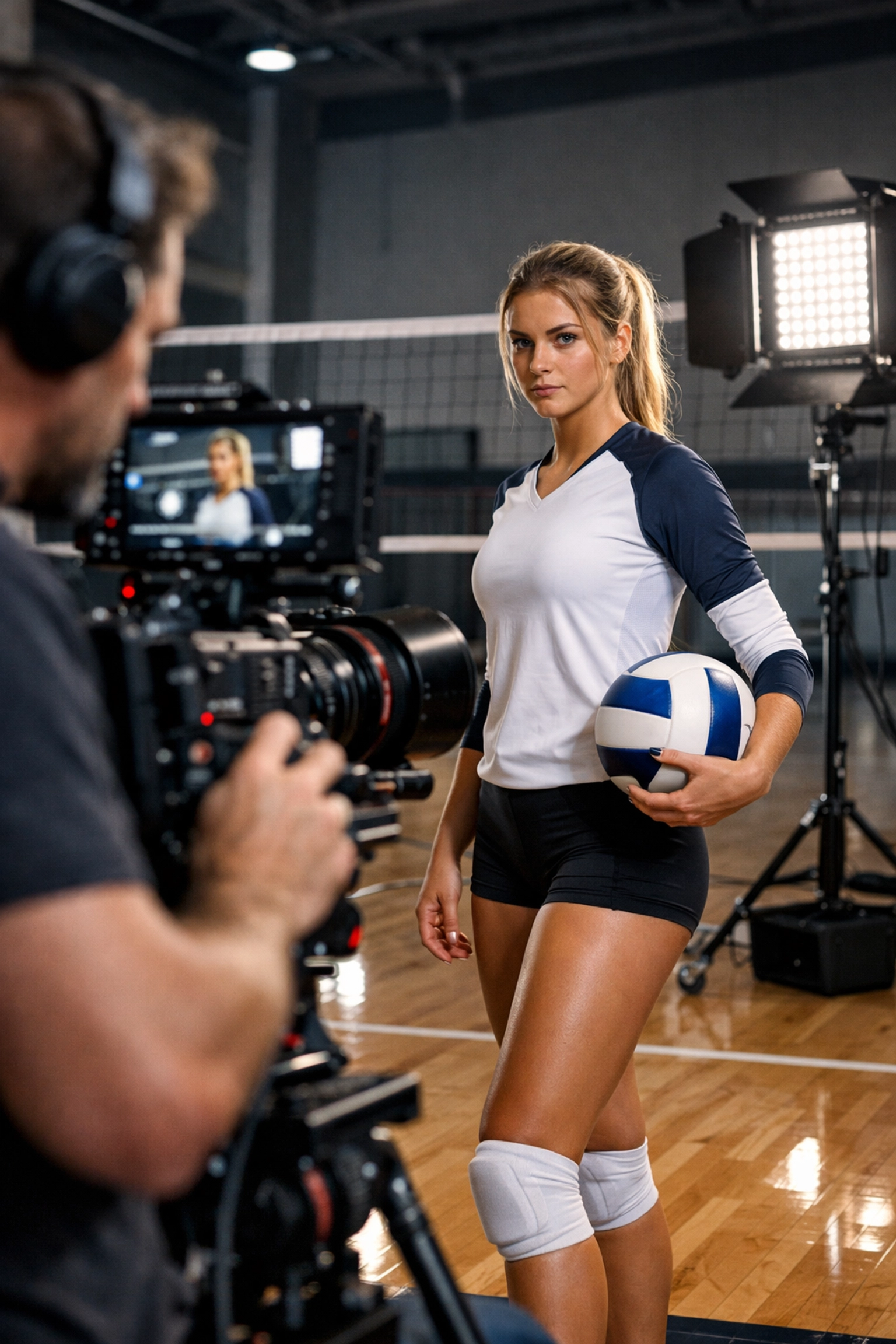
While authenticity is key, Super Bowl 2026 proved that quality still matters. Brands that succeeded did not settle for poor lighting or muffled audio. They provided their NIL partners with the tools or guidance necessary to maintain a standard of professional production that respected both the brand and the athlete’s image.
This balance between "real" and "professional" is where the expertise of the OOH Sports team and their case studies provide significant value. By providing a framework for content creation, the platform ensures that the 20,000+ voices maintain a level of quality that aligns with high-stakes advertising environments.
Video: The Future of NIL at Major Sporting Events
To better understand the visual and cultural impact of these NIL strategies, watch the following overview of how student-athlete voices are being integrated into the biggest stages in sports.
https://www.youtube.com/watch?v=l6J-0zileKE
Results: Data-Driven Success Metrics
The effectiveness of the NIL strategies at Super Bowl 2026 was reflected in the final reporting data. Key metrics included:
- Purchase Consideration: Similar to Sea-Doo’s first digital OOH campaign, which saw a 144 percent increase, NIL-driven campaigns reported substantial lifts in consumer intent to buy.
- Brand Sentiment: Analysis showed that brands using NIL athletes were perceived as more "trustworthy" and "in touch" by younger demographics.
- Cost-Efficiency: While Super Bowl airtime prices continued to rise, the CPM (cost per thousand impressions) for NIL campaigns remained highly competitive, offering a better ROI for many mid-sized to large brands.
The total market for sports advertising is projected to continue its rapid growth. As noted in the discussion of DOOH sports advertising hitting $50 billion by 2030, the role of NIL will only become more central to that valuation.
Future Outlook: Beyond Super Bowl 2026
The lessons learned from Super Bowl 2026 are now being applied to other major events, including the Olympics and various collegiate championships. The transition from a single-spokesperson model to a multi-voice NIL model is no longer a trend but a standard operating procedure for savvy media buyers.
Brands looking to replicate this success must focus on the infrastructure required to manage thousands of relationships simultaneously. The OOH Sports NIL platform simplifies this complexity, providing a single point of entry for brands to engage with the next generation of sports influencers.
For brands and agencies ready to begin planning their next major sports activation, further details can be found on the about page or by reaching out via the contact page. Understanding the mechanics of these campaigns is the first step toward succeeding in an increasingly decentralized and authentic advertising world.
As the industry moves forward, the focus remains clear: use technology to scale authenticity. By empowering 20,000 student-athletes to tell their stories, brands are finding that the most powerful way to reach a stadium full of fans is by speaking to them one authentic voice at a time.