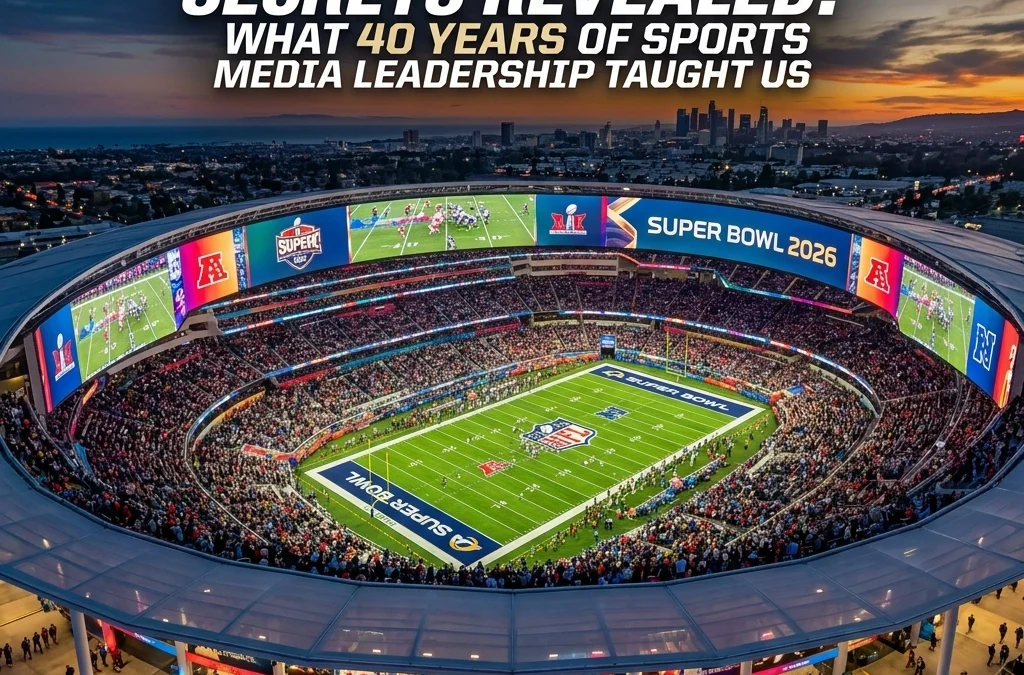
The Super Bowl is no longer just a football game. It is a massive cultural ecosystem that requires a sophisticated, multi-layered approach to advertising. As the industry prepares for Super Bowl 2026, the lessons learned from 40 years of sports media leadership at OOH Sports provide a clear roadmap for brands looking to dominate the landscape. The traditional model of relying solely on a high-priced 30-second television spot is considered a strategy of the past. Today, success is defined by total venue-wide coverage and a data-driven framework that begins months before the opening kickoff.

The Shift From Moments to Ecosystems
Four decades of experience in the advertising sector have revealed a fundamental shift in how audiences consume the Super Bowl. In the past, the primary goal was to win the water cooler conversation on Monday morning. In the current era, the goal is to own the entire consumer journey. This involves a transition from "moment marketing" to "ecosystem thinking."
A single commercial, while valuable for reach, often fails to convert if it lacks a supporting infrastructure. The most successful campaigns for Super Bowl 2026 will be those that integrate physical out-of-home (OOH) assets with digital precision. This integrated approach ensures that the brand message is seen on the streets, in the stadium hallways, on the venue floors, and on the mobile devices of every fan in attendance.
Objective and Strategy: The Media Precision Framework
The core of the OOH Sports approach is the Media Precision framework. This system is built on data collected over forty years of sports marketing events. The strategy focuses on eliminating the guesswork often associated with large-scale event advertising.
Strategic Architecture
The framework relies on a strategic architecture that treats the host city and the stadium as a single, interconnected grid. Instead of viewing a billboard as an isolated asset, the Media Precision framework views it as a touchpoint in a larger narrative. The objective is to create a frequency of exposure that leads to a measurable lift in brand preference.
Target Audience Precision
Utilizing advanced targeting tools, the strategy identifies high-value audience segments based on historical attendance data, travel patterns, and consumer behavior. This allows for the deployment of programmatic digital out-of-home (DOOH) ads that trigger only when specific audience densities are met.
The Three-Wave Execution Model
The lead-up to Super Bowl 2026 follows a strict three-wave calendar. Each wave has a specific objective and uses different combinations of media assets to achieve its goals.
Wave 1: The Foundation (6 Months Pre-Game)
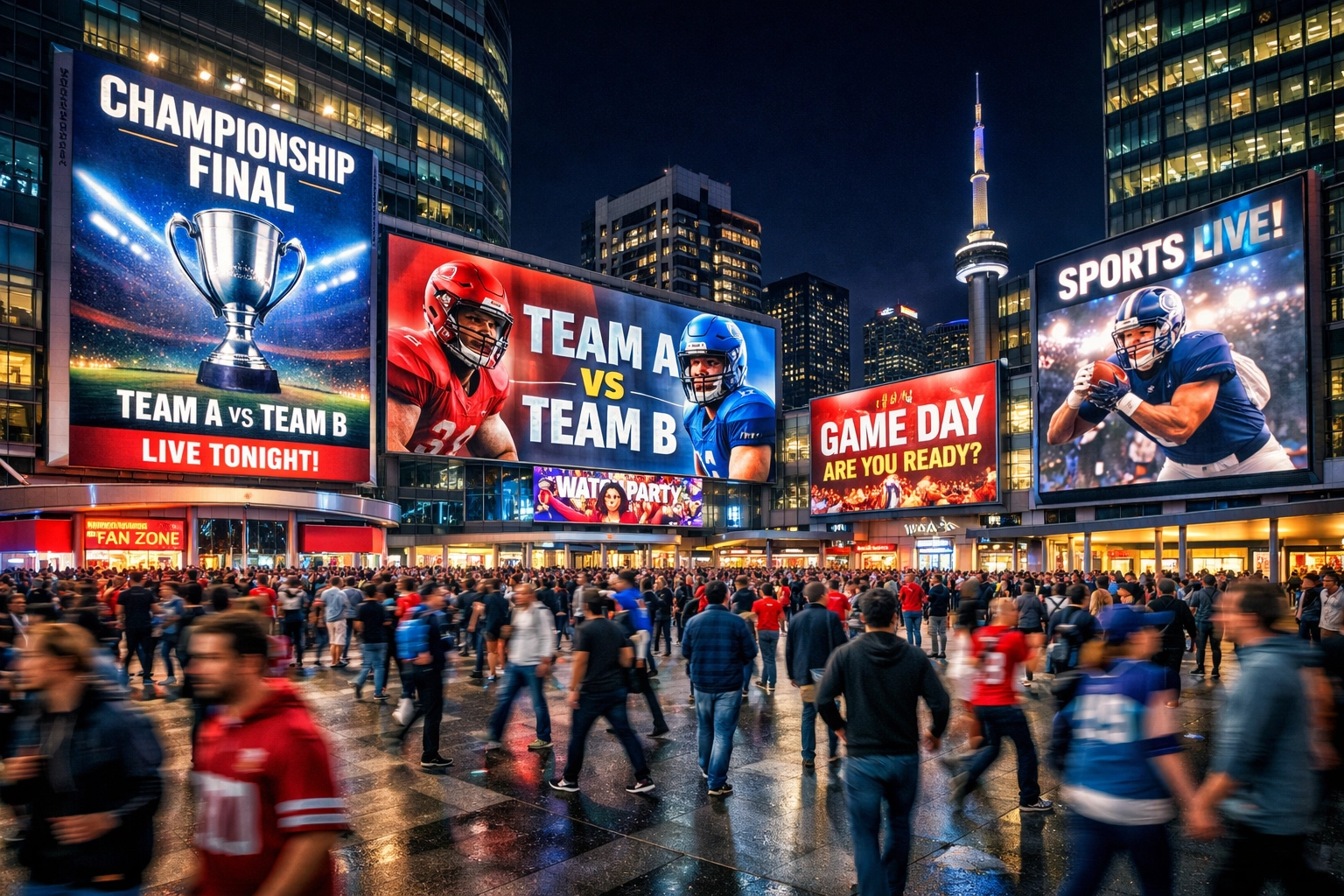
The first phase is about establishing a presence. This involves securing prime real estate in the host city and surrounding transportation hubs. Large-format billboards and airport takeovers are used to signal brand authority. The goal here is long-term brand recall.
Wave 2: Product Proof (14 Days Pre-Game)
Research into 40 years of advertising trends shows that the two weeks leading up to the game are critical for social validation. During this wave, the strategy shifts toward "Product Proof." This involves using comparison messaging and influencer endorsements across DOOH networks. When fans arrive in the host city, they should see consistent messaging that validates the brand's position as a market leader.
Wave 3: The Big Game (48 Hours Pre-Game through Kickoff)
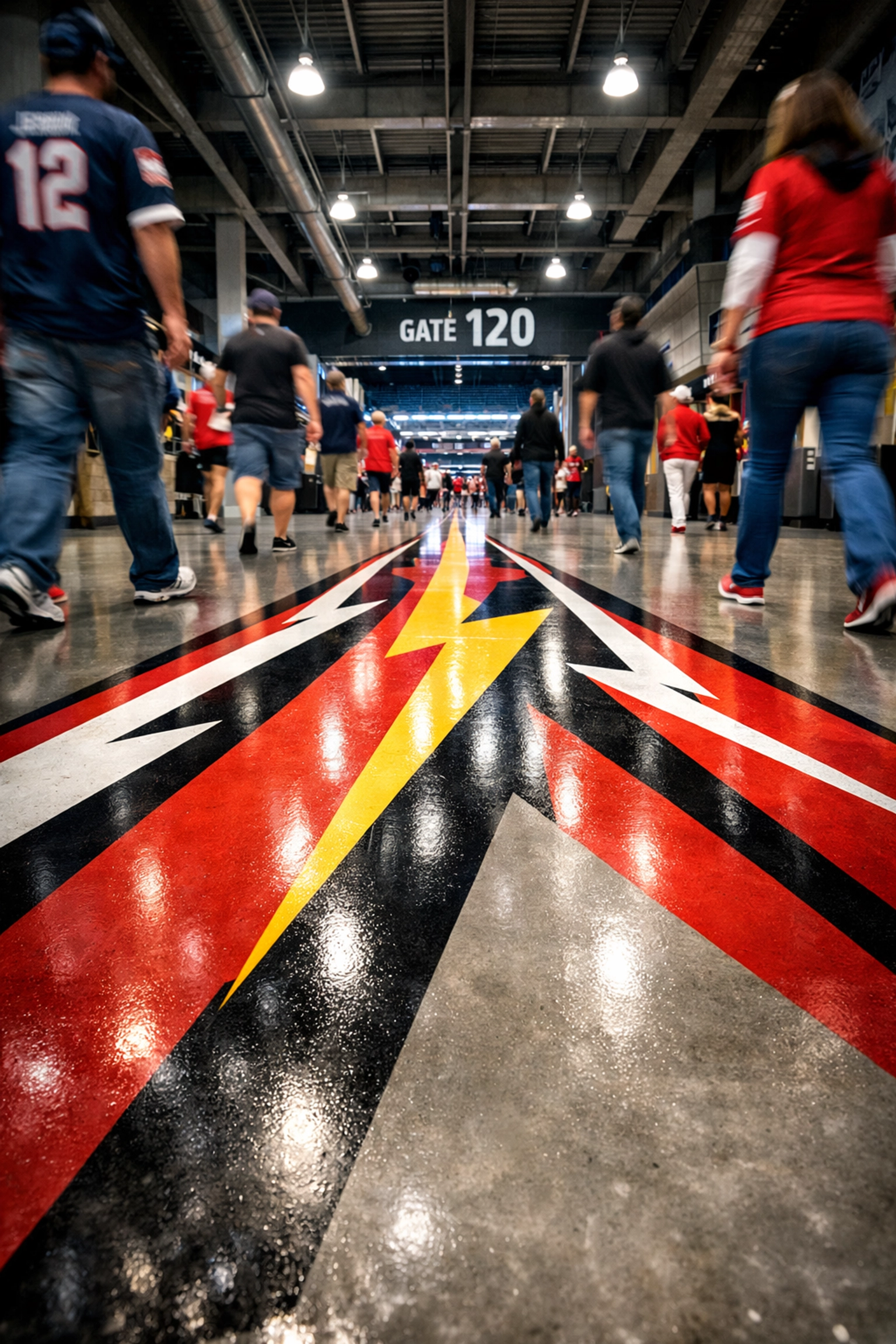
The final wave is about total immersion. This is where venue-wide coverage becomes the priority. Coverage extends from the parking lot to the stadium floors. Digital displays in the stadium corridors and branding on the physical floors of high-traffic areas ensure that the brand is unavoidable.
https://www.youtube.com/watch?v=l6J-0zileKE
Venue-Wide Coverage: From Floors to Billboards
One of the "secrets" revealed by long-term industry leadership is the power of unconventional ad space. While most brands fight for the largest screen, veteran advertisers look at the ground.
Floor Graphics and Wayfinding
In a crowded stadium environment, fans often look down to navigate. Floor graphics serve as both a branding tool and a functional guide. High-durability adhesives and vibrant colors turn walkways into premium advertising space. This tactic has shown a significant impact on brand recall because it catches the viewer in a moment of active navigation rather than passive observation.
The Billboards of the Future
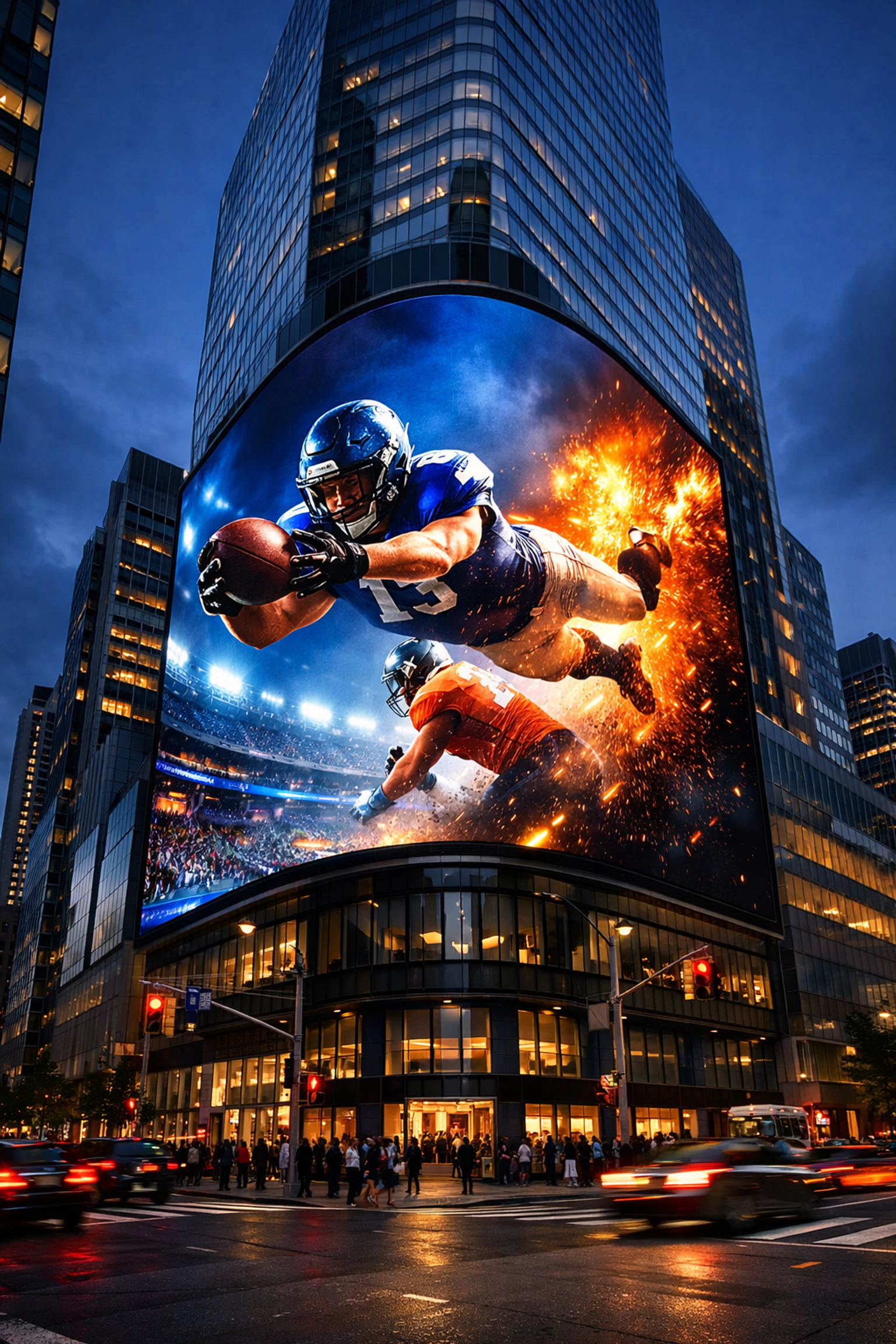
Modern billboards used for Super Bowl 2026 are more than static images. They are equipped with technology that allows for real-time updates. If a specific player makes a game-changing play, the creative on the billboards throughout the city can change in seconds to reflect that moment. This level of relevance is what creates a lasting connection with the audience.
Technology Partners and Logistics
Executing a campaign of this magnitude requires a complex logistical operation. OOH Sports utilizes a network of technology partners to manage thousands of physical and digital assets simultaneously.
Programmatic DOOH Platforms
Programmatic technology allows for the automated buying and selling of ad space. This means that if a brand wants to target fans only when they are near the stadium entrance during a specific window of time, the system handles the execution. This level of precision reduces waste and ensures that every dollar spent is optimized for maximum impact.
Device ID Exposure and Retargeting
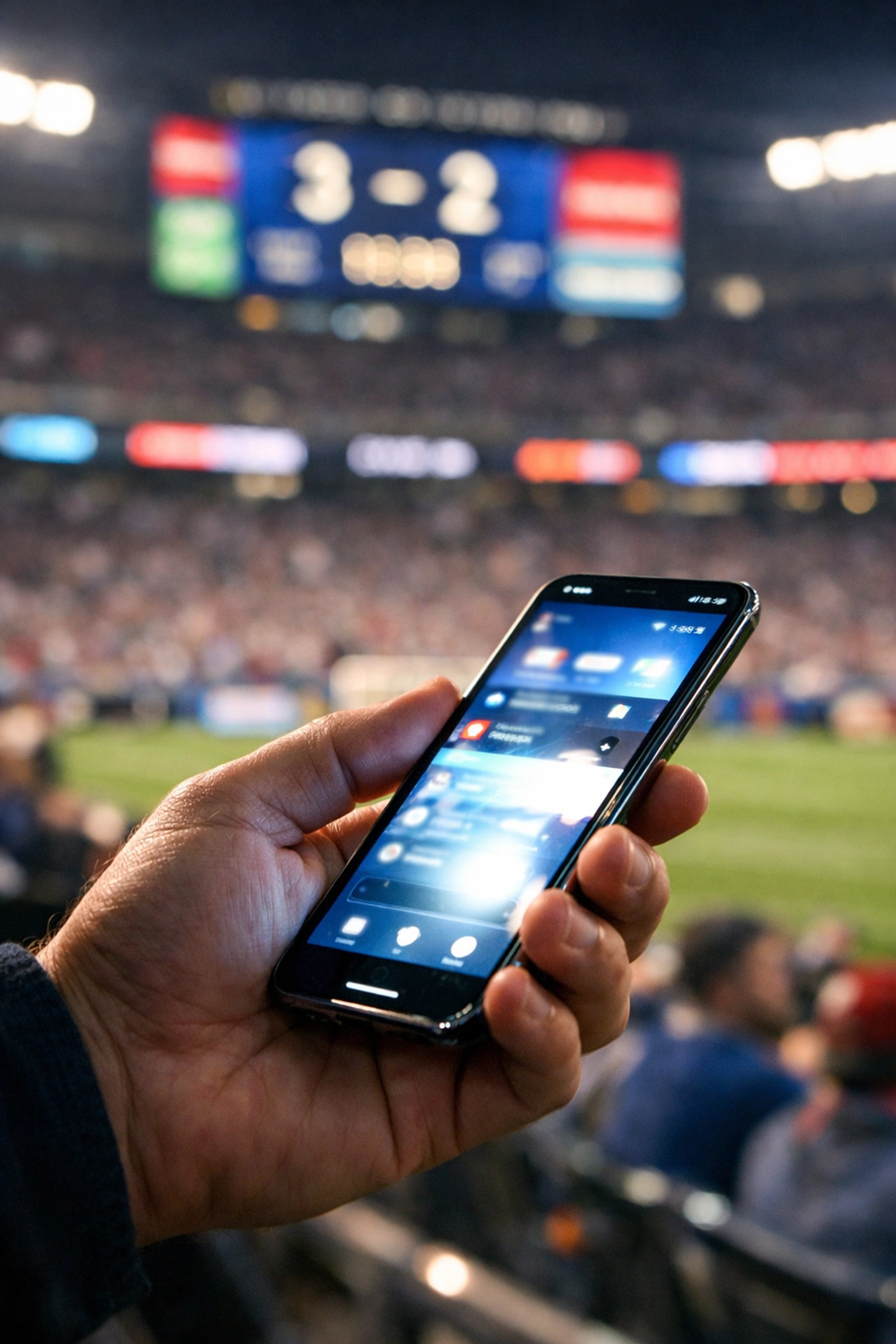
A key component of the 2026 strategy is the use of device ID tracking. When a fan passes a digital billboard or stands near a branded floor graphic, their anonymized device ID is recorded. This allows for post-event retargeting on social media and mobile apps. This "omnichannel" approach bridges the gap between physical advertising and digital conversion.
Measurable Results and Impact
The success of these strategies is not measured by "buzz" alone. It is measured by data. Campaigns using the Media Precision framework have consistently delivered impressive results in previous large-scale sporting events.
- Brand Lift: Studies have shown a 25% to 35% increase in brand preference among audiences exposed to venue-wide OOH advertising compared to those only exposed to television ads.
- Search Intent: There is a direct correlation between high-impact OOH placements and a spike in mobile search queries for the brand during the event.
- Attribution: By tracking device IDs, advertisers can see a clear path from a stadium exposure to an online purchase or app download in the weeks following the game.
The Logistics of Excellence
Managing the logistics for a Super Bowl campaign involves coordinating with city officials, stadium management, and local printing facilities. The process for floor graphics alone requires specialized installation teams that work through the night to ensure every asset is perfectly placed.
The scale of the operation for 2026 includes:
- Over 500 digital billboard faces across the host city.
- Thousands of square feet of floor branding within the stadium perimeter.
- Geofencing zones that cover a 10-mile radius around the venue.
- Real-time creative optimization based on game-day events.
Conclusion: The New Standard
As the world looks toward the 2026 kickoff, the lessons of the past 40 years are clear. The brands that win will be the ones that understand the Super Bowl as a physical space as much as a digital one. By moving away from the "one-hit wonder" commercial model and embracing a multi-layered, venue-wide strategy, advertisers can achieve a level of ROI that was previously thought impossible.
The secrets of Super Bowl success are no longer hidden. They are written on the billboards, printed on the floors, and delivered to the smartphones of millions of fans. OOH Sports remains at the forefront of this evolution, applying four decades of leadership to ensure that the 2026 game is the most successful advertising event in history.