
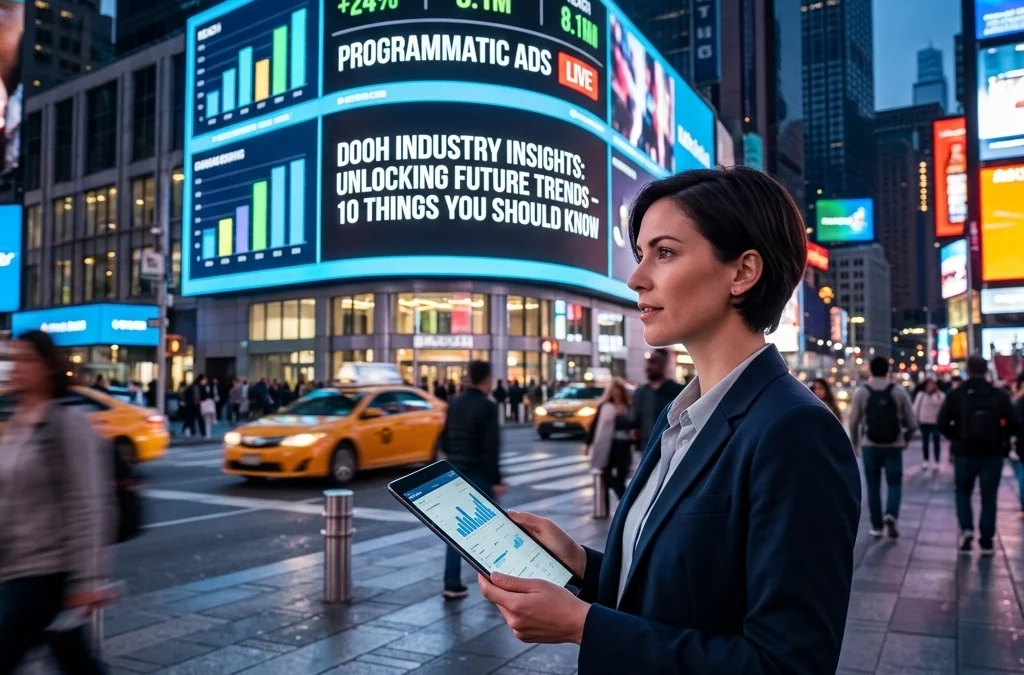
The landscape of out-of-home advertising is undergoing a rapid digital transformation. As traditional static billboards make way for vibrant, data-driven screens, the industry is entering a new era of precision and engagement. For brands looking to capture attention in high-traffic environments, understanding these shifts is no longer optional. This newsletter-style guide explores ten critical insights into the digital out-of-home (DOOH) industry, specifically focusing on how these trends impact sports marketing and programmatic advertising.
1. Exponential Market Growth and Revenue Shifts
The global digital out-of-home advertising market is on a steady upward trajectory. Projections indicate the market value will reach nearly $40 billion by 2030. In North America specifically, the market is estimated to grow at a compound annual growth rate (CAGR) of nearly 5 percent. This growth is driven by the migration of advertising budgets from traditional print and television toward digital platforms that offer more flexibility.
Advertising revenues for DOOH are significantly outpacing overall out-of-home growth. While total OOH spending sees modest annual increases, DOOH investments often surge by double digits in specific quarters. This shift suggests that media planners are prioritizing the dynamic nature of digital screens over static installations. To understand how to capture a share of this growing market, brands can explore 7 strategies to capture your share of the projected $50 billion sports advertising market.
2. The Surge in Digital Billboard Installations
There has been a significant increase in the number of digital billboards across the United States. In a single recent year, the volume of digital billboard installations grew by 40 percent, reaching over 16,000 units. This expansion provides advertisers with more opportunities to secure premium placements in high-visibility areas.
The increase in inventory allows for more competitive pricing and better coverage in urban centers and along major highways. As more static faces are converted to digital, the ability to share a single location among multiple advertisers increases the overall efficiency of the medium for property owners and brands alike.
3. The Programmatic Efficiency Model
Programmatic advertising has fundamentally changed how media inventory is purchased and managed. By automating the buying process, brands can now place ads in real-time based on specific triggers rather than committing to long-term static contracts. Programmatic DOOH (pDOOH) allows for precise optimization, ensuring that ads are shown only when certain conditions are met.
This model reduces waste and improves return on investment. For instance, campaigns can be set to run only during peak commuting hours or when specific audience segments are likely to be present. The integration of Demand-Side Platforms (DSPs) has streamlined the adoption of DOOH within omnichannel campaigns, allowing for a cohesive brand message across mobile, web, and physical locations.
4. AI-Powered Personalization and Dynamic Creative
Artificial intelligence is becoming a cornerstone of DOOH strategy. Advertisers use AI to analyze vast amounts of data and deliver contextually relevant content. Generative AI tools now enable the creation of hyper-localized creatives that can be adjusted in real-time based on location, weather, or time of day.
Dynamic creative optimization ensures that the message remains fresh and relevant. A campaign might show a refreshing beverage on a hot afternoon and shift to a warmer, comfort-focused product if the temperature drops. This level of responsiveness was previously impossible with traditional billboards, making DOOH a much more agile tool for modern marketers.
5. Urbanization and High-Traffic Visibility
Rising urbanization remains a primary driver for DOOH growth. As more people move into urban centers, foot traffic and vehicular congestion in these areas increase the number of potential impressions for every digital screen. High-density environments like transit hubs, shopping districts, and sports entertainment complexes offer concentrated audiences.
The proximity of these screens to points of purchase is a major advantage. When a digital ad is seen by a consumer who is already out of the house and near a retail location, the path to conversion is significantly shortened.
6. The Growth of Retail and In-Store Media
Retailers are increasingly leveraging DOOH for dynamic in-store displays. By the end of the decade, DOOH is expected to represent nearly a quarter of all in-store retail media advertising spending. These screens help elevate the shopping experience by providing timely promotions and product information right at the shelf.
Digital screens in retail environments offer the flexibility to update messaging instantly. If a specific product is overstocked, a retailer can launch a targeted DOOH campaign across their locations to drive immediate sales. This agility helps manage inventory while providing shoppers with relevant deals.
7. Transforming Sports Marketing with Digital Screens
Traditional stadium sponsorships are being supplemented, and in some cases replaced, by vast networks of digital screens. With tens of thousands of digital screens available in and around sports venues, brands can target fans with high precision. This shift is explored in detail in the analysis of how 25,000 digital screens are changing sports marketing.
Digital screens allow brands to engage with fans during the most emotional moments of a game. Perimeter targeting and "fan zone" displays create an immersive experience that static banners cannot match. This approach ensures that a brand is part of the event's energy rather than just a background element.
8. Real-Time Integration for Sports Betting
The legalization of sports betting has opened a massive new vertical for DOOH. Modern campaigns can now integrate live odds and betting data directly onto digital screens. This capability allows betting platforms to launch campaigns that react to game developments in real-time.
Launching real-time sports betting campaigns requires a sophisticated technological stack but offers high conversion rates. When a fan sees updated odds on a screen near the stadium or in a sports bar, the impulse to engage is much higher. Strategies for this are detailed in the guide on how to launch real-time sports betting DOOH campaigns that convert.
9. Advanced Measurement and Brand Lift
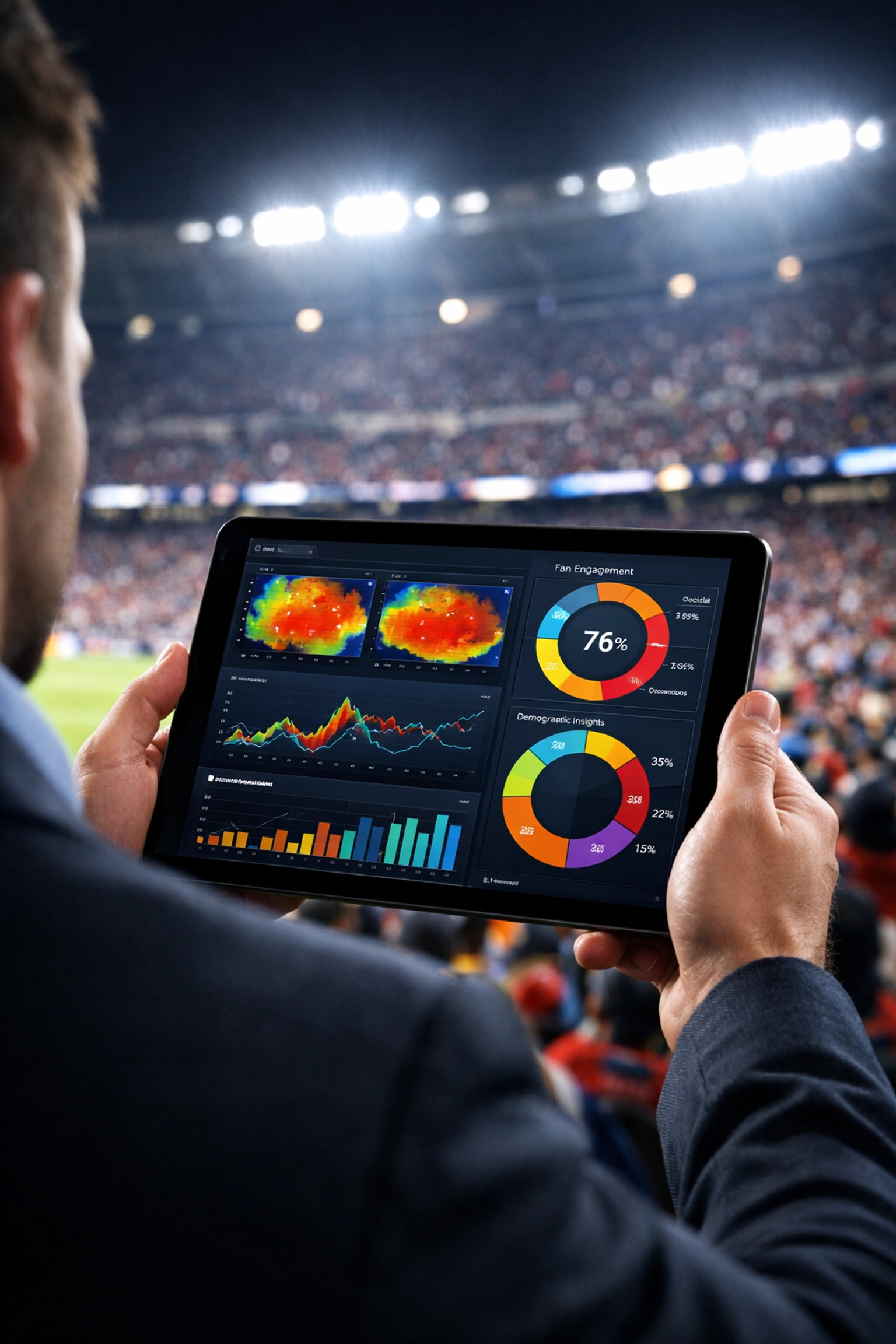
One of the historical challenges of out-of-home advertising was measurement. Today, AI-powered analytics and brand lift studies provide clear evidence of campaign success. By tracking device IDs and observing foot traffic patterns, advertisers can determine exactly how many people were exposed to an ad and whether they subsequently visited a retail location.
Brand lift studies have shown impressive results for DOOH. For example, White Claw’s programmatic campaign saw a 74 percent lift in purchase consideration, while other beverage brands have seen triple-digit increases in brand image metrics. To avoid common pitfalls in this area, it is essential to understand 7 mistakes in sports DOOH measurement.
10. The 2030 Outlook: Convergence and Dominance
Looking toward 2030, the industry is moving toward total convergence between digital and physical advertising. The distinction between "online" and "offline" is blurring as DOOH becomes a standard component of any digital media plan. Programmatic spending is expected to dominate the market, making outdoor advertising as easy to buy and measure as a social media ad.
The focus will continue to shift toward data-rich, hyper-targeted campaigns that prioritize the consumer's context. Brands that embrace these technological advancements today will be best positioned to capture the attention of the modern, mobile consumer. Leveraging AI-powered analytics that prove campaign success will be the standard requirement for all future media investments.
Summary of Tactical Steps for Success
To capitalize on these insights, consider the following tactical approach:
- Move to Programmatic: Transition from static buys to programmatic platforms to gain flexibility and real-time optimization.
- Utilize Real-Time Triggers: Use weather, time, or live sports scores to trigger specific ad creatives.
- Focus on High-Density Hubs: Prioritize urban centers and sports venues where audience concentration is highest.
- Measure Impact Rigorously: Use brand lift studies and device tracking to prove the ROI of every campaign.
- Integrate with Omnichannel Plans: Ensure DOOH messaging aligns with mobile and social campaigns for a unified brand experience.
The DOOH industry is no longer just about putting a picture on a big screen. It is about data, timing, and relevance. By understanding these ten insights, advertisers can move beyond guesswork and deliver campaigns that truly resonate with their target audience.