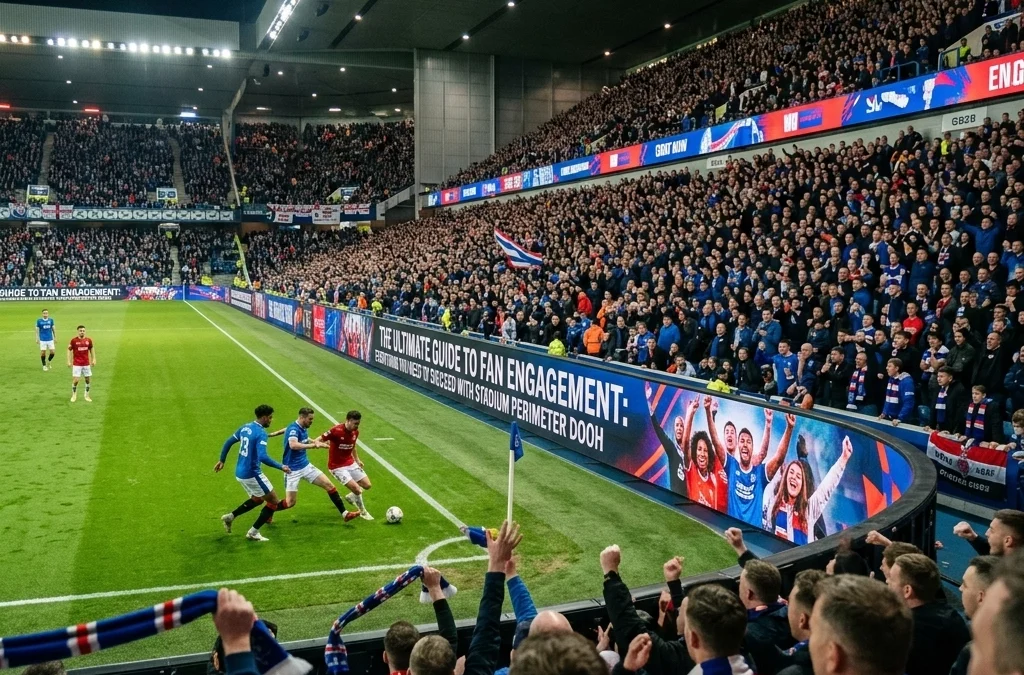
Stadium perimeter advertising has undergone a massive transformation. What was once limited to static billboards and simple banners has evolved into a high-tech ecosystem of Digital Out-of-Home (DOOH) opportunities. For Creative Directors and CMOs, the challenge is no longer just getting a logo inside the arena. The real goal is capturing the attention of fans wherever they are throughout the entire game-day experience.
Studies suggest that as much as 99 percent of a sports fan's attention exists outside the stadium walls. While the action on the field is the primary draw, the fan journey begins days before the whistle blows and continues long after the final score is recorded. Stadium perimeter DOOH allows brands to tap into this journey with precision and impact.
The Strategy of the Fan Journey
The most effective stadium perimeter campaigns do not view the sporting event as a isolated moment in time. Instead, they treat it as a multi-phase narrative. Successful fan engagement requires a strategy that follows the audience through three distinct windows.
Phase One: The Pre-Game Build-Up
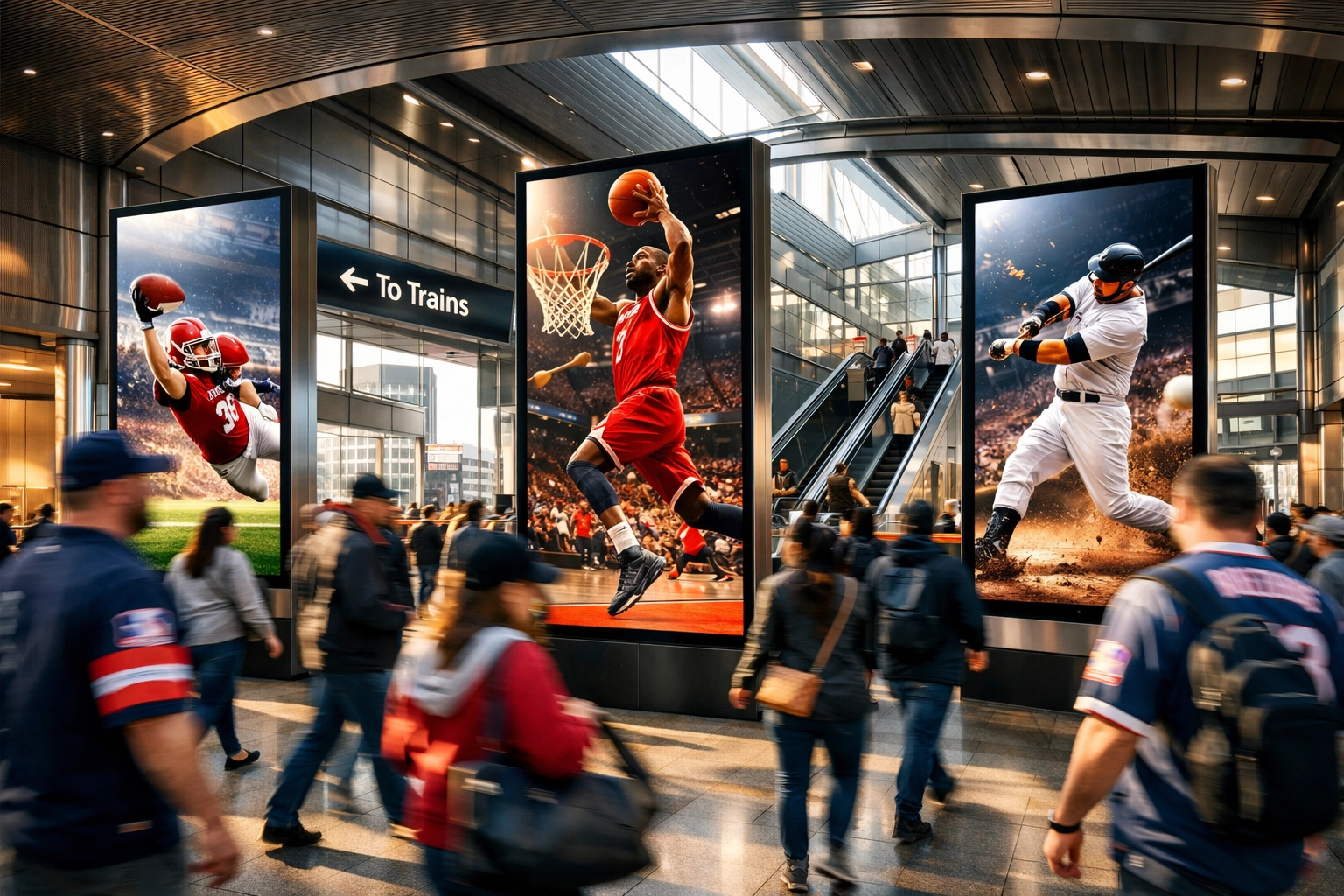
In the 48 hours leading up to a major event, fan anticipation is at its peak. During this window, fans are making travel plans, checking betting lines, and organizing social gatherings. DOOH screens in transit hubs, office districts, and retail centers provide the perfect canvas for brands.
By utilizing screens in commuter corridors, advertisers can deliver practical value. This might include broadcast schedules, countdown clocks, or real-time betting odds. For example, brands have seen significant success launching programmatic DOOH campaigns that tap into pre-game excitement, often converting within a 24-hour window. This phase is about building brand familiarity so that when the game starts, the brand is already top of mind.
Phase Two: The Peak Emotional Window
When game day arrives, the focus shifts to the immediate area surrounding the stadium and the surrounding entertainment districts. This is the moment of highest emotional intensity. Stadium perimeter targeting involves activating screens within a tight radius of the venue.
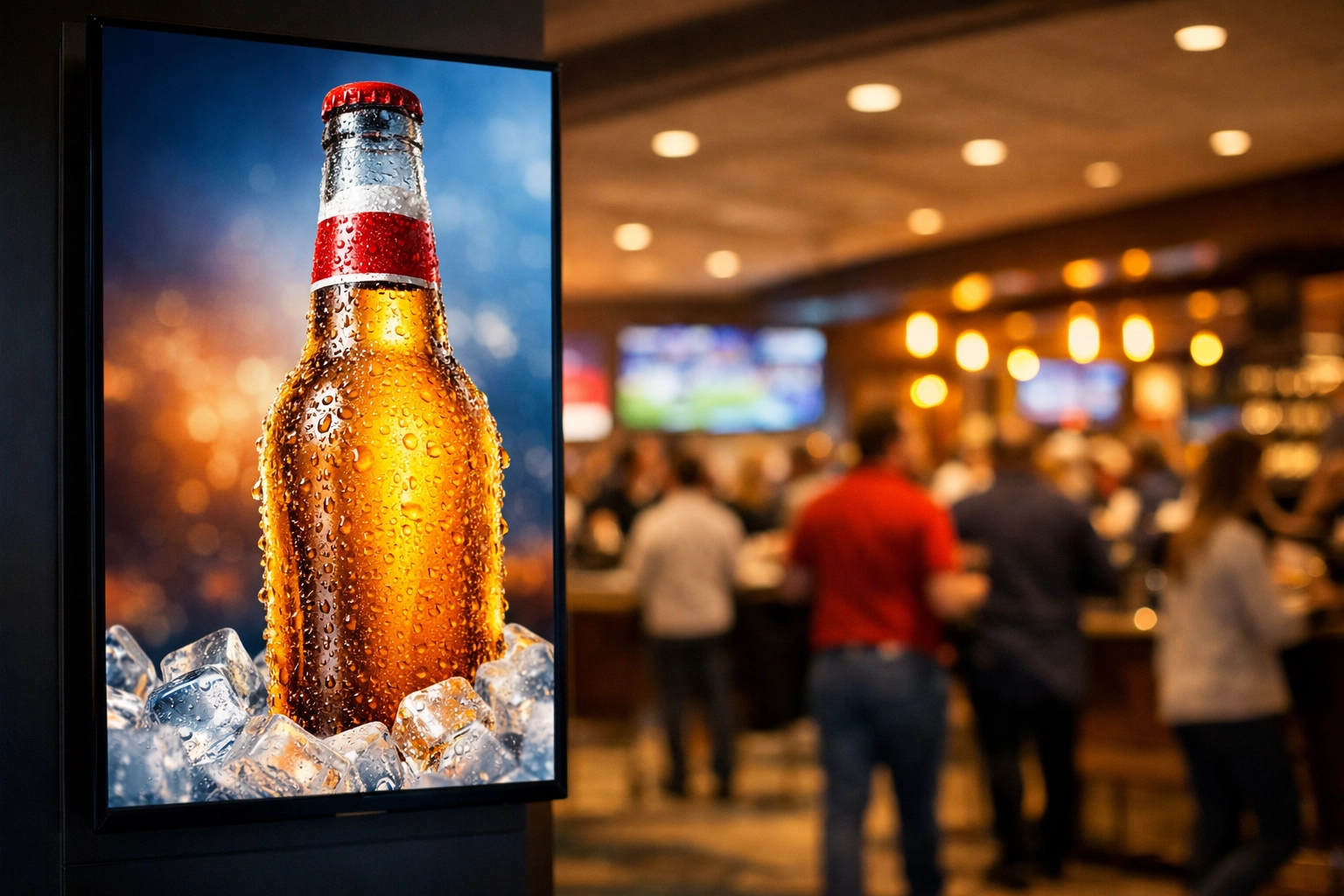
This strategy captures fans as they enter the stadium, visit local sports bars, or gather in fan zones. At this stage, the content should be bold and high-impact. Large-format digital screens and LED boards provide the vibrancy needed to stand out in a crowded, high-energy environment. This is where brands can align themselves with the passion of the crowd.
Phase Three: Post-Game Dispersal
The post-game phase is frequently overlooked, yet it offers a unique opportunity for engagement. As fans leave the stadium or local venues, they move back through transit hubs and parking areas. The emotional state of the audience is often determined by the outcome of the game.
Smart brands adjust their messaging based on the results. A celebratory message following a home-team win can reinforce positive brand associations. Conversely, a retail offer or a "consolation" discount following a loss can provide a different type of value. This phase is about maintaining the connection as fans transition back into their daily routines.
Identifying Key Hyperlocal Touchpoints
Location is the foundation of any successful DOOH campaign. To maximize ROI, brands must identify the specific "chokepoints" where fans congregate. These are the locations that guarantee high dwell time and repeated exposure.
- Transit Hubs and Subway Stations: Fans traveling to the stadium are a captive audience. Screens in these areas are ideal for mid-length content and interactive elements.
- Rideshare Zones: Areas designated for pick-ups and drop-offs see high traffic and significant dwell time as fans wait for their rides.
- Parking Entrances and Feeder Roadways: For fans driving to the game, billboards along main access routes provide the first point of contact with the brand on game day.
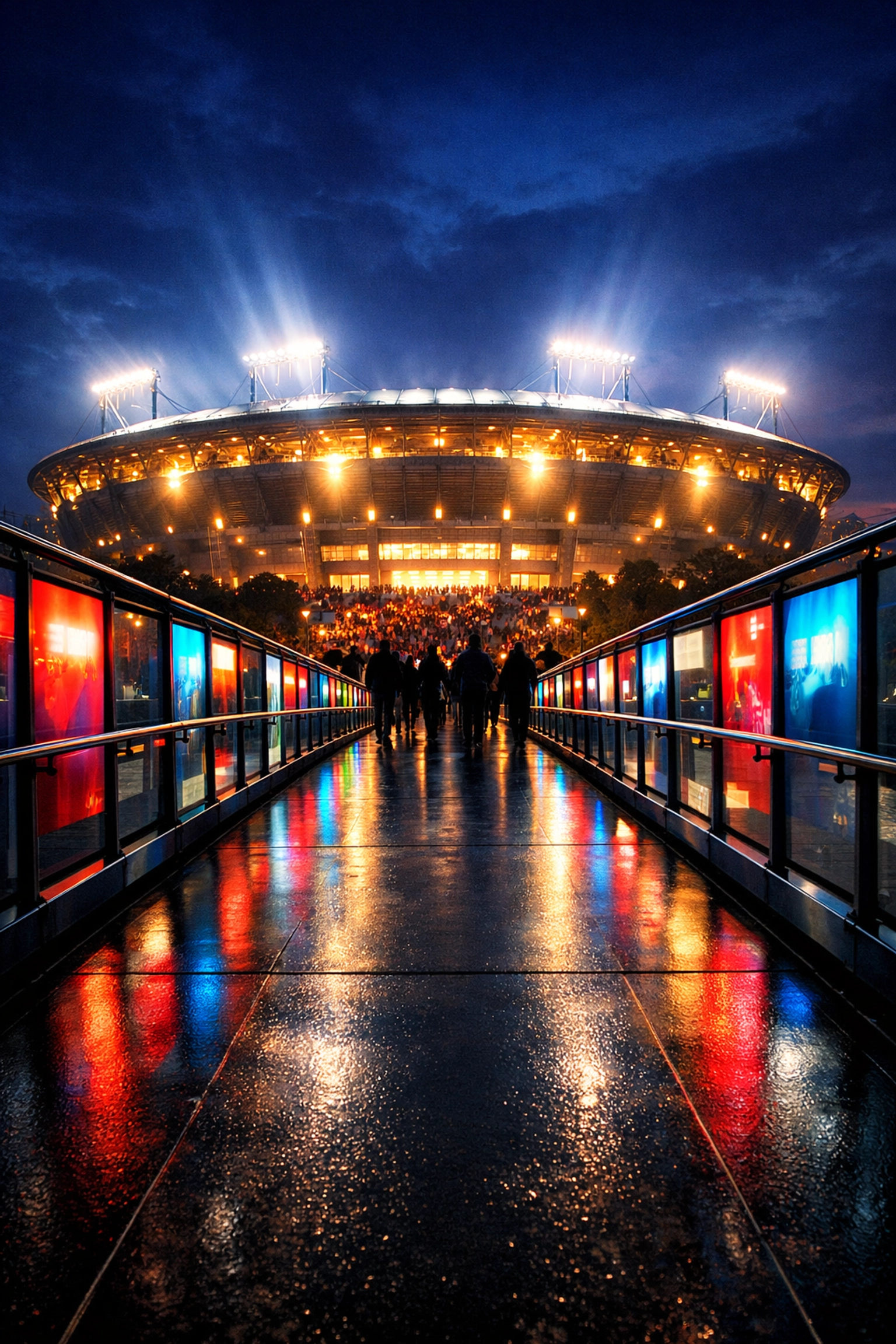
- Pedestrian Bridges and Concourses: These high-traffic areas are perfect for high-frequency messaging that builds recall through repetition.
By layering messages across these locations, advertisers create a sequential narrative. A fan might see a brand message on a subway platform, again on a digital board near the stadium entrance, and finally on a screen inside a local bar. This multi-touchpoint approach is far more effective than a single, isolated placement.
Technology and Dynamic Content Strategy
The power of modern DOOH lies in its ability to be dynamic. Static creative is no longer the standard. Today, Dynamic Creative Optimization (DCO) allows brands to change their messaging in real time based on external data triggers.
Real-Time Data Triggers
Brands can now sync their creative with live game stats. If a player hits a home run or scores a touchdown, the digital displays in the stadium perimeter can update instantly to reflect the score or congratulate the athlete. This level of relevance creates a deeper connection with the audience.
Weather triggers are another effective tactic. For instance, an apparel brand can promote rain gear the moment a storm starts at the stadium. Similarly, a beverage brand can highlight refreshing cold drinks when the temperature rises above a certain threshold. These automated adjustments ensure the content is always relevant to the fan's immediate experience.
Programmatic DOOH vs. Traditional Ads
The shift toward programmatic DOOH has revolutionized how stadium perimeter ads are bought and sold. Programmatic technology allows for more flexibility and better ROI compared to traditional fixed-term placements. Advertisers can bid on specific time slots or locations that align exactly with the fan journey.
To understand the full benefits, it is helpful to compare programmatic DOOH vs traditional stadium ads. The flexibility to start, stop, or adjust a campaign mid-game is a significant advantage for modern marketers.
Quantifying Success and Brand Lift
For CMOs and Creative Directors, the ultimate measure of a campaign is its impact on the bottom line. Stadium perimeter DOOH is highly measurable through brand lift studies and attribution modeling.
Data from recent campaigns illustrates the effectiveness of this medium. For instance, a programmatic DOOH campaign for a major beverage brand saw a 119 percent lift in positive brand image. Another campaign for a vodka launch resulted in a 74 percent lift in purchase consideration. These results demonstrate that when DOOH is targeted correctly, it does more than just build awareness: it drives intent.
To see more detailed examples of how these strategies are executed, reviewing a case study can provide valuable insights into the logistics and outcomes of high-impact sports marketing.
The Future of Stadium OOH
The sports advertising industry is on a massive growth trajectory. Experts predict that DOOH sports advertising will hit 50 billion by 2030. To capture a share of this market, brands must be willing to experiment with new formats and data-driven strategies.
Success in this space requires a combination of creative excellence and technical precision. It is about understanding the fan's mindset at every step of their journey and delivering a message that resonates with that specific moment. Whether it is through sportrons or large-format digital billboards, the goal remains the same: create a memorable connection that lasts long after the game is over.
For those looking to dive deeper into specific tactics and industry trends, the OOH Sports blog offers a wealth of information on the latest strategies for capturing fan attention in the digital age.
Conclusion
Stadium perimeter DOOH is a powerful tool for any brand looking to dominate the sports marketing landscape. By focusing on the full fan journey, utilizing hyperlocal touchpoints, and embracing dynamic creative, advertisers can achieve unprecedented levels of engagement. As the technology continues to evolve, the opportunities for creative storytelling and measurable impact will only grow. The key is to start with a simple, fan-centric approach and use the data to guide the way to success.