
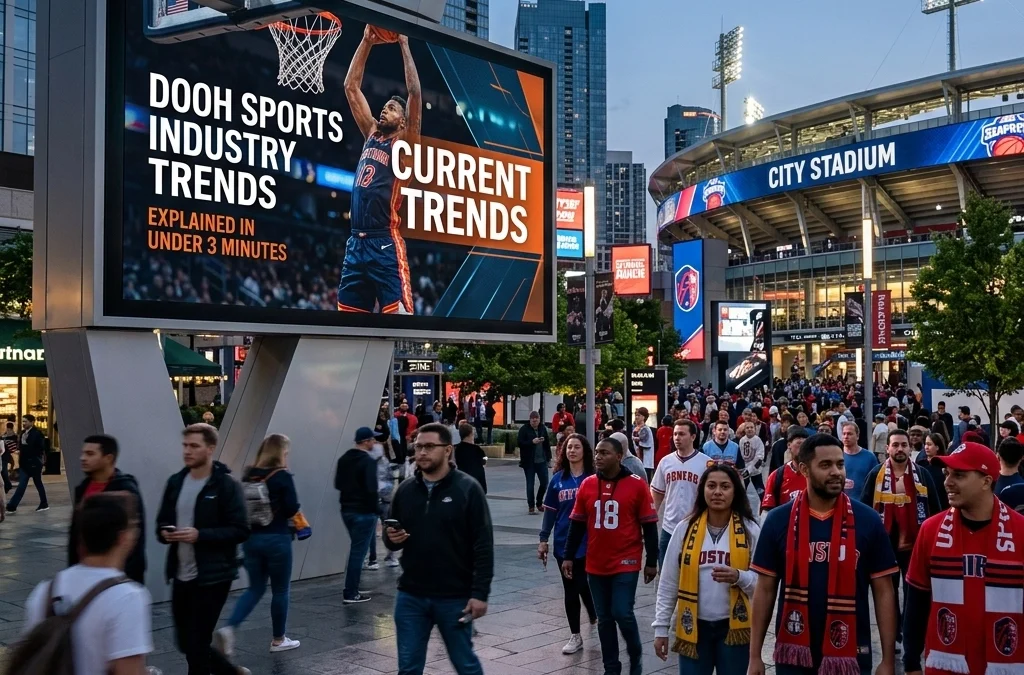
Digital Out-of-Home (DOOH) advertising within the sports sector is undergoing a massive transformation. As technology advances and fan expectations evolve, the way brands interact with audiences in stadiums, transit hubs, and fan zones is shifting toward a more data-driven and interactive model. This guide provides a comprehensive look at the trends shaping the industry, keeping the content relevant for modern marketers looking to maximize their impact.
The Quick Summary: Trends at a Glance
For those in a hurry, here are the primary shifts currently occurring in the DOOH sports landscape:
- AI-Powered Personalization: Using real-time data to change creative content based on the crowd.
- Women's Sports Growth: Unprecedented investment and viewership levels driving new inventory.
- Interactive Experiences: Moving from passive viewing to active fan participation.
- Programmatic Precision: Automated buying that allows for flexible, high-ROI campaigns.
- Cross-Platform Synergy: Aligning DOOH with social media and streaming services for a unified brand message.
AI and Real-Time Data Integration
Artificial Intelligence is no longer a futuristic concept in the advertising world. It has become a foundational element of effective DOOH strategies. Sports environments are particularly well-suited for AI because they generate massive amounts of live data. Everything from the current score and the weather to the specific demographics of the fans in a section can influence what appears on a screen.
The primary objective of AI integration is to deliver hyper-relevant content that resonates with the immediate emotional state of the audience. For instance, if a home team scores a winning goal, DOOH displays can instantly switch to celebratory content or offer limited-time discounts on merchandise. This level of responsiveness ensures that the advertising does not feel like an interruption but rather a part of the game-day experience.
To achieve this, many campaigns utilize specialized platforms like Sportrons. These systems allow for the automated delivery of creative assets based on triggers. When a specific event occurs on the field, the system recognizes it and deploys the appropriate visual. This methodology reduces the need for manual intervention and allows brands to stay perfectly in sync with the live action.

The Explosive Growth of Women’s Sports
One of the most significant shifts in the sports industry is the rise of women’s professional leagues. Statistics indicate that women represent approximately 47 percent of global sports fans and control a significant portion of household purchasing decisions. This demographic shift has led to a surge in demand for DOOH inventory surrounding women's sports events.
Marketers are finding that the engagement levels at women's sporting events are exceptionally high. Fans often feel a deep sense of community and loyalty toward these leagues, which translates into better brand recall for advertisers. By placing DOOH displays in and around venues hosting professional women's soccer, basketball, or volleyball, brands can tap into a rapidly expanding and highly attentive audience.
Strategic choices in this area involve more than just placing ads. It requires an understanding of the specific culture surrounding each sport. Brands that use DOOH to celebrate the athletes and the growth of the game often see a higher level of positive sentiment. This trend is not just a temporary spike. It is a fundamental realignment of where advertising dollars are being allocated in the sports world.
Gamification and Interactive Fan Zones
Modern sports fans expect to be part of the show. Passive observation is being replaced by active participation, and DOOH is the perfect medium to facilitate this transition. Interactive displays and gamified experiences are becoming staples of stadium concourses and fan festivals.
Techniques used in these activations often include:
- QR Code Integration: Fans scan a code on a digital billboard to enter a contest or play a mobile game that interacts with the big screen.
- Augmented Reality (AR): Using a mobile device to see digital layers over a physical DOOH display, such as a virtual athlete standing next to the fan.
- Live Polls: Fans vote on their favorite player or predict the next play, with results updated in real-time on the digital screens.
These interactive elements serve a dual purpose. They provide entertainment for the fans while simultaneously collecting valuable data for the advertiser. By tracking how many people interact with a display, brands can gain a clearer understanding of campaign effectiveness and fan preferences. This data-led approach is detailed further in the ultimate guide to stadium perimeter branding, which highlights how every inch of a venue can be optimized for engagement.
Programmatic DOOH and ROI
The shift from traditional manual buying to programmatic DOOH is perhaps the most significant operational trend in the industry. Programmatic technology allows media buyers to purchase DOOH inventory using the same automated systems they use for online ads. This brings a level of flexibility and precision that was previously impossible in outdoor advertising.
With programmatic buying, a brand can choose to display their ads only during specific times of the day or when certain conditions are met. For example, a beverage brand might only want their ads to show when the temperature at the stadium exceeds 80 degrees. This level of targeting ensures that the budget is spent as efficiently as possible, reaching the right people at the right time.
When comparing programmatic DOOH to traditional sponsorship models, the benefits are clear. Traditional sponsorships often involve long-term, fixed contracts that can be difficult to change. Programmatic DOOH offers the ability to pivot and adjust campaigns in real-time based on performance. For a deeper analysis of these differences, one can explore the comparison of programmatic DOOH vs. traditional stadium ads.

Creator-Driven Content in the Physical World
Influencer marketing and creator-driven content have moved beyond the smartphone screen and onto the big screen. Brands are increasingly using DOOH to showcase content created by athletes and sports influencers. This trend bridges the gap between digital social media and physical outdoor environments.
A common strategy involves taking a viral video or a popular social media post from a well-known athlete and repurposing it for a high-definition digital billboard. This gives the content a sense of scale and authority that it might not have on a small mobile screen. It also reinforces the brand's connection to the athlete in a very public way.
Because 61 percent of marketers plan to increase their investment in creator content, it is logical that this content will find its way into DOOH activations. This approach feels more authentic to fans who are already following these creators online. It turns a standard advertisement into a shared cultural moment.
Multi-Platform Synergy and Streaming
The way fans consume sports is changing, with a massive shift toward streaming services. However, this has not made physical advertising less important. On the contrary, it has made DOOH a vital component of a multi-platform strategy. As viewers watch games on different devices, the presence of DOOH in the physical world provides a consistent brand touchpoint.
A unified campaign might start with a streaming ad during the pre-game show, followed by DOOH displays as the fan travels to the stadium, and finally, interactive screens within the venue itself. This omnichannel approach ensures that the brand message is reinforced at every stage of the fan journey.
The integration of DOOH with digital platforms also allows for better measurement and attribution. By using anonymized device ID data, marketers can determine if a person who was exposed to a DOOH ad at the stadium later visited the brand's website or made a purchase. This methodology provides a much more accurate picture of how outdoor advertising contributes to the overall sales funnel.
Strategic Implementation for Partners
For partners looking to implement these trends, the process begins with a clear objective. Whether the goal is to drive brand awareness or encourage immediate fan action, the technology chosen must align with that outcome.
- Define Targeting Parameters: Use data to determine the best locations and times to reach the target audience.
- Select Technology Partners: Work with specialized providers that offer the necessary hardware and software for dynamic triggers.
- Develop Creative Assets: Ensure that visuals are optimized for the specific environment, taking into account distance, lighting, and movement.
- Measure and Adjust: Use the data collected during the campaign to make real-time adjustments and improve ROI.
Success in the modern DOOH landscape requires a willingness to experiment and a focus on data. By following these steps and staying informed on industry shifts at oohsports.com, brands can ensure their marketing efforts remain effective and relevant.

The Path Forward
The DOOH sports advertising industry is moving toward a future that is more personalized, more inclusive, and more interactive. The integration of AI, the focus on women's sports, and the rise of programmatic buying are all signals of a maturing market that prioritizes efficiency and fan experience.
By staying ahead of these trends, brands can create memorable connections with fans that extend far beyond the final whistle. The keys to success are simple: remain adaptable, lean into data-driven strategies, and always put the fan experience first. To learn more about how these strategies can be applied to specific campaigns, visit the contact page to connect with experts in the field.