
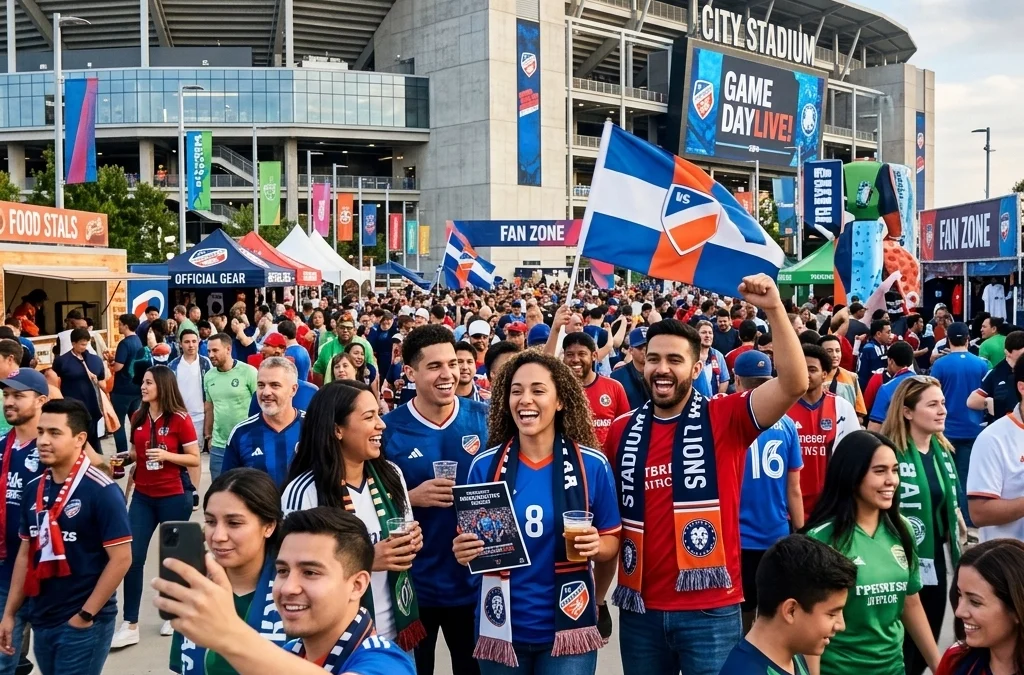
Fan engagement has evolved from a simple game-day experience into a multi-phase journey that begins long before the first whistle and continues well after the final score. For Creative Directors and CMOs, the challenge lies in capturing attention in an increasingly fragmented media landscape. Stadium perimeter advertising offers a unique solution by placing brand messaging at the center of high-emotion, high-energy environments.
When fans approach a stadium, they are in a state of heightened awareness. This psychological state makes them more receptive to branding and storytelling. This guide explores the strategies and tactics required to master fan engagement through effective out-of-home (OOH) advertising and strategic perimeter branding.
The Strategic Importance of the Stadium Perimeter
The area surrounding a stadium is a high-traffic corridor where brands can establish a dominant presence. Unlike standard street-level advertising, stadium perimeter branding benefits from a "halo effect." The positive emotions associated with the sports team or the event transfer to the brands visible in that environment.

Strategic placement around the stadium ensures that a message is seen multiple times during the fan journey. This repetition is critical for brand recall. By utilizing high-impact displays and Sportrons, advertisers can create a visual "takeover" that feels like an integral part of the event rather than an interruption.
Phase 1: The Pre-Arrival Experience
Engagement does not begin at the turnstile. It starts during the commute and the approach to the venue. This is often referred to as the "first mile" of fan engagement. During this phase, fans are anticipating the event, and their attention is focused on the destination.
Digital Out-of-Home (DOOH) Integration
Creative directors can leverage programmatic DOOH to reach fans on their way to the stadium. By placing ads on digital billboards along major transit routes and in parking areas, brands can begin the narrative before the fan even sees the stadium structure. This multi-touchpoint approach builds a sense of momentum.
Mobile Connectivity
Integrating mobile triggers with physical signage is a powerful tactic. Simple call-to-action prompts on perimeter displays can encourage fans to engage with social media or download team-related content. This creates a bridge between the physical world and the digital space, allowing for deeper data collection and attribution.
Phase 2: The Arrival and Entry Points
The moments spent outside the gates are some of the most valuable for branding. Whether fans are waiting for friends or standing in security lines, they have "dwell time." This is a period of passive waiting where the environment becomes the primary source of entertainment.

High-Impact Visuals
At entry points, the scale of the branding matters. Large-format graphics and vibrant digital screens capture the eye from a distance. The goal is to create "Instagrammable" moments. When a branding execution is visually striking, fans are likely to take photos and share them on social media, providing the brand with organic, secondary reach.
Wayfinding and Utility
Branding that serves a purpose often sees higher levels of positive engagement. Incorporating brand logos into wayfinding signage, maps, or charging stations provides utility to the fan. This positions the brand as a helpful participant in the fan experience rather than just a spectator.
Phase 3: The Concourse and Peripheral Areas
Once inside the stadium perimeter but outside the seating bowl, fans spend a significant amount of time in concourses and concession areas. These zones are high-traffic hubs where the energy remains high, but the focus is less on the field and more on the social atmosphere.

Real-Time Content and Data
Modern fan engagement relies on relevance. Using digital screens to display real-time stats, social media feeds, or weather updates keeps fans looking at the displays. Brands that sponsor this content gain a high level of "earned attention." The association with live, valuable information increases the perceived authority of the brand.
Programmatic Flexibility
One of the key advantages of working with OOH Sports is the ability to use programmatic technology. Unlike traditional static vinyl signs, digital perimeter boards can change based on the time of day, the score of the game, or even the weather. This flexibility allows CMOs to optimize their spend and ensure that the most relevant creative is being shown at the most impactful time. More information on this can be found in the analysis of programmatic DOOH vs traditional stadium ads.
Phase 4: The In-Game Atmosphere
While the game is in progress, perimeter branding serves as a backdrop to the main event. For fans in the stands, these displays reinforce the brand's presence during peak emotional moments, such as a goal or a home run.
Synchronized Displays
A cohesive branding strategy involves synchronizing all visible screens to show the same creative simultaneously. This "takeover" effect is impossible to ignore. It creates a unified brand environment that surrounds the fan, making the brand feel like a primary sponsor of the experience.
Capturing the Television Audience
Perimeter branding around the field or court is not just for the fans in the stadium. It is also strategically positioned to be captured by television cameras. This provides massive secondary value, as the brand is broadcast to millions of viewers at home. For CMOs, this dual-purpose visibility is a significant factor in calculating total return on investment.

Phase 5: The Departure and Post-Game Lifecycle
The engagement should not end when the game does. The departure phase is an opportunity to leave a lasting impression. As fans leave the stadium, they are often reflecting on the game and discussing it with others.
Retargeting Opportunities
By using mobile device IDs exposed to the stadium perimeter displays, brands can retarget fans with follow-up digital ads the next day. This keeps the conversation going and moves the fan further down the marketing funnel. This level of technical precision is one of the industry secrets that top-tier media buyers use to maximize their campaigns.
Emotional Anchoring
The final visual a fan sees as they walk to their car or the train station is the one they are most likely to remember. Ending the journey with a "thank you" message or a post-game offer creates a positive final touchpoint.
Measuring Success in Stadium Branding
For any CMO or Creative Director, data is the foundation of strategy. Measuring the impact of stadium perimeter advertising involves several key metrics:
- Footfall Traffic: Using location data to determine exactly how many people passed by a specific display.
- Brand Lift Studies: Surveying fans before and after the event to measure changes in brand awareness and sentiment.
- Mobile Engagement: Tracking QR code scans, app downloads, or social media mentions triggered by the OOH creative.
- Attribution: Linking exposure to the stadium ads with subsequent website visits or in-store purchases.
The focus is on moving beyond simple "impressions" and toward meaningful engagement data that proves the effectiveness of the spend.
Conclusion
Succeeding around the stadium requires more than just buying space; it requires a strategic understanding of the fan journey. From the first mile of the commute to the final walk to the parking lot, every perimeter display is an opportunity to connect with a captive, high-intent audience.
By combining high-impact visuals, programmatic flexibility, and data-driven measurement, brands can turn the stadium perimeter into their most effective marketing asset. OOH Sports provides the tools and the network to make these connections possible. For those looking to elevate their branding and dominate the sports environment, the path to success starts with a comprehensive perimeter strategy.
To learn more about implementing these strategies, visit the OOH Sports marketing page or contact the team to discuss an upcoming campaign.