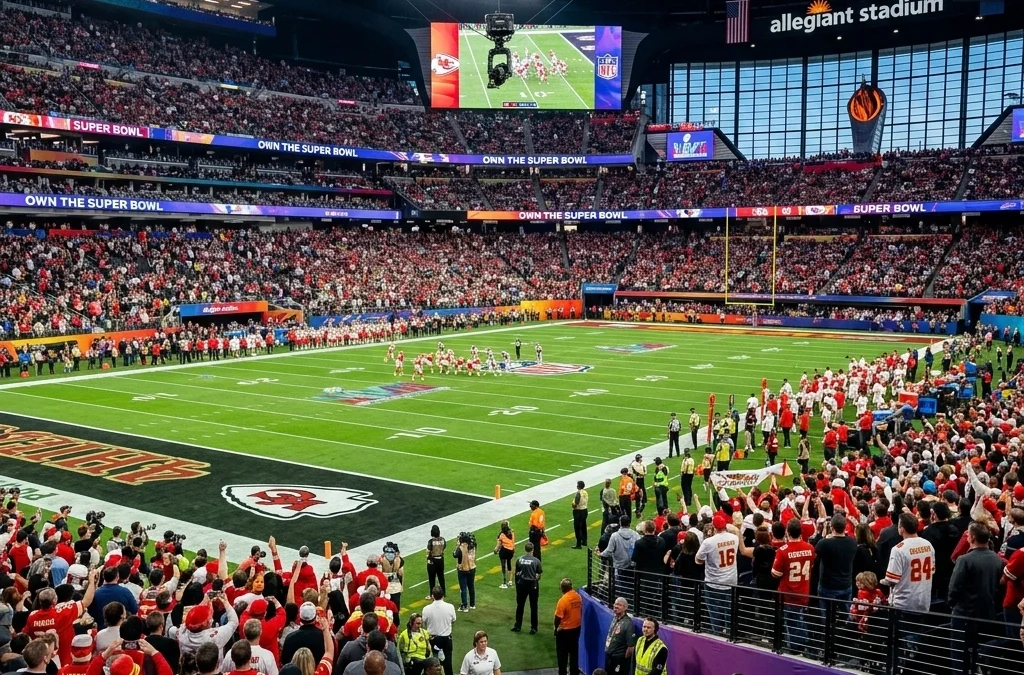
The Super Bowl represents the pinnacle of American sports and the absolute peak of advertising competition. As the 2026 season approaches, brands are looking for ways to cut through the noise of a crowded media landscape. With 40 years of leadership in the advertising space, OOH Sports provides a blueprint for venue-wide coverage that starts at the floor and reaches the highest billboards. Owning a venue during the Big Game requires more than just a single ad spot. It requires a strategic, multi-layered approach that blankets the fan experience from every possible angle.
The Foundation of 40 Years of Advertising Excellence
Since the mid-1980s, the leadership at OOH Sports has navigated the evolution of sports marketing. From the early days of static stadium signage to the high-tech programmatic digital out-of-home (DOOH) era of 2026, the goal remains the same: capturing attention where it is most focused. This 40-year legacy is built on understanding fan behavior and the logistical precision required to execute massive campaigns in high-pressure environments.
When a brand aims to own the Super Bowl, it is not just buying space. It is participating in a historical tradition of storytelling. The expertise gathered over four decades allows for a seamless execution that avoids common pitfalls in large-scale stadium branding.

Step 1: Ground-Level Dominance with Floor Graphics
The first step to owning the venue is literally starting from the ground up. Fans spend a significant amount of time looking down while navigating crowded stadium concourses, entrance gates, and seating aisles. Floor graphics and decals offer a unique opportunity to place branding in the direct path of foot traffic.
These high-durability vinyl installations are designed to withstand thousands of footsteps while maintaining vibrant color and clarity. By utilizing floor space, a brand claims territory that is often overlooked by competitors. This strategy creates a surround-sound effect for the visual senses. When a fan enters the stadium, the brand is beneath their feet, providing a subtle but constant reminder of the brand's presence throughout the event.
Step 2: Engaging the Concourse Through Digital Signage
Once the ground level is secured, the focus shifts to eye-level engagement. The concourse is where fans spend the majority of their time outside of the actual game action. This includes trips to concessions, restrooms, and team shops. Modern stadiums are equipped with hundreds of digital screens that offer dynamic content delivery.
Through marketing strategies that utilize digital out-of-home technology, brands can change their messaging in real-time. Whether it is a countdown to kickoff or a celebration of a halftime performance, digital concourse signage keeps the brand relevant to the immediate experience. This layer of coverage ensures that even when fans leave their seats, the brand remains a part of their Super Bowl journey.

Step 3: Maximizing Impact with Sportrons and Billboards
To truly own the venue, a brand must scale its presence to match the magnitude of the stadium itself. This is where Sportrons and large-format billboards come into play. These massive displays are designed for long-distance visibility and high-impact storytelling.
Sportrons provide the ultimate canvas for high-definition video content and live data integration. Positioned in high-visibility areas, these screens dominate the visual field of every person in the stadium. Combined with traditional billboards strategically placed around the stadium perimeter, this step creates a visual lock on the venue. The sheer size of these assets communicates authority and industry leadership, reinforcing the brand's status as a major player on the world stage.
https://www.youtube.com/watch?v=l6J-0zileKE
Step 4: Surrounding the Venue with Transit and Proximity OOH
Coverage should not stop at the stadium gates. To own the Super Bowl, a brand must capture the audience during their entire commute to the event. This includes advertising on public transit, shuttle buses, and digital billboards along the primary arteries leading to the venue.
Proximity marketing ensures that the brand is the first thing fans see when they arrive in the city and the last thing they see as they head home. By placing ads at airports, train stations, and fan zones, the campaign extends far beyond the four quarters of the game. This creates a holistic brand experience that follows the consumer throughout their entire Super Bowl weekend. More information on these types of expansive campaigns can be found in the case study section of the OOH Sports website.
Step 5: Implementing Programmatic Tech for Precision
The final step in achieving venue-wide coverage is the integration of programmatic technology. In 2026, data-driven advertising is the standard for maximizing return on investment. Programmatic DOOH allows advertisers to trigger ads based on specific conditions, such as weather, game score, or time of day.
This level of precision ensures that the right message reaches the right audience at the most impactful moment. For example, a beverage brand might increase its ad frequency on concourse screens during a particularly hot afternoon or after a high-energy play. This strategic use of data turns a standard ad buy into a responsive, intelligent campaign that resonates with the emotional state of the fans.

The Importance of Logistics and Timing
Owning the Super Bowl from the ground up requires a deep understanding of logistics. Installation schedules for floor graphics, testing for digital displays, and the coordination of large-format billboards must be managed with surgical precision. The 40 years of experience behind OOH Sports ensures that every asset is placed correctly and functions perfectly before the first fan walks through the gates.
Planning for an event of this scale typically begins a year in advance. This lead time allows for the development of creative assets that are specifically tailored to the stadium's architecture and the unique demographics of the Super Bowl crowd. It is about creating a seamless visual environment where the brand and the event become synonymous.
Measuring the Impact of Venue-Wide Coverage
A successful campaign is defined by its results. By utilizing advanced measurement tools, brands can track the effectiveness of their venue-wide coverage. This includes brand lift studies, foot traffic attribution, and digital engagement metrics.
Recent data from similar high-impact campaigns shows significant results:
- Brand Awareness: Integrated OOH campaigns during major sporting events have shown an average increase in brand awareness of 45 percent.
- Purchase Consideration: By maintaining a constant presence from the floor to the billboards, brands often see a 30 percent lift in purchase consideration among exposed audiences.
- Social Media Amplification: Highly visual and immersive stadium branding encourages fans to share photos and videos online, extending the campaign's reach to millions of social media users globally.
For those interested in the technical aspects of these results, the OOH Sports blog provides detailed breakdowns of past campaign performances and the methodologies used to calculate ROI.
Building a Lasting Impression
The goal of venue-wide coverage is to create a lasting impression that survives long after the trophy is raised. When a brand successfully owns the Super Bowl from the ground up, it secures a place in the cultural memory of the event. It is not just about the game; it is about the environment, the excitement, and the brands that made the experience possible.
With 40 years of expertise and a focus on simple, effective advertising solutions, OOH Sports remains a leader in the industry. The combination of traditional physical media and cutting-edge digital technology provides a comprehensive toolkit for any brand looking to dominate the 2026 Super Bowl.

Conclusion: The Future of Stadium Branding
As technology continues to advance, the opportunities for venue-wide coverage will only grow. From augmented reality integrations to even more precise programmatic triggers, the future of sports advertising is bright. However, the core principles of effective OOH advertising: visibility, frequency, and impact: will always remain the foundation of a successful campaign.
Brands looking to make a statement at the next Big Game can start by visiting the OOH Sports contact page to begin the planning process. By following these five steps and leveraging decades of industry knowledge, any brand can achieve the level of coverage necessary to truly own the venue and the moment.
For more information on company policies and the history of the organization, readers are encouraged to visit the about and company policies pages. The journey to the 2026 Super Bowl begins with a strategic vision and the right partners to bring it to life from the ground up.