
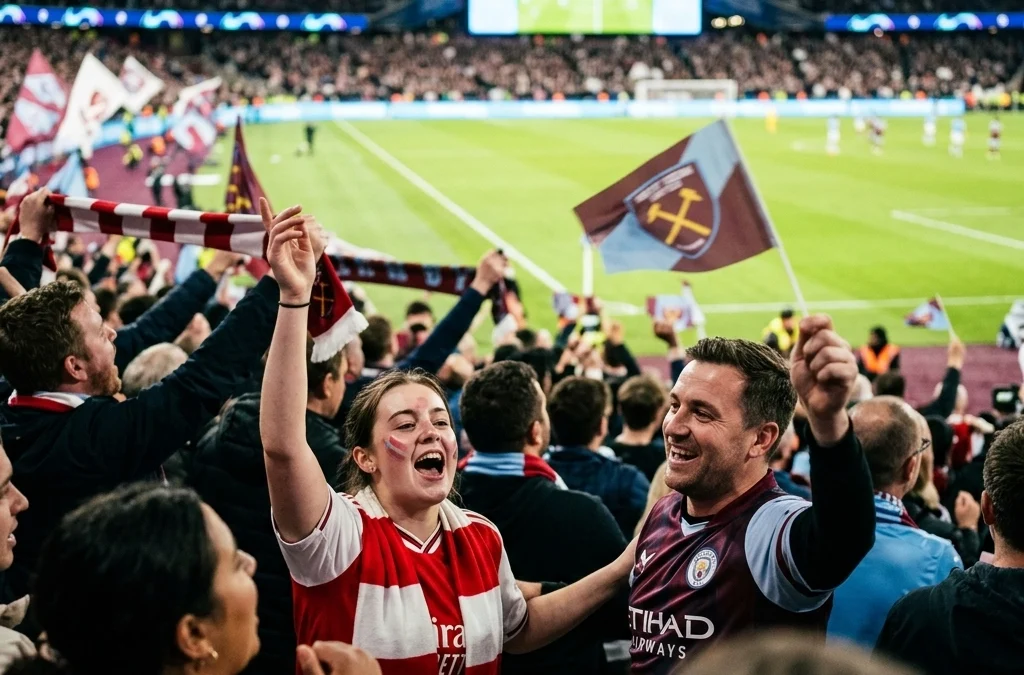
Fan engagement serves as the primary metric for success in the modern sports landscape. It is no longer enough for a brand to simply show a logo on a screen. Today, fans demand an immersive experience that bridges the gap between the physical stadium and the digital world. For Chief Marketing Officers and Creative Directors, the challenge lies in capturing attention in an environment where every second counts. This guide explores the strategies and technologies required to build a lasting connection with sports fans through impactful branding and strategic out-of-home (OOH) advertising.
Understanding the Fan Engagement Landscape
At its core, fan engagement measures how supporters interact with a sports entity or brand. This interaction occurs across multiple touchpoints, ranging from live game attendance to social media interactions. Engagement is generally categorized into two forms: direct and indirect.
Direct engagement involves activities that provide immediate support to a team or sponsor, such as purchasing tickets or buying branded merchandise. Indirect engagement is more subtle, focusing on word-of-mouth promotion, brand sentiment, and social sharing. A successful branding strategy targets both. By creating a memorable presence within the stadium, brands can turn passive viewers into active advocates.
The sports environment offers a unique advantage. Unlike traditional television or digital ads that can be skipped or ignored, stadium advertising is part of the event itself. When a fan looks at the field, they are also looking at the perimeter. This creates a high-frequency, high-impact visibility that is difficult to replicate in any other medium.
The Strategy of Perimeter Advertising
Perimeter advertising, particularly through high-definition digital displays, remains one of the most effective ways to reach a captive audience. OOH Sports utilizes advanced technology known as Sportrons to deliver vibrant, dynamic messaging that commands attention.
The strategy behind perimeter advertising is based on the concept of "unmissable" media. During a live broadcast or an in-person game, the action centers on the field of play. By placing branding directly on the perimeter, a company ensures that its message is integrated into the most exciting moments of the match. This association with peak emotional experiences helps to cement brand recall in the minds of the audience.
For creative directors, this medium offers a canvas for bold, simple visuals. In a fast-paced sports environment, clarity is essential. Successful campaigns often use high-contrast colors and concise messaging to ensure the brand remains legible even during high-speed camera pans.

Objectives and Strategic Execution
To win over sports fans, a campaign must have clear objectives. Most high-impact sports marketing efforts focus on three primary goals: brand awareness, purchase consideration, and loyalty.
1. Driving Brand Awareness
The primary goal of stadium OOH is to ensure that the brand is seen by thousands in the stands and millions at home. Consistent visibility during the game builds a foundation of familiarity. This is particularly effective for brands entering a new market or launching a new product category.
2. Increasing Purchase Consideration
Strategic placement can move the needle on how fans perceive a product. By aligning a brand with the energy and prestige of professional sports, companies can see a significant lift in how likely fans are to consider their products. For instance, campaigns involving beverage brands have shown substantial increases in purchase intent when executed through programmatic digital out-of-home (DOOH) channels.
3. Building Long-Term Loyalty
Engagement does not end when the final whistle blows. The goal is to create a positive association that lasts. When a brand contributes to the fan experience through interactive content or visually stunning displays, it earns a place in the fan's lifestyle.
Technology and Programmatic Integration
The evolution of advertising technology has transformed how brands approach the stadium. The use of programmatic DOOH allows for a level of precision that was previously impossible. Instead of static boards that remain the same for a whole season, digital displays can now be updated in real-time based on data triggers.
This technology enables brands to be agile. For example, a campaign could trigger specific creative content based on the score of the game, the weather, or the time of day. This relevance makes the advertisement feel like a part of the live narrative rather than an interruption.
Through the OOH Sports marketing platform, brands can access specialized inventory that reaches fans at the right moment. The integration of device ID tracking and data analytics allows marketers to measure exactly who saw the ad and how they behaved afterward. This data-driven approach removes the guesswork from sports sponsorship.

Measurable Results and Case Studies
The effectiveness of these strategies is backed by data. When analyzing recent campaigns, the impact on brand perception is often dramatic. A focus on high-impact visuals and strategic timing consistently leads to measurable success.
In one instance, a campaign for a prominent vodka-based beverage launch utilized programmatic DOOH to target specific sports and entertainment zones. The result was a 74% lift in purchase consideration. This success demonstrates that when branding is placed in a high-energy environment like a stadium, the audience is significantly more receptive to the message. You can read more about this in the full case study.
Similarly, another campaign focusing on a hard iced tea brand saw a 119% lift in positive brand image. By leveraging the excitement of the live event, the brand was able to reposition itself effectively in a competitive market. Detailed insights on this project are available through the OOH Sports blog.
These results highlight a key truth in sports marketing: the environment matters. A brand that appears alongside a fan's favorite team gains a level of credibility and trust that is hard to earn through standard digital banners.

Tactics for Enhanced Fan Interaction
To maximize the impact of stadium advertising, creative teams should consider the following tactics:
- Real-Time Data Feeds: Incorporating live scores or social media highlights into the digital perimeter displays keeps the content fresh and relevant.
- Gamification: Encouraging fans to interact with the big screen through their mobile devices can turn a passive viewing experience into an active game.
- Synchronized Messaging: Coordinating the perimeter boards with other digital screens in the stadium creates a "takeover" effect that is impossible to ignore.
- Localized Content: Tailoring the message to the specific city or stadium creates a sense of community and belonging.
By using these tactics, brands can ensure their presence feels like a contribution to the game-day atmosphere.
Implementation and Logistics
Executing a successful fan engagement campaign requires careful coordination. OOH Sports manages the logistics of securing high-value inventory and ensuring that creative content is optimized for the specific technical requirements of stadium displays.
The process begins with identifying the target audience and selecting the appropriate sports leagues or venues. Once the inventory is secured, the focus shifts to creative optimization. Because stadium screens have unique aspect ratios and viewing distances, the design must be handled with precision.
Measurement is the final, and perhaps most important, step. By using brand lift studies and attribution modeling, OOH Sports provides a clear picture of the return on investment. This includes tracking metrics such as brand preference, purchase intent, and foot traffic to retail locations.

The Future of Fan Engagement
As technology continues to advance, the opportunities for fan engagement will only grow. The integration of augmented reality and more sophisticated AI-driven personalization will allow brands to connect with fans on an individual level, even within a crowd of thousands.
However, the fundamental principles remain the same. Fans want to be entertained, respected, and included. Brands that use stadium perimeter advertising to enhance the excitement of the game, rather than distract from it, will always come out on top.
For brands looking to make a significant impact, the stadium remains the ultimate stage. Through the strategic use of case studies and proven technology, OOH Sports helps companies navigate this complex landscape and achieve winning results.
To learn more about how to elevate your brand presence in the world of sports, visit the OOH Sports contact page to start a conversation about your next campaign. Engaging fans is an art, and with the right tools, it is a game every brand can win.