
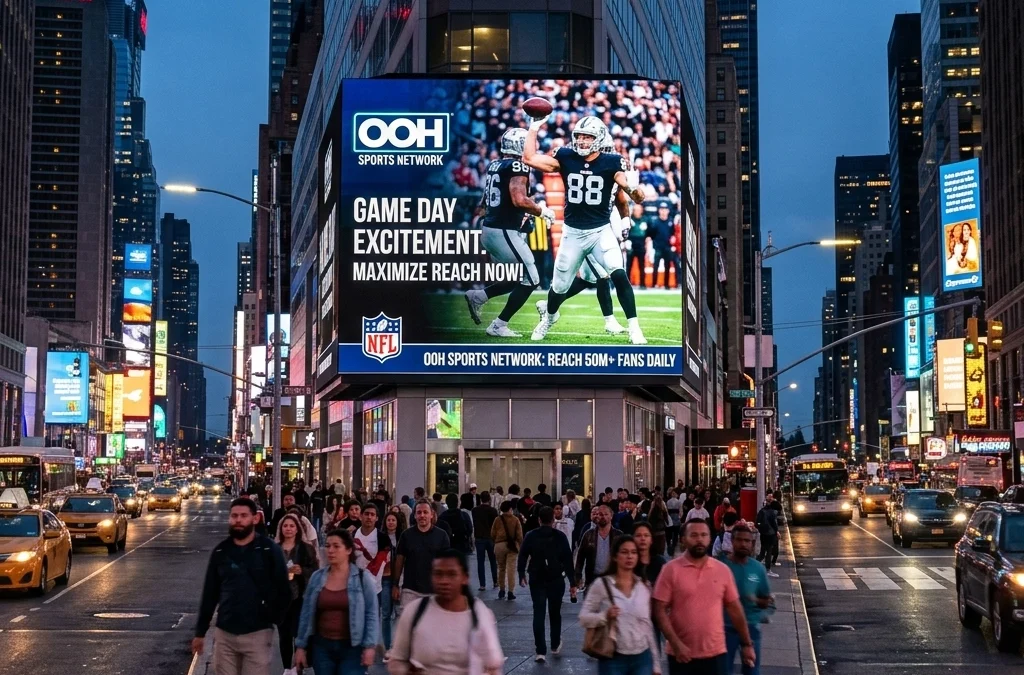
The landscape of out-of-home (OOH) advertising is shifting toward more specialized, high-engagement environments. OOH Sports continues to lead this evolution by expanding its network capabilities and technical offerings. For media buyers and brand managers, these updates represent a significant milestone in how sports-related content is delivered and monetized. By integrating advanced technology with hyper-local community engagement, the network provides new avenues for brands to connect with highly active and attentive audiences.
The following updates outline the strategic growth of the OOH Sports network and provide actionable insights into how these features can be leveraged for immediate brand lift.
1. Expanded Youth Sports Streaming Footprints
OOH Sports has significantly increased its presence in youth sports complexes and community parks. This expansion involves adding multiple camera systems across various fields within a single venue. The strategy focuses on capturing a wider range of games, teams, and family members simultaneously.
This expanded footprint is particularly valuable for advertisers seeking high impressions without a proportional increase in logistical effort. One sponsorship agreement now grants access to more games and a larger, consistent audience of parents, relatives, and friends who watch live and on-demand content. This creates an always-on environment where the brand remains visible before, during, and after the athletic events.
For brands in the healthcare, quick-service restaurant (QSR), and automotive sectors, this hyper-local relevance allows for "owning" a specific region or town. Activation involves becoming an official streaming partner or placing branded interstitial slates during game transitions.

2. Mobile, Cellular-Powered Camera Systems at Tournaments
A major technical milestone for the OOH Sports network is the deployment of rugged, weather-proof cameras powered by cellular networks. These mobile units are designed specifically for traveling tournaments and showcases where permanent infrastructure may be lacking. These systems allow for high-quality streaming from virtually any field, regardless of the venue's existing internet capabilities.
This technology allows brands to tap into multi-day events that attract hundreds of teams from various regions. The scalability of these mobile units ensures that as tournament organizers move from one location to another, the brand’s creative content follows the action.
Media buyers can capitalize on this by sponsoring tournament-wide broadcasts or running branded highlight reels that summarize the best plays of the day. This approach is highly effective for regional or national brands looking to consolidate their presence across multiple markets through a single, high-impact event. Detailed information on how these technical integrations work can be found on the OOH Sports Sportrons page.
3. Inclusive Leagues and Community-Focused Partnerships
The network is prioritizing partnerships with organizations that support inclusive and adaptive sports, such as the Miracle League. These partnerships involve streaming games and providing free live access or discounted on-demand viewing for families. This initiative serves to build deep emotional equity and goodwill within local communities.
Supporting inclusive sports offers brands a story-rich environment that resonates with a broad demographic. The content generated from these leagues often attracts earned media attention, providing additional reach beyond the initial broadcast. Brands can participate by underwriting the "Access for All" viewing program, ensuring that families can watch their athletes without financial barriers.
Strategically, this alignment allows brands to integrate cause-marketing components into their OOH campaigns. For example, a campaign might state that every view contributes to a specific community investment or equipment donation for the league. This type of engagement often results in higher brand loyalty and positive sentiment.

4. Integrated Scoreboard and Real-Time Data Overlays
OOH Sports has integrated advanced data tools that allow scorekeepers to update on-field scoreboards via mobile applications. This data is synced in real time to the digital livestream and any on-site digital displays. This update addresses the need for professional, broadcast-quality data overlays in youth and amateur sports environments.
From an advertising perspective, the scoreboard is the most-watched area of any sports broadcast. Integrating a brand logo or message into the "score bug" ensures maximum visibility. Furthermore, real-time data allows for dynamic creative triggers. Advertisers can run contextual ads based on the state of the game, such as halftime stats or scoring milestones.
Using real-time data transforms a standard ad into a relevant piece of game information. For instance, if a team reaches a certain score, a dynamic creative could offer a limited-time promotion at a nearby retail location. This level of technical sophistication is a key differentiator for the OOH Sports network. More details on strategic implementation are available at OOH Sports Marketing.
5. Broadcast-Quality Auto-Tracking Technology
The introduction of auto-tracking camera systems at premier sports complexes represents a significant upgrade in production value. These systems deliver a professional, TV-style experience without the need for a full camera crew. The technology uses artificial intelligence to follow the action on the field, ensuring that the most important moments are always in frame.
High production quality elevates the perceived value of the brands associated with the broadcast. When a game looks like a professional telecast, the sponsors benefit from an association with quality and prestige. Additionally, auto-tracking makes it easier to generate highlight packages that are highly shareable on social media.
Brands can sponsor a "Game of the Day" or a specific "Feature Field" where this technology is deployed. This ensures their branding is present in the high-quality clips that families and fans share across their own social networks, extending the reach of the initial OOH investment.

Strategy and Objective for Media Buyers
The objective of these updates is to provide a comprehensive, data-driven ecosystem for sports marketing. By combining physical presence at the field with digital reach through streaming, OOH Sports creates an omnichannel experience. The strategy relies on three core pillars: footprint, positioning, and integration.
Media buyers are encouraged to choose a footprint that matches their target audience, whether it is local youth parks or national tournaments. Positioning is also critical, brands should aim to own a specific function of the broadcast, such as the streaming access or the scoreboard, rather than just purchasing traditional banner space. Finally, integration between online streams and on-site physical signage ensures a cohesive brand experience for the consumer.
The execution of these campaigns is streamlined through programmatic digital out-of-home (DOOH) platforms. This allows for rapid deployment and the ability to adjust creative content in real time based on performance or game outcomes.
Technology Partners and Programmatic Integration
The success of the OOH Sports network expansion is supported by collaborations with leading demand-side platforms (DSPs) and data providers. By utilizing programmatic DOOH, advertisers can target specific demographics with precision. For example, a campaign can be set to run only during active game times or when specific weather conditions are met.
The use of specialized platforms ensures that every impression is tracked and every campaign is measurable. This level of technical fluency allows for a more analytical approach to sports advertising, moving away from the "spray and pray" methods of the past. Advertisers can find more about the effectiveness of these platforms in the spotlight on StackAdapt DSP.
Measuring Impact and Results
OOH Sports utilizes a variety of metrics to quantify the success of these network updates. Brand lift studies and device ID exposure tracking are used to measure how effectively a campaign reaches its target audience. Previous campaigns within the network have shown significant increases in brand preference and purchase consideration.
For example, programmatic DOOH campaigns in the sports sector have historically delivered high ROI by targeting consumers when they are in a positive, high-energy state of mind. Research indicates that sports fans are more likely to remember and act on ads seen in a stadium or sports complex environment. Case studies, such as the White Claw programmatic campaign, demonstrate how specialized targeting leads to measurable lifts in purchase consideration.
Other results from the network have shown:
- Significant increases in positive brand image ratings.
- High redemption rates for geo-targeted offers delivered via QR codes on-screen.
- Substantial growth in purchase consideration for brands utilizing real-time sports betting triggers.

Strategic Conclusion for the Future
The expansion of the OOH Sports network is a response to the growing demand for more engaging and measurable advertising environments. By focusing on youth sports, tournament technology, community inclusivity, real-time data, and high-quality production, the network provides a robust platform for modern brands.
Media buyers looking to stay ahead of industry trends should consider these updates as a way to diversify their OOH spend and reach audiences in a meaningful way. As the network continues to grow, the integration of technology and physical sports environments will remain a primary focus for OOH Sports. For those interested in exploring these opportunities further, the OOH Sports contact page provides a direct line to the strategic team.
For further information on company guidelines and operational standards, please refer to the OOH Sports Terms of Service and the About page.