
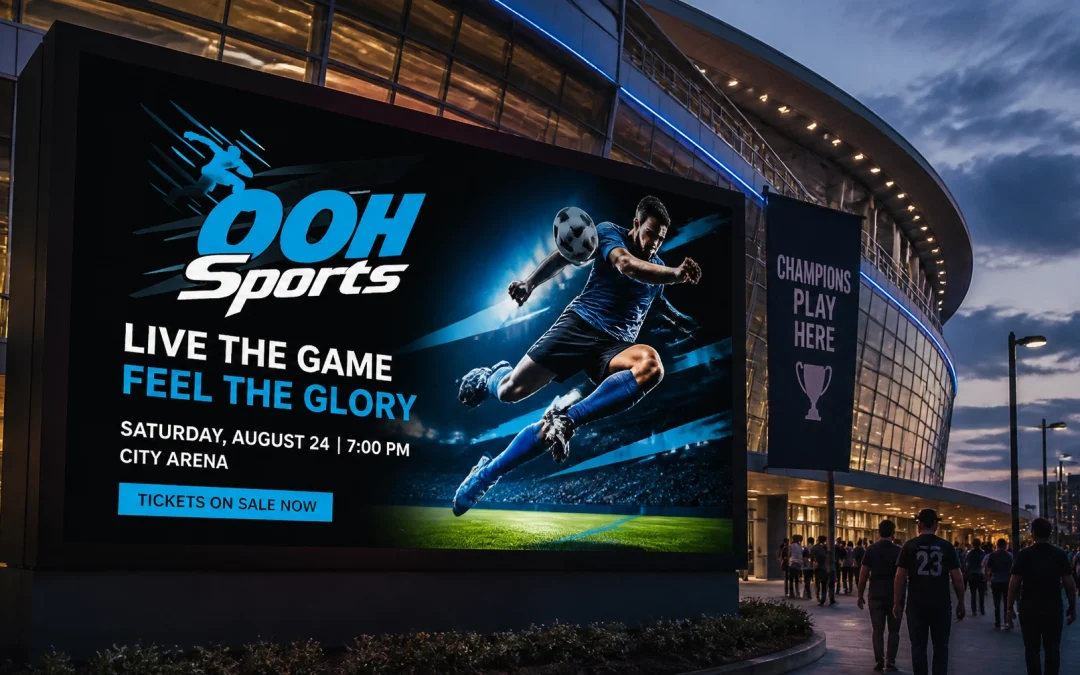
The landscape of sports advertising is shifting toward a more integrated, data-driven model. As fans return to stadiums in record numbers and global sporting events capture the collective attention of millions, the role of Digital Out-of-Home (DOOH) advertising has never been more critical. This guide explores the latest industry insights and strategies that allow brands to connect with audiences across the entire fan journey, from the moment they book a ticket to the final whistle and beyond.
The Evolution of the Fan Journey
Modern sports marketing is no longer confined to the four walls of a stadium. The fan journey begins long before the game starts and continues well after it ends. Successful campaigns now map out this entire trajectory, utilizing DOOH to maintain a consistent brand presence.
Travel and Transit
For many fans, the experience starts at the airport or transit hub. Large-scale digital displays in these environments serve as the first touchpoint. Strategic placements in travel corridors allow brands to reach affluent travelers and out-of-town fans who are already in a state of high anticipation.

The 10-Mile Perimeter
The area surrounding a sports venue is a high-impact zone for advertising. By targeting digital video boards within a 10-mile radius of arenas, brands can capture the attention of fans as they commute, dine, and socialize before the game. This perimeter-based approach ensures that messaging is relevant and timely, reaching an audience that is physically moving toward the main event.
Technology and Programmatic Precision
The rise of Programmatic Digital Out-of-Home (pDOOH) has transformed how media buyers approach the sports category. This technology allows for the automation of ad buying, enabling brands to be more agile and responsive to real-time events.
Automated Buying and Guaranteed Deals
Programmatic platforms now offer access to a vast network of digital screens. Buyers can utilize automated in-advance deals to secure premium placements for tentpole sporting events, such as playoffs or championship games. This ensures visibility during peak periods while maintaining the flexibility to adjust campaigns based on live performance data.
Technology Partners
Collaborations with specialized platforms are essential for executing sophisticated programmatic campaigns. For instance, the use of a Demand-Side Platform (DSP) like StackAdapt allows for seamless integration into omnichannel strategies. These partnerships provide the technical infrastructure needed to manage complex bidding processes and ensure that ads are delivered to the right screens at the optimal time. For more on this, explore how StackAdapt is driving programmatic adoption in modern media planning.

Dynamic Creative Optimization (DCO)
In the sports world, context is everything. Dynamic Creative Optimization allows advertisements to change in real time based on external data triggers. This creates a more personalized and engaging experience for the viewer.
- Game Context: Creative can be updated to reflect the current score, the quarter, or major game events like penalties or overtime.
- Weather Triggers: Ads for beverages or apparel can adjust based on local weather conditions near the stadium.
- Outcome-Based Messaging: Brands can deploy "celebration" creative immediately following a win, capitalizing on the positive emotions of the fan base.
Strategic Objectives and Execution
To succeed in DOOH, brands must align their creative strategy with specific measurable objectives. The focus should be on providing utility and enhancing the fan experience rather than just delivering a generic brand message.
In-Venue Integration
Once fans are inside the arena, the opportunity for engagement continues. Digital concourse screens, concession stand displays, and club lounge monitors offer high-dwell environments. These screens can be used to promote team merchandise, mobile ordering, or exclusive fan contests.

Tactics for High Engagement
- Utility Messaging: Providing fans with game schedules, wayfinding information, and live stats increases the value of the advertisement.
- Mobile Bridges: Incorporating QR codes or NFC prompts allows fans to transition from the digital screen to a mobile experience, such as downloading a team app or redeeming a coupon.
- Hyper-Local Targeting: Tailoring content to the specific city or neighborhood where the screen is located creates a sense of community and relevance.
Measuring Success and Impact
The effectiveness of DOOH in the sports industry is backed by robust data. Recent studies have shown that a high percentage of sports fans who see out-of-home ads take subsequent action.
Key Performance Indicators (KPIs)
- Brand Lift: Measuring increases in purchase consideration and brand preference through exposed-audience surveys.
- Foot Traffic Attribution: Using anonymized device IDs to track fans who saw an ad and subsequently visited a retail location or the stadium itself.
- Social Amplification: Tracking how often fans share photos or videos of creative DOOH displays on social media platforms.
Recent campaign results highlight the power of this medium. For example, some programmatic DOOH initiatives have seen purchase consideration increases as high as 144 percent. Other campaigns focusing on brand image have reported significant lifts in positive sentiment, proving that DOOH is an effective tool for both top-of-funnel awareness and bottom-of-funnel conversion. For detailed insights, review the success of DOOH in modern beverage marketing.
Emerging Trends and Future Outlook
The industry continues to evolve with several key trends shaping the future of sports advertising.
The Rise of Women's Sports
Engagement with women's sports is growing at an exponential rate. Brands that utilize DOOH to support women's leagues and athletes are finding a passionate and loyal audience. The lower market clutter in this segment offers a unique opportunity for brands to establish themselves as early supporters.
Retail Media Integration
DOOH is increasingly being integrated with retail media networks. This allows sports-related brands to advertise on screens inside grocery stores, convenience stores, and sporting goods retailers. By reaching fans as they purchase game-day snacks or team gear, brands can influence buying decisions at the point of sale.
Conclusion
Success in modern sports advertising requires a strategic blend of technology, creativity, and audience insight. By leveraging the power of programmatic DOOH and mapping the entire fan journey, brands can move beyond simple awareness and drive meaningful engagement. Whether it is through dynamic real-time scores or hyper-local targeting around the stadium, digital out-of-home advertising provides the scale and precision needed to win in the competitive sports media landscape. To learn more about how to optimize your spend, consider evaluating programmatic DOOH versus traditional stadium ads to maximize your return on investment.