
Fan engagement in the modern sports landscape has transitioned from a simple broadcast model to a complex, multi-layered digital experience. Despite the availability of advanced technology, many brands still struggle to capture the attention of fans who are increasingly distracted by second screens and real-time social updates. Traditional stadium sponsorships often fall into the trap of becoming "wallpaper," where static logos are ignored by an audience seeking interaction.
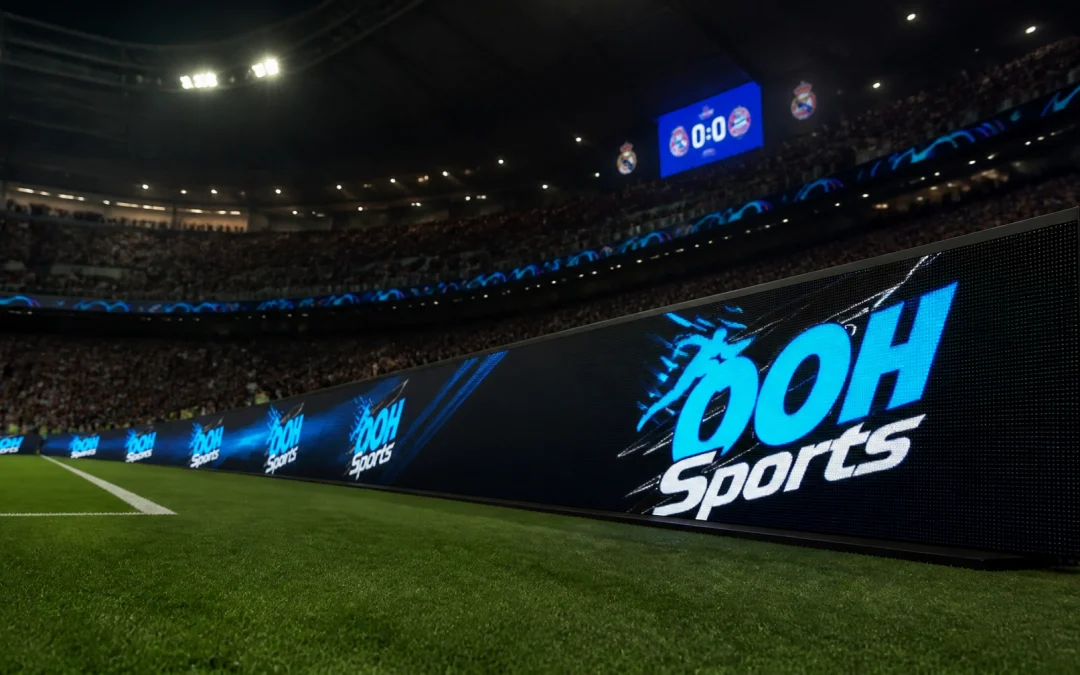
Digital Out-of-Home (DOOH) advertising, specifically within the perimeter of sports venues, offers a strategic solution to these challenges. By moving beyond static images and adopting dynamic, programmatic execution, brands can bridge the gap between physical attendance and digital participation. The following sections outline the seven most common mistakes made in fan engagement and how perimeter advertising provides a technical and strategic remedy.
1. Treating Fans as Passive Targets
A common error in sports marketing is viewing the stadium crowd as a passive audience. Many campaigns focus solely on exposure, hoping that a logo on a billboard will result in brand recall. However, fans in 2026 are active participants in the game-day experience. When an advertisement provides no opportunity for participation, it misses the emotional peak of the event.
Perimeter advertising fixes this by incorporating interactive elements. Digital boards can display live triggers that prompt action. For example, during a timeout or a halftime break, a board might display a prompt to "Vote for the Player of the Match" or "Predict the Next Scorer." This shifts the fan from a spectator to a participant, creating a direct link between the brand and the fan's active enjoyment of the sport.
2. Deploying Generic, One-Way Messaging
Running the same creative for the entire duration of a 90-minute match or a four-quarter game is a missed opportunity for relevance. Fans experience different emotional states throughout a game, from pre-match anticipation to high-tension moments and post-game celebrations. Generic messaging often feels disconnected from the atmosphere on the field.
Programmatic DOOH allows for contextual creative rotation. Through the use of real-time data feeds, perimeter ads can change based on the state of the game. A brand can deploy "hype" content during the starting lineup announcements, high-energy visuals after a score, and a "thank you" message to fans as they exit the stadium. This level of synchronization ensures that the message matches the moment, increasing the resonance of the brand’s presence.

3. Relying Solely on Wins or Star Players
Many engagement strategies are built around the success of a team or the popularity of a specific athlete. While this can drive short-term excitement, it is inherently risky. Performance dips, injuries, or player transfers can leave a brand without a clear narrative. Relying on results often leads to a "fair-weather" engagement strategy that fails when the team is struggling.
Perimeter ads allow brands to tell a more consistent story. Instead of just showing a star player’s face, a brand can use the digital perimeter to highlight community initiatives, club heritage, or fan-centric narratives. This approach builds an evergreen brand connection that remains relevant regardless of the scoreline. By focusing on the values of the sport and the loyalty of the fan base, perimeter advertising maintains a steady brand presence that survives the ups and downs of a competitive season.
4. Ignoring the Digital Behavior of the Modern Fan
The "second screen" is a reality of modern sports. Fans are constantly using their smartphones to check statistics, post to social media, or message friends during a game. Many traditional stadium ads fail because they do not acknowledge this behavior, creating a disconnect between the physical environment and the digital habits of the audience.
Digital perimeter ads serve as an offline-to-online bridge. By integrating QR codes, unique URLs, or social media handles directly into the creative, brands can move fans from the stadium seat to a digital destination. Whether it is an exclusive behind-the-scenes video, a mobile-exclusive discount, or an augmented reality filter, these touchpoints align with how fans already consume content. This strategy effectively captures the audience’s attention on their preferred devices while they are already engaged with the live event.
5. Utilizing a One-Size-Fits-All Approach
A frequent mistake is delivering the same message to every segment of the stadium. A family section has different motivations and needs compared to a student section or a corporate hospitality suite. Mass messaging often dilutes the impact of a campaign by trying to appeal to everyone at once, resulting in a lower conversion rate for specific calls to action.
With modern programmatic DOOH sports campaigns, marketers can segment their approach. While the perimeter boards are visible to everyone, the timing and content can be optimized based on the type of match or the known demographic of the crowd. For instance, a brand might run student-focused promotions during a Friday night game and family-oriented messaging during a Sunday afternoon kickoff. This precision allows for more targeted and effective communication.

6. Excluding the Fan Voice from the Experience
Engagement is a two-way street, yet many brands keep the fan at arm's length. Failing to incorporate fan-generated content (UGC) or fan voices makes the advertising feel corporate and detached. In an era where authenticity is highly valued, excluding the community that makes the sport possible can lead to a perception of the brand as an outsider.
Perimeter advertising can turn the stadium into a live stage for fans. By displaying curated social media posts or photos from fans using a specific hashtag, brands can give the audience a sense of ownership over the game-day experience. Seeing their own content on the digital boards around the field creates a powerful emotional connection. It validates the fan’s participation and positions the brand as a facilitator of the community rather than just a sponsor.
7. Lack of Measurable Results and Optimization
One of the most significant mistakes in stadium advertising is the lack of attribution. For a long time, stadium signage was measured by "impressions" or "broadcast minutes," which are often vague metrics that do not translate directly to ROI. Without clear data, it is impossible to know which creatives are working or how to optimize future campaigns.
The transition to digital and programmatic platforms allows for detailed measurement and attribution. Every interaction driven by a perimeter ad: such as a QR code scan or the use of a promo code: can be tracked. This provides brands with concrete data on scan rates, website visits, and conversions. By analyzing which moments of the game or which types of creative generated the most engagement, marketers can iterate and improve their strategy in real time.

Objective & Strategy
The primary objective of implementing dynamic perimeter advertising is to transform the stadium environment into a high-conversion touchpoint. The strategy involves moving away from static, long-term buys toward a flexible, data-driven approach. By leveraging a network of digital screens within a 10-mile radius of sports venues, brands can reach fans not only inside the stadium but also during their journey to and from the event.
This omnichannel approach ensures that the brand remains top-of-mind throughout the entire fan journey. The strategy focuses on:
- Real-time triggers: Aligning ads with game events to maximize emotional impact.
- Cross-channel consistency: Ensuring that the messaging in the stadium matches the brand's social and mobile presence.
- Data capture: Using the physical space to drive fans toward digital sign-ups and measurable actions.
Technology Partners
To execute these advanced campaigns, collaboration with specialized technology platforms is essential. OOH Sports utilizes sophisticated Demand-Side Platforms (DSPs) to manage programmatic inventory. For example, StackAdapt has been a key partner in driving the adoption of programmatic DOOH within omnichannel campaigns. These partnerships allow for precise targeting, real-time bidding, and seamless integration of third-party data to ensure that every ad placement is optimized for the target audience.
Results
The effectiveness of this modern approach to stadium advertising is reflected in the data. By shifting from traditional to digital-first engagement strategies, brands have seen significant lifts across various key performance indicators:
- Brand Awareness: Campaigns focusing on high-impact stadium placements have reported substantial increases in brand recall.
- Purchase Consideration: For instance, a recent campaign for White Claw achieved a 74% lift in purchase consideration by utilizing programmatic DOOH to target specific audience segments.
- Brand Image: Other beverage brands, such as Mike’s Hard Iced Tea, observed a 119% lift in positive brand image by aligning their messaging with the energy of live sports environments.
These results demonstrate that when fan engagement mistakes are corrected through the use of dynamic, interactive perimeter advertising, the impact on the bottom line is both measurable and significant.
Conclusion
The path to effective fan engagement is no longer found in simply occupying space within a stadium. It requires a strategic shift toward interaction, context, and measurement. By avoiding the common pitfalls of passive, generic, and unmeasurable advertising, and instead embracing the capabilities of digital perimeter boards, brands can create meaningful connections with fans. In the competitive world of sports marketing, the ability to turn a spectator into a participant is the ultimate win.