
The countdown to Super Bowl 2026 has begun. For media buyers and brand managers, this event represents the pinnacle of the advertising calendar. However, the traditional playbook of high priced television spots and isolated celebrity endorsements is no longer sufficient. The rise of Name, Image, and Likeness (NIL) has introduced a powerful new dimension to sports marketing, allowing brands to leverage the influence of college athletes. Despite the potential, many campaigns fall short because of avoidable strategic errors. To maximize impact during the Big Game, it is essential to move beyond surface level engagement and embrace a data-driven, localized approach.
Objective and Strategy
The primary objective of a Super Bowl NIL campaign is to bridge the gap between high-level brand awareness and ground-level consumer trust. While a national television ad reaches millions, it often lacks the personal connection required to drive actual purchase intent in specific demographics, particularly Gen Z and millennial fans. The strategy for 2026 involves a decentralized approach. Instead of putting all resources into a single pro-athlete spokesperson, the most successful brands are deploying a network of over 20,000 authentic student-athlete voices. These athletes act as localized anchors, providing a credible face for the brand in college towns and metropolitan areas alike.
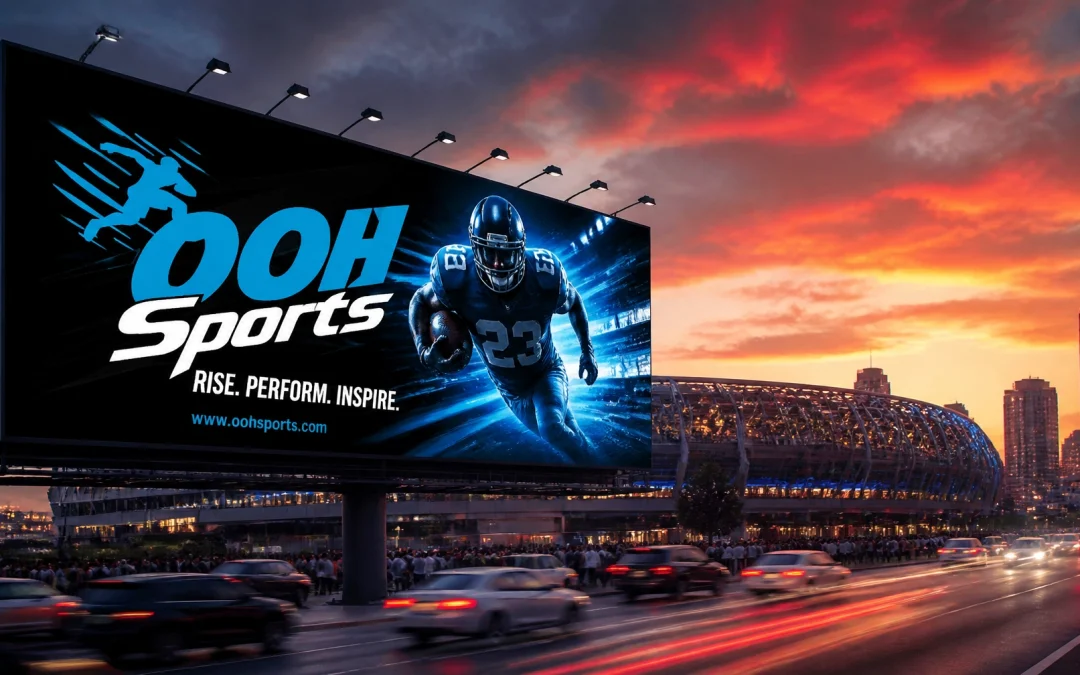
This strategy relies on the integration of digital out of home (DOOH) advertising and mobile retargeting. By surrounding key arenas and high-traffic areas with digital billboards that feature NIL talent, brands create a physical presence that mirrors the digital conversations happening on social media. This omnichannel approach ensures that the message is not just seen, but experienced across multiple touchpoints.
1. The Host City Tunnel Vision
Many brands make the mistake of concentrating 100 percent of their budget on the host city. While Phoenix will be the epicenter of the event, the entire country is watching. Focusing only on the immediate vicinity of the stadium ignores the millions of fans participating in Super Bowl festivities from their own college campuses and home cities.
The Fix: Use a distributed NIL strategy. While maintaining a presence in the host city is important, brands should simultaneously activate student-athletes across the top 50 college markets. By utilizing the OOH Sports network, media buyers can secure digital video advertising boards in every category within a 10-mile perimeter of major sports venues nationwide. This ensures that the brand message is ubiquitous, not just local.
2. Scripted Content vs. Authentic Voices
A common error in NIL marketing is treating student-athletes like traditional actors. Forcing a 19-year-old quarterback to read a rigid, corporate script often results in content that feels forced and insincere. This "ad voice" is a major turn-off for modern audiences who value authenticity above production quality.

The Fix: Provide brand guardrails rather than scripts. The power of the 20,000+ student-athlete network lies in their unique, individual voices. Brands should provide the core narrative and campaign goals, then allow the athletes to create content in their own style. Whether it is a TikTok "get ready with me" or a behind-the-scenes look at their training, authentic content consistently out-performs over-produced commercials in terms of engagement and trust.
3. The 10-Mile Perimeter Gap
Media planners often secure national buys but fail to "own the street" where the fans actually are. During Super Bowl week, fans move through airports, hotels, and retail centers. If the digital out of home presence is not strategically placed within the perimeter of the action, the brand loses the opportunity to influence real-world behavior.
The Fix: Implement programmatic DOOH with a 10-mile radius focus. OOH Sports specializes in this exact tactical execution. By targeting every digital board within 10 miles of sports venues and high-traffic fan zones, a brand ensures that its message is the first and last thing fans see. This physical proximity creates a psychological association between the brand and the excitement of the event.
4. Scaling the Impossible
Attempting to manage 20,000 individual contracts and content pieces manually is a logistical nightmare. Many brands settle for five or ten athletes because they lack the infrastructure to scale. This limitation severely reduces the reach and diversity of the campaign.
The Fix: Leverage an integrated NIL platform. By using a centralized system to manage the network of student-athletes, brands can deploy thousands of voices simultaneously. This scale allows for hyper-targeted segmentation. A brand can choose to activate 500 athletes in the Midwest for one creative variation while running a different message with 500 athletes on the West Coast. This level of granular control is only possible through a dedicated technology partner.
5. Siloed Media Channels
Mistake number five is treating DOOH, social media, and mobile ads as separate entities. When these channels are not synchronized, the consumer experience is fragmented. A fan might see a digital billboard at the airport but then receive an unrelated ad on their phone two hours later.

The Fix: Use device ID retargeting to bridge the gap. When a fan enters the 10-mile perimeter of an OOH Sports digital board, their anonymized device ID can be captured. This allows for immediate mobile retargeting. The fan sees the athlete on a massive digital screen, and then receives a follow-up offer or video from that same athlete on their mobile device. This reinforcement loop significantly increases conversion rates.
6. Pro-Athlete Pricing Pitfalls
Over-investing in a single pro-athlete "superstar" is a high-risk strategy. If that athlete underperforms, faces an injury, or becomes embroiled in controversy, the entire campaign is at risk. Furthermore, the cost of one pro-athlete often equals the cost of hundreds of college athletes who, combined, have a much higher engagement rate.
The Fix: Diversify the talent roster. While one or two pro-athletes can serve as the face of the campaign, the bulk of the budget should be allocated to student-athletes. This approach spreads the risk and multiplies the number of touchpoints. A network of 20,000 voices provides a level of safety and consistent visibility that a single celebrity cannot match.
7. Guesswork Analytics
The final mistake is relying on "vanity metrics" like total impressions without understanding the actual impact on brand lift or purchase intent. Many Super Bowl campaigns end with a report showing "billions of impressions" but no clear data on whether those impressions moved the needle.
The Fix: Focus on measurable brand lift and attribution. By using technology partners that provide detailed analytics, media buyers can track results with precision. This includes monitoring percentage increases in purchase consideration and brand preference. Data should be used to quantify the "before and after" impact of the campaign, allowing for real-time optimization.

Technology Partners
Executing a campaign of this magnitude requires a sophisticated technological foundation. OOH Sports acts as the primary orchestrator, providing access to a vast network of digital video advertising boards. This includes everything from transit hubs to retail centers within the crucial 10-mile perimeter of the event.
Complementing the DOOH infrastructure is the NIL platform, which manages the "authentic voice" component. This platform allows for the seamless selection, contracting, and content management of over 20,000 student-athletes. Together, these technology partners transform a traditional media buy into a high-tech, omnichannel powerhouse.
Results
The effectiveness of this integrated approach is backed by significant data. In previous iterations of similar programmatic DOOH and NIL campaigns, the results have consistently outperformed traditional benchmarks:
- Brand Image Lift: Campaigns utilizing localized student-athlete voices have seen up to a 119 percent lift in positive brand image. This is largely attributed to the high level of trust fans place in college athletes within their own communities.
- Purchase Consideration: The combination of physical DOOH presence and mobile retargeting has driven a 74 percent increase in purchase consideration for new product launches.
- Consumer Engagement: Authenticity-focused content generated by NIL talent typically sees 3x higher engagement rates compared to brand-led creative on social media platforms.
By avoiding these seven common mistakes and implementing a localized, scale-driven strategy, brands can ensure their Super Bowl 2026 campaign is not just another ad, but a cultural moment that drives real business results.
For a deeper look at how OOH Sports is changing the game, watch this overview:
https://www.youtube.com/watch?v=l6J-0zileKE
For more information on planning your next campaign, visit the OOH Sports About page or explore our case studies to see these strategies in action.