
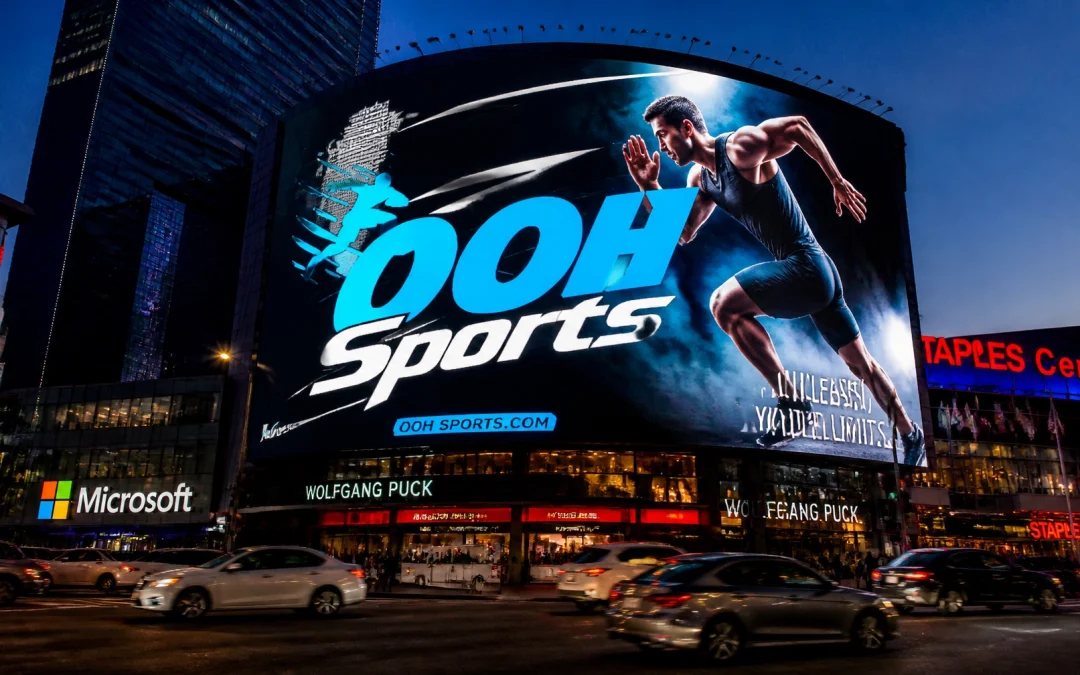
The landscape of sports marketing is undergoing a significant transformation. As digital out-of-home (DOOH) technology evolves, the ways in which brands connect with fans are becoming more precise, data-driven, and impactful. For media buyers, planners, and brand managers, staying ahead of these shifts is essential for maintaining a competitive edge in an increasingly crowded media environment.
The following insights outline the ten most critical trends currently shaping the DOOH sports media industry. These developments reflect a broader shift toward automation, hyper-localization, and integrated storytelling that extends far beyond the stadium walls.
1. Programmatic DOOH is the New Standard
The shift from manual, direct-buy billboard placements to programmatic digital out-of-home (pDOOH) is perhaps the most influential trend in the industry. Programmatic technology allows for the automated buying, selling, and delivery of ad content on digital screens. This shift has turned physical boards into addressable, software-controlled assets that can be optimized in near real-time.
By using pDOOH, advertisers can execute campaigns with the same flexibility and precision as online display ads. This means that a campaign can be paused, adjusted, or scaled across thousands of screens instantly. Brands are no longer locked into static, long-term contracts for single locations. Instead, they can buy impressions based on specific audience demographics and behaviors, ensuring that every dollar spent is focused on high-value targets.
2. Hyper-Local Targeting and the 10-Mile Perimeter
In the world of sports, location is everything. However, the definition of a prime location has expanded. While being inside the arena is valuable, the real opportunity often lies in the surrounding environment. Industry leaders are increasingly focusing on the 10-mile perimeter around sports venues.
This hyper-local approach targets fans as they commute to the game, visit local sports bars, or stop at convenience stores. By dominating the digital screens in this radius, a brand can create a "halo effect" of presence and authority. This strategy ensures that the brand remains top-of-mind during the critical hours before and after an event when fan engagement is at its peak. OOH Sports specializes in building these digital networks to capture fan attention where it is most concentrated.

3. Cross-Screen Integration with CTV and Mobile
A standalone billboard is effective, but a multi-channel campaign is transformative. Research indicates that nearly half of all sports fans use a second screen while watching live games. Consequently, DOOH is now frequently planned as a core component of an omnichannel strategy that includes Connected TV (CTV) and mobile advertising.
When a fan sees a brand on a digital billboard outside the stadium and then receives a retargeted ad on their smartphone or sees a related spot on a streaming service later that evening, the message is reinforced. This cross-screen consistency has been shown to significantly increase brand recall and purchase intent. Data-driven campaigns now use device IDs to track movement and ensure that the right message follows the fan throughout their journey.
4. Real-Time Dynamic Creative
Static images are giving way to dynamic creative content that responds to live events. One of the most exciting trends in sports DOOH is the ability to update creative based on real-time triggers, such as live scores, weather conditions, or betting odds.
For example, a beverage brand can display a celebratory message immediately after a home team victory or an insurance provider can show a specific ad when it starts to rain during a game. This level of relevance makes the advertisement feel like a part of the fan experience rather than an interruption. AI-powered systems now manage these triggers, allowing for complex, multi-market rollouts that require minimal manual intervention once the rules are established.
5. Advanced Measurement and Attribution
The days of relying on estimated "daily effective circulation" are over. The industry has moved toward audience-based and outcome-based measurement. Through the use of mobile location data and third-party verification, advertisers can now measure the actual impact of their DOOH spend.
Successful campaigns often employ brand lift studies to quantify increases in purchase consideration or positive brand image. For instance, a recent programmatic DOOH campaign for White Claw resulted in a 74% lift in purchase consideration, while AB InBev’s Mike’s Hard Iced Tea saw a 119% lift in positive brand image. These metrics provide the hard data that CMOs and media planners need to justify larger investments in the medium.
6. DOOH in Everyday Fan Spaces
Sports fandom does not stop when the game ends. Modern sports marketing focuses on reaching fans in "everyday" spaces where they live, work, and play. This includes digital screens in gyms, sports bars, transit hubs, and retail environments.
By placing ads in these high-dwell-time locations, brands can maintain a constant connection with the fan community. Gyms, in particular, are high-value environments for health and wellness brands, while sports bars are ideal for beverage and betting companies. This strategy ensures that the brand is present in the fan's daily routine, not just on game day.

7. AI-Driven Planning and Optimization
Artificial Intelligence has become a "force multiplier" for DOOH planning. AI algorithms can now analyze vast amounts of data to determine the optimal screens, times, and creative formats for a specific audience. This technology allows for the automation of tasks that used to take weeks, such as selecting individual board locations across multiple cities.
AI is also used for creative testing, helping brands determine which visuals and headlines perform best before the full campaign budget is deployed. This level of optimization ensures that the media buy is as efficient as possible, reducing waste and maximizing the reach of the campaign.
8. The Rise of 3D and Anamorphic Creative
To cut through the digital noise, brands are turning to high-impact visual formats like 3D anamorphic displays. These creatives use specialized forced-perspective techniques to make images appear as if they are popping out of the screen.
When used at high-traffic intersections or near major sports arenas, 3D DOOH becomes an event in itself. These installations are highly shareable on social media, providing a secondary wave of "earned media" as fans film and post the experience. For sports brands, this format is particularly effective at showcasing the speed and movement of athletes or the physical details of new apparel and equipment.

9. Sustainability and Digital Efficiency
As environmental concerns become a priority for corporations, the DOOH industry is focusing on sustainability. Modern digital screens are more energy-efficient than older models, and the shift from physical vinyl banners to digital content significantly reduces waste.
Programmatic buying also contributes to efficiency by ensuring that screens are only active when they are most likely to reach the target audience. Brands that prioritize these sustainable practices can align their marketing efforts with their corporate social responsibility goals, a factor that is increasingly important to modern consumers.
10. Fragmentation and the Need for Consolidation
The final trend to watch is the fragmentation of the DOOH landscape. With thousands of independent screen owners across the country, it can be difficult for a media buyer to execute a cohesive national or regional campaign. This has led to the rise of specialized networks and platforms that consolidate this inventory into a single point of access.
Working with a partner that provides access to all digital video advertising boards in every category is essential for achieving scale. By consolidating the buying process, brands can ensure consistent messaging and simplified reporting across diverse markets. Case studies from various industries show that a centralized approach leads to better coordination and more successful outcomes.
Objective and Strategy for Future Success
The evolution of DOOH sports media is driven by the need for better data, more creative flexibility, and a deeper connection with the fan community. The most successful strategies in this space are those that treat DOOH not as a separate bucket of spend, but as a dynamic video extension of a larger marketing ecosystem.
By focusing on programmatic accessibility, hyper-local precision, and advanced attribution, brands can move beyond simply "buying boards." They can instead create meaningful, measurable brand experiences that resonate with fans in the physical world. For more information on how to leverage these trends, interested parties can explore the About and Blog sections of the OOH Sports website or reach out via the Contact page.