
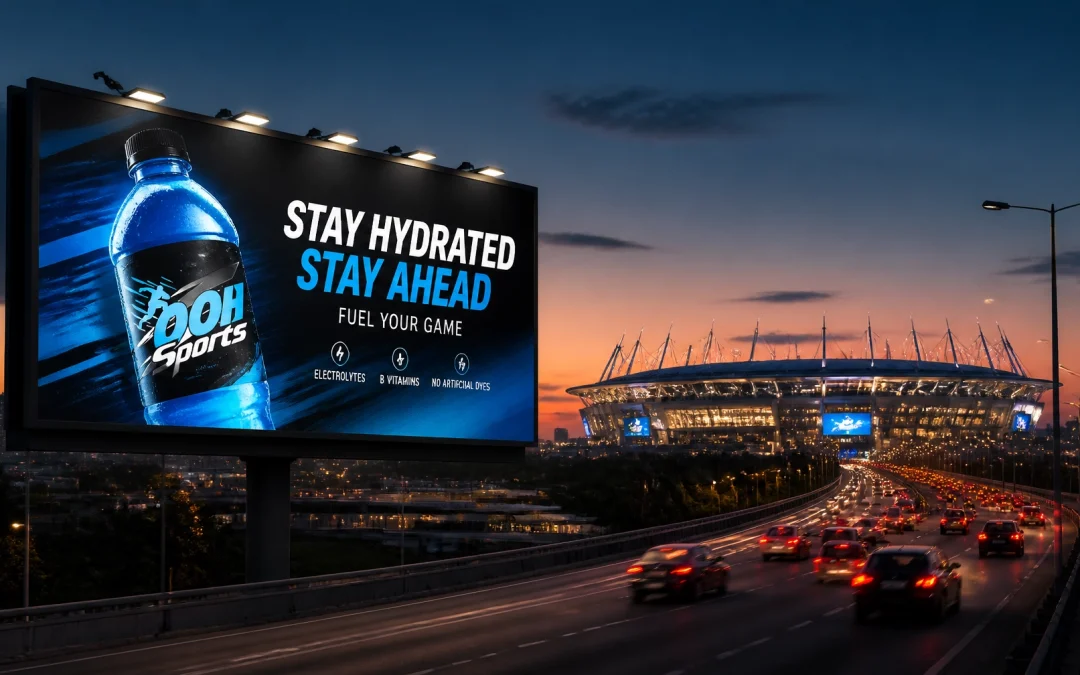
The landscape of sports marketing is undergoing a significant transformation with the expansion of the OOH Sports network. By increasing its footprint to over 25,000 digital screens, the network now provides a specialized infrastructure designed to dominate the perimeter of every major sports venue in America. This expansion marks a milestone in digital out-of-home (DOOH) advertising, offering media buyers and brand managers a direct line to fans during high-intent moments.
The OOH Sports network is engineered to provide comprehensive coverage within a 10-mile radius of arenas and stadiums. This strategic placement ensures that a brand’s message remains visible from the moment a fan leaves their home until they reach their seat, and throughout their post-game activities. This guide details the logistics, technology, and measurable impact of the network for those looking to scale their sports-centric campaigns.
Network Infrastructure and Strategic Reach
The core of the OOH Sports network is its density. By focusing on a 10-mile "stadium ring," the network eliminates the fragmentation often found in traditional outdoor buys. The infrastructure is built on the premise that sports fans are a unique demographic with predictable travel patterns and high emotional engagement.
The network expansion includes a diverse array of inventory types:
- Large-format digital billboards on primary commuter arteries.
- Digital screens within transit hubs and parking facilities.
- Full-motion video displays in high-traffic pedestrian walkways.
- Contextual screens in sports bars, restaurants, and retail centers.
This variety allows for a multi-touchpoint strategy that reinforces brand messaging across different environments. By utilizing the OOH Sports network, advertisers can maintain a consistent presence in the physical world that mirrors the intensity of the live sports experience.
Objective and Strategy: Mapping the Fan Journey
Scaling a campaign within the sports ecosystem requires more than just high-traffic placements. It requires a strategy built around the four distinct phases of the fan journey. The OOH Sports network categorizes its 25,000 screens into four specific clusters to facilitate this.
The Approach
The Approach focuses on the arrival routes and highways leading to the venue. Large digital billboards are used here for high-impact awareness and anticipation. Strategy in this phase often involves broad brand messaging or event-specific countdowns that prime the audience before they reach the venue's immediate vicinity.
The Hubs
As fans enter the 10-mile perimeter, the focus shifts to The Hubs. These include parking structures, transit platforms, and concourse areas. Inventory in these locations is ideal for utility-driven messaging, such as mobile app download prompts, last-minute ticket offers, or venue-specific information.
The Social Sphere
The fan experience extends beyond the stadium walls into the Social Sphere. This includes sports bars and restaurants where fans gather before, during, and after games. According to industry data, nearly 6 in 10 adults recall seeing OOH ads promoting major sporting events, and the Social Sphere provides the perfect environment for contextual creative that reacts to live game developments.
The Retail Ring
The final phase involves the Retail Ring, comprising convenience stores and shopping centers where fans purchase supplies, gear, and food. This is a critical conversion point. For example, a Sea-Doo programmatic DOOH campaign demonstrated how targeted exposure in relevant environments can lead to a 144% increase in purchase consideration.

Technology Partners and Programmatic Buying
A key feature of the expanded network is its integration with leading Demand-Side Platforms (DSPs). This programmatic capability allows media planners to buy OOH Sports inventory with the same precision and flexibility as digital display or mobile advertising.
Programmatic DOOH Execution
Programmatic access enables several advanced tactics:
- Venue-Level Targeting: Advertisers can select specific markets or even individual stadiums to activate campaigns based on team schedules or local rivalries.
- Dynamic Creative Optimization (DCO): Content can change in real-time based on game scores, weather conditions, or time of day.
- Flexible Budget Allocation: Spend can be shifted between markets as teams advance through playoffs or as championship events approach.
The use of full-motion video is another technological cornerstone. Digital video boards within the network support high-resolution, television-quality assets. Research indicates that video DOOH delivers significantly higher recall compared to static displays, making it a preferred format for brands looking to repurpose existing social or broadcast creative.

Integration with Broad Sports Media
The OOH Sports network does not operate in a vacuum. It is a vital component of the broader Sports Media Inc. ecosystem. This connectivity allows for omnichannel strategies that combine outdoor advertising with in-stadium assets and athlete-led content.
Strategy involves layering different media types to build frequency. A campaign might begin with city-wide awareness via large-format billboards, transition to intense local dominance within the 10-mile stadium ring, and conclude with emotional reinforcement through Sportrons digital ribbon boards inside the arena. Furthermore, the ability to incorporate Name, Image, and Likeness (NIL) assets into DOOH creative allows brands to feature localized athlete endorsements, further increasing relevance and trust with the local fan base.
Results and Measurable Outcomes
The effectiveness of the OOH Sports network is supported by data-driven case studies. By utilizing precise targeting and programmatic optimization, brands have seen substantial lifts in key performance indicators.
Documented Impact
- Purchase Consideration: A campaign for White Claw’s vodka launch utilized programmatic DOOH to achieve a 74% lift in purchase consideration.
- Brand Sentiment: AB InBev’s Mike’s Hard Iced Tea saw a 119% lift in positive brand image by aligning creative with high-energy sports environments.
- Real-World Action: Studies show that 90% of adults who recall seeing a sports-related OOH ad take a tangible action, such as watching the game, searching for information, or engaging on social media.
Measurement methodology often includes brand lift studies and device ID exposure analysis. By tracking the mobile IDs of fans exposed to the digital screens and comparing their subsequent digital or physical actions to an unexposed control group, the network provides clear attribution for the media spend.

Strategic Recommendations for Media Buyers
To maximize the impact of the OOH Sports network expansion, planners should adhere to the following tactical steps:
- Define the Perimeter: Identify the specific venues and 10-mile zones that align with the brand’s target demographics and sales goals.
- Modular Creative Design: Develop creative assets tailored to each phase of the fan journey, ensuring the message evolves as the fan approaches the venue.
- Leverage Real-Time Triggers: Use programmatic tools to set triggers for score updates or game milestones to ensure maximum relevance.
- Omnichannel Alignment: Coordinate OOH flighting with social media and CTV buys to create a unified brand experience.
The expansion of the OOH Sports network to 25,000 digital screens provides an unprecedented opportunity for brands to scale their presence in the sports world. With geographic precision, programmatic flexibility, and proven results, it remains a critical tool for reaching the modern sports fan.