
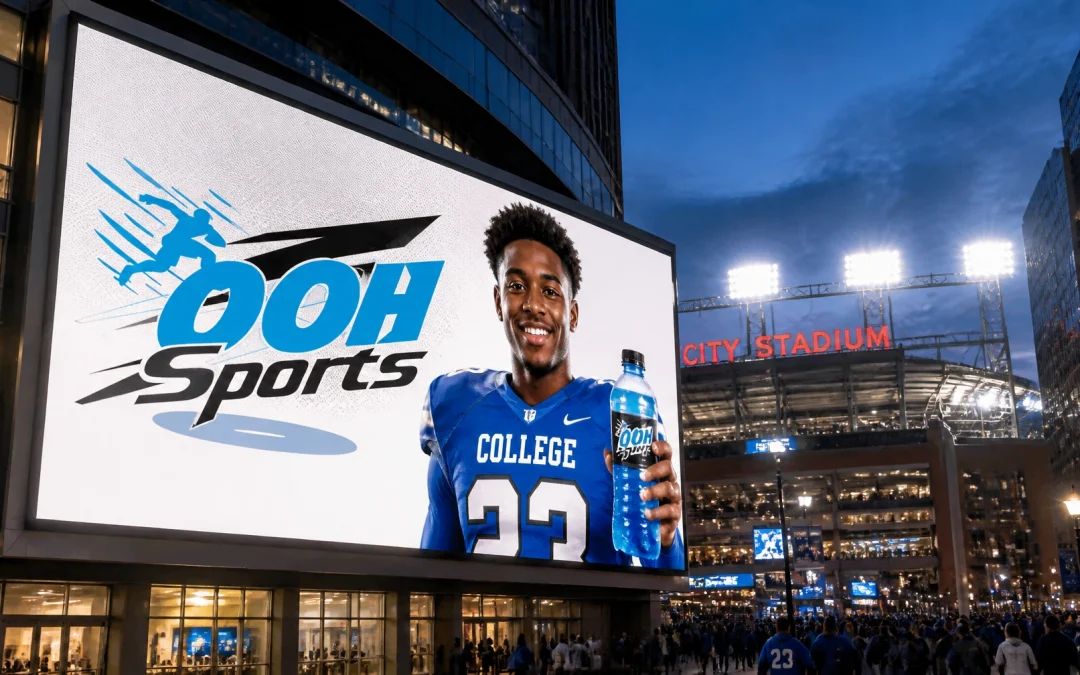
The Super Bowl remains the pinnacle of American advertising. However, the strategy for 2026 has shifted away from isolated, high-cost television spots toward integrated, multi-platform ecosystems. Brands are no longer just buying 30 seconds of airtime. They are building multi-week narratives that leverage cultural relevance and authentic human connection. At the heart of this evolution is the Name, Image, and Likeness (NIL) landscape, where a new generation of student-athletes serves as the primary conduit to younger, highly engaged audiences.
By activating a network of over 20,000 authentic student-athlete voices, brands can transcend traditional advertising barriers. This approach creates a "many-to-many" marketing model that mirrors the way modern consumers discover and trust products. When combined with a strategic 10-mile digital out-of-home (DOOH) perimeter around the game venue, this NIL power becomes a localized, high-impact force that dominates the physical and digital space.
Strategy: The NIL Advantage in 2026
The decision to utilize NIL talent at scale is rooted in the pursuit of trust. While celebrity endorsements offer broad reach, they often lack the community-level credibility that student-athletes provide. In the 2026 media environment, subject-matter-relevant creators outperform generic fame.
Student-athletes are not just spokespeople. They are active content creators with established, loyal followings. Activating 20,000 of these voices allows a brand to achieve several key objectives simultaneously:
- Scalable Authenticity: Instead of one polished message, brands receive thousands of unique, personalized interpretations of their value proposition.
- Generational Bridge: NIL athletes are the definitive voices of Gen Z and Gen Alpha. They shape the culture and consumption habits of the "next generation" of buyers.
- Multi-Platform Ubiquitity: Content lives where the audience lives, including TikTok, Instagram, and YouTube, ensuring the brand message is part of the social conversation before, during, and after the game.

Objective & Strategy: Building the Campaign Arc
The goal of a Super Bowl activation is to maximize the return on a high-stakes investment. Successful campaigns are structured as an arc rather than a single moment.
Pre-Game: Building the Foundation
In the weeks leading up to the game, the network of 20,000 NIL voices begins seeding brand narratives. Student-athletes participate in challenges, share training routines, or highlight product integrations in their daily lives. This creates a baseline of awareness and "pre-releases" the creative energy before the heavy competition of game week begins.
Game Week: The 10-Mile Perimeter
As the focus shifts to the host city, the strategy tightens geographically. A key tactic involves saturating all digital video advertising boards within a 10-mile radius of the stadium. This perimeter includes transit shelters, urban panels, and large-format billboards. This physical presence ensures that every fan, media member, and influencer on the ground is exposed to the brand message repeatedly.
Post-Game: Sustaining the Momentum
The conversation does not end with the final whistle. Student-athletes continue the narrative by sharing reaction content, memes, and "best of" recaps. This extends the life of the campaign and reinforces brand preference during the post-game emotional high.
Technology Partners & Execution
Execution at this scale requires sophisticated programmatic infrastructure. OOH Sports utilizes a digital out-of-home network that provides access to every category of digital video advertising board. This includes specialized units like Sportrons, which are designed to capture the attention of sports fans in high-traffic areas.
The programmatic aspect of the campaign allows for real-time optimization. If certain creative assets are performing better or if foot traffic patterns shift within the host city, the digital boards can be updated instantly. This level of agility is essential in the fast-moving environment of Super Bowl week.
Bridging Digital and Physical
The integration of NIL and DOOH creates a closed-loop marketing system. A fan might see a TikTok from a favorite college quarterback in the morning and then encounter a digital billboard featuring that same athlete while walking to a pre-game event. This cross-channel reinforcement significantly increases brand recall and purchase consideration.
Results: Measurable Impact
The success of a massive NIL and DOOH campaign is determined by data, not just buzz. By tracking device IDs exposed to the ads and monitoring social engagement, brands can quantify the lift in key metrics.
Previous campaigns within this network have demonstrated the power of this integrated approach:
- Brand Image Lift: High-impact DOOH campaigns have seen a 119% lift in positive brand image for major beverage brands.
- Purchase Consideration: Strategic programmatic placements have driven a 74% increase in purchase consideration during product launches.
- Audience Reach: By activating the full roster of 20,000 student-athletes, campaigns can generate millions of authentic impressions that traditional media buys cannot match in terms of engagement rate.

Strategy for Media Buyers and Planners
For media buyers and chief marketing officers, the 20,000-voice NIL strategy offers a way to de-risk the Super Bowl investment. Rather than betting the entire budget on a single creative execution, the budget is distributed across a massive network of high-performing creators and strategic physical locations.
Key considerations for planning include:
- Selection Criteria: Choosing athletes based on geographic relevance to the host city or alignment with specific sport categories.
- Creative Flexibility: Providing core brand guidelines while allowing athletes the freedom to speak in their own voice.
- Measurement Framework: Utilizing brand lift studies and foot traffic attribution to prove ROI.
As the industry moves toward 2030, where sports advertising is projected to reach $50 billion, these 7 strategies to capture your share will be critical for staying ahead.
Conclusion: The Future of Sports Marketing
The Super Bowl is no longer just a football game. It is a cultural laboratory where the most effective brands experiment with new ways to connect. The combination of 20,000 authentic student-athlete voices and a dominant 10-mile DOOH perimeter represents the current state of the art in sports marketing.
By focusing on authenticity, scale, and strategic physical presence, brands can ensure their message is heard above the noise. In the world of 2026 advertising, the secret to success is not just being loud. It is being authentic, being everywhere, and being part of the community.

For more insights on how programmatic DOOH compares to traditional stadium ads, explore our analysis of ROI for sports marketing. To see more examples of successful execution, visit the OOH Sports blog.