
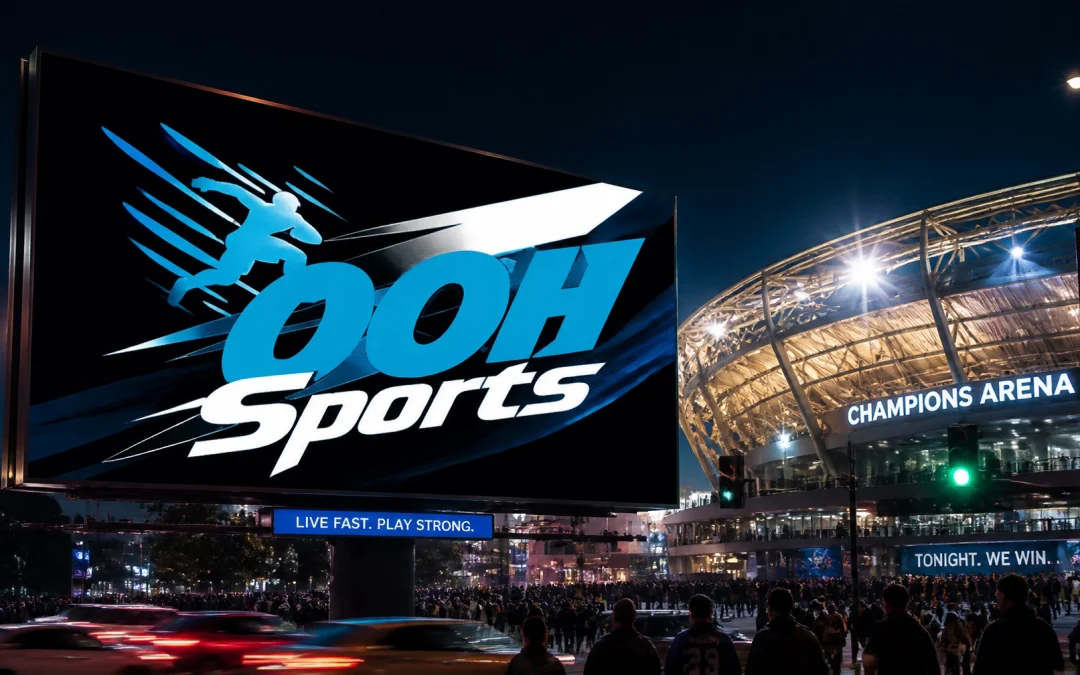
Digital Out-of-Home (DOOH) advertising has transitioned from a static broadcast medium into a high-precision, data-driven engine. In the sports sector, where fan emotion and engagement reach peak levels, this technology provides a unique bridge between physical surroundings and digital connectivity. Modern sports marketing strategies no longer rely on singular, expensive placements. Instead, successful campaigns utilize a network of digital screens to follow fans through their entire journey.
Innovation in this space is driven by the convergence of programmatic buying, real-time data feeds, and hyper-local targeting. This guide outlines the essential components required to execute a high-performance sports DOOH campaign and scale brand impact effectively.
The Foundation of Programmatic Sports DOOH
The primary driver of innovation in sports advertising is the shift to programmatic buying. Unlike traditional out-of-home advertising, which often required manual negotiations and long-term commitments for static billboards, programmatic DOOH (pDOOH) allows for automated, flexible inventory acquisition.
Strategic Advantages of Programmatic Execution
- Agile Budgeting: Media buyers can reallocate funds in real time based on team performance, game outcomes, or shifting viewership trends.
- Precision Timing: Ads can be scheduled to trigger only when they are most relevant, such as in the hours leading up to a kickoff or during high-traffic post-game celebrations.
- Diverse Inventory Access: Programmatic platforms provide access to a wide variety of screens, including Sportrons, stadium concourse displays, sports bars, and transit hubs.
By moving away from rigid, static models, brands can ensure their messaging remains as dynamic as the sporting events themselves. This flexibility ensures that marketing dollars are spent only when and where the target audience is most active.
Mapping the Fan Journey: The 10-Mile Perimeter Strategy
Success in sports DOOH relies on understanding where fans are before, during, and after a game. A sophisticated campaign maps the entire fan journey, placing messaging at critical touchpoints to build a "surround-sound" brand experience.

A key tactic used by industry leaders involves establishing a perimeter strategy around sports venues. Often, this includes a 10-mile radius around major arenas. By saturating this zone, brands reach fans in a heightened emotional state, whether they are commuting to the stadium, gathering at local establishments, or traveling home.
Key Touchpoints in the Fan Ecosystem
- Transit and Commute: Screens in subway stations, bus shelters, and parking garages reach fans as they migrate toward the venue.
- Social Hubs: Digital displays in sports bars and restaurants capture the attention of fans who are watching the game away from the stadium.
- Retail and Fan Zones: Screens near team stores and official fan festivals influence immediate purchasing decisions.
- Venue Entrance: High-impact digital boards near the gates serve as the final brand impression before fans enter the arena.
This multi-layered approach ensures the brand message is reinforced throughout the day, increasing the likelihood of purchase consideration and brand recall.
Technology Partners and Dynamic Creative
The true potential of sports DOOH is unlocked through technology that enables real-time creative updates. Dynamic Creative Optimization (DCO) allows digital boards to change their content automatically based on external data feeds.

When a brand’s message reacts to what is happening on the field, it creates a sense of immediacy and relevance that static ads cannot match. For example, if a home team scores a critical goal, the creative can update within seconds to celebrate the moment or offer a celebratory discount.
Effective Data Triggers for Sports Creative
- Live Scores: Displaying real-time updates keeps fans engaged with the screen while viewing the brand message.
- Weather Conditions: Creative can shift based on local weather, such as promoting cold beverages on a hot day or apparel during a rain delay.
- Game Status: Ads can be triggered by specific events, such as a "halftime special" or a "win-condition" promotion.
- Betting Odds: Real-time odds integration is particularly effective for sportsbooks and betting platforms looking to capture immediate interest.
Integrating these triggers makes the advertising feel like a part of the event rather than an interruption. It ensures that the transition from game-time excitement to brand engagement is as "smooove" as possible.
Measurable Outcomes and Proven Results
The shift toward digital platforms has solved the historical challenge of measuring out-of-home advertising. Modern campaigns utilize device IDs, location data, and brand lift studies to quantify exactly how a campaign performed.

Quantifiable data from recent case studies demonstrates the high efficiency of sports-focused DOOH. When brands align their strategy with the fan journey and programmatic precision, the results are significant.
Performance Benchmarks
- White Claw: By leveraging programmatic DOOH for a new vodka launch, the brand achieved a 74% lift in purchase consideration. The campaign focused on high-traffic areas and fan-heavy environments to drive awareness.
- Mike's Hard Iced Tea: A campaign utilizing programmatic DOOH resulted in a 119% lift in positive brand image, proving that high-frequency exposure in sports contexts builds strong brand affinity.
- Sea-Doo: This brand’s first major DOOH effort led to a 144% increase in purchase consideration, highlighting how effective the medium is for reaching active, outdoor-oriented sports fans.
These metrics prove that sports DOOH is not just an awareness tool; it is a performance-driven channel that delivers measurable business outcomes.
Integration with Omnichannel Campaigns
For maximum impact, sports DOOH should not exist in a vacuum. It is most effective when integrated into a broader omnichannel strategy that includes Connected TV (CTV), social media, and mobile advertising.
Research indicates that a high percentage of fans use a second screen while watching sports. By synchronizing DOOH messaging with the ads fans see on their mobile devices or streaming platforms, brands create a unified narrative. This consistency is vital, as fans are more likely to trust and purchase from brands that present a coherent message across all platforms.
Strategic Integration Steps
- Audience Syncing: Use the same third-party audience data to target sports fans on CTV and DOOH simultaneously.
- Retargeting: Identify device IDs exposed to a specific billboard near the stadium and retarget those individuals with a follow-up offer on social media.
- Cross-Channel Creative: Ensure visual elements and taglines are consistent across digital and physical screens to reinforce brand identity.
This holistic approach turns a series of advertisements into a comprehensive brand environment that surrounds the consumer.
The Future of Sports DOOH Innovation
As sports venues become year-round entertainment hubs, the opportunities for DOOH innovation continue to expand. The year 2026 and beyond will see a massive increase in global sports attention, driven by major international tournaments and the continued growth of professional leagues.

Future innovations will likely include deeper integration with augmented reality (AR) and phygital experiences, where fans can interact with digital screens via their smartphones to unlock exclusive content or rewards. Brands that adopt these technologies now will be better positioned to capture their share of the projected $50 billion sports advertising market.
Conclusion
Succeeding in the modern sports marketing landscape requires a move toward intelligent, automated, and fan-centric advertising. By utilizing programmatic DOOH, establishing strong perimeter strategies, and leveraging real-time data feeds, media buyers and brand managers can achieve unprecedented levels of reach and relevance.
The combination of high-impact visual displays and precise digital targeting ensures that every impression counts. As the industry continues to evolve, those who prioritize innovation and data-driven execution will lead the way in capturing the hearts and minds of sports fans across America.