
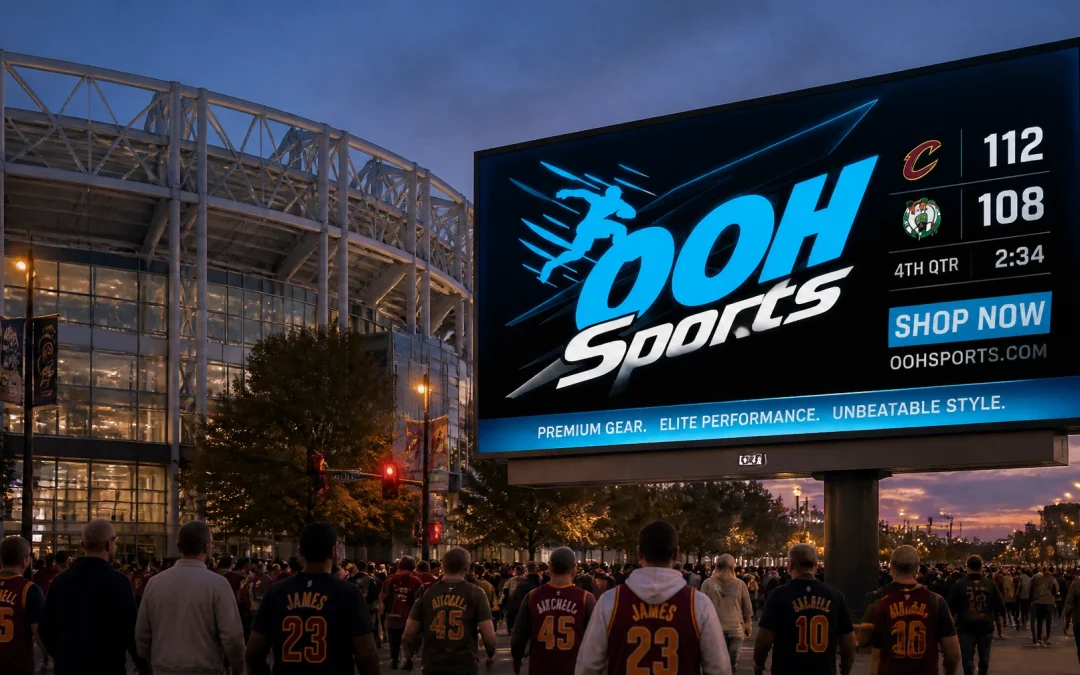
Fan engagement in the modern era has moved far beyond the physical confines of the arena. While traditional sports marketing once relied heavily on static signage and standard television spots, the emergence of Digital Out-of-Home (DOOH) advertising has created a dynamic layer of communication that follows the fan throughout their entire journey. For media buyers and brand managers, this shift represents a move from passive visibility to active, data-driven participation in the fan experience.
As sports advertising spend continues to rise, the ability to cut through the noise requires a strategy that leverages real-time triggers, location precision, and programmatic flexibility. By focusing on the ecosystem surrounding sports venues, brands can now reach highly attentive audiences at the exact moments when their passion is highest.
The Strategy: Beyond the In-Stadium Jumbotron
The core of innovation in sports marketing lies in recognizing that a fan’s emotional investment begins long before the first whistle and lasts well after the final play. The objective of modern sports DOOH is to capture this extended window of attention by surrounding the fan in their daily environment.
A key strategy involves targeting the "perimeter," which is the area within a ten-mile radius of major sports venues. This zone is a hub of activity where fans congregate at bars, transit hubs, and retail centers. By placing digital screens in these high-traffic locations, advertisers can maintain a consistent presence that bridges the gap between the commute and the game itself.

This perimeter-based approach ensures that a brand message is not just seen once but is reinforced multiple times. According to industry data, 49% of fans are more likely to make a purchase when brands appear consistently across multiple platforms, including the physical environment and mobile devices. This cross-channel consistency is the foundation of modern fan engagement.
Objective and Strategy: Leveraging the 10-Mile Perimeter
The primary goal of a perimeter strategy is to capitalize on the "last mile" of the fan journey. When fans enter the vicinity of a stadium, their focus on the upcoming event intensifies. This heightened state of awareness makes them more receptive to relevant messaging.
The strategic execution of this plan involves several components:
- Venue-Centric Targeting: Identifying every digital video board within a specific radius of stadiums, arenas, and ballparks.
- Category-Specific Reach: Utilizing a network that includes transit screens, roadside billboards, residential elevators, and retail kiosks.
- Contextual Relevance: Aligning creative assets with the specific sport, team, or local rivalries that define the venue.
By utilizing specialized networks such as Sportrons, brands can gain access to digital inventory that is specifically curated for sports environments. This eliminates the guesswork often associated with broad-reach OOH and allows for a more surgical application of marketing budgets.
Technology Partners: The Rise of Programmatic Execution
The transition from traditional OOH to DOOH is powered by programmatic technology. Platforms like StackAdapt have become essential partners in driving the adoption of programmatic DOOH within omnichannel campaigns. This technology allows for the automated buying and optimization of ad space, similar to how digital display ads are managed.
The use of programmatic platforms provides several technical advantages:
- Audience Segmentation: Advertisers can use movement data to identify screens that are most likely to be seen by specific fan demographics, such as NFL enthusiasts or college sports followers.
- Dynamic Triggers: Campaigns can be set to activate based on external data points, such as weather conditions, traffic patterns, or even live game events.
- Real-Time Optimization: Media planners can adjust creative or shift budget between locations instantly based on performance metrics or schedule changes.
Collaborating with specialized technology partners ensures that campaigns are not only visible but are also highly efficient. This precision reduces wasted impressions and ensures that the brand remains relevant to the evolving context of the game day.

Tactics for Enhanced Interaction
Interactive tactics turn a one-way message into a two-way conversation. While a static billboard is limited to awareness, a digital screen can drive immediate action through various creative implementations.
One effective tactic is the integration of QR codes and short URLs. These digital gateways allow fans to instantly transition from the physical world to a brand’s mobile ecosystem. For example, a screen in a sports bar can offer a discount on team merchandise or an entry into a contest, which the fan can access by scanning a code on their smartphone.

Another powerful tactic is the use of real-time scores and live updates. When a digital board displays the current score of a local game, it ceases to be a simple advertisement and becomes a utility for the fan. This creates a positive association between the brand and the excitement of the sport. Research indicates that 81% of consumers feel more positively toward brands that sponsor the sports they love, and providing helpful information like live scores reinforces this bond.
Results: Data-Driven Success Stories
The impact of these strategies is not theoretical; it is measured through rigorous brand lift studies and attribution modeling. By tracking exposed device IDs, advertisers can quantify the influence of DOOH on purchase consideration and brand image.
Several recent campaigns have demonstrated the magnitude of this impact:
- Brand Image Lift: A programmatic DOOH campaign for Mike’s Hard Iced Tea resulted in a 119% lift in positive brand image. The campaign leveraged strategic screen placements to align the brand with festive and social sports environments.
- Purchase Consideration: A campaign for White Claw’s vodka launch saw a 74% lift in purchase consideration. By targeting areas where fans congregate, the brand was able to establish itself as a preferred choice during high-intent shopping moments.
- First-Time Campaign Growth: Sea-Doo utilized DOOH for the first time and achieved a 144% increase in purchase consideration. This result highlights the effectiveness of DOOH in introducing a brand to a new audience within a relevant context.
These results underscore the importance of precision. When media is bought and executed based on fan movement and interest, the return on investment is significantly higher than traditional, broad-market approaches.
The Multi-Screen Priming Effect
The relationship between DOOH and other digital channels is synergistic. A concept known as "priming" occurs when a fan sees a large-scale ad in the real world, which then makes them more likely to interact with a related ad on their mobile device or television later on.

Tactics to maximize this effect include:
- Commuter Reinforcement: Using transit screens to reach fans during their morning and evening commutes, keeping the brand top-of-mind throughout the day.
- Sequential Storytelling: Delivering different parts of a brand story across various screens within the 10-mile perimeter.
- Retargeting: Identifying mobile devices that were in proximity to a DOOH screen and serving them follow-up ads on social media or search platforms.
This omnichannel approach ensures that the brand message is not a fleeting moment but a continuous narrative that follows the fan from the street to the stadium and back home.
Conclusion: Adapting to the Future of Fandom
The sports marketing landscape is evolving rapidly, with global spend projected to reach significant new heights. In this environment, the traditional methods of reaching fans are no longer sufficient. Sports DOOH offers a way to integrate brand messaging into the very fabric of the fan experience, making it timely, relevant, and measurable.
By focusing on the perimeter, leveraging programmatic technology, and utilizing interactive tactics, brands can change the way they engage with their audience. The shift from static to digital is not just a technological upgrade; it is a strategic necessity for any brand looking to build a lasting connection with the modern sports fan.
For those involved in the planning and buying of sports media, the goal is clear: to be where the fans are, with the right message, at the right moment. Sports DOOH provides the tools and the network to make that goal a reality.