
Fan engagement in the modern sports landscape has shifted from a simple broadcast model to a complex, multi-dimensional ecosystem. Creative directors and Chief Marketing Officers often find that traditional digital channels are becoming increasingly saturated, leading to a decrease in meaningful interaction. When brands fail to capture the attention of fans during high-emotion moments, they miss the primary window for long-term brand building.
The following analysis outlines seven common mistakes currently hindering fan engagement and explores how stadium perimeter advertising, integrated with a wider digital out-of-home (DOOH) network, provides a strategic solution.
1. Treating Fans as Passive Observers
One of the most frequent errors in sports marketing is the reliance on one-way broadcasting. Brands often use their media inventory to "shout" at the audience rather than inviting participation. When a message is purely informative and lacks an interactive component, it fails to capitalize on the high energy of the stadium environment.
The Fix: Interactive Perimeter Assets
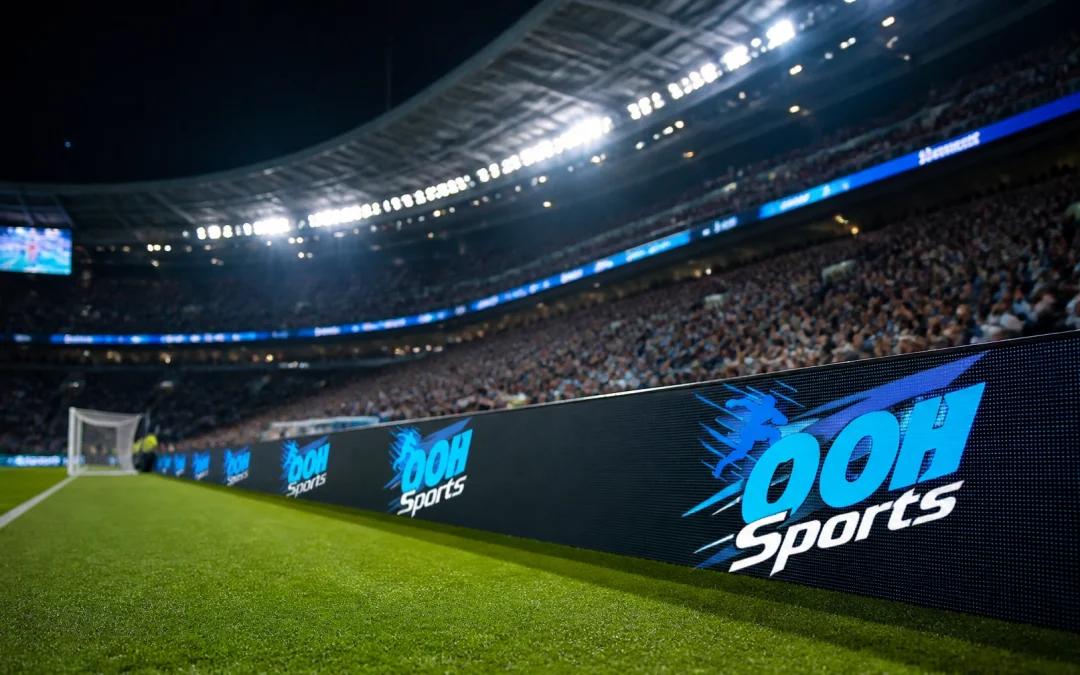
Digital perimeter boards, often referred to as Sportrons, allow for dynamic creative that can prompt immediate action. By using these boards to display real-time polls, social media handles, or interactive prompts that sync with a fan's mobile device, brands transform from a background logo into an active participant in the game-day experience. This approach shifts the brand's role from a spectator to a facilitator of the fan journey.
2. Ignoring the "Stadium Aura" Radius
Many campaigns focus solely on the in-stadium audience or the television broadcast, neglecting the critical "10-mile radius" around the venue. Fans do not just exist within the stadium seats; they are in local bars, transit hubs, and retail locations surrounding the arena. Ignoring this surrounding ecosystem leads to a fragmented brand presence.

The Fix: Hyper-Local DOOH Synchronization
A comprehensive marketing strategy utilizes a digital network that extends up to 10 miles around sports venues. By synchronizing perimeter ads with external digital billboards and transit displays, a brand creates a "surround sound" effect. This ensures that the brand remains top-of-mind during the entire pre-game and post-game journey, reinforcing the message across multiple touchpoints in the physical world.
3. Creating Friction in the Digital Bridge
Brands often attempt to drive fans to digital platforms using complex URLs or hidden calls-to-action. In a fast-paced sports environment, any friction in the user journey results in a sharp drop-off in engagement. If a fan has to spend more than three seconds figuring out how to interact with an ad, the opportunity is lost.
The Fix: Seamless Mobile Integration
Perimeter advertising provides a high-visibility canvas for frictionless entry points. The use of large-scale, high-contrast QR codes or simple, memorable short-codes on LED boards allows fans to bridge the gap between the physical and digital worlds instantly. When these are paired with clear incentives, such as exclusive content or mobile-entry contests, the conversion from a physical impression to a digital lead becomes seamless.
4. Deploying Static Creative in a Dynamic Environment
Using a "one size fits all" static creative for an entire season is a common pitfall. The emotional state of a fan changes based on the score, the intensity of the play, and the time remaining in the match. A generic brand message delivered during a high-stakes goal celebration can feel out of touch and irrelevant.
The Fix: Real-Time Data Triggers
Modern programmatic DOOH allows for creative that responds to live game data. Perimeter ads can be programmed to change instantly based on events like a touchdown, a home run, or a win. This level of contextual relevance ensures that the brand message is always aligned with the fan's current emotional state, significantly increasing the positive association between the brand and the excitement of the sport.
5. Neglecting the Casual Fan
Over-focusing on the "hardcore" season ticket holder can lead to a narrow audience reach. While loyal fans are vital, casual observers often represent a larger segment of the demographic and a significant opportunity for new customer acquisition. Marketing that is too "inside baseball" can alienate this broader group.
The Fix: Broad-Reach Visual Dominance
Perimeter advertising is uniquely positioned to capture everyone in the field of vision, including those watching the broadcast from home or at a sports bar. The high-impact, visual nature of LED boards ensures that the brand message is received by the entire audience, regardless of their level of expertise in the sport. This creates a wide top-of-funnel reach that feeds into more targeted mid-funnel digital campaigns.
6. Operating in Marketing Silos
When a stadium campaign is disconnected from the brand's social media, television, and email marketing efforts, the result is a diluted message. Fans may see a logo on the perimeter board but fail to connect it to the campaign they saw on their Instagram feed earlier that morning.
The Fix: Omnichannel Strategic Alignment
Successful execution requires that perimeter ads function as a key pillar within an omnichannel strategy. By using the same creative assets, taglines, and "look and feel" as other digital channels, brands build a cohesive narrative. This consistency builds trust and recognition, ensuring that the stadium presence acts as a powerful reinforcement of the overall brand story.
7. Relying on Vanity Metrics Over Brand Lift
Measuring success based only on "estimated impressions" is a mistake that obscures the true ROI of a campaign. Total foot traffic or broadcast ratings provide a baseline, but they do not measure how the advertisement actually influenced consumer behavior or perception.

The Fix: Advanced Attribution and Brand Lift Studies
OOH Sports utilizes sophisticated measurement techniques to move beyond basic impressions. By analyzing device ID data of fans exposed to the advertising and comparing it to a control group, brands can measure actual case study results, such as purchase intent and brand preference. These data-driven insights allow CMOs to see exactly how their perimeter investment is driving tangible business outcomes.
Strategy and Implementation
The implementation of a successful perimeter advertising campaign requires a structured approach to ensure maximum impact and measurable results.
Objective and Strategy
The primary objective is to transform stadium advertising from a passive background element into a core driver of fan engagement. The strategy involves a three-pronged approach:
- Saturation: Capturing the 10-mile radius around the venue to maintain brand presence throughout the fan's journey.
- Engagement: Utilizing dynamic, interactive creative to bridge the gap between physical viewing and digital action.
- Measurement: Employing rigorous brand lift studies to quantify the impact on consumer behavior.
Technology Partners
To execute this strategy, collaboration with specialized platforms is essential. Programmatic DOOH platforms allow for real-time bidding and creative deployment, ensuring that ads are shown at the most impactful moments. Integration with mobile attribution partners allows for the tracking of exposed audiences, providing the necessary data for full-funnel measurement.
Results and Measurement
The success of this approach is validated through clear data. For instance, campaigns that integrate perimeter advertising with a broader DOOH network have seen significant increases in brand metrics. In one recent evaluation, a major beverage brand achieved a 119 percent lift in positive brand image by utilizing this integrated, data-driven approach.

Conclusion
Correcting the common mistakes of fan engagement requires a shift toward more integrated, interactive, and data-driven advertising models. Stadium perimeter advertising is no longer just about visibility; it is about creating a bridge to the consumer in their most passionate moments. By leveraging the full 10-mile radius and utilizing dynamic, real-time creative, brands can ensure they are not just seen, but remembered. For organizations looking to refine their sports marketing efforts, moving away from static, siloed campaigns toward a comprehensive DOOH strategy is the most effective path to measurable success. To learn more about the strategic advantages of modern sports media, explore the about page for a deeper look at the evolution of this industry.