
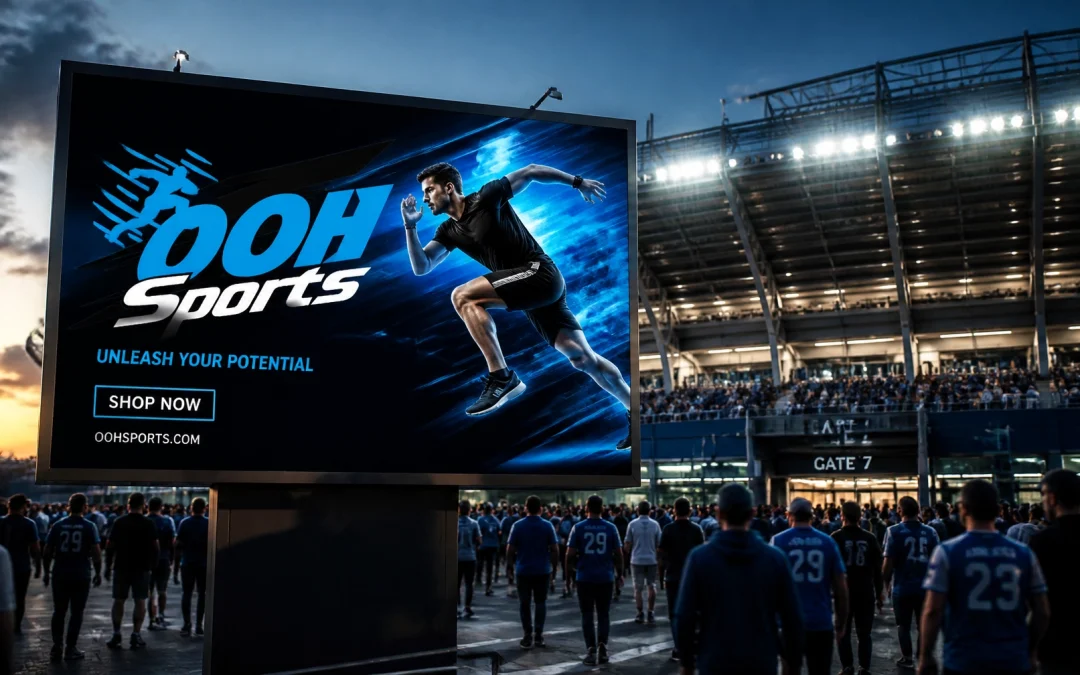
The landscape of sports marketing is undergoing a significant transformation. Traditional methods of reaching fans, such as static billboards and standard television spots, are being supplemented and, in many cases, replaced by highly dynamic digital out of home (DOOH) advertising. This shift is driven by the need for deeper engagement, real time relevance, and measurable impact. For media buyers and brand managers, the rise of sports DOOH offers a precise way to connect with superfans during their most emotionally charged moments.
The Evolution of the Fan Experience
Reaching a sports fan is no longer about simply having a logo visible during a game. It is about being present throughout the entire fan journey. This journey begins long before the first whistle and continues well after the final score is recorded. Digital out of home technology allows brands to inhabit the spaces where fans live, travel, and celebrate. By utilizing a network of digital screens strategically placed in and around sports hubs, advertisers can maintain a constant presence that feels organic to the sporting event.
The core of this evolution lies in the ability to move beyond static imagery. Modern DOOH screens can display full motion video, live scores, and social media feeds, creating a high impact experience that is difficult to ignore. Unlike mobile or web advertisements, DOOH is unskippable and immune to ad blocking software, ensuring that the brand message reaches its intended audience in a premium environment.
Strategy: The 10-Mile Radius Advantage
A key component of an effective sports DOOH strategy is the implementation of perimeter targeting. By focusing on a 10-mile radius around major sports venues, brands can saturate the environment where the highest concentration of superfans exists on game day. This geographic precision ensures that marketing budgets are directed toward individuals who are already in a state of high engagement.

This strategy covers a variety of touchpoints, including transit hubs, sports bars, retail locations, and high traffic intersections leading to the arena. The objective is to create a surrounding effect, where the brand message follows the fan from their commute to their pre-game meal and eventually to the stadium gates. This repeated exposure builds familiarity and strengthens the association between the brand and the excitement of the event.
Objective and Strategy: Precision Targeting of Superfans
The primary objective of sports DOOH is to convert passive spectators into active brand advocates. Achieving this requires a sophisticated understanding of fan behavior and the use of data driven targeting. Instead of broad, mass market campaigns, sports DOOH allows for a more surgical approach.
Tactics used in these campaigns include:
- Venue-Specific Targeting: Delivering messages tailored to the fans of a specific team or those attending a particular rivalry game.
- Dayparting: Scheduling advertisements to run during peak hours when fans are most likely to be in transit or gathering at local venues.
- Event-Based Triggers: Activating screens only on game days or during major tournament windows to maximize efficiency and relevance.
By aligning the creative message with the specific context of the sporting event, brands can achieve a higher level of resonance. For example, a sports betting app might display live odds during the hours leading up to kickoff, providing immediate value to the fan and a direct call to action.
Technology Partners and Programmatic Execution
The move toward programmatic DOOH has been a game changer for the industry. This technology allows for the automated buying and selling of ad space, providing flexibility that was previously impossible. Through partnerships with sophisticated Demand Side Platforms (DSPs), such as StackAdapt, brands can execute campaigns with unprecedented speed and agility.

Programmatic execution enables the use of real time data triggers. If a team wins a championship, creative assets can be updated instantly to reflect the victory. If a game goes into overtime, messaging can shift to promote late night snacks or celebratory beverages. This level of responsiveness ensures that the brand remains part of the conversation as it happens.
Furthermore, the integration of technology allows for the collection of anonymous mobile device IDs from individuals exposed to the screens. This data is invaluable for building audience profiles and understanding the movement patterns of superfans. It bridges the gap between the physical and digital worlds, allowing for a more cohesive marketing strategy.
Mechanics of the Campaign: From Exposure to Action
Execution of a successful sports DOOH campaign involves several logical steps. First, the target venues and the 10-mile perimeters are defined. Next, the programmatic parameters are set, including the budget, flight dates, and specific triggers.
One of the most powerful mechanics is the ability to retarget audiences across other digital channels. Once a fan has been exposed to a DOOH screen near a stadium, their device ID can be used to serve follow-up advertisements on their mobile phone, social media feeds, or Connected TV (CTV). This omnichannel approach ensures that the brand message stays top of mind long after the fan has left the stadium.
Interactive elements are also becoming increasingly common. QR codes on digital screens allow fans to scan for exclusive discounts, enter contests, or download apps directly. This turns a one way communication into a two way interaction, providing immediate attribution for the advertiser.
Results: Quantifiable Impact and Performance
The effectiveness of sports DOOH is not just theoretical; it is backed by significant data and case studies. By measuring brand lift, purchase consideration, and foot traffic, advertisers can see a clear return on investment.

Several notable campaigns have demonstrated the power of this medium:
- Positive Brand Image: A programmatic DOOH campaign for Mike’s Hard Iced Tea resulted in a 119% lift in positive brand image among exposed audiences. This success was attributed to the ability to reach consumers in high energy, social environments where the product is most relevant.
- Purchase Consideration: White Claw utilized a programmatic DOOH strategy for a vodka launch, which drove a 74% lift in purchase consideration. By targeting specific geographic areas and utilizing vibrant creative, the brand successfully broke through the noise of a crowded market.
- Targeted Engagement: A campaign for Sea-Doo saw a 144% increase in purchase consideration by focusing on digital screens in proximity to water recreation areas and sports venues.
These results highlight the ability of DOOH to move the needle on key performance indicators. By utilizing geofencing and mobility data, brands can link exposure to actual business outcomes, providing a level of accountability that was once a challenge for out of home advertising.
Strategic Alignment and Future Outlook
As the technology continues to advance, the integration of artificial intelligence and more granular data will further enhance the capabilities of sports DOOH. The ability to predict fan behavior and automate creative optimization will make these campaigns even more efficient.
For media planners and brand managers, the strategy is clear: focus on the fan. By utilizing the 10-mile perimeter around sports venues and leveraging programmatic technology, brands can create unskippable, high impact experiences that resonate with the most dedicated consumers. The future of sports marketing lies in the ability to be dynamic, responsive, and data driven.

Conclusion: Engaging the Superfan
The transition to digital out of home in the sports sector represents a fundamental shift in how brands communicate. It is no longer enough to be a spectator in the marketing world. To reach superfans, brands must become an active participant in the sports experience. Through the use of strategic location targeting, real time data, and cross channel retargeting, sports DOOH provides the tools necessary to build lasting connections with an audience that is more engaged than ever before.
For those interested in exploring these strategies further, the OOH Sports network provides access to digital video advertising boards across every major category, with a specific focus on the critical areas surrounding sports venues.