
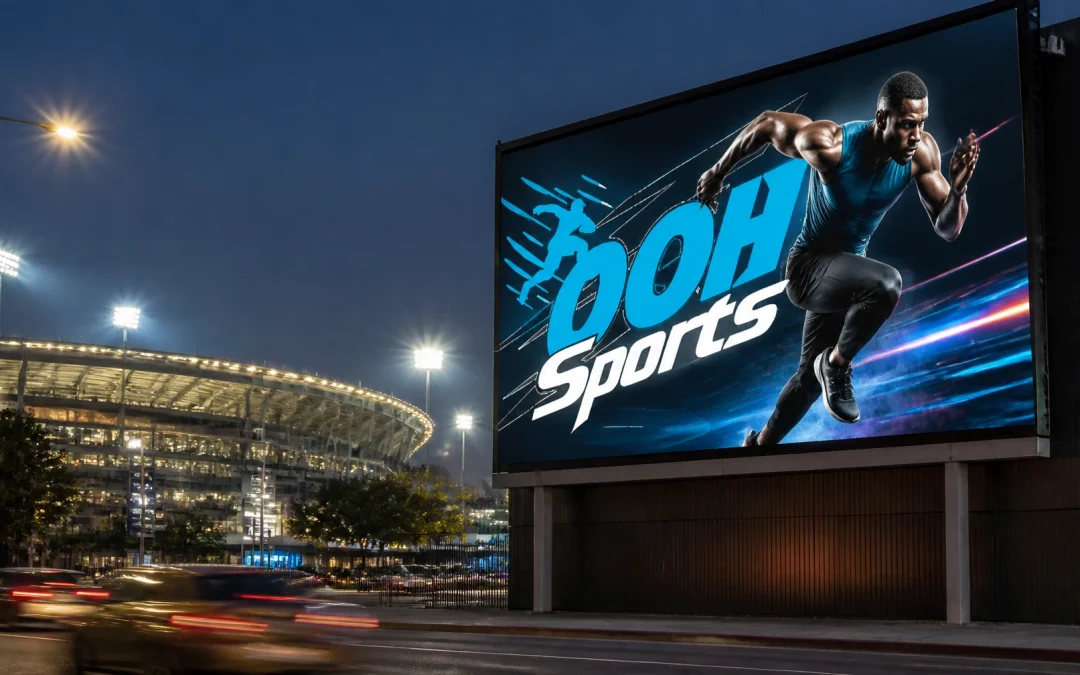
The landscape of sports advertising is undergoing a fundamental shift. As traditional broadcast viewership continues to fragment, the physical space surrounding major sporting events has become a critical battleground for brand attention. OOH Sports has recently achieved several network milestones that redefine how media buyers and planners approach this space. By establishing a dense ecosystem of digital video boards within a precise ten-mile radius of every major sports venue in America, the network has transitioned from a traditional out-of-home provider to a programmatic powerhouse.
This expansion is not merely about increasing the number of screens. It represents a strategic move toward a data-driven, omnichannel approach that captures the entire fan journey. For chief marketing officers and creative directors, these milestones provide a new level of precision and scale that was previously unavailable in the sports media sector.
Objective and Strategy
The primary objective of the OOH Sports network expansion is to solve the problem of fragmented fan attention. While in-stadium advertising remains valuable, it captures fans only for the duration of the event. The strategy behind the new network milestones focuses on the broader infrastructure of live sports, ensuring brand presence during the hours of preparation, travel, and celebration that surround a game.
By mapping a ten-mile perimeter around venues, OOH Sports has created a high-density digital network that aligns with the movement of millions of fans. This strategy prioritizes four key environments:
- Transit Hubs: Strategic placements in airports, train stations, and bus terminals reach fans as they arrive in a host city or commute to the arena.
- Retail and Path-to-Purchase: Screens in convenience stores and retail centers capture fans during the critical window when they are purchasing beverages, snacks, and gear.
- Hospitality and Social Spaces: Placements in sports bars, restaurants, and hotels maintain visibility during pre-game meetups and post-game analysis.
- Commuter Corridors: High-impact digital billboards along major arteries leading to stadiums ensure high frequency and reach among the local fan base and visitors alike.

Technology Partners and Programmatic Integration
A cornerstone of these new milestones is the full integration of programmatic digital out-of-home (pDOOH) capabilities across the entire network. OOH Sports has partnered with leading demand-side platforms (DSPs) like StackAdapt to enable automated buying and real-time optimization.
This technological foundation allows for Dynamic Creative Optimization (DCO). Advertisements can now change automatically based on real-time data signals. For example, a campaign can display "get ready" messaging in the morning, celebratory content immediately following a victory, or specific offers based on weather conditions or the current score of a game. This level of agility ensures that the creative remains relevant to the immediate context of the fan experience.
Furthermore, the network utilizes device ID exposure data to bridge the gap between physical and digital advertising. By identifying mobile devices that have been exposed to OOH Sports screens, planners can execute OOH-to-online sequencing. This allows brands to retarget fans with mobile or social ads after they have seen a high-impact digital billboard, creating a cohesive and measurable narrative.
Strategic Execution: The Fan Journey
The execution of the expanded network is designed to mirror the stages of the game-day experience. This logistics-heavy approach ensures that messaging is not just seen, but is also contextually appropriate for the consumer's current activity.
- The Preparation Stage: Hours before a game starts, fans are often in transit or visiting retail locations. The network uses retail-focused screens to influence last-minute purchase decisions.
- The Arrival Stage: As fans move into the ten-mile radius of the venue, the density of the network increases. High-impact street furniture and large-format billboards provide frequency, building brand authority.
- The Social Stage: For the significant portion of fans who do not enter the stadium but gather in nearby hospitality venues, OOH Sports provides a primary point of contact through digital screens in bars and restaurants.
- The Departure Stage: Post-game messaging is adjusted to reflect the outcome of the event, steering fans toward rideshare services, dining options, or celebratory partner offers.

Results and Measured Impact
The success of this expanded network is evidenced by the magnitude of data reported in recent campaign cycles. The transition to a dense, programmatic network around sports venues has yielded significant improvements in traditional brand metrics and digital attribution.
According to a series of brand lift studies, campaigns utilizing the OOH Sports 10-mile radius strategy have seen the following outcomes:
- Purchase Consideration: A 74 percent lift in purchase consideration was recorded for major brand launches, such as White Claw’s vodka launch, by targeting the right moment in the fan journey.
- Brand Image: Brands like Mike’s Hard Iced Tea achieved a 119 percent lift in positive brand image through the use of programmatic DOOH around high-energy sporting events.
- Consumer Engagement: Specific campaigns for lifestyle and recreation brands, including Sea-Doo, saw a 144 percent increase in purchase consideration.
- Attribution: The ability to track device IDs has allowed for precise measurement of footfall traffic and online conversions, confirming that DOOH is no longer a "top-of-funnel only" medium.
These figures illustrate that the strategic placement of screens within proximity to sports venues, combined with programmatic triggers, creates a more effective environment for brand messaging than general-market placements.

Industry Trends and Future Outlook
The growth of the OOH Sports network aligns with broader industry forecasts. Digital out-of-home is currently one of the fastest-growing segments in the advertising industry. Projections indicate that DOOH sports advertising will hit $50 billion by 2030. This growth is driven by the demand for brand-safe, privacy-friendly, and high-impact media that cannot be skipped or blocked.
As third-party cookies are phased out, location-based and contextual targeting become more valuable. The OOH Sports network offers a privacy-safe way to reach highly specific audiences based on their behaviors and interests without relying on intrusive personal data. This "context that connects" is the new standard for media buyers seeking to maximize ROI in a complex digital environment.
Furthermore, the comparison between programmatic DOOH and traditional stadium ads shows a clear trend toward the flexibility and measurement offered by the former. While traditional signage provides a steady backdrop, pDOOH offers the agility to react to live moments, making it a more dynamic tool for modern sports marketing.

Conclusion
The new network milestones achieved by OOH Sports represent a significant evolution in how brands interact with the sports audience. By focusing on a ten-mile radius around arenas and integrating advanced programmatic technology, the network has provided media planners with a tool that is both highly targeted and immensely scalable. This ecosystem captures the energy of live sports and extends it across the entire fan journey, ensuring that every touchpoint is an opportunity for engagement.
As the industry continues to move toward automated, data-driven solutions, the expansion of the OOH Sports network stands as a benchmark for the future of out-of-home media. For brands looking to make an impact in the world of sports, the ability to reach fans through a dense, digital network near the venues they love is no longer just an option, it is a strategic necessity.