
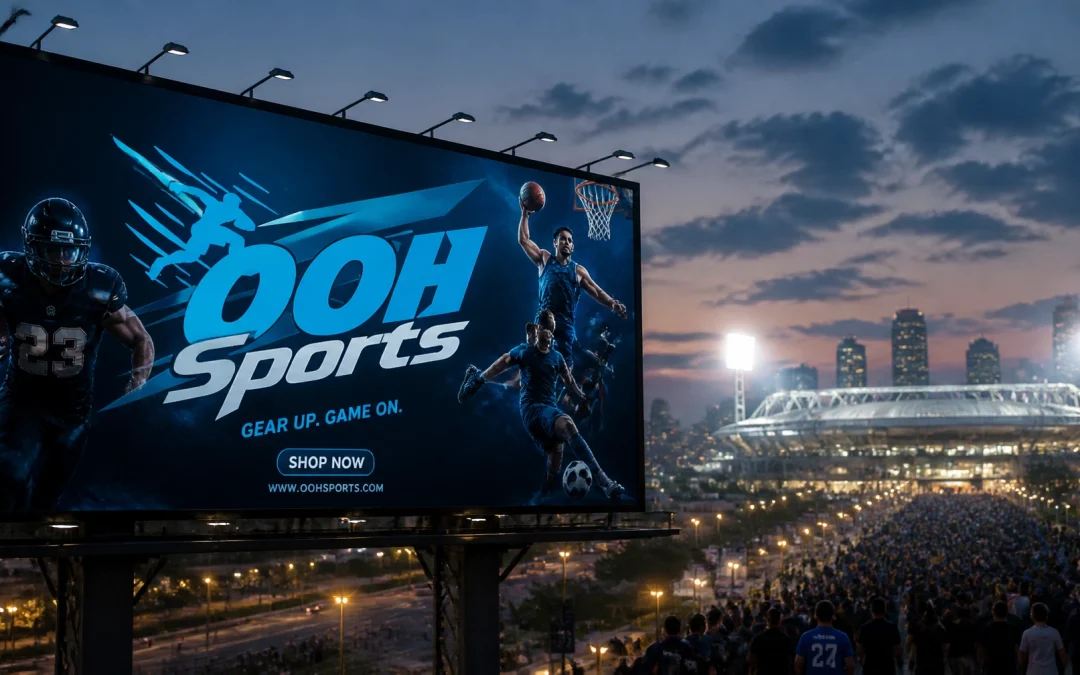
The landscape of sports marketing is undergoing a significant transformation. As traditional media fragments, brands and media buyers are seeking more direct, impactful ways to reach audiences when their passion is at its peak. OOH Sports has reached a new milestone in this evolution by expanding its Digital Out of Home (DOOH) network to provide comprehensive coverage across every major digital video category within a 10-mile radius of sports venues nationwide.
This network expansion marks a pivotal moment for the industry. By integrating advanced programmatic technology with a vast array of physical touchpoints, the OOH Sports network offers a seamless bridge between a brand’s message and the high-energy environment of live sports. The following guide provides a detailed analysis of how this network operates, the strategic advantages it offers, and the technical mechanics that ensure every campaign delivers maximum impact.
Objective and Strategic Vision
The primary objective of the OOH Sports network is to transcend the limitations of conventional stadium advertising. While in-stadium signage is effective, it is often limited to a specific window of time and a fixed audience. The strategic vision behind this network is to surround the fan experience at every stage of their journey.
Whether a fan is heading to the arena, celebrating at a local sports bar, or maintaining their fitness at a local gym, the network ensures that brand visibility remains constant. This approach creates a "surround sound" effect for marketing, placing the brand within the natural flow of the sports-centric lifestyle. By focusing on a 10-mile perimeter around venues, the network captures the heightened emotional state of fans before, during, and after a game.
The Infrastructure of Engagement
The strength of the network lies in its diverse and high-traffic inventory. Rather than relying on a single type of display, the network utilizes a multi-category approach to ensure reach across different demographics and environments.
Sports Bars and Casual Dining
Local hangouts serve as the secondary stadium for thousands of fans who cannot attend the game in person. These venues provide a high-dwell-time environment where audiences are naturally focused on screens. The network includes thousands of digital displays in these locations, offering a prime opportunity for brands in the beverage, food, and entertainment sectors.

Fitness Centers and Gyms
Sports fans are often active participants in athletic culture. By placing digital signage in gyms and health clubs, the network reaches a health-conscious audience during a period of high focus. This placement is particularly effective for brands in the wellness, apparel, and nutrition industries.
Transit Hubs and Urban Panels
The journey to the stadium is as important as the game itself. The network leverages urban panels and transit hub displays to capture the attention of commuters and fans as they navigate the city. These high-visibility units are strategically placed in high-traffic corridors to maximize impressions.

The Sportrons Network: Inside the Arena
The expansion also reinforces the connection with the Sportrons Network, which provides access to screens inside over 700 stadiums and arenas. This integration allows for a unified campaign that transitions from the city streets directly into the concourses and food courts of the venue.

Proximity and Precision: The 10-Mile Perimeter
The defining feature of the OOH Sports strategy is the use of proximity targeting. The network allows media planners to activate screens specifically within a designated radius of a sports venue. This ensures that the advertising budget is focused on the most relevant geographic areas.
- Hyper-Local Targeting: Advertisers can select specific stadiums or cities to focus their efforts.
- Contextual Relevance: Creative content can be tailored to the specific teams or events happening at nearby venues.
- Reduced Waste: By limiting the reach to a 10-mile perimeter, the network avoids the inefficiency of broad-market buys that may not reach the intended sports-focused audience.
This level of precision is facilitated through a sophisticated backend that maps every screen to its corresponding stadium influence zone. This ensures that the message is not just seen, but seen by the right people at the right time.

Technical Execution and Technology Partners
Modern advertising demands more than just visibility; it requires intelligence and flexibility. The OOH Sports network is built on a foundation of programmatic DOOH technology, allowing for real-time campaign management and data-driven decision-making.
Programmatic DOOH
By partnering with leading Demand Side Platforms (DSPs) like StackAdapt, the network enables media buyers to bid on inventory in real-time. This allows for unparalleled flexibility in how and when ads are displayed. Campaigns can be scaled up or down based on performance, budget, or shifting marketing priorities.
Game-Day Scheduling
One of the most powerful features of the network is the ability to run campaigns on game days only. This allows brands to capitalize on the massive surge in local foot traffic and social activity without paying for impressions on days when the stadium is dark. This tactic significantly increases the Return on Investment (ROI) by aligning spending with peak demand.
Rainout Protection
For outdoor sports like baseball or football, weather can play a major role in attendance and engagement. The network includes an automated rainout protection feature. If a game is canceled or postponed due to weather, the campaign is automatically paused, and the budget is preserved. This level of logistical precision ensures that advertising dollars are never wasted on an empty stadium or a canceled event.
Measurable Success: Case Studies from the Network
The effectiveness of the OOH Sports network is not just theoretical. It is backed by data and successful campaign outcomes across various industries. Through the use of brand lift studies and device ID tracking, the network provides clear evidence of impact.
Case Study: White Claw Vodka Launch
During the launch of its new vodka line, White Claw utilized a programmatic DOOH strategy within the sports network. The campaign was designed to reach consumers in high-energy social environments near sports hubs. The results were significant, showing a 74% lift in purchase consideration. You can read the full breakdown of this case study here.
Case Study: AB InBev and Mike's Hard Iced Tea
For the promotion of Mike's Hard Iced Tea, the brand focused on a DOOH campaign that emphasized positive brand image and social engagement. By targeting relevant sports and social venues, the campaign achieved a 119% lift in positive brand image. This demonstrates the power of placing the right creative in a contextually appropriate environment. Further details are available in the Mike's Hard case study.
Case Study: Sea-Doo Purchase Consideration
Sea-Doo utilized the network for its first-ever digital out-of-home campaign, aiming to reach an active, outdoor-oriented demographic. By leveraging the proximity of sports fans and enthusiasts, the brand saw a 144% increase in purchase consideration. This success highlights the network's ability to drive intent among high-value audiences. View the full Sea-Doo campaign details.
Implementation Tactics for Media Buyers
To achieve success within the OOH Sports network, media buyers and planners should follow a structured approach to campaign execution.
- Define the Perimeter: Identify the specific sports venues and the surrounding 10-mile radius that align with the brand’s geographic goals.
- Select Inventory Categories: Choose a mix of bars, gyms, transit panels, and in-stadium screens to ensure a multi-touchpoint presence.
- Set Programmatic Parameters: Utilize a DSP to establish CPM bids, ranging from $5 to $30 depending on the exclusivity and visibility of the placements.
- Activate Game-Day Scheduling: Ensure the campaign is scheduled to run during peak hours and game windows to maximize fan engagement.
- Utilize Real-Time Creative: Deploy dynamic creative that can be updated to reflect current scores, weather, or event-specific messaging.
- Measure and Optimize: Use available analytics to track impressions and leverage brand lift studies to quantify the campaign's success.
Conclusion
The expansion of the OOH Sports network represents a strategic leap forward for brands looking to connect with the passion of sports fans. By combining a vast, diverse inventory with precise geographic targeting and programmatic flexibility, the network provides a powerful tool for modern marketers. As the sports media landscape continues to evolve, the ability to reach fans in the real world, at the exact moment their engagement is highest, will remain a cornerstone of successful advertising strategy.
For those ready to explore the possibilities of this expanded network, more information is available on the OOH Sports About page or through direct consultation with the planning team.