
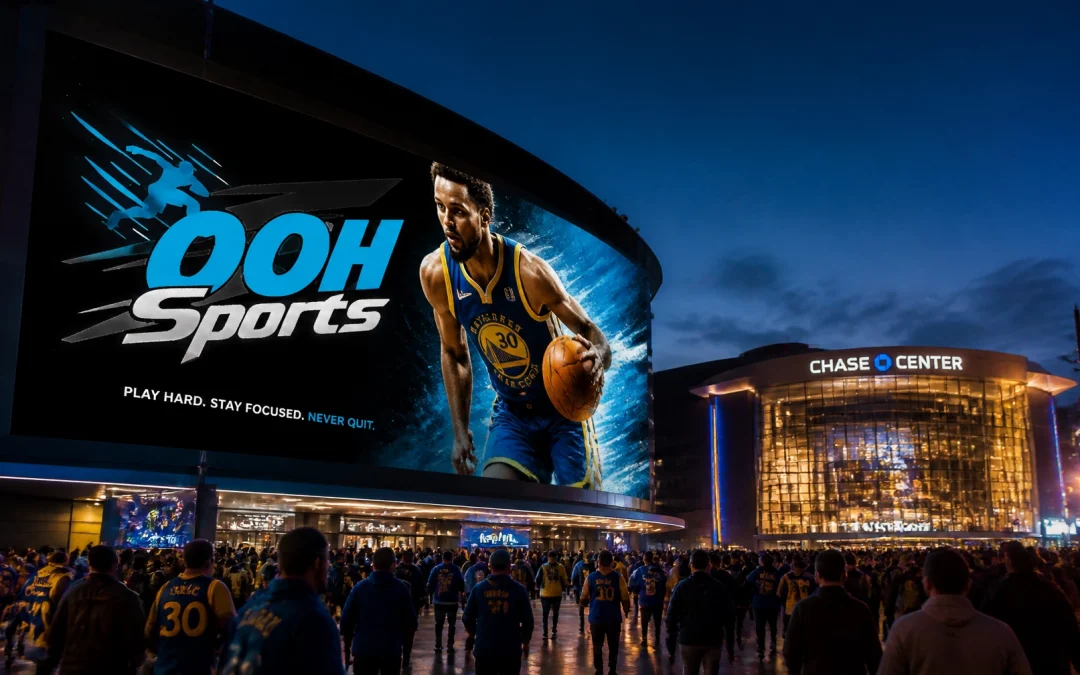
The landscape of sports marketing is undergoing a significant transformation. As traditional advertising channels face increasing fragmentation, Digital Out-of-Home (DOOH) has emerged as a powerhouse for brands seeking to connect with passionate audiences. The intersection of high-stakes competition and cutting-edge display technology provides a unique environment for impactful messaging. For media buyers, planners, and brand managers, understanding the nuances of this medium is no longer optional; it is a strategic necessity.
OOH Sports is at the forefront of this evolution, serving as a specialized network that bridges the gap between digital precision and the physical grandeur of the sports world. By leveraging an extensive ecosystem of digital screens located within and around sports venues, the company enables brands to participate in the fan journey with unprecedented scale.
Here are ten essential insights into the current state and future potential of DOOH in the sports advertising sector.
1. Programmatic DOOH is the New Standard
The transition from static to digital billboards was only the first step. The real revolution lies in programmatic buying. This technology allows advertisers to purchase OOH inventory with the same automation and data-driven precision found in online display or social media ads. Programmatic DOOH (pDOOH) enables rapid campaign activation, allowing brands to respond to real-time events or changes in the sports calendar.
Instead of committing to months-long fixed placements, buyers can now use Demand-Side Platforms (DSPs) to bid on specific impressions, locations, and time slots. This flexibility is critical in sports, where the relevance of a campaign can shift based on a team’s performance or the arrival of a major tournament. Industry data suggests that DOOH will account for over 45 percent of total out-of-home spending in the coming years, driven largely by this programmatic efficiency.
2. The Power of the 10-Mile Perimeter
One of the most effective strategies in modern sports advertising is the implementation of a perimeter-based approach. OOH Sports specializes in securing access to digital video advertising boards within a 10-mile radius of sports venues. This strategy ensures that a brand’s message surrounds the fan long before they enter the arena and remains visible as they depart.
By targeting the perimeter, advertisers reach fans in a variety of contexts, including transit hubs, retail centers, and residential areas near the stadium. This multi-touchpoint exposure builds frequency and reinforces brand recall during a period of high emotional engagement. The goal is to create a "surround sound" effect where the brand becomes an inextricable part of the game-day experience.

3. Synergy with the Second Screen
Modern sports fans are rarely focused on a single screen. Research indicates that approximately 56 percent of fans use a mobile device while watching a game. DOOH acts as a physical anchor for these digital habits. When a fan sees a high-impact digital billboard outside a stadium and then encounters a related ad on their mobile device, the synergy creates a significantly stronger brand connection.
Studies have shown that 49 percent of fans are more likely to make a purchase when brands appear consistently across multiple platforms. DOOH provides the scale and visual impact that mobile ads lack, while mobile provides the direct path to conversion. Integrating these channels allows for sophisticated retargeting strategies, where users exposed to a DOOH screen are later served a digital ad to drive them toward a specific action, such as an app download or a website visit.
4. Measurable and Quantifiable Results
For years, out-of-home advertising was perceived as a purely "top-of-funnel" awareness play with difficult-to-measure outcomes. That perception has changed. Today, DOOH campaigns are backed by robust attribution data. Through the use of anonymized device IDs and location data, advertisers can track brand lift, foot traffic, and even digital conversions.
The results are often substantial. For example, a programmatic DOOH campaign for White Claw resulted in a 74 percent lift in purchase consideration. Similarly, AB InBev’s Mike’s Hard Iced Tea saw a 119 percent increase in positive brand image through targeted sports DOOH. These metrics provide the transparency and accountability that modern CMOs require for their media investments.
5. Strategic Placement Beyond the Stadium
While the stadium is the heart of the action, the fan journey extends far beyond the gates. Effective sports DOOH strategies incorporate screens in a variety of lifestyle environments. This includes sports bars, restaurants, hotels, and airports. Placing ads in these locations allows brands to capture the attention of fans who are traveling to events or gathering to watch away games.
Airports, in particular, offer a high-dwell-time environment for reaching affluent fans traveling for major championships. Meanwhile, digital screens in sports bars allow brands to reach "the crowd within the crowd" in a relaxed, social setting. OOH Sports utilizes Sportrons and other specialized inventory to ensure that messaging is present wherever the sports culture thrives.

6. Capitalizing on Women’s Sports Momentum
The explosive growth of women's sports represents one of the most significant opportunities in advertising today. In recent years, viewership for women's professional leagues has increased by over 130 percent. Crucially, advertising in these environments has proven to be highly effective, delivering 40 percent more impact than the average primetime TV spot.
DOOH allows brands to "own" the environment around women's sporting events at a time when the audience is rapidly expanding and the advertising space is less cluttered than in traditional men's leagues. This demographic is highly engaged and receptive to brands that demonstrate authentic support for the growth of their favorite sports.
7. Preparation for Global Tentpole Events
The sports calendar is punctuated by massive global events, such as the FIFA World Cup and the Olympic Games. These moments draw unparalleled global attention and massive shifts in consumer behavior. Global sports ad spend is projected to exceed $1 trillion during these peak years.
For brands, DOOH is the ideal medium to scale up during these windows. Whether it is targeting host cities or the travel corridors leading into them, digital screens provide the necessary visibility to capture the excitement. Sophisticated planners use DOOH to surround these events, ensuring their brand is top-of-mind during the moments that matter most to fans.
8. Dynamic Creative and Real-Time Triggers
One of the most powerful features of DOOH is the ability to use dynamic creative. Advertisers can set "triggers" that change the content of an ad based on external data. In a sports context, this could mean displaying a "Congratulations" message immediately after a local team wins, or updating a billboard with live scores and game-time countdowns.
Dynamic creative ensures that the messaging remains contextually relevant. A fan walking toward a stadium is in a different state of mind than a fan leaving it. By adjusting the creative to match the time of day, the weather, or the score of the game, advertisers can increase the resonance of their message. This level of relevance is a primary reason why Sea-Doo’s first digital OOH campaign saw a 144 percent increase in purchase consideration.

9. Precision for Regulated Categories
For certain industries, such as sports betting and alcohol, geographic precision is a legal and strategic requirement. DOOH offers a level of control that is difficult to replicate on other mass-reach channels. Advertisers can target specific states or even specific city blocks where certain activities are legalized.
This hyper-local targeting ensures that budgets are not wasted on audiences who cannot legally engage with the product. For the sports betting industry, DOOH has become a cornerstone of their acquisition strategy, allowing them to reach fans at the exact moment and location where they are most likely to place a wager.
10. A High-Impact, Brand-Safe Environment
In an era of concerns over "fake news" and questionable social media content, DOOH remains a remarkably clean and brand-safe channel. A digital billboard is a physical, public asset. There is no risk of an ad appearing next to user-generated content that contradicts a brand's values.
Furthermore, DOOH offers high viewability. Unlike digital ads that can be blocked or scrolled past in a fraction of a second, a massive digital screen in a high-traffic area is impossible to ignore. This "unskippable" nature, combined with the professional environment of sports venues, makes DOOH a preferred choice for brands that prioritize their public image.

Strategy and Execution
Successfully navigating the world of sports DOOH requires a mix of strategic planning and technical expertise. Media buyers should focus on:
- Objective-Based Planning: Whether the goal is brand awareness or driving foot traffic to a retail partner, the choice of inventory and creative should align with the specific KPI.
- Technology Integration: Utilizing advanced DSPs and measurement partners to ensure that every impression is accounted for and analyzed.
- Creative Excellence: Designing for the medium. High-contrast visuals and concise messaging perform best on large-format digital screens.
OOH Sports provides the infrastructure and expertise to execute these complex campaigns at scale. By focusing on the unique needs of the sports fan and the strategic goals of the advertiser, the network continues to redefine what is possible in modern advertising.
For more information on how to leverage these trends, visit the OOH Sports About page or explore detailed case studies to see the impact of digital out-of-home in action.