
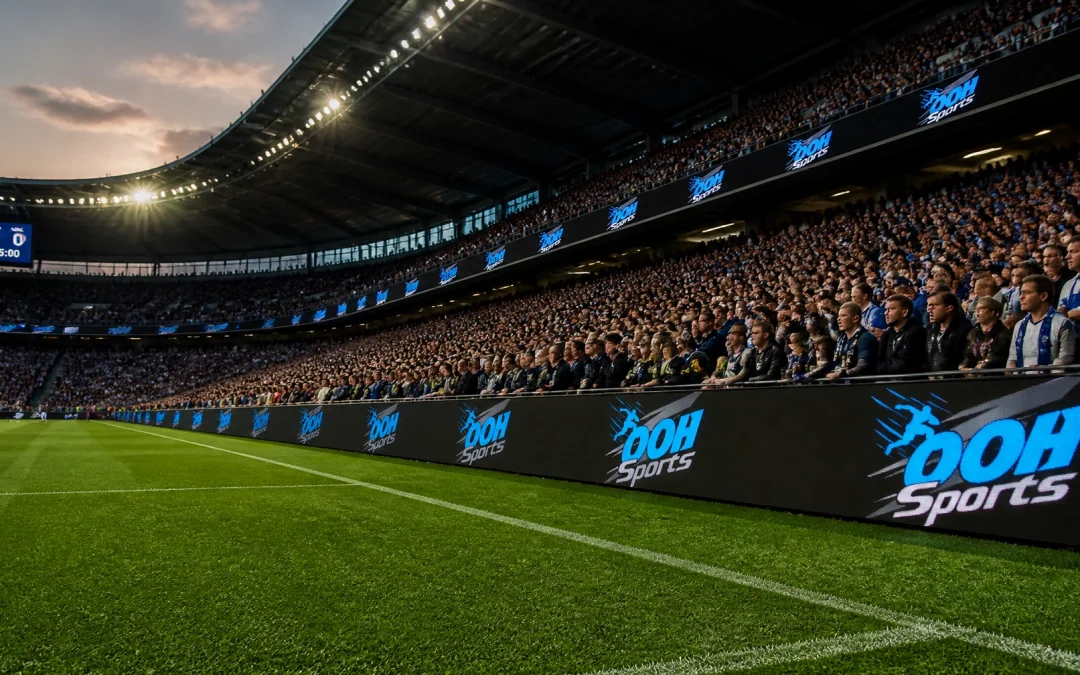
The landscape of sports marketing is undergoing a significant transformation. Traditional static signage is being replaced by dynamic, data-driven systems that capture attention both inside the arena and across digital broadcast feeds. At the center of this evolution is the digital out-of-home (DOOH) sports network, a specialized advertising infrastructure designed to reach fans where their passion is most concentrated.
Stadium perimeter advertising is no longer just a backdrop for the game. It has become a sophisticated tool for brand storytelling and audience engagement. By utilizing a 10-mile radius strategy around major sports venues, brands can now create a continuous narrative that follows fans from the moment they leave their homes to the final whistle of the match.
Objective & Strategy
The primary objective of a modern sports-focused DOOH campaign is to bridge the gap between passive brand awareness and active fan engagement. Historically, advertising in sports was often limited to a logo on a wall. Today, the strategy involves a multi-layered approach that prioritizes visibility, relevance, and timing.
A critical component of this strategy is the geographic focus. OOH Sports utilizes a perimeter-based model that targets digital video advertising boards within a 10-mile radius of sports venues. This specific radius is chosen because it encompasses the primary travel corridors, pre-game gathering spots, and high-traffic zones frequented by fans on game day.
Strategy highlights include:
- Establishing brand presence across all digital video advertising boards in every relevant category within the 10-mile zone.
- Synchronizing messaging across multiple touchpoints to ensure frequency and recall.
- Leveraging the emotional high points of a sporting event to anchor brand associations in the minds of the audience.
- Targeting specific demographics by selecting venues and schedules that align with a brand’s ideal customer profile.
The Power of the 10-Mile Radius
The 10-mile radius strategy is rooted in the concept of hyper-local saturation. When a brand dominates the digital screens around a stadium, it creates an environment where the brand feels synonymous with the event itself. This is particularly effective for media buyers and planners who need to maximize the impact of their spend within a compressed timeframe.

Inside this 10-mile perimeter, the OOH Sports network provides access to diverse inventory including transit hubs, street furniture, and large-format billboards. By surrounding the stadium, brands capture the "fan journey" in its entirety. This approach ensures that the message is seen by fans during the commute, while they are tailgating or dining nearby, and during their approach to the venue gates.
Strategy: Moving Beyond the Arena
While the physical perimeter boards within the stadium are high-impact, the strategy extends to the digital screens located in the immediate vicinity. These screens often serve as the first and last touchpoints for fans. For a creative director, this offers a unique opportunity to use different creative executions that adapt to the fan’s state of mind.
For example, a pre-game message might focus on anticipation or a call to action to visit a nearby retail location. A post-game message, appearing on the same digital network, might pivot to a celebratory theme or a brand-building message that reinforces the excitement of the event. This flexibility is a hallmark of programmatic DOOH.
Technology Partners and Programmatic Integration
The execution of a high-performance sports marketing campaign relies heavily on sophisticated technology. OOH Sports collaborates with leading platforms to provide seamless access to inventory. One such example is the integration with StackAdapt, which allows for the programmatic buying of DOOH assets.
The use of a Demand Side Platform (DSP) enables brands to:
- Automate the purchase of ad space based on real-time triggers.
- Optimize creative content dynamically to match game-day conditions.
- Target audiences with precision based on device ID exposure and location data.
- Consolidate reporting across various screen types and locations.
Technology makes it possible to treat out-of-home advertising with the same level of precision as digital display or social media ads. This shift is vital for Chief Marketing Officers who require measurable data to justify their marketing investments.
Tactical Execution and Fan Engagement
Effective fan engagement requires more than just high-resolution screens. It requires content that resonates with the energy of the crowd. Stadium perimeter advertising utilizes Sportrons, which are high-impact digital displays designed specifically for the sports environment.

Tactics used to drive engagement include:
- Real-Time Data Feeds: Displaying live scores, player stats, or social media mentions alongside brand content.
- Contextual Triggers: Changing the creative based on key game moments, such as a home run, a goal, or a timeout.
- Interactivity: Encouraging fans to interact with the screens via QR codes or mobile-integrated contests.
- High-Frequency Rotation: Ensuring that the brand remains visible throughout the entire event without becoming stagnant.
By integrating these tactics, a campaign can transform a standard advertisement into a part of the game-day entertainment. This reduces "ad fatigue" and increases the likelihood that fans will develop a positive association with the brand.
Results: Measuring the Impact of DOOH
The success of a stadium perimeter campaign is measured through rigorous data analysis. Unlike traditional billboards, modern DOOH provides clear metrics on reach, frequency, and brand lift. Recent case studies demonstrate the effectiveness of this approach.
Success in Beverage Marketing
Campaigns within the beverage industry have seen significant success using the OOH Sports network. For instance, a campaign for White Claw saw a 74 percent lift in purchase consideration. This was achieved by strategically placing digital ads around high-traffic sports venues, targeting consumers who were already in a social and celebratory mindset.
Brand Image Enhancement
Mike’s Hard Iced Tea utilized a similar programmatic DOOH strategy and reported a 119 percent lift in positive brand image. By aligning the brand with the positive emotions of the sports experience, the campaign successfully shifted consumer perception.
Increasing Purchase Intent
Sea-Doo leveraged digital out-of-home advertising to increase purchase consideration by 144 percent. This underscores the ability of DOOH to move the needle on lower-funnel metrics even in a high-energy, broad-reach environment like a sports stadium.

Measurement methodologies often include:
- Brand Lift Studies: Surveys that compare the brand awareness of consumers who were exposed to the ads versus a control group.
- Mobile Location Data: Tracking device IDs that were in proximity to the digital screens to measure foot traffic to retail locations.
- Attribution Modeling: Connecting ad exposure to actual sales data or web conversions.
Why Branding Must Evolve with the Fan Experience
The modern fan is more connected and distracted than ever before. To capture their attention, brands must move beyond static placements. The perimeter of the stadium represents some of the most valuable real estate in the advertising world because it is where the audience is most focused.
When a brand is integrated into the perimeter of the field of play, it becomes part of the visual record of the event. It appears in highlight reels, social media shares, and news coverage. This extended lifecycle provides value that far exceeds the initial live exposure.
Conclusion: The Future of Sports Advertising
The integration of digital technology into the physical environment of sports venues has created a new frontier for marketers. By combining the emotional power of live sports with the precision of programmatic DOOH, brands can achieve levels of engagement that were previously impossible.
OOH Sports continues to lead this revolution by providing a comprehensive network that covers the critical 10-mile radius around arenas. For media buyers and planners, the choice is clear. Embracing stadium perimeter advertising is not just about placing an ad. It is about becoming a permanent part of the fan experience.
For more information on how to leverage the power of digital out-of-home in sports, visit the OOH Sports blog or contact the team to explore custom campaign strategies.