
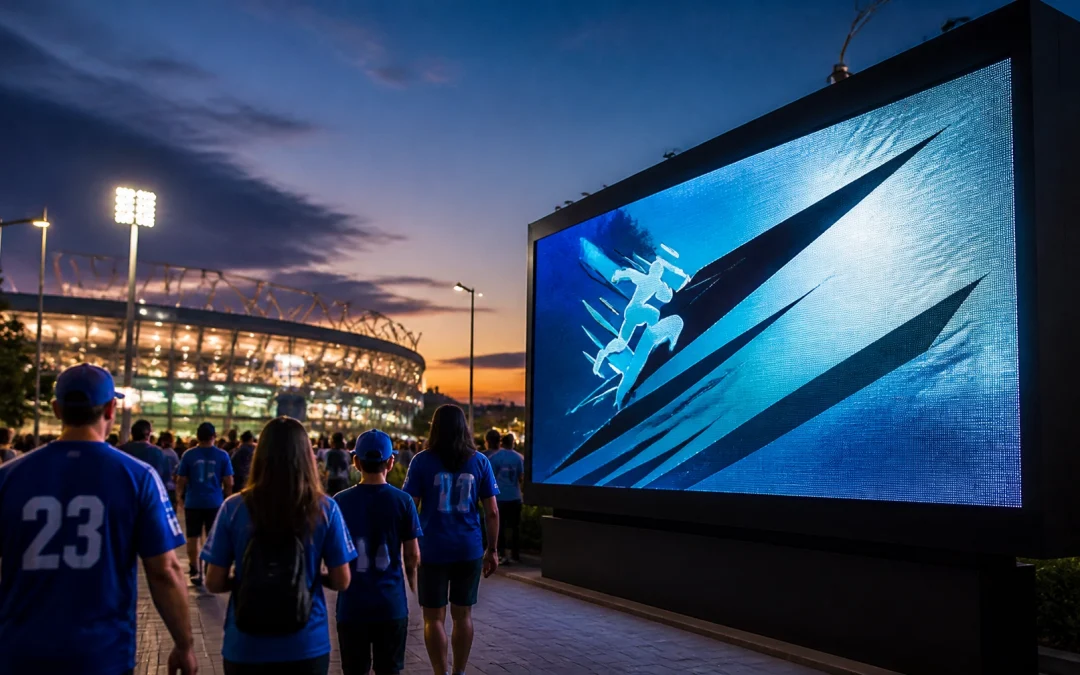
Official sports sponsorships are often associated with prestige, high visibility, and unfortunately, astronomical price tags. For many brands, the "walled garden" of the stadium interior remains financially out of reach. However, a significant strategic shift is occurring in the advertising industry. Savvy brand managers and creative directors are discovering that the most valuable fan engagement does not always happen inside the arena. It happens in the 10 mile radius surrounding it.
This zone, known as the stadium perimeter, is where fans congregate, commute, eat, and celebrate. By utilizing digital out of home (DOOH) advertising, brands can capture the attention of a highly emotional and concentrated audience without the constraints or costs of an official league partnership.
The Strategy: Dominating the 10-Mile Radius
The objective of a perimeter campaign is to saturate the fan journey from the moment they leave their homes until they arrive at the stadium gates. This is achieved by identifying every high traffic touchpoint within a specific geographic radius of the venue.
A successful strategy involves several key components:
- Roadside Presence: Large format digital billboards along major highways and local arteries leading to the stadium.
- Transit Hubs: Digital screens in train stations, bus stops, and airports that serve visiting fans.
- Retail and Convenience: Screens at gas stations, convenience stores, and liquor stores where fans stock up on pre-game supplies.
- Lifestyle Centers: Digital signage in shopping malls, restaurants, and bars located near the venue.
By blanketing these locations, a brand creates a "halo effect" that makes their presence feel as ubiquitous as an official sponsor.

Objective & Strategy: Mapping the Fan Journey
To own the perimeter, creative teams must think beyond a static message. The goal is to align the brand with the fan’s emotional state at different stages of the day.
- The Anticipation Phase (3–5 hours before kickoff): Focus on excitement. Use roadside billboards to build hype and direct fans to nearby retail locations for game day essentials.
- The Arrival Phase (1–2 hours before kickoff): Focus on utility. Target screens in parking structures and transit hubs. Messaging should be short, punchy, and visually arresting.
- The Celebration Phase (Post-game): Focus on the result. Use dynamic triggers to congratulate the winning team or provide offers for post-game dining and entertainment.
This phased approach ensures that the brand is not just seen, but is perceived as a relevant participant in the day's events. More details on these specialized marketing tactics can be found on the OOH Sports marketing page.
Technology Partners and Programmatic Execution
The secret to executing a perimeter takeover lies in programmatic DOOH technology. Rather than manually negotiating with multiple vendors, media buyers can use automated platforms to bid on inventory in real time. This allows for unparalleled flexibility and precision.
Programmatic buying enables several advanced tactics:
- Geofencing: Activating screens only when they fall within a specific distance of the stadium coordinates.
- Dayparting: Scheduling ads to appear only during the hours when fan traffic is at its peak.
- Audience Targeting: Using anonymized mobile data to identify screens that are currently being viewed by sports enthusiasts.
- Budget Optimization: Shifting spend in real time based on which locations or times are delivering the highest engagement.
For brands looking to understand the hardware behind these placements, the Sportrons page provides insight into the various digital video advertising boards available in the network.

Creative Tactics: The Power of Dynamic Content
One of the greatest advantages of digital screens over traditional vinyl billboards is the ability to use dynamic creative. Static ads are easily ignored. Content that changes in response to real world events demands attention.
Effective dynamic triggers for sports perimeter campaigns include:
- Real-Time Score Updates: The screen displays the current score of the game as it happens.
- Weather Triggers: Promoting cold beverages on hot days or hot coffee during a snowy playoff game.
- Countdowns: A live clock counting down the seconds until the first pitch or kickoff.
- Social Media Integration: Displaying fan posts or trending hashtags from the stadium area.
These elements bridge the gap between the physical world and the digital experience. They transform a simple advertisement into a valuable piece of information for the fan.
Measuring Success: Moving Beyond Impressions
The question for every CMO is simple. Does it work? Unlike traditional OOH, modern digital campaigns provide a wealth of data to prove ROI. Success is measured through a combination of digital and physical metrics.
- Brand Lift Studies: Surveys that compare the brand awareness of people who were exposed to the DOOH ads versus those who were not.
- Device ID Exposure: Tracking the number of unique mobile devices that passed by a screen during the campaign.
- Retargeting Loops: Using the captured device IDs to serve follow up ads on mobile phones or Connected TV (CTV) after the fan has left the stadium area.
- Foot Traffic Attribution: Measuring how many people visited a specific retail location or dealership after seeing a perimeter ad.
For example, a beverage brand might see a 74 percent lift in purchase consideration by targeting screens near stadiums and tracking subsequent store visits. Documented examples of these results are available in the OOH Sports case study library.

The Competitive Edge
Owning the stadium perimeter is about more than just proximity. It is about strategic dominance. By leveraging the flexibility of programmatic DOOH and the emotional resonance of the sports environment, brands can achieve massive impact without the multi million dollar commitment of a sponsorship deal.
This approach allows creative directors to be more daring and media planners to be more efficient. The perimeter is not a consolation prize. It is a high performance advertising ecosystem that offers a direct line to the most passionate consumers in the world.
To learn more about the philosophy behind this approach, visit the About OOH Sports page. The game is being played both inside and outside the stadium. The brands that win are the ones that show up where the fans actually live their lives.