
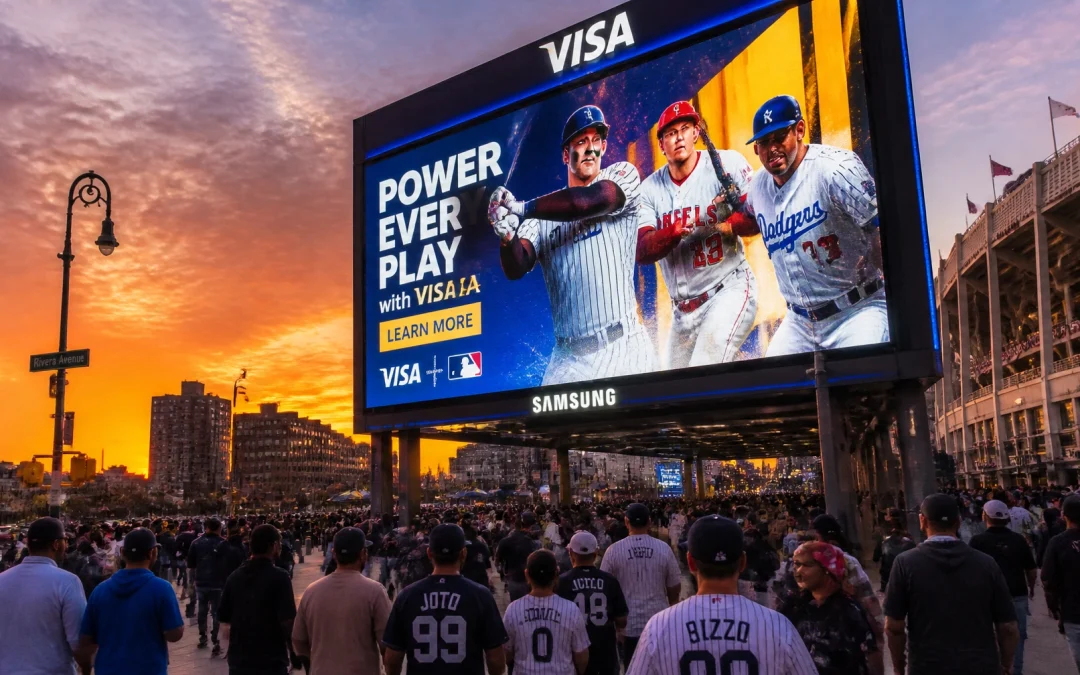
Sports marketing has undergone a radical transformation. Traditional static billboards are being replaced by a dynamic, data-driven ecosystem known as Digital Out-of-Home (DOOH). For media buyers and brand managers, this shift offers an unprecedented opportunity to engage with a passionate and captive audience. This guide explores the core innovations, strategic frameworks, and measurable results that define the modern sports DOOH landscape.
The Evolution of Sports DOOH
The transition from static to digital has fundamentally changed how brands interact with fans. Historically, sports advertising was limited to stadium signage and television commercials. Modern DOOH Sports technology now allows brands to follow the fan journey through every touchpoint of their game day experience. This includes digital screens in transit hubs, urban centers, sports bars, and the immediate perimeter of the arena.
The current industry standard focuses on three primary pillars of innovation:
- Programmatic Delivery: Real-time bidding and automated scheduling allow for hyper-relevant ad placement.
- Data Integration: Using fan behavior, location data, and event schedules to trigger specific creative assets.
- Omnichannel Connectivity: Bridging the gap between the physical screen and the digital world through mobile and social extensions.
Objective and Strategy: The 10-Mile Perimeter
A critical component of a successful sports marketing strategy is the concept of the 10-mile perimeter. By targeting digital video advertising boards within a 10-mile radius of sports venues, brands can dominate the geographical area where fans live, travel, and celebrate.
Strategic Targeting Segments
Execution of a sophisticated DOOH campaign requires segmenting the audience based on lifestyle and intent. Effective segments include:
- Active Fans: Attendees traveling to the venue, detectable via transit and parking lot screens.
- Social Viewers: Fans gathering in sports bars, restaurants, and neighborhood hubs.
- Home-Based Fans: Reaching fans in their local retail environments and community centers during pre-game preparations.
This geographical focus ensures that the message remains top-of-mind during the critical hours before and after an event.

Innovation: Programmatic and Phygital Experiences
The integration of "phygital" (physical plus digital) elements is a hallmark of innovation in this space. This strategy involves turning a passive viewing experience into an active engagement.
Dynamic Creative Optimization
Using specialized technology partners, advertisers can deploy dynamic creative that changes based on live game signals. This includes:
- Live Score Updates: Real-time scores displayed alongside brand messaging.
- Weather Triggers: Adjusting creative based on local weather conditions (e.g., promoting cold drinks on a hot game day).
- Countdown Timers: Building anticipation for kickoff or tip-off.
The Mobile Connection
Modern DOOH screens often feature mobile calls-to-action. QR codes and NFC technology allow fans to interact with a screen to download an app, save a coupon, or enter a sweepstakes. This connection provides a direct path to conversion that was previously unavailable in traditional OOH.
Technology Partners and Inventory
To succeed in sports DOOH, media buyers must utilize platforms that offer access to a wide variety of inventory. Sportrons and similar specialized networks provide entry into every category of digital video advertising.
Inventory Types
A comprehensive campaign often includes:
- Urban Panels: High-dwell time locations in city centers.
- Transit Displays: Reaching fans on trains, buses, and in transit stations.
- Retail Networks: Screens in malls and convenience stores where fans purchase game day supplies.
- Venue-Adjacent Screens: Massive displays located directly outside stadium gates.
The use of programmatic platforms allows for the optimization of budgets across these various screen types in real time, ensuring that the highest performing locations receive the most impressions.

Detailed Campaign Execution
Executing a sports DOOH campaign involves a structured, multi-step process. Precision in the planning phase is essential for maximizing impact.
- Define Tentpole Moments: Identify major sporting events, league seasons, or playoffs that align with the brand’s target demographic.
- Geofencing and Perimeter Setup: Map out the 10-mile radius around specific venues to ensure maximum local density.
- Creative Alignment: Develop assets that reflect the energy and terminology of the sport. The use of specific athlete talent or campaign taglines can increase relevance.
- Device ID Exposure: Collect anonymized device IDs of fans exposed to the screens to enable future retargeting and attribution.
Results and Quantifiable Data
The effectiveness of sports DOOH is no longer a matter of speculation. Data-driven measurement and brand lift studies consistently demonstrate significant returns on investment.
Case Study: White Claw
In a programmatic DOOH campaign designed to launch a new vodka product, White Claw achieved a 74% lift in purchase consideration. The strategy focused on reaching fans in high-traffic urban areas, demonstrating the power of DOOH to drive intent in a competitive market.
Case Study: Mike’s Hard Iced Tea
Ab InBev’s Mike’s Hard Iced Tea utilized a programmatic DOOH approach that resulted in a 119% lift in positive brand image. By aligning creative with the social and celebratory nature of sports viewership, the brand successfully improved consumer perception.
Case Study: Sea-Doo
Sea-Doo’s inaugural digital OOH campaign focused on outdoor and active lifestyle enthusiasts. The campaign produced a 144% increase in purchase consideration, highlighting the ability of DOOH to reach niche audience segments within the broader sports ecosystem.
The results of these campaigns illustrate that high-impact visuals combined with strategic placement lead to measurable changes in consumer behavior. Detailed case studies provide further insight into the logistics of these successful executions.

Measurement and Attribution Methodology
To provide clear ROI to stakeholders, sports DOOH campaigns utilize advanced measurement techniques. These methodologies go beyond simple impression counts to track real-world outcomes.
- Foot Traffic Attribution: By tracking device IDs that were exposed to an ad and later appeared in a retail location or venue, brands can measure physical store visits.
- Brand Lift Studies: Surveys conducted before and after a campaign measure changes in brand awareness, preference, and recall.
- Digital Conversion Tracking: Measuring website visits, app downloads, or online purchases that occur following exposure to a DOOH screen.
This analytical approach ensures that every dollar spent is accounted for and that future campaigns can be optimized based on historical performance data.
Conclusion
The innovation in sports DOOH has created a professional and highly effective channel for brand growth. By combining the scale of traditional out-of-home with the precision of digital targeting, brands can engage with fans in a meaningful and measurable way. The successful integration of programmatic buying, dynamic creative, and the 10-mile perimeter strategy positions OOH Sports as a critical component of any modern marketing mix.
As the sports landscape continues to evolve, those who leverage these technological advancements will be best positioned to capture the attention and loyalty of the global fan base.