
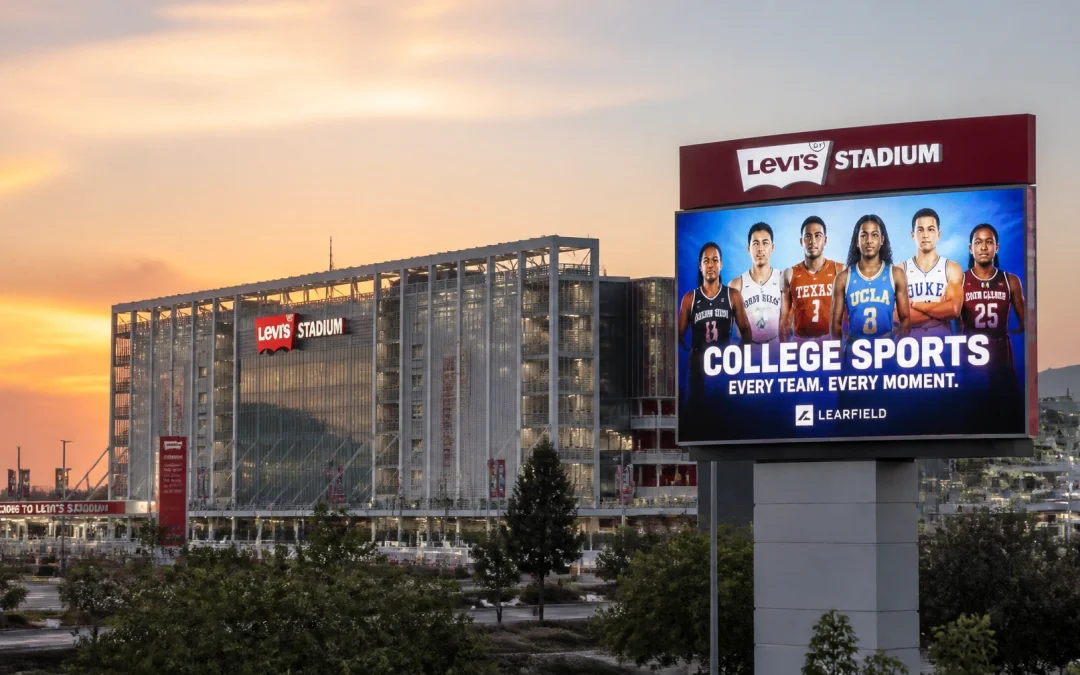
The landscape of Super Bowl advertising is undergoing a fundamental shift as the industry moves toward Super Bowl LX in 2026. While traditional 30-second television spots remain a cornerstone of the event, the emergence of Name, Image, and Likeness (NIL) opportunities combined with advanced digital out of home (DOOH) technology is creating a new blueprint for brand engagement. For media buyers and brand managers, the primary challenge is no longer just securing airtime, it is achieving authentic connection and geographic dominance in a crowded marketplace.
OOH Sports is positioning itself at the center of this evolution by leveraging a network of over 20,000 student-athlete voices. This strategy moves beyond celebrity endorsements to create a localized, high-impact presence that resonates with fans on a personal level. By integrating these authentic voices into a programmatic DOOH framework, brands can achieve a level of saturation and relevance that was previously unattainable through traditional channels.
The NIL Paradigm Shift and Authenticity
The shift toward NIL-driven campaigns is rooted in the demand for authenticity. Modern consumers, particularly millennials and Gen Z, often prioritize peer-to-peer recommendations and community-centric storytelling over polished corporate messaging. The availability of more than 20,000 student-athletes provides a massive repository of diverse, relatable content that can be deployed across various media platforms.
These athletes serve as local influencers who carry significant weight within their respective campus communities and hometowns. When a brand partners with a student-athlete, it gains access to an established trust and a specific demographic that is highly engaged with sports culture. For Super Bowl 2026, which will be hosted at Levi’s Stadium in Santa Clara, this means brands can utilize Northern California athletes to create a "home turf" advantage, even if the brand itself is a national or global entity.

Objective and Strategy: The 10-Mile Perimeter
The core strategy for Super Bowl 2026 involves more than just digital content. It requires physical visibility where the fans are. OOH Sports utilizes a proprietary network that provides access to digital video advertising boards within a 10-mile perimeter around sports venues. This geographic targeting is essential for capturing the attention of the hundreds of thousands of fans, tourists, and industry professionals who descend upon the host city during Super Bowl week.
By focusing on this 10-mile radius, advertisers can maintain a constant presence throughout the consumer journey. This includes transit hubs, shopping centers, and entertainment districts leading up to Levi’s Stadium. The strategy is designed to ensure that the brand message is seen repeatedly, reinforcing the digital and social content generated by the 20,000 student-athlete partners.
Technology Partners and Programmatic Execution
The execution of these campaigns relies on sophisticated programmatic DOOH platforms. Programmatic buying allows for real-time adjustments and precise targeting based on data triggers such as time of day, weather, or game-day events. This flexibility is a significant advantage over traditional static billboards, which require long lead times and offer no adaptability.
OOH Sports works with industry-leading technology partners to ensure that every ad placement is optimized for maximum impact. This includes the use of Sportrons, which are specialized digital displays designed for high-traffic sports environments. These tools allow media buyers to manage their Super Bowl spend with the same precision they apply to their online digital campaigns.
Strategic Alignment: Connecting NIL with DOOH
The true power of the OOH Sports model lies in the alignment between digital athlete content and physical advertising boards. A typical campaign might begin with a student-athlete sharing a first-person story or a humorous "day in the life" video on social media. This content is then adapted for DOOH screens, creating a cohesive omnichannel experience.
When a fan sees a familiar athlete on a digital screen near the stadium, it creates a moment of recognition that strengthens the brand association. This method effectively localizes national creative, making a global brand feel like a part of the local community. The strategy aligns with broader industry trends where DOOH sports advertising is projected to reach $50 billion by 2030.

Visual Storytelling and Media Engagement
The following video illustrates the dynamic nature of modern sports marketing and how student-athlete voices are being integrated into the broader media mix.
https://www.youtube.com/watch?v=l6J-0zileKE
This video highlights the energy and passion that student-athletes bring to their partnerships. For a brand, this energy translates into higher engagement rates and better brand recall. By utilizing the OOH Sports platform, advertisers can tap into this reservoir of talent to build a narrative that lasts far beyond the final whistle of the Big Game.
Results and Data-Driven Insights
Evidence from recent campaigns demonstrates the effectiveness of the OOH Sports approach. While the Super Bowl is the ultimate stage, the mechanics of successful DOOH have been proven in other major sporting events. For example, AB InBev’s Mike’s Hard Iced Tea campaign saw a 119 percent lift in positive brand image through a structured programmatic DOOH strategy. Similarly, White Claw achieved a 74 percent lift in purchase consideration for its vodka launch using similar tactics.
These results are measured through comprehensive brand lift studies and device ID tracking. By exposing a specific audience to ads within the 10-mile stadium perimeter and then retargeting that audience online, brands can see a clear path from exposure to action. This data-driven approach removes much of the guesswork associated with traditional outdoor advertising.

Key Tactics for Super Bowl 2026 Success
To maximize the impact of a Super Bowl 2026 campaign, media planners should consider the following tactical steps:
- Early Engagement: Begin the NIL content cycle several weeks before the game to build momentum.
- Hyper-Local Targeting: Use the 10-mile radius around Levi's Stadium to dominate the physical environment.
- Creative Adaptation: Ensure that NIL video content is optimized for silent, high-impact viewing on DOOH screens.
- Programmatic Agility: Use data triggers to change messaging based on game-week events or fan sentiment.
- Measurement Integration: Set up tracking for device IDs and brand lift before the campaign launches to ensure accurate ROI reporting.
The use of programmatic DOOH vs. traditional stadium ads offers a more versatile and often more cost-effective way to reach the same elite audience. Instead of competing for limited and expensive space inside the venue, brands can own the conversation in the entire surrounding city.
Conclusion: The Future of Sports Marketing
As the countdown to Super Bowl 2026 continues, the role of the student-athlete as a brand ambassador is becoming increasingly vital. The OOH Sports platform provides the necessary infrastructure to scale these voices and deliver them to a massive audience through a high-tech marketing network.
By combining the authenticity of 20,000 athletes with the precision of programmatic DOOH within a 10-mile venue perimeter, OOH Sports is changing the way media buyers approach the biggest sporting event of the year. The focus is no longer on a single moment in time, it is on building a comprehensive, localized, and data-backed presence that resonates long after the game is over.
For those looking to learn more about the methodology behind these campaigns, further information is available on the OOH Sports About page.
