
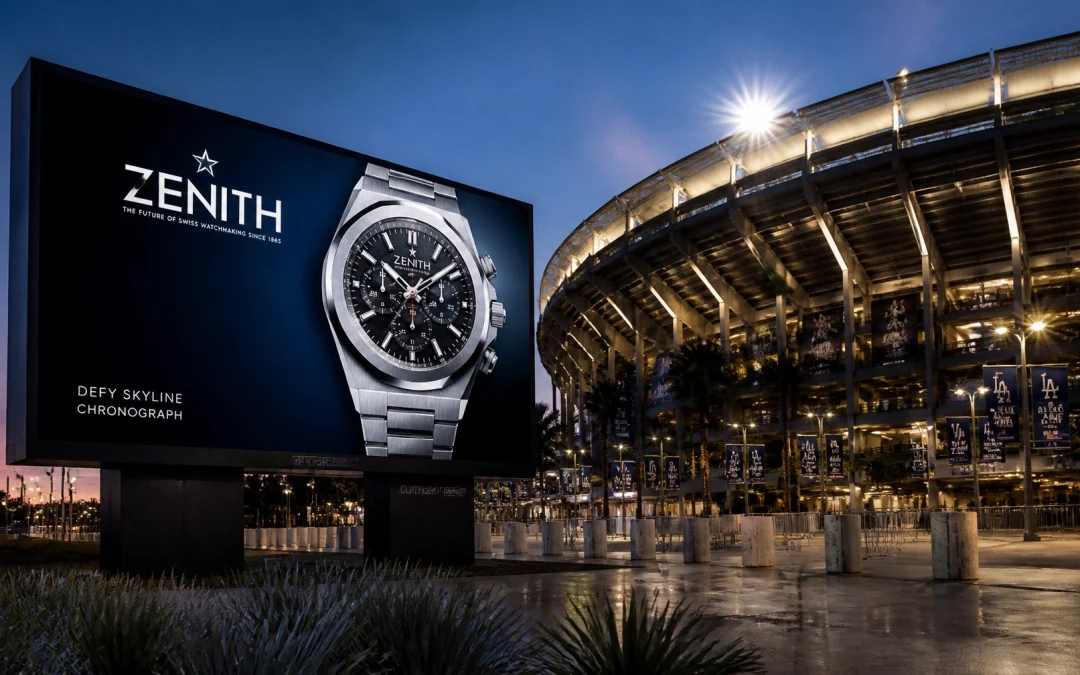
The landscape of sports marketing is undergoing a significant transformation. Traditional static billboards and standard stadium signage are being superseded by dynamic, data-driven Digital Out of Home (DOOH) technologies. For media buyers and brand managers, the challenge is no longer just about reaching an audience, but about engaging them during the most high-stakes moments of the fan experience. By leveraging the perimeter around sports venues, brands can now connect with fans in a way that is both contextually relevant and highly measurable.
The following ten innovation ideas provide a roadmap for utilizing programmatic DOOH to capture attention and drive conversion in the sports ecosystem.
1. Real-Time Data Integration and Live Scoring
Integrating live data feeds into DOOH creative allows brands to act as a secondary screen for fans. Screens located in transit hubs, bars, and public plazas can display live scores, game countdowns, and player statistics in real time. This strategy ensures that the content is always relevant to the viewer's current state of mind.
- Tactics:
- Connect creative assets to official sports data APIs.
- Automate messaging based on game events (e.g., "Touchdown! Celebrate with 20% off").
- Deploy live win-probability graphics for betting-focused campaigns.
2. Hyper-Local Radius Targeting
Precision matters in sports marketing. Implementing a 10-mile radius strategy around key stadiums allows brands to dominate the local environment. This approach captures fans as they commute, shop, and socialize before and after the game. It is a more efficient alternative to broad city-wide buys that may reach non-fans.
- Tactics:
- Identify high-traffic touchpoints like gas stations and convenience stores within the stadium perimeter.
- Use geofencing to trigger specific creative when fans enter the 10-mile zone.
- Tailor messaging to local team rivalries to increase resonance.
3. Journey-Based Fan Funnels
A successful sports campaign follows the fan from their home to the arena. By mapping DOOH placements to the fan journey (home, transit, bar, venue, home), brands can maintain a consistent presence. This multi-touch approach builds brand familiarity and drives higher recall.
- Tactics:
- Use transit screens for pre-game anticipation.
- Deploy bar and restaurant screens for in-game engagement.
- Utilize ride-share waiting area screens for post-game food or transportation offers.

4. Interactive QR and Mobile-to-Screen Sync
Bridging the gap between the physical billboard and the mobile device is a key driver for conversion. High-dwell-time environments, such as stadium concourses and sports bars, are ideal for interactive creative that utilizes QR codes. This allows for immediate app downloads, coupon redemptions, or entry into contests.
- Tactics:
- Place clear, high-contrast QR codes on screens in areas where fans are stationary.
- Incentivize the scan with exclusive game-day offers.
- Track the path to purchase from the initial scan to the final transaction.

5. Programmatic Weather and Performance Triggers
Programmatic DOOH allows for "if-this-then-that" logic. Creative can change automatically based on local weather conditions or the performance of the home team. For example, a beverage brand might trigger an ad for a cold drink if the temperature exceeds 80 degrees, or an apparel brand might push rain gear if a downpour starts during an outdoor game.
- Tactics:
- Set predefined triggers within the Demand Side Platform (DSP).
- Develop multiple creative versions for different environmental outcomes.
- Allocate budget to activate only when specific conditions are met.
6. Social Media and User-Generated Content
Bringing the digital conversation to the physical world creates a sense of community. Displaying moderated fan tweets, Instagram photos, or live polls on large-format DOOH screens encourages fans to interact with the brand on social media in hopes of seeing their content featured.
- Tactics:
- Use a social media aggregator to pull content using a specific campaign hashtag.
- Implement a moderation layer to ensure brand safety.
- Update the social feed frequently to keep the content fresh.
7. Purpose-Driven Community Takeovers
Sports have a unique power to unite communities. Brands can leverage DOOH to support local causes, women's sports, or grassroots initiatives. This builds positive brand sentiment and positions the brand as a supporter of the sport, not just an advertiser.
- Tactics:
- Sponsor city-wide takeovers during major community sports events.
- Highlight local athletes or community stories on digital screens.
- Align the brand with values of inclusivity and representation.
8. Utility-Based DOOH in Everyday Spaces
Fans do not just exist in stadiums; they are also consumers in everyday environments. Placing sports-themed DOOH at gas pumps, grocery checkouts, and fitness centers allows brands to reach fans during their daily routines. This "non-traditional" approach often results in higher frequency and lower competition.
- Tactics:
- Partner with networks that offer screens in utility environments like gas stations.
- Use shorter, high-impact creative suitable for quick viewing.
- Link the messaging to the current sports calendar to maintain relevance.

9. Omnichannel Synchronization
DOOH is most effective when it is part of an orchestrated media system. By synchronizing DOOH plays with mobile push notifications and CTV ads, brands can create a "surround sound" effect. If a fan sees a billboard on the way to the game, they are more likely to engage with a mobile ad later that evening.
- Tactics:
- Coordinate timing and messaging across all digital channels.
- Use shared audience segments for consistent targeting.
- Implement cross-channel frequency capping to avoid over-exposure.
10. Precision Measurement and ROI Tracking
The shift to digital means that OOH is now as measurable as any other digital channel. By using device IDs and location data, media planners can track brand lift, foot traffic increases, and even online conversions resulting from a DOOH campaign.
- Tactics:
- Conduct brand lift studies to measure changes in awareness and perception.
- Use attribution models to link DOOH exposure to store or website visits.
- Analyze results to optimize future flights and budget allocations.

Strategy
The successful implementation of these innovations requires a shift from a static "buy and hold" mentality to an agile, programmatic approach. Strategy should focus on the intersection of location, timing, and fan sentiment. By utilizing the stadium perimeter targeting method, brands can maximize impact while minimizing waste.
Objective & Strategy
The primary objective for most sports DOOH campaigns is to drive brand preference and purchase consideration. The strategy involves deploying high-impact visuals in environments where fans are naturally more engaged and receptive. By moving away from traditional stadium sponsorships and toward a network of over 25,000 digital screens, brands can achieve greater reach and flexibility.
Technology Partners
Execution of these advanced tactics relies on a robust technology stack. This includes:
- Demand Side Platforms (DSPs): To manage programmatic bidding and execution.
- Data Providers: To supply real-time sports scores and weather triggers.
- Measurement Partners: To provide third-party verification and attribution data.
- Content Management Systems (CMS): To handle the delivery of dynamic creative assets.
Collaborating with specialized platforms ensures that real-time sports betting campaigns or apparel launches can go live in under 24 hours.
Results
Data from recent programmatic DOOH campaigns indicates a clear advantage for brands that adopt these innovative strategies. For instance, campaigns using real-time triggers and hyper-local targeting have seen:
- A 74% lift in purchase consideration for beverage brands.
- A 119% increase in positive brand image when using dynamic messaging.
- A 144% increase in purchase consideration for high-ticket items like recreational vehicles.
These results demonstrate that when DOOH is treated as a performance channel rather than just a branding tool, the ROI becomes clear and compelling.
Conclusion
The future of sports marketing is digital, dynamic, and data-driven. By integrating live scores, leveraging the 10-mile stadium perimeter, and adopting programmatic triggers, brand managers can ensure their message is heard above the noise of the game. As DOOH sports advertising continues to grow, those who embrace these innovations will be best positioned to capture a significant share of the market. The goal is to make the fan experience as "smooove" as possible, ensuring that the brand is an integral part of every win.