
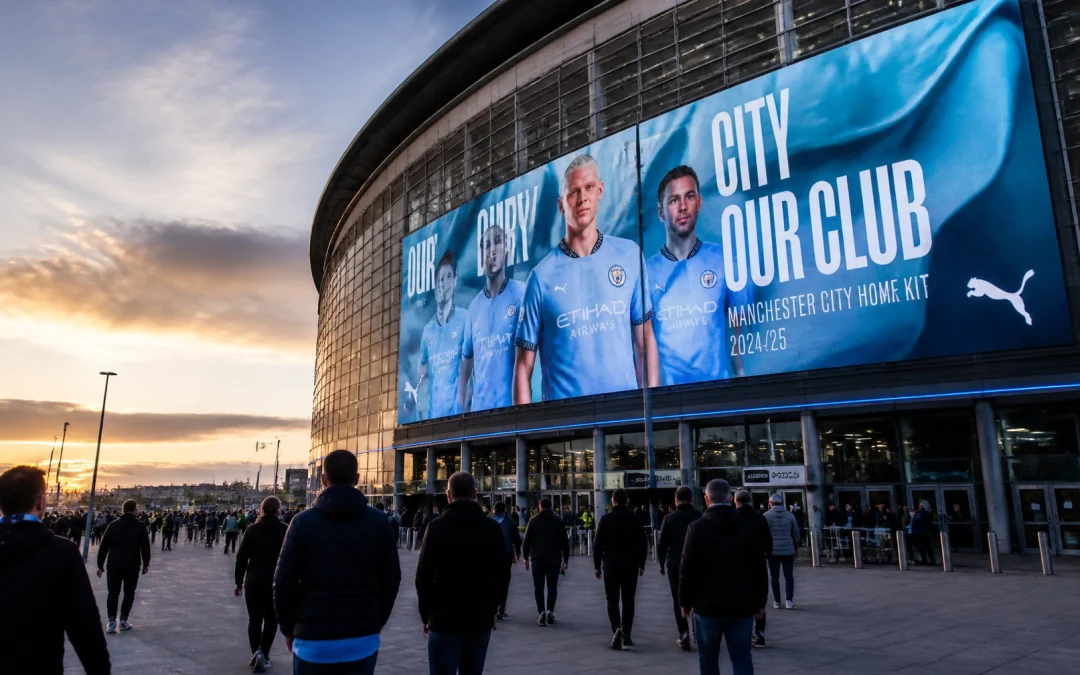
The landscape of sports media is undergoing a significant transformation. As traditional broadcast models adapt to shifting viewer habits, digital out-of-home (DOOH) advertising has emerged as a cornerstone of modern sports marketing. This evolution is driven by the convergence of real-time data, programmatic automation, and hyper-local targeting capabilities. For media buyers and brand managers, understanding these shifts is essential for navigating an environment where the physical and digital worlds increasingly overlap.
The following insights provide a roadmap for the future of sports media, highlighting how technology and strategy are redefining fan engagement outside the stadium walls.
Objective & Strategy
The primary objective of modern sports DOOH is to move beyond static brand awareness and toward integrated, event-centric infrastructure. The strategy focuses on capturing fan attention where it is most concentrated: in the transit hubs, entertainment districts, and retail corridors surrounding major arenas. By leveraging a perimeter of up to 10 miles around sports venues, brands can reach a captive audience that is already primed for engagement. This approach ensures that a brand message is not just a background element but a relevant part of the fan journey, from the initial commute to the post-game celebration.
10 DOOH Industry Insights
1. Programmatic Efficiency in Sports Environments
Programmatic buying has moved from a digital-only tactic to a fundamental pillar of out-of-home advertising. In the sports sector, this allows for automated, audience-based buying of stadium and proximity screens via demand-side platforms (DSPs). Brands can now deploy campaigns across thousands of screens simultaneously, using specific audience segments such as home fans versus visiting supporters or local residents versus event tourists. This efficiency reduces the lead time required for campaign activation and allows for more agile budget allocation during high-profile sporting events.
2. Real-Time Dynamic Creative Triggers
The ability to synchronize advertising content with live game events is one of the most impactful developments in the industry. Dynamic creative templates now change automatically based on live scores, player milestones, or game-clock status. When a team scores a goal or a player hits a milestone, the digital screens in the surrounding area can immediately update to reflect the event. This real-time relevance increases the emotional connection between the brand and the fan, turning a standard advertisement into a celebratory moment.
3. The Hyper-Local Advantage: The 10-Mile Perimeter
Research indicates that the most effective sports marketing occurs within a tightly defined geographic area. Targeting the perimeter up to 10 miles around sports venues allows brands to dominate the local environment. This hyper-local strategy focuses on the specific path to purchase that fans take when attending a game. By saturating this zone with digital video advertising boards, a brand can maintain high frequency and high impact throughout the entire event day.

4. Bridging Digital and Physical Fan Journeys
The fan journey is no longer linear. It spans mobile apps, social media, live broadcasts, and physical presence. DOOH acts as the bridge between these channels. By integrating QR codes or NFC technology into digital screens, brands can transition fans from a physical viewing experience to a digital conversion point. This could include exclusive merchandise offers, app downloads, or entry into social media contests. The physical screen serves as the initial touchpoint in a larger, omnichannel funnel.
5. Data-Driven Audience Segmentation
Sophisticated data analysis now allows for granular audience segmentation in the OOH space. Brands can use historical foot traffic data and mobile signal analysis to understand the demographic makeup of a specific stadium district. For example, a luxury brand might target specific transit routes used by fans attending high-end hospitality suites, while a fast-moving consumer goods (FMCG) brand might focus on the general admission entry points and nearby fan zones.
6. Measuring Impact: Attribution and Brand Lift
One of the most significant shifts in DOOH is the advancement of measurement capabilities. It is now possible to track the effectiveness of a campaign with high precision. By matching device IDs exposed to OOH screens with purchase data or website visits, marketers can determine the direct impact of their spend. Results from programmatic campaigns often show significant increases in brand metrics. For example, a programmatic DOOH campaign for a beverage launch recorded a 74% lift in purchase consideration. These data points allow for a level of accountability that was previously difficult to achieve in out-of-home advertising.
7. Stadiums as Year-Round Entertainment Districts
Sports venues are evolving into year-round entertainment hubs. These districts include retail, dining, and residential components that remain active even on non-game days. This shift provides a consistent audience for DOOH advertising throughout the year. Marketing strategies must account for this by developing content that appeals to the diverse crowds drawn to these districts for concerts, festivals, and community events, ensuring that the media investment delivers value 365 days a year.

8. Contextual Relevancy through Live Data Integration
Beyond scores, other data feeds can inform creative execution. Weather patterns, local traffic conditions, and even betting odds can trigger specific creative variants. If a game is delayed due to rain, a brand could switch its creative to highlight nearby indoor hospitality or merchandise like umbrellas and jackets. This level of contextual relevancy ensures that the message is always helpful and timely for the audience.
9. Programmatic DOOH as part of Omnichannel Strategies
Leading brands are no longer treating OOH as a siloed channel. Instead, it is integrated into broader omnichannel campaigns. When a fan sees a digital billboard near the stadium, they might later see a retargeted ad on their mobile device or social feed. This coordinated effort reinforces the brand message across multiple touchpoints. Using Sportrons and other digital platforms allows for a seamless integration of these efforts, ensuring a unified brand voice.
10. The Rise of High-Impact Creative Formats
The technology behind digital screens is advancing rapidly, allowing for high-impact formats like 3D and anamorphic creative. these visuals create an illusion of depth that captures a high degree of attention from passersby. When combined with the high-energy environment of a sports event, these formats can generate significant social media amplification as fans capture and share the experience online. This "secondary reach" provides additional value to the initial media buy.
Technology Partners
The execution of these advanced DOOH strategies requires collaboration with specialized technology partners. Supply-side platforms (SSPs) and demand-side platforms (DSPs) facilitate the programmatic transaction of inventory. Data providers offer the location intelligence and audience insights necessary for precise targeting. Furthermore, content management systems (CMS) that are integrated with live sports data feeds are essential for the delivery of real-time dynamic creative. These partnerships ensure that the logistical and technical requirements of a high-stakes sports campaign are met with professional-grade reliability.

Strategy for Execution
A successful DOOH campaign in the sports sector follows a clear set of logical steps. First, the identification of key event dates and high-traffic locations within the 10-mile perimeter is conducted. Next, audience segments are defined based on fan behavior and demographic data. Creative assets are then developed using dynamic templates that allow for real-time updates. Finally, the campaign is launched through a programmatic interface, allowing for continuous optimization based on live performance data and environmental triggers.
Results
The effectiveness of these strategies is supported by measurable outcomes across various industries.
- Brand Consideration: A campaign for a leading beverage brand saw a 74% lift in purchase consideration by utilizing programmatic DOOH during high-traffic sports periods.
- Brand Image: Another activation for an iced tea brand resulted in a 119% lift in positive brand image, demonstrating how proximity to sports culture can enhance brand perception.
- Targeting Efficiency: Efforts focused on new product launches, such as those by Sea-Doo, resulted in a 144% increase in purchase consideration.
These statistics highlight the significant ROI potential when DOOH is executed with precision and data-driven insights. As the DOOH sports advertising market is projected to hit $50 billion by 2030, the adoption of these advanced tactics will separate market leaders from their competitors.
Conclusion
The future of sports media is undeniably digital, data-driven, and physical. By integrating programmatic efficiency with the emotional power of live sports, DOOH provides a unique opportunity for brands to connect with fans in a meaningful way. Whether through real-time score updates or hyper-local targeting within a stadium's perimeter, the insights shared here demonstrate that the potential for engagement is greater than ever. For those involved in the buying and planning of advertising, the path forward involves a commitment to technology, a focus on the fan journey, and a reliance on measurable results.