
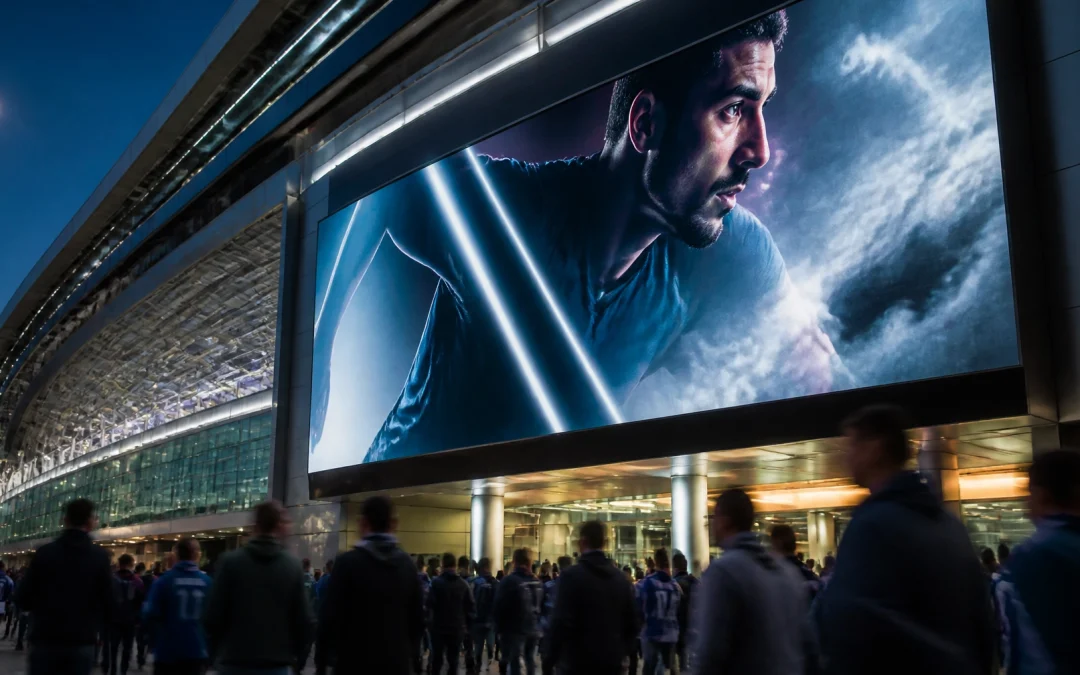
The landscape of sports media is undergoing a fundamental transformation. For decades, advertisers relied on static stadium signage and television spots to reach the devoted sports fan. However, the rise of digital out-of-home (DOOH) technology has introduced a new era of precision, scale, and flexibility. The expansion of the OOH Sports network represents a pivotal shift in how brands engage with audiences in and around the most valuable real estate in sports. By integrating every category of digital video advertising board with a strategic 10-mile perimeter around venues, this expansion redefines the boundaries of traditional sports marketing.
The Objective and Strategy of Network Expansion
The primary objective of this network expansion is to create a seamless, ubiquitous presence for brands throughout the entire fan journey. Unlike traditional media buys that focus solely on the duration of a game, the OOH Sports strategy leverages the broader ecosystem surrounding sports events. This includes transit hubs, retail centers, sports bars, and street-level digital furniture.
The core strategy revolves around three pillars: proximity, programmatic accessibility, and premium inventory. By securing rights to digital screens within a 10-mile radius of major sports venues across the United States, the network ensures that a brand message is the first thing a fan sees when they head to the game and the last thing they see as they return home. This geographical saturation creates a "surround sound" effect for advertising, making the brand synonymous with the event itself.
Strategic Infrastructure and Scale
The expansion is not merely about increasing the number of screens. It is about the quality and diversity of the inventory. OOH Sports has curated a network that includes large-format digital spectaculars, high-dwell-time concourse screens, and hyper-local kiosks. This multi-tiered approach allows media buyers to tailor their creative assets to the specific environment.
For instance, a high-impact video on a massive LED wall near a stadium entrance can build brand awareness and excitement. Simultaneously, smaller screens in nearby retail locations can drive immediate action, such as a promotion for a beverage or a retail discount. This versatility is a direct response to the needs of modern brand managers and chief marketing officers who require both brand-building and performance-driven results from their media spend.
Technology Partners and Programmatic Integration
A critical component of this expansion is the integration of advanced programmatic technology. OOH Sports has partnered with leading demand-side platforms (DSPs) to make its entire inventory available for automated buying. This move aligns the sports network with the broader digital advertising ecosystem, allowing media planners to purchase DOOH assets with the same ease and precision as online display or social media ads.
Through these technology partnerships, advertisers can utilize real-time data triggers to optimize their campaigns. This means a creative can be updated instantly based on game scores, weather conditions, or local crowd density. If a home team wins, the network can automatically switch to a "celebration" creative across all 10 miles of the venue perimeter. This level of responsiveness was previously impossible in out-of-home advertising but is now a standard feature of the expanded OOH Sports network.

Precision Targeting and Audience Data
One of the most significant changes for media buyers is the ability to target specific fan demographics with surgical precision. The OOH Sports network expansion incorporates sophisticated audience measurement tools that provide deep insights into who is seeing the ads. By utilizing mobile location data and anonymized device IDs, the network can verify the reach and frequency of a campaign within the 10-mile venue radius.
This data-centric approach allows for more effective retargeting. A fan who is exposed to a digital billboard near the stadium can be retargeted with a mobile ad later that evening. This omnichannel approach ensures that the brand remains top-of-mind long after the final whistle. For media planners, this means a reduction in wasted impressions and a higher return on investment.
The 10-Mile Perimeter: A Tactical Advantage
The decision to focus on a 10-mile perimeter around sports venues is based on extensive research into fan behavior. Sports fans do not just exist inside the arena. They gather in nearby parking lots, frequent local restaurants, and travel through transit corridors. By capturing this entire footprint, OOH Sports provides a level of saturation that traditional in-stadium advertising cannot match.
This perimeter strategy also provides a solution for brands that are not official sponsors of a league or team. Through the OOH Sports network, these brands can still achieve a massive presence during major events without the high costs and restrictive terms of official sponsorship. This democratizes sports advertising, allowing a wider range of brands to tap into the passion and loyalty of sports fans.
Measuring the Results of a High-Impact Network
The success of a DOOH campaign is increasingly measured by its ability to drive real-world outcomes. Recent data suggests that programmatic DOOH campaigns in sports environments can lead to significant lifts in brand awareness and purchase intent. For example, a campaign for a major beverage brand saw a 119 percent lift in positive brand image by utilizing programmatic DOOH near high-traffic venues.
Another study indicated that integrating DOOH with mobile retargeting resulted in a 144 percent increase in purchase consideration. These metrics prove that the OOH Sports network expansion is not just about reach; it is about results. By providing a transparent, data-driven platform, OOH Sports allows media buyers to justify their spend with hard evidence of success.

The Evolving Role of Media Buyers and Planners
As the OOH Sports network grows, the role of the media buyer is also evolving. Planners are no longer just buying "space" on a board. They are buying "moments" and "audiences." The expansion of the network provides a more granular level of control, allowing for dayparting, geo-fencing, and audience-segment targeting that was previously reserved for digital-only channels.
The casual, simple tone of the OOH Sports communication reflects this shift toward accessibility. While the technology behind the network is complex, the process of buying and executing a campaign has been simplified. This allows creative directors and brand managers to focus on what matters most: the story they are telling the fans.
Future Growth and Innovation
The current expansion is only the beginning. OOH Sports continues to explore new categories of digital video advertising, including the integration of augmented reality (AR) and interactive elements that allow fans to engage with screens via their smartphones. As stadiums become "smarter" and cities more connected, the OOH Sports network will continue to act as the primary bridge between brands and the sporting world.
By maintaining a focus on premium locations and cutting-edge technology, OOH Sports ensures that its network remains a "must-buy" for any serious sports marketer. The ability to reach millions of fans across America in a way that is dynamic, passionate, and measurable is a game-changer for the industry.
Strategic Alignment with Brand Goals
Every brand has a unique set of objectives. Some seek the prestige of being associated with a major sporting event, while others focus on driving foot traffic to nearby retail locations. The OOH Sports network expansion is designed to accommodate both. The flexibility of the digital format means that a single buy can serve multiple purposes across different locations within the 10-mile radius.
The analytical voice of the OOH Sports platform provides the necessary precision for performance marketers, while the sheer scale of the network satisfies the requirements of global brand-builders. This alignment of strategic goals with technological capability is what sets the OOH Sports network apart from traditional out-of-home offerings.

Conclusion: A New Era of Sports Marketing
The expansion of the OOH Sports network represents more than just growth; it represents a commitment to innovation and excellence in the world of sports advertising. By providing a comprehensive, programmatic, and data-driven platform that covers the entire fan journey, OOH Sports is changing the way media buyers think about out-of-home advertising.
For brands looking to make a lasting impression, the choice is clear. The ability to dominate the 10-mile perimeter around every major sports venue in every category is a powerful tool in any marketing arsenal. As the network continues to scale, the opportunities for creative, impactful, and measurable campaigns will only increase.
To learn more about how to leverage the OOH Sports network for your next campaign, visit the OOH Sports homepage or explore our latest case studies to see the results of our programmatic DOOH strategies in action. For more information on our specific offerings like Sportrons, our team is ready to help you paint your brand's message in the skies above the arenas.