
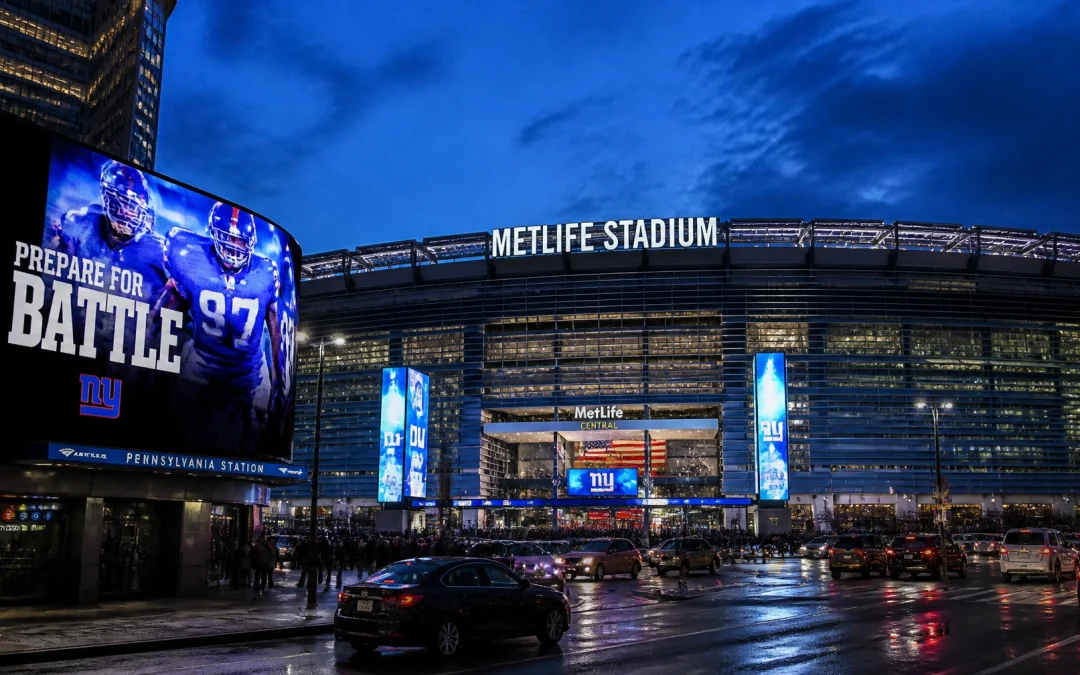
The landscape of sports marketing is undergoing a significant transformation. Traditionally, reaching sports fans required massive upfront investments in static stadium signage or broad television spots. However, the rise of programmatic digital out-of-home (pDOOH) advertising is redefining how brands connect with their target audiences. By 2026, programmatic DOOH has evolved from a niche tactical choice into a core strategic pillar for major media buyers and brand managers. This shift is driven by the demand for greater precision, real-time flexibility, and measurable results.
Programmatic DOOH allows for the automated buying and selling of digital ad space on screens located in the physical world. For the sports industry, this means moving beyond the stadium walls to capture the attention of fans wherever they are. Whether at a transit hub, a local sports bar, or a gym, pDOOH provides a way to maintain a continuous brand presence throughout the fan journey. The move toward automation is clear; programmatic DOOH now accounts for over 30 percent of all digital out-of-home ad spending, with a projected year-over-year growth of 18.8 percent in 2026.
The Evolution of Fan Engagement
Reaching a sports fan in the modern era is no longer about a single touchpoint. It is about understanding a routine. A fan's day does not start and end at the stadium. It begins with a commute, involves social gatherings, and often ends with a digital interaction on a mobile device. Programmatic DOOH bridges these gaps by utilizing data to serve ads in contextually relevant environments.
The traditional model of out-of-home advertising often suffered from long lead times and rigid contracts. Marketers had to commit to months of exposure on a single billboard without the ability to pivot if circumstances changed. Programmatic technology removes these barriers. It enables brands to launch campaigns in a matter of days rather than weeks. This speed is critical in the sports world, where a single injury, a playoff clincher, or a sudden weather event can completely change the narrative of a campaign.

Strategy: Moving Beyond the Stadium
A core strategy for 2026 involves targeting "everyday fan spaces." While the stadium is the heart of the action, the surrounding infrastructure is where the most consistent engagement occurs. By utilizing Sportrons and other digital video advertising boards, brands can maintain visibility in high-traffic areas such as bars, fitness centers, and retail locations.
The strategy focuses on capturing the "mindset" of the fan. Before a game, the mindset is one of anticipation and preparation. After a victory, it shifts to celebration. Programmatic DOOH allows marketers to tailor creative messaging to these specific psychological states. For example, a beverage brand can increase its ad frequency in sports bars two hours before kickoff, while an athletic apparel brand might focus on screens near gyms on the morning of a big match.
This approach also addresses the challenge of programmatic DOOH vs traditional stadium ads. While stadium ads offer high prestige, pDOOH provides the frequency and reach necessary to drive actual consumer behavior outside the venue. Statistics show that 76 percent of people who view a DOOH ad take a subsequent action, such as visiting a website or searching for the brand on their mobile device.
Objective & Strategy: The 10-Mile Perimeter
One of the most effective tactics in sports pDOOH is the implementation of a perimeter-based strategy. By creating a digital net within a 10-mile radius of a sports venue, advertisers can dominate the local environment. This geographical targeting ensures that every fan traveling toward the game or watching from a nearby establishment is exposed to the brand.
This 10-mile perimeter serves several objectives:
- Increasing brand salience during the peak hours of fan activity.
- Driving foot traffic to local retail partners or pop-up shops.
- Reinforcing national television spots with localized, physical reminders.
- Capturing mobile device IDs for future retargeting efforts.
The precision of this targeting means that waste is significantly reduced. Instead of paying for impressions in areas with low fan density, the budget is concentrated where the audience is most active. This methodology has been proven to increase purchase consideration and brand favorability across multiple categories, from consumer packaged goods to automotive.

Technology Partners: Automation and Real-Time Triggers
The backbone of modern pDOOH is the integration of sophisticated technology partners and data providers. Automation allows for the use of dynamic triggers that update creative assets in real time based on external data feeds. In a sports context, these triggers can include:
- Live game scores.
- Weather conditions (e.g., promoting rain gear or indoor venues).
- Traffic patterns near the stadium.
- Real-time ticket availability.
For instance, a campaign for a sports betting app can automatically update its billboards to reflect the current odds during a live game. If a team enters the red zone, the ad can pivot to highlight live prop bets. This level of relevance was previously impossible with traditional media.
Furthermore, the collaboration between specialized platforms and media owners has democratized access to the sports ecosystem. Smaller brands can now enter the space with modest budgets, starting as low as $5,000 to $10,000. This allows for testing and learning before scaling to a national level. The ability to pause or adjust campaigns instantly ensures that every dollar is spent efficiently.

Results & Measurement: A Data-Driven Approach
The most compelling argument for programmatic DOOH is the ability to quantify results. Unlike traditional billboards, where impact was often estimated using traffic counts, pDOOH leverages mobile location data and visual sensors to provide accurate attribution.
Success is measured through several key performance indicators:
- Brand Lift: Studies have shown that pDOOH can significantly improve brand perception. For example, a campaign for Mike’s Hard Iced Tea saw a 119 percent lift in positive brand image by utilizing programmatic targeting.
- Purchase Consideration: Brands like White Claw have achieved a 74 percent lift in purchase consideration for new product launches by staying visible in key consumer environments.
- Omnichannel Impact: When DOOH is paired with mobile retargeting, the results are amplified. Research indicates that 74 percent of mobile users take action on their phones after seeing a DOOH ad. One study noted that pairing DOOH with digital retargeting nearly doubled website traffic, showing a 99 percent increase.
- Conversion: For brands focusing on direct sales, such as Sea-Doo, pDOOH campaigns have led to a 144 percent increase in purchase consideration.
By exposing specific device IDs to DOOH ads and then tracking those same IDs as they visit a website or a physical store, marketers can close the loop on attribution. This level of data-driven insight allows for the continuous optimization of campaigns, shifting budget toward the screens and times of day that deliver the highest return on investment.

The Future of Sports Advertising
As the industry moves toward 2027 and beyond, the integration of programmatic DOOH will only deepen. The transition from static to dynamic is inevitable as advertisers demand the same level of transparency and control in the physical world that they have in the digital world. The sports industry, with its passionate fan base and event-driven nature, is the perfect proving ground for these technologies.
The focus will continue to shift toward the "omnichannel" experience. A fan may see a billboard on the way to the arena, receive a push notification when they enter the 10-mile perimeter, and see a retargeted video ad on their social feed the following day. This unified approach ensures that the brand remains top-of-mind without being intrusive.
Conclusion
Programmatic DOOH is changing the game for sports marketers by providing the tools needed to reach fans with surgical precision. By leveraging real-time data, flexible buying models, and robust measurement frameworks, brands can create impactful campaigns that resonate long after the final whistle. The ability to target the 10-mile perimeter around venues and the everyday spaces fans frequent ensures that no opportunity for engagement is missed. For media buyers and brand managers, the message is clear: programmatic DOOH is no longer an optional add-on but a necessary component of a successful sports marketing strategy.