
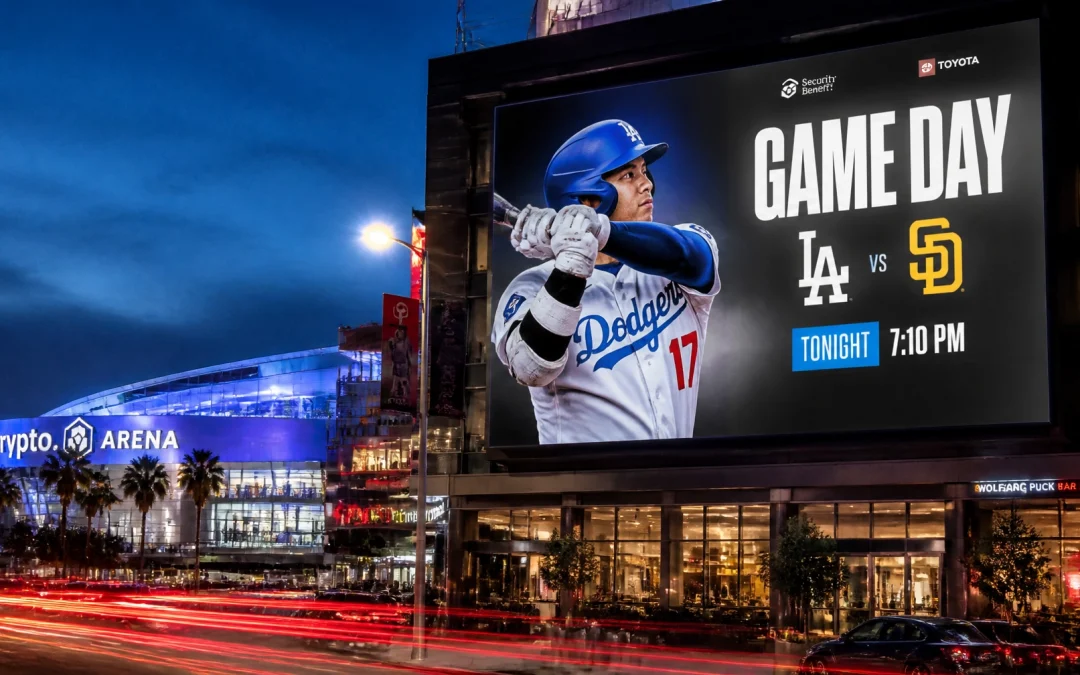
The landscape of sports marketing is undergoing a significant transformation. As traditional advertising formats face increasing fragmentation, the OOH Sports network has reached a new milestone in its expansion. This growth offers media buyers and brand managers an unprecedented level of precision and scale. By integrating high-impact digital out of home (DOOH) assets with strategic locations near major athletic venues, the network provides a comprehensive solution for reaching a highly engaged audience. This update marks a pivotal moment for the industry, moving beyond simple logo placement to a data-driven, omnichannel approach.
The Evolution of the OOH Sports Network
The expansion of the OOH Sports network is a direct response to the evolving needs of the modern media buyer. Digital out of home advertising is no longer a secondary consideration. It currently accounts for approximately 42 percent of total out of home revenue. This shift is driven by the flexibility, real-time capabilities, and measurement accuracy that digital screens provide. The newest updates to the OOH Sports platform consolidate access to digital video advertising boards across a wide range of categories, ensuring that brands can maintain a consistent presence throughout the fan journey.
The network now covers every major sports market in America. This expansion includes not only the arenas themselves but also the surrounding ecosystems where fans live, work, and play. The methodology behind this growth focuses on high-traffic corridors, transit hubs, and retail environments that see a surge in activity during game days. This geographic saturation ensures that a brand's message is seen multiple times by the same audience, reinforcing brand recall and driving action.
Objective and Strategy
The primary objective of the network expansion is to simplify the complex process of sports media planning. Historically, securing advertising space near multiple stadiums required negotiating with various vendors and navigating fragmented inventory. The OOH Sports updates address this by providing a single point of access for a nationwide network of digital assets.
The strategy centers on three core pillars:
- Geographic Precision: Targeting the exact areas where sports fans congregate.
- Format Diversity: Offering a variety of screen types, from large-format billboards to point-of-sale displays.
- Programmatic Integration: Enabling seamless, automated buying that aligns with broader digital marketing campaigns.
By focusing on these pillars, the network empowers media planners to execute sophisticated, multi-layered campaigns that were previously difficult to coordinate. The objective is to move away from static, "one-size-fits-all" advertising and toward a dynamic model that reacts to the pulse of the sports world.

Strategic Network Expansion: The 10-Mile Perimeter
A hallmark of the latest OOH Sports update is the formalized 10-mile perimeter strategy. Research indicates that the fan experience begins long before the opening kickoff and continues well after the final whistle. By securing digital inventory within a 10-mile radius of every major professional and collegiate sports venue, the network creates a "surround sound" effect for brands.
This perimeter strategy includes several key environments:
- Transit Hubs: Reaching fans as they commute via trains, buses, and airports.
- Entertainment Districts: Engaging audiences in sports bars, restaurants, and fan zones.
- Retail Locations: Capturing attention at supermarkets and convenience stores where fans purchase game-day essentials.
- Highway Billboards: Dominating the primary arteries leading to and from the stadium.
The 10-mile radius is not just a geographic boundary. It is a strategic zone where consumer intent is at its peak. Statistics show that 99 percent of fans who attend a game spend money locally on tickets, food, and merchandise. By placing ads in this specific radius, brands can directly influence these immediate purchasing decisions.
Technology and Programmatic Capabilities
The integration of programmatic technology is the engine behind the updated OOH Sports network. Programmatic digital out of home (pDOOH) allows for the automated buying, selling, and delivery of ad content. This technology enables media buyers to set specific triggers for their campaigns. For example, an ad can be scheduled to run only when a certain team wins or when local weather conditions change.
The platform's technology partners ensure that every screen in the network is addressable and measurable. This level of control allows for:
- Real-time Optimization: Adjusting creative content or budget allocation based on live performance data.
- Audience Targeting: Using anonymized location data to ensure ads are displayed when the target demographic is most likely to be present.
- Omnichannel Alignment: Synchronizing DOOH displays with mobile, social media, and connected TV (CTV) ads for a unified brand message.
The ability to launch and optimize campaigns in real time is a critical advantage in the fast-paced sports industry. Whether it is celebrating a championship or reacting to a trade, the network allows brands to stay relevant and timely.

Measuring Impact and Results
Success in the OOH Sports network is defined by measurable outcomes and data-driven insights. The platform provides detailed reporting on impressions, reach, and frequency, but the true value lies in brand lift and attribution. By leveraging device ID data and third-party research partners, the network can track the transition from ad exposure to real-world action.
Recent data from the industry highlights the effectiveness of this approach:
- Action Rate: Approximately 90 percent of consumers take an action after seeing a sports-related OOH ad, such as watching a game or searching for a product.
- Purchase Consideration: Case studies have shown significant increases in intent. For instance, a campaign for a major beverage brand saw a 74 percent lift in purchase consideration for a new product launch.
- Brand Image: A separate study involving a well-known iced tea brand reported a 119 percent lift in positive brand image following a programmatic DOOH campaign.
These results are further detailed in the OOH Sports Case Study section, which outlines the specific tactics used to achieve high-impact ROI. For media planners, this data provides the necessary evidence to justify investment in the sports DOOH space.
Strategic Planning for Media Buyers
To master media planning with these new updates, buyers should adopt a holistic view of the fan journey. The process begins with identifying the key moments that matter most to the target audience. This might include the pre-game "hype" period, the excitement of a live event, or the post-game analysis.
Recommended steps for planning a campaign include:
- Defining the Perimeter: Utilize the 10-mile stadium radius to capture high-intent audiences.
- Leveraging Diverse Inventory: Mix large-format billboards with Sportrons and other venue-based screens to ensure multiple touchpoints.
- Utilizing pDOOH: Set programmatic triggers to maintain relevance and maximize budget efficiency.
- Aligning Creative: Ensure that the creative assets are tailored to the high-energy environment of sports marketing.
The simplicity of the OOH Sports platform allows for a more efficient planning cycle. Instead of managing multiple vendors, planners can focus on the creative and strategic elements that drive results.

Conclusion
The expansion of the OOH Sports network represents a major leap forward in how brands connect with sports fans. By combining a vast network of digital screens with a strategic 10-mile perimeter and advanced programmatic technology, the platform offers a powerful tool for media buyers. This milestone ensures that OOH Sports remains at the forefront of the industry, providing the scale and precision required to win in the competitive world of sports advertising.
As the industry moves toward 2026 and beyond, the integration of DOOH with broader digital strategies will become the standard. The ability to reach fans where they are most passionate: near the arenas and stadiums: remains one of the most effective ways to build brand loyalty and drive immediate action. For more information on the network and its capabilities, visit the About OOH Sports page.