
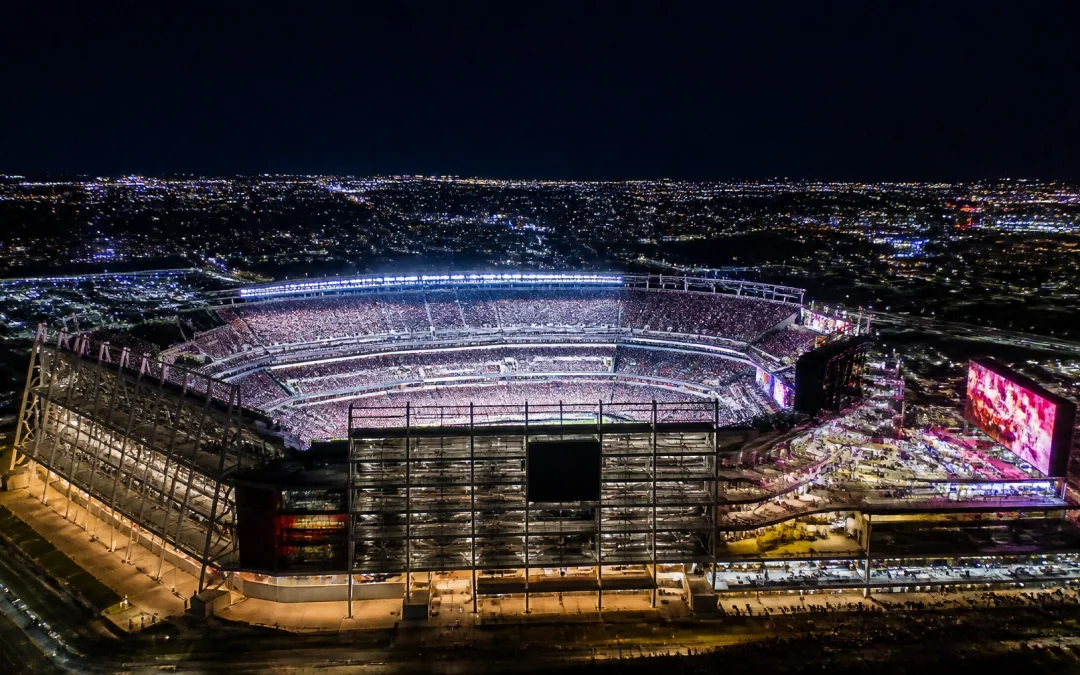
Super Bowl LX is scheduled to take place at Levi’s Stadium in Santa Clara, California, on February 8, 2026. For media buyers and brand managers, this event represents the pinnacle of the American sports calendar and a unique opportunity to capture global attention. However, as the media landscape becomes increasingly fragmented, traditional television spots are no longer the only way to achieve dominance. The integration of Name, Image, and Likeness (NIL) partnerships with Digital Out-of-Home (DOOH) advertising has emerged as a high-impact strategy for modern brands.
The transition toward 2026 marks a period where authenticity and local engagement carry as much weight as national reach. By leveraging the voices of over 20,000 student-athletes and combining that social influence with a precision-targeted DOOH network, advertisers can create an omnichannel presence that resonates from the stadium seats to the digital screens of fans nationwide. This guide outlines the strategic framework required to master NIL innovation and programmatic advertising for the upcoming championship.
The NIL Innovation: Harnessing 20,000 Authentic Voices

Objective and Strategy
The primary objective of incorporating NIL into a Super Bowl strategy is to bridge the gap between corporate messaging and peer-to-peer recommendation. The NIL platform allows brands to connect with a massive network of over 20,000 student-athletes, each serving as a trusted voice within their specific community. Unlike traditional celebrity endorsements, student-athletes often possess higher engagement rates and a more direct connection to Gen Z and Millennial demographics.
Tactical Execution
- Athlete Selection: Brands can utilize data-driven platforms to identify athletes whose personal brand aligns with the campaign’s core values. This includes filtering by sport, region, and audience demographics.
- Content Creation: The strategy focuses on short-form video content (Reels, TikToks, and Shorts) where athletes share authentic experiences. This content is designed to feel native to the platform rather than like a polished commercial.
- Hyper-Local Alignment: For Super Bowl 2026, brands are targeting athletes in the Northern California region or those with ties to the competing teams to maximize relevance as the game approaches.
The power of this approach lies in the "micro-Super Bowl" moments. While the main event happens on the field, thousands of smaller conversations happen simultaneously across social media. By deploying a massive volume of student-athlete content, a brand can effectively "own" the digital conversation without the necessity of a multimillion-dollar broadcast buy.
Dominating the 10-Mile Perimeter with DOOH

Strategy
While NIL handles the social and digital influence, OOH Sports provides the physical infrastructure to dominate the physical space surrounding the venue. The strategy centers on a 10-mile perimeter around Levi’s Stadium, capturing the attention of the hundreds of thousands of fans, tourists, and residents who descend upon the San Francisco Bay Area during Super Bowl week.
Technology Partners and Infrastructure
The OOH Sports Network provides access to all digital video advertising boards in every category within this critical zone. This includes:
- Digital Billboards: High-impact displays along major transit routes like Highway 101 and I-880.
- Sportrons: Specialized digital screens located in high-traffic sports and entertainment districts.
- Transit and Urban Displays: Screens in airports, train stations, and shopping centers throughout Santa Clara and San Jose.
By using programmatic DOOH, media planners can trigger ads based on real-time data such as weather, game scores, or local traffic patterns. This ensures that the message remains relevant to the immediate context of the consumer.
https://www.youtube.com/watch?v=l6J-0zileKE
Technology and Strategy for Super Bowl 2026

Precision Targeting
The execution of a successful Super Bowl campaign requires more than just large screens; it requires precision. The technology used by OOH Sports allows for the following:
- Geofencing: Creating a digital boundary around Levi's Stadium and key event hubs (such as the Super Bowl Experience) to retarget fans on their mobile devices after they have seen a physical billboard.
- Device ID Capture: Identifying the mobile devices that pass through the 10-mile perimeter to build a custom audience for post-game follow-up.
- Contextual Triggers: Changing the creative assets instantly based on whether a team scores, a penalty is called, or the halftime show begins.
Logistics and Execution
The logistics involve a synchronized rollout across the NIL network and the DOOH inventory. As a student-athlete posts a video about a pre-game party, the same brand’s creative appears on a digital screen near the campus or the stadium. This repetitive, multi-touchpoint exposure reinforces brand recall and drives purchase intent. For example, previous campaigns using this technology, such as White Claw’s programmatic DOOH launch, have demonstrated significant lifts in consumer consideration by appearing at the right time and place.
Measuring Success and ROI

Measurable Outcomes
For media buyers, the success of a Super Bowl 2026 campaign is measured through hard data. OOH Sports utilizes advanced attribution models to provide a clear picture of campaign performance.
- Brand Lift Studies: Measuring the increase in brand awareness and favorability before and after the campaign. Industry benchmarks often show significant improvements, such as the 119 percent lift in positive brand image seen in past beverage campaigns.
- Foot Traffic Attribution: Tracking how many consumers who were exposed to an OOH board later visited a retail location or a specific event activation.
- Digital Conversion: Analyzing the click-through rates and conversion data from retargeting ads served to the "exposed" audience (those who were within the 10-mile perimeter).
Strategic Alignment
The campaign mechanics are designed to be results-oriented. Every student-athlete post and every digital screen placement is a data point that contributes to a larger understanding of the consumer journey. By using specialized platforms and Sportrons technology, brands can move beyond simple "vanity metrics" and focus on actual business outcomes like purchase consideration and market share growth.
Conclusion: Preparing for Super Bowl LX
Success at Super Bowl 2026 requires a departure from traditional, siloed marketing tactics. The integration of 20,000 student-athlete voices with a dominant 10-mile DOOH perimeter creates a powerful, unified presence that is difficult for competitors to ignore. As the advertising industry moves toward a more programmatic and data-driven future, the tools provided by the OOH Sports Network offer a clear path to achieving measurable impact during the biggest sporting event of the year.
Media planners and brand managers should begin the planning process early to secure the best digital inventory and select the most relevant NIL talent. With the right strategy, the road to Levi’s Stadium can lead to unprecedented brand growth and a lasting connection with the next generation of sports fans.