
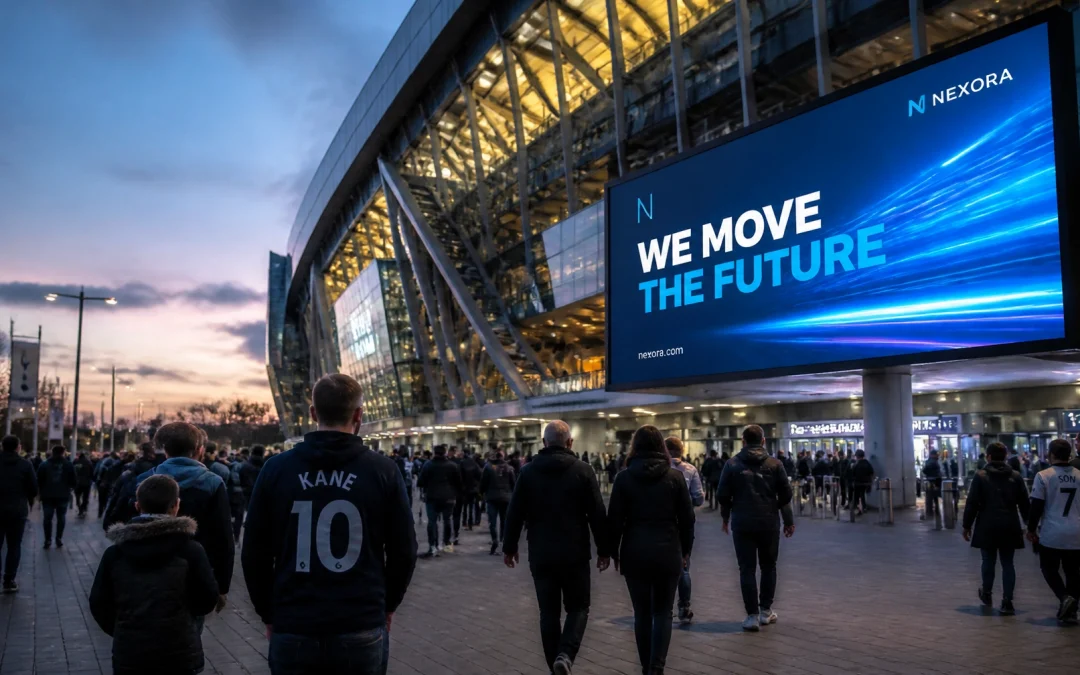
The landscape of sports marketing is undergoing a significant transformation. Traditional static billboards are being replaced by dynamic, data-driven Digital Out-of-Home (DOOH) networks that allow brands to connect with fans in real time. For media buyers and brand managers, the ability to reach a highly engaged audience at the right moment is no longer a luxury but a strategic necessity. OOH Sports provides a specialized Digital Sports Network designed to place brand messages exactly where sports fans live, work, and celebrate.
This evolution in advertising technology offers a unique opportunity to boost branding by leveraging the emotional intensity of live sports. By implementing specific innovations in DOOH strategy, brands can move beyond simple visibility and achieve measurable results in brand lift, purchase consideration, and foot traffic. The following five tips outline how to maximize impact using modern sports DOOH tactics.
1. Implement the 10-Mile Perimeter Strategy
Strategy
The core of effective sports DOOH is hyper-local targeting. Rather than spreading a budget thin across an entire city, successful campaigns focus on the fan journey within a specific radius of the sports venue. This strategy involves identifying high-traffic areas where fans congregate before and after a game, such as transit hubs, parking facilities, and surrounding entertainment districts.
Objective & Execution
The primary objective is to create a "surround sound" effect for the brand. By saturating the perimeter up to 10 miles around sports venues, a campaign maintains a consistent presence throughout the fan's match-day experience. Logistics involve mapping out digital video advertising boards across various categories, including street furniture, retail kiosks, and transit displays. This ensures that the message is not just seen once at the stadium, but reinforced multiple times as the fan moves toward the arena.
Results
Data indicates that this level of frequency in a concentrated area significantly increases brand recall. For example, campaigns that focus on the stadium perimeter often see a higher correlation between exposure and immediate action, such as visiting a nearby retail location or searching for the brand on a mobile device.

2. Utilize Real-Time Dynamic Creative Triggers
Strategy
Static creative in a sports environment often fails to capture the fluctuating emotions of the crowd. Innovation in DOOH now allows for dynamic creative that reacts to real-time events. By integrating sports APIs, weather data, and location-based triggers, brands can ensure their messaging is always contextually relevant.
Objective & Execution
The goal is to align the brand's voice with the live experience of the game. For instance, creative can be programmed to change based on the score, a home team victory, or even a sudden change in weather. If the home team scores, the digital board can instantly pivot to a celebratory message. Conversely, if the game is in a high-tension period, the creative can reflect that intensity. This execution requires a technology partner capable of ingesting live data feeds and serving dynamic assets through programmatic platforms.
Technology Partners
Collaboration with programmatic DOOH platforms is essential for this tactic. These systems allow for automated creative swaps without manual intervention, ensuring that the brand remains "in the moment" across the entire OOH Sports network.
Results
Dynamic campaigns typically see higher engagement rates than static ones. By acknowledging the current state of the game, brands establish a deeper connection with the audience, making the advertisement feel like a part of the event rather than an interruption.
3. Prioritize Programmatic Buying for Agility
Strategy
The traditional method of buying OOH involved long-term contracts and fixed placements. Modern innovation favors programmatic DOOH (pDOOH), which offers media buyers the flexibility to bid on inventory in real time. This agility is particularly valuable in the sports industry, where game times, weather conditions, and fan interest can vary.
Objective & Execution
Media planners use pDOOH to target specific "match windows" rather than buying a board for a full month. This allows for a more efficient use of the budget by only displaying ads when fan traffic is at its peak. Programmatic buying also enables audience-based targeting, utilizing anonymized movement data to identify screens frequented by sports enthusiasts, such as those near gyms or sports bars.
Results
The efficiency of programmatic buying often leads to a better Return on Investment (ROI). In a notable case, White Claw’s programmatic campaign drove a 74% lift in purchase consideration for their vodka launch by targeting specific audience segments and contexts. This data-driven approach removes the guesswork from traditional OOH planning.

4. Bridge the Gap with Omnichannel Retargeting
Strategy
DOOH should not exist in a vacuum. One of the most effective ways to boost branding is to integrate digital signs into a broader omnichannel strategy. This involves using DOOH as a high-impact discovery tool that triggers further engagement on other digital channels, such as mobile or social media.
Objective & Execution
The strategy uses Mobile Device IDs (MAIDs) exposed to specific DOOH screens to create retargeting pools. When a fan passes a digital billboard near a stadium, their device ID can be captured anonymously. Later, while they are scrolling through social media or using a sports news app, they can be served a follow-up ad. This sequence reinforces the brand message and provides a direct path to conversion, such as an app download or a coupon claim. Additionally, including QR codes on DOOH screens can lead to immediate interactive experiences or exclusive offers.
Results
The impact of this "cross-screen" approach is measurable and significant. For example, Sea-Doo’s first digital OOH campaign resulted in a 144% increase in purchase consideration. By connecting the physical presence of DOOH with the personal nature of mobile advertising, brands can guide fans through the entire marketing funnel.

5. Leverage Data-Driven Attribution and Measurement
Strategy
Historically, measuring the success of out-of-home advertising relied on rough estimates of "daily effective circulation." Today, innovation in data analytics allows brand managers to measure actual business outcomes. Attribution models now connect DOOH exposure to brand lift, foot traffic, and even online sales.
Objective & Execution
The objective is to move from vanity metrics to hard data. This is achieved through brand lift studies and geo-lift analysis. By comparing brand awareness and intent in regions with DOOH exposure versus "dark" regions without ads, planners can quantify the incremental impact of the campaign. Furthermore, foot traffic sensors and mobile location data can track if an exposed individual actually visited a retail partner or a stadium kiosk after seeing the ad.
Results
Rigorous measurement demonstrates the power of the medium. AB InBev’s Mike’s Hard Iced Tea campaign recorded a 119% lift in positive brand image through a targeted programmatic DOOH strategy. These quantifiable results provide media buyers with the confidence to scale their investments in the sports sector.

Conclusion: Setting the Standard for Sports Marketing
Innovation in sports DOOH is not merely about changing the creative on a screen. It is about using a combination of location, timing, and technology to meet fans where they are most passionate. By focusing on a strategic 10-mile perimeter, employing dynamic creative, and using programmatic platforms for precise buying, brands can achieve a level of relevance that was previously impossible.
When these tactics are paired with omnichannel retargeting and data-driven attribution, the results speak for themselves. The shift toward a digital-first out-of-home network allows for a polished, professional, and highly effective approach to branding. As the sports media landscape continues to evolve, those who adopt these five innovation tips will find themselves at the forefront of the industry, etching their brand’s message into the hearts of fans across the nation.