
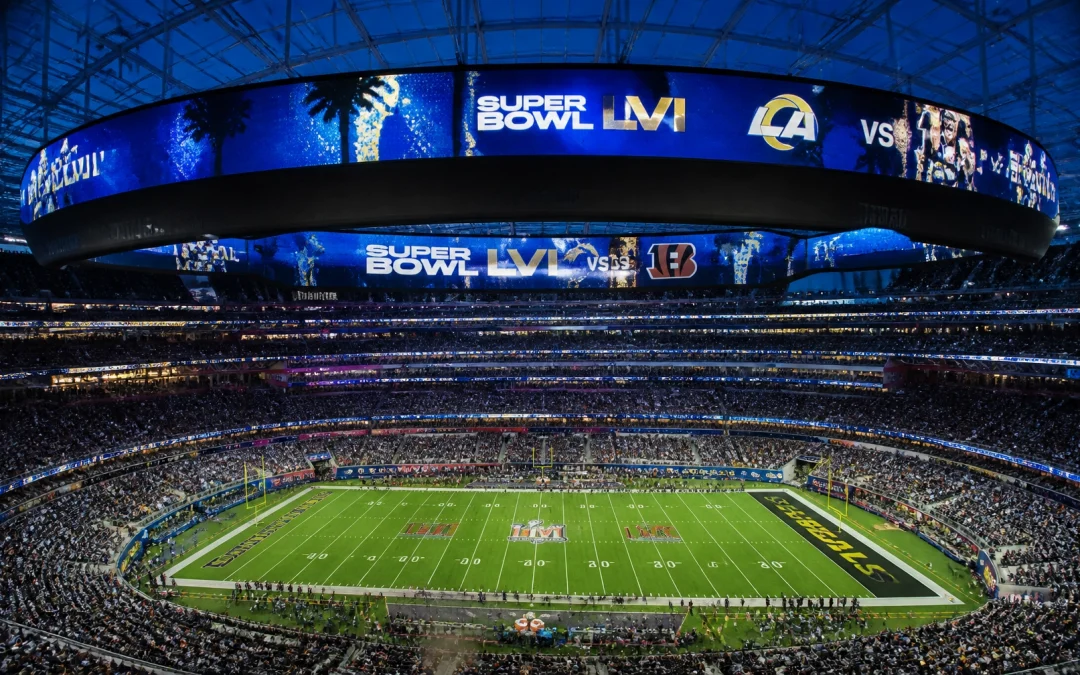
As the countdown to Super Bowl 2026 in Santa Clara and San Francisco begins, the landscape of sports marketing is undergoing a seismic shift. For media buyers and brand managers, the stakes have never been higher. With 30-second in-game television spots reaching a staggering $8 million, the traditional "spray and pray" method of broadcasting is no longer the most efficient path to ROI.
The modern sports ecosystem is now a multi-platform cultural event where the real action happens on the glass in fans' hands and the digital boards surrounding the arena. To win during the biggest game of the year, brands must move beyond legacy thinking. Here are the seven most common mistakes currently being made in global sports campaigns, along with the strategic fixes needed to secure a victory before the final whistle.
1. The "Big Spot" Trap: Relying Solely on Traditional Broadcast
Many media planners still allocate the lion's share of their budget to a single, high-cost television commercial. While the Super Bowl remains the ultimate reach vehicle, the audience is increasingly fragmented. In 2026, streaming viewership is projected to rival traditional broadcast, and fans are experiencing the game through short-form video and influencer commentary.
The Fix: Adopt an omnichannel approach that prioritizes programmatic digital-out-of-home (DOOH) and social-first content. By placing brand messages on digital video boards within a 10-mile perimeter of the stadium and throughout key fan zones in the Bay Area, a campaign stays top-of-mind for the duration of the event, not just for 30 seconds.
2. Ignoring the Authenticity of NIL Student-Athletes
A significant error in current sports campaigns is the over-reliance on a few "A-list" celebrity athletes who may lack a genuine connection to the current generation of fans. Today’s audience craves authenticity over polish. They trust creators who are in the trenches of sports culture daily.
The Fix: Leverage the power of Name, Image, and Likeness (NIL). Through the OOH Sports NIL platform, brands can connect with over 20,000 authentic student-athlete voices. These athletes act as trusted, sport-native creators who can deliver your message with high credibility. Whether it is a training tip or a game-day reaction, these 20,000 voices provide a scalable and relatable way to penetrate specific alumni networks and regional markets.

3. The "Late Arrival" Strategy
Waiting until the week of the Super Bowl to launch a campaign is a common mistake that leads to sky-high CPMs and lost momentum. Winning campaigns treat the game as a launchpad, not the starting line.
The Fix: Start the narrative arc four to six weeks before kickoff. Use this time to build retargeting pools and release teaser content. By the time the Super Bowl arrives, your audience should already be familiar with your brand’s story, allowing your game-day activations to focus on conversion and deep engagement rather than initial awareness.
4. Overlooking Hyper-Local Geofencing
Many global campaigns fail because they are too broad. They message the entire country but miss the specific energy of the host city. In 2026, the Bay Area will be the epicenter of global sports culture. Failing to have a physical presence in the streets of San Francisco or Santa Clara is a missed opportunity for brand salience.
The Fix: Deploy hyper-local geofencing and DOOH advertising boards. Use the perimeter around Levi’s Stadium to capture the attention of the thousands of fans, journalists, and influencers on-site. When a fan walks toward the stadium, they should see your brand on a Sportron and then receive a coordinated message on their mobile device.

5. Creative That Lacks a "Human" Element
In an era of high-tech production, many ads feel cold or overly engineered. Research from Super Bowl LX indicates that the most successful creative themes center on humor, nostalgia, and emotional storytelling about togetherness.
The Fix: Lean into the human side of sports. Use NIL creators to showcase behind-the-scenes moments, campus traditions, and the raw emotion of the game. Even when utilizing advanced marketing technologies, ensure the creative remains grounded in human experience. Self-deprecating humor and authentic "day in the life" content from student-athletes often outperform highly polished studio productions.
6. Failing to Sync Digital and Physical Touchpoints
A brand might have a great social media presence and a great billboard, but if they aren't talking to each other, the campaign is inefficient. Disconnected touchpoints lead to a disjointed customer journey.
The Fix: Coordinate your programmatic DOOH with your social and streaming buys. When a student-athlete posts a video on TikTok, the same creative assets or themes should be visible on digital boards in the viewer’s local area. This cross-platform synchronization creates a "surround sound" effect that boosts brand recall significantly.
7. Neglecting Performance Measurement Beyond "Buzz"
Many media buyers still report success based on "likes" or "impressions" without digging into the data that actually drives business outcomes. In 2026, with budgets being scrutinized, this lack of precision is a major tactical error.
The Fix: Focus on measurable brand lift and attribution. Use device ID exposure to track how many people saw an OOH Sports board and subsequently visited a website or downloaded an app. Partner with platforms that provide detailed case studies and data-backed results.

The Strategic Edge: 20,000 Voices for Super Bowl 2026
Success at the 2026 final will be determined by who can most effectively bridge the gap between traditional media and the new creator economy. The OOH Sports NIL platform offers a unique solution by combining the massive reach of out-of-home advertising with the intimate trust of 20,000 student-athlete voices.
This network allows brands to execute a campaign that is both "big" in scale and "small" in its personal connection to fans. It is the difference between shouting from a megaphone and having a conversation with a trusted friend.
For a deeper look at how this integration works in practice, watch the following breakdown of our latest sports marketing innovations:
https://www.youtube.com/watch?v=l6J-0zileKE
Summary of the Winning Strategy
To avoid the common mistakes of the past, media buyers should follow this checklist for Super Bowl 2026:
- Strategy: Move from a TV-only mindset to an omnichannel, creator-led framework.
- Targeting: Use the 10-mile perimeter around venues to capture high-intent fans.
- Technology: Utilize programmatic DOOH for flexibility and real-time updates.
- Partners: Collaborate with the NIL platform to access authentic voices that resonate with Gen Z and Millennial audiences.
- Measurement: Track brand lift, purchase intent, and sentiment to quantify the impact of the campaign.
The road to the final is long, but by fixing these mistakes early, your brand can ensure it is not just part of the conversation, but leading it. For more insights on the future of sports media, visit the OOH Sports Blog or learn more about our mission.