
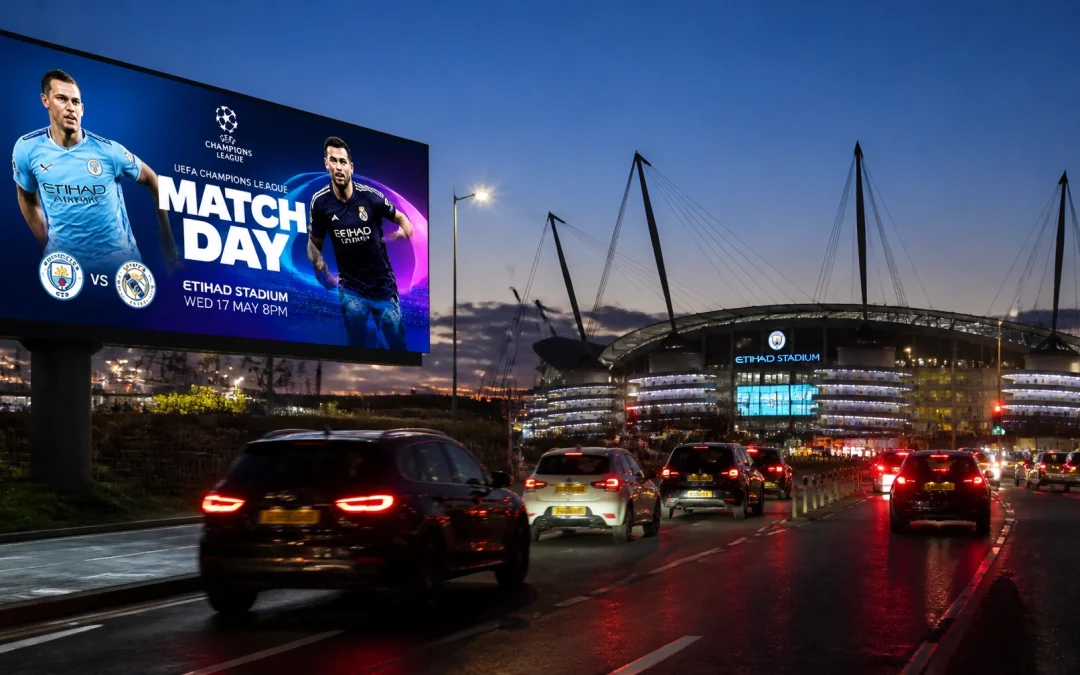
Major sporting events generate a level of emotional intensity and audience concentration that few other marketing opportunities can match. As the World Cup progresses into its knockout stages, the stakes for athletes and brands alike reach a fever pitch. In this high pressure environment, the traditional broad-reach approach to advertising often fails to capture the immediate, localized energy of the tournament.
The implementation of a 10-mile stadium strategy represents a shift from general awareness to hyper-local dominance. By concentrating digital out-of-home (DOOH) assets within a specific radius of host venues, brands can engage fans during the most critical moments of their journey. This strategic layer ensures that a brand is not just part of the conversation but a visible, persistent presence where the action is happening.
The Mechanics of Modern Sports Marketing
The shift toward digital out-of-home advertising is driven by the need for flexibility and precision. With U.S. OOH spend projected to reach $11.28 billion, nearly 42 percent of which is digital, the ability to control when and where a message appears is paramount. During the World Cup, the physical movement of fans creates a predictable yet dynamic map of high-value touchpoints.
A successful campaign does not merely target the sport; it targets the movement of the people attending it. This includes the transit corridors, hospitality zones, and the immediate surroundings of the stadium. By focusing on a 10-mile radius, an advertiser can maintain a consistent brand narrative from the moment a fan arrives at a host city airport to the moment they walk through the stadium gates.
Objective and Strategy: Surrounding the Fan Journey
The primary objective of a proximity-based strategy is to maximize frequency and relevance among a high-intent audience. A 10-mile radius around a World Cup venue is not just a geographical boundary. It is a high-intensity layer that captures fans at multiple stages of their experience.
The strategy involves three distinct phases of engagement:
- The Arrival: Deploying assets at airports and transit hubs within the host city to establish brand presence as fans enter the region.
- The Build-Up: Utilizing street furniture and large-format billboards along major thoroughfares and in entertainment districts where fans congregate before matches.
- The Climax: Dominating the perimeter of the stadium during the pre-match and post-match windows to capitalize on peak emotional engagement.
This approach addresses common fan engagement mistakes by ensuring that the brand is physically present where the audience is most active. It moves beyond the static nature of traditional media to become a part of the event's physical environment.

Technology Partners and Programmatic Integration
The execution of a 10-mile stadium strategy relies heavily on programmatic DOOH (pDOOH) technology. Programmatic platforms allow media buyers to automate the purchase and delivery of ads based on real-time data and specific triggers. This level of control is essential for a tournament where schedules and results are constantly evolving.
Working with sophisticated technology partners enables brands to:
- Shift Budgets Dynamically: Resources can be reallocated to specific screens or cities where fan density is highest at any given moment.
- Cap Frequency: Technology ensures that the audience is exposed to the message enough times to drive recall without causing ad fatigue.
- Optimize in Real-Time: Creative can be updated or swapped based on match outcomes, weather conditions, or local traffic patterns.
The use of AI-driven DOOH planning further refines this process by predicting crowd flows and identifying the most impactful screen locations within the 10-mile radius. This data-centric approach ensures that every impression is delivered with maximum strategic intent.
Tactics: Real-Time Creative and Dynamic Triggers
In the knockout stages of a World Cup, timing is everything. A 10-mile strategy is most effective when the creative content is as dynamic as the tournament itself. Modern DOOH screens allow for the integration of live data feeds, transforming a standard advertisement into a real-time information hub.
Common tactics used within the 10-mile radius include:
- Live Scoreboards: Displaying real-time match scores and updates to provide immediate value to fans in transit.
- Contextual Triggers: Programming ads to change based on the status of a game. For example, a celebratory message can be triggered automatically for the winning city or team.
- Interactive QR Codes: Incorporating mobile integration to bridge the gap between the physical screen and a personal device, allowing fans to access exclusive content or promotions.
- Narrative Evolution: Updating the campaign creative to reflect the progression of the tournament, from group stage anticipation to the final match intensity.

By leveraging a network of 25,000 screens, advertisers can achieve the scale necessary to saturate the 10-mile radius effectively. This ensures that no matter which route a fan takes, the brand message remains central to their experience.
Results: Quantifying the Impact of Proximity Advertising
The effectiveness of a 10-mile stadium strategy is supported by significant industry data. Proximity to major sporting events drives not only brand awareness but also direct consumer action. Research from the OAAA and Harris Poll indicates that approximately 60 percent of U.S. adults recall seeing OOH advertising for major sporting events. More importantly, 90 percent of those individuals take an action after the exposure, such as discussing the brand, searching for more information, or making a purchase.
Key performance indicators for these campaigns often include:
- Ad Awareness: Studies by Kantar show that OOH delivers an average 13 percent lift in ad awareness, a figure that exceeds the performance of digital, CTV, and traditional television in similar contexts.
- Brand Favorability: OOH has been found to have nearly four times more impact on brand favorability than digital or CTV advertising. In the high-emotion environment of the World Cup, this favorability is amplified by the shared experience of the fans.
- Local Economic Impact: Among fans who attend a game after being exposed to OOH, 99 percent spend money at local businesses. A 10-mile radius strategy directly targets these high-spending consumers at the point of decision.
- Cross-Channel Lift: Integrating DOOH with mobile retargeting within the radius can lead to a marked increase in website visits and app engagement, as the physical screen serves as the initial spark for a digital journey.

Strategic Alignment and Execution
A 10-mile radius strategy is not a static circle on a map. It is a sophisticated, movement-aligned layer of a broader omnichannel campaign. It requires a deep understanding of host city infrastructure, fan behavior, and the technological capabilities of modern DOOH networks.
When executed with precision, this strategy allows a brand to become an integral part of the World Cup narrative. It provides the visibility required to stand out in a crowded marketplace and the relevance needed to connect with fans in their most passionate moments. As the knockout rounds begin, the proximity of a brand to the stadium can be the deciding factor in its campaign success.